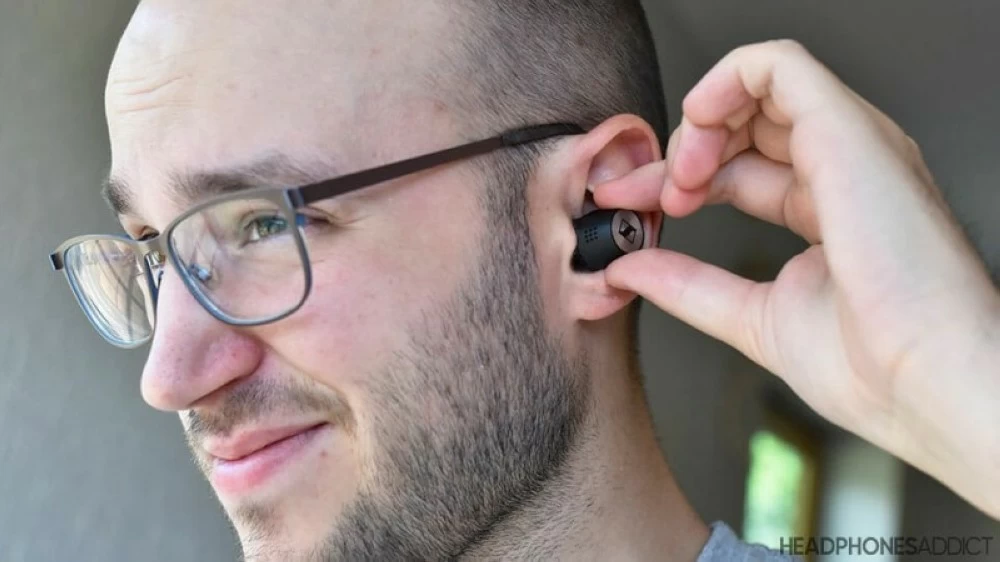
في عصر أصبحت فيه السماعات جزءاً لا يتجزأ من الحياة اليومية، سواء للاستماع إلى الموسيقى أو متابعة البودكاست أو إجراء مكالمات العمل، يحذر أطباء الأنف والأذن والحنجرة من ثمن صحي خفي لهذا الاستخدام المتواصل.
ورصد مختصون تزايداً مقلقاً في حالات تلف السمع والالتهابات المزمنة بالأذن بين الشباب والمراهقين نتيجة الإفراط في استخدام سماعات الرأس وسماعات الأذن (Earbuds).
ورغم أن الاستغناء التام عن هذه الأجهزة لم يعد خياراً عملياً في عالم يعتمد بشكل كبير على التكنولوجيا، يؤكد الأطباء ضرورة فهم الحدود الآمنة لاستخدامها للحفاظ على صحة الأذن على المدى الطويل.
قلق متزايد على سمع الأجيال الصغيرة
وبحسب موقع Onlymyhealth الطبي، قالت استشاري أول جراحة الأنف والأذن والحنجرة الهندية الدكتورة مينا أجراوال: إن أنماط الاستماع تغيرت جذرياً خلال السنوات الأخيرة، ولكن ليس دائماً للأفضل، وتوضح: نلاحظ في الوقت الحالي ظهور علامات مبكرة لتلف السمع وطنين الأذن والتهابات متكررة لدى عدد متزايد من الشباب وحتى المراهقين، نتيجة الإفراط في استخدام السماعات، وعلى الرغم من أن هذه الأجهزة أصبحت جزءاً أساسياً من حياتنا اليومية، فإن طريقة استخدامها ومدة التعرض للصوت قد تؤثر سلباً على صحة الأذن على المدى البعيد.
لماذا مستوى الصوت مهم؟
ويُعد مستوى الصوت المرتفع الخطر الأكبر والأكثر مباشرة على حاسة السمع، إذ توضح الدكتورة أجراوال أن التعرض لأصوات تتجاوز 85 ديسيبل لفترات طويلة قد يؤدي إلى تلف دائم في الخلايا الدقيقة داخل الأذن المسؤولة عن السمع.
وتحذر استشاري أول جراحة الأنف والأذن والحنجرة من أن العديد من الهواتف الذكية وأجهزة تشغيل الموسيقى يمكن أن تتجاوز 100 ديسيبل عند رفع الصوت إلى الحد الأقصى، وهو مستوى غير آمن إطلاقاً. وللوقاية، توصي باتباع قاعدة بسيطة تُعرف بـ قاعدة 60 – 60، التي تعني: الاستماع عند أقل من 60% من أقصى مستوى للصوت، ولمدة لا تتجاوز 60 دقيقة متواصلة، ومع منح الأذنين فترات راحة كافية بعدها.
مدة الاستخدام الخطر الصامت
ولا يقتصر الضرر على شدة الصوت فقط، بل يمتد إلى مدة الاستخدام. فحتى المستويات الآمنة قد تتحول إلى خطر إذا لم تحصل الأذن على فترات راحة.
وتؤكد الدكتورة أجراوال أن الاستماع المتواصل لساعات، حتى بمستوى صوت متوسط، يزيد من احتمالات الإصابة بمشكلات سمعية، وتنصح بأخذ فواصل قصيرة كل 30 دقيقة، خصوصاً لمن يعتمدون على السماعات لفترات طويلة في المكالمات أو الاستماع للمحتوى الصوتي.
لماذا تُعد سماعات الأذن أكثر ضرراً؟
وتشكل سماعات الأذن الصغيرة (Earbuds) خطورة أكبر مقارنة بسماعات الرأس الخارجية، نظراً لتصميمها الذي يجعلها داخل قناة الأذن مباشرة.
وتوضح الطبيبة أن الصوت يصل إلى طبلة الأذن بشكل أسرع وبشدة أعلى، كما أن هذه السماعات تحبس الحرارة والبكتيريا داخل الأذن، ما يزيد من فرص الإصابة بالالتهابات وتراكم الشمع، كما أن مشاركة السماعات أو إهمال تنظيفها يرفع من خطر العدوى.
علامات تحذيرية لا تتجاهلها
وغالباً ما يرسل الجسم إشارات مبكرة تدل على إجهاد الأذن، ومن أبرزها: طنين الأذن، ضعف السمع، ألم بالأذن، صداع متكرر، الشعور بالضغط داخل الأذن.
وتشدد الدكتورة أجراوال على ضرورة عدم تجاهل هذه الأعراض، مؤكدة أن استمرار الطنين أو ضعف السمع يستدعي مراجعة طبيب الأنف والأذن والحنجرة فوراً.
كيف تحمي أذنيك؟
وتؤكد الدكتورة أجراوال أن حماية السمع لا تعني التوقف التام عن استخدام السماعات، وإنما اعتماد 6 عادات أكثر أماناً، وهي:
- تجنب الاستماع بأقصى مستوى للصوت.
- عدم الاستماع لفترات طويلة دون فواصل.
- تفضيل سماعات الرأس الخارجية عند الاستخدام المطول.
- تنظيف السماعات بانتظام وعدم مشاركتها مع الآخرين.
- استخدام سماعات عازلة للضوضاء لتجنب رفع الصوت.
- اختيار أجهزة مزودة بحدود أمان للصوت وتنبيهات تلقائية.
وشددت على أنه لا توجد قاعدة واحدة تناسب الجميع فيما يخص مدة استخدام السماعات بأمان، إذ يعتمد ذلك على مستوى الصوت ونوع الجهاز وعادات الاستخدام، إلا أن الاستخدام غير الآمن، حتى لفترات قصيرة، قد يؤدي إلى أضرار طويلة المدى.
In an era where headphones have become an integral part of daily life, whether for listening to music, following podcasts, or making work calls, ear, nose, and throat doctors warn of a hidden health cost associated with this continuous use.
Specialists have observed a concerning increase in cases of hearing damage and chronic ear infections among young people and teenagers due to excessive use of headphones and earbuds.
Although completely giving up these devices is no longer a practical option in a world heavily reliant on technology, doctors emphasize the need to understand the safe limits of their use to maintain ear health in the long term.
Growing concern for the hearing of younger generations
According to the medical website Onlymyhealth, senior consultant in ear, nose, and throat surgery Dr. Meena Agrawal stated that listening patterns have changed drastically in recent years, but not always for the better. She explains: We currently observe early signs of hearing damage, tinnitus, and recurrent infections in an increasing number of young people and even teenagers, due to excessive use of headphones. While these devices have become an essential part of our daily lives, how they are used and the duration of sound exposure can negatively impact ear health in the long run.
Why is volume level important?
High volume levels pose the greatest and most immediate risk to hearing. Dr. Agrawal clarifies that exposure to sounds exceeding 85 decibels for prolonged periods can lead to permanent damage to the tiny cells in the ear responsible for hearing.
The senior consultant in ear, nose, and throat surgery warns that many smartphones and music players can exceed 100 decibels when the volume is turned up to maximum, which is an entirely unsafe level. To prevent this, she recommends following a simple rule known as the 60-60 rule, which means listening at less than 60% of the maximum volume level for no more than 60 continuous minutes, while allowing the ears sufficient rest afterward.
The silent danger of usage duration
The damage is not limited to sound intensity alone; it also extends to usage duration. Even safe levels can become dangerous if the ear does not receive breaks.
Dr. Agrawal confirms that continuous listening for hours, even at moderate volume levels, increases the likelihood of hearing problems, and she advises taking short breaks every 30 minutes, especially for those who rely on headphones for long periods during calls or while listening to audio content.
Why are earbuds more harmful?
Small earbuds pose a greater risk compared to external headphones due to their design, which places them directly inside the ear canal.
The doctor explains that sound reaches the eardrum faster and at a higher intensity, and these earbuds trap heat and bacteria inside the ear, increasing the chances of infections and wax buildup. Additionally, sharing earbuds or neglecting to clean them raises the risk of infection.
Warning signs not to ignore
The body often sends early signals indicating ear strain, the most notable of which include: tinnitus, hearing loss, ear pain, recurrent headaches, and a feeling of pressure inside the ear.
Dr. Agrawal emphasizes the importance of not ignoring these symptoms, asserting that persistent tinnitus or hearing loss requires immediate consultation with an ear, nose, and throat doctor.
How to protect your ears?
Dr. Agrawal asserts that protecting hearing does not mean completely stopping the use of headphones, but rather adopting six safer habits, which are:
- Avoid listening at maximum volume.
- Do not listen for long periods without breaks.
- Prefer external headphones for prolonged use.
- Clean headphones regularly and do not share them with others.
- Use noise-canceling headphones to avoid raising the volume.
- Choose devices equipped with sound safety limits and automatic alerts.
She stressed that there is no one-size-fits-all rule regarding the safe duration of headphone use, as it depends on the volume level, type of device, and usage habits. However, unsafe use, even for short periods, can lead to long-term damage.