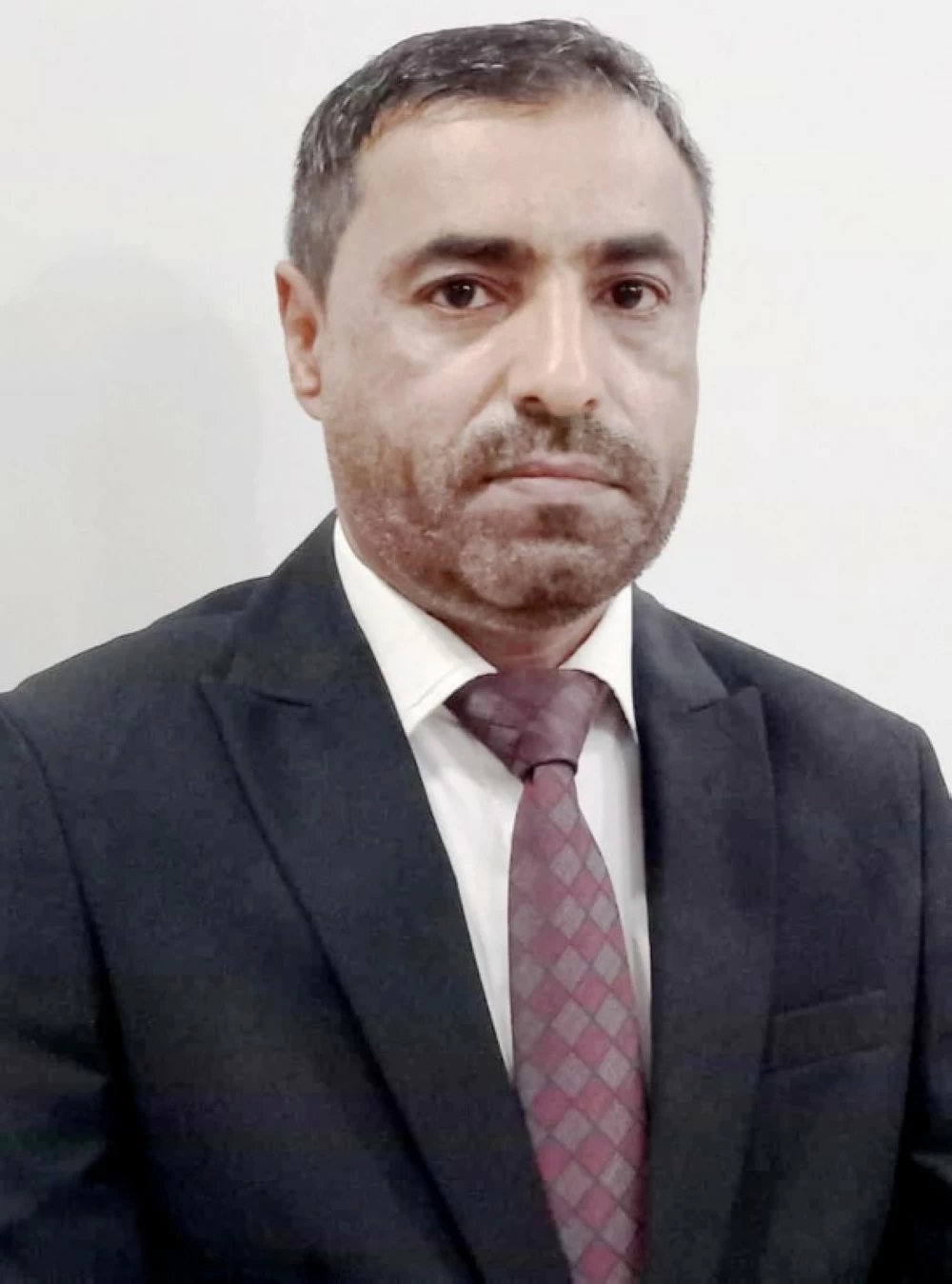
كشف وكيل وزارة الصحة اليمنية وعضو هيئة الرئاسة لمكون الحراك الجنوبي المشارك الدكتور جلال باعوضة الحميري، تحديات صحية عدة في المحافظات اليمنية؛ منها تدهور البنية التحتية الصحية، وضعف القدرة التشغيلية للمستشفيات، وشح الكوادر الطبية والتمريض وهجرة الكفاءات، وعجز في الإمدادات الطبية، وإغلاق الكثير من المستشفيات والمراكز الصحية.
وحذر في حوار مع «عكاظ» من انتشار الأوبئة والأمراض المعدية وزيادة حالات السرطان ومضاعفات الحمل وأمراض الكلى، إضافة إلى تسجيل ارتفاع ملحوظ في حالات الأمراض النفسية والعصبية.
وأشار في حديثه إلى الدور السعودي لدعم اليمن في كافة القطاعات، خصوصاً في القطاع الصحي؛ من ناحية الدعم المالي والتشغيلي، وإعادة تأهيل المرافق، وتوفير الأجهزة والأدوية.
وشدد على أن الحوار الجنوبي-الجنوبي المنتظر عقده في الرياض، يعد فرصة تاريخية لتوحيد رؤى القوى الجنوبية وتحقيق الاستقرار الإقليمي.
فإلى نص الحوار:
• بداية.. ما أهم التحديات التي تواجه القطاع الصحي باليمن في ظل الأزمة الحالية؟
•• هناك عدة تحديات مجتمعة أو مركبة تواجه القطاع الصحي في اليمن؛ أبرزها تضرر البنية التحتية الصحية نتيجة سنوات الحرب، ونقص التمويل المستدام، وضعف القدرة التشغيلية للمرافق الصحية، إضافة إلى شح الكوادر الطبية المؤهلة وهجرتها، وانقطاع الإمدادات الطبية بشكل منتظم، كما تشكل الأوضاع الاقتصادية الصعبة وتراجع دخل المواطنين عبئاً إضافياً على النظام الصحي وقدرته على تقديم خدمات أساسية شاملة.
البنية التحتية للمرافق تدمرت
• هل هناك إحصاءات عن عدد المستشفيات المغلقة الآن؟
•• لا تتوفر إحصائية دقيقة حاليا، لكن هناك تدميراً للبنية التحتية والمرافق الصحية بسبب الحروب والصراعات، أدى إلى تضرر وإغلاق عدد كبير من المستشفيات والمراكز الصحية، مع ضعف عام في التجهيزات الطبية.
• هل فاقمت هجرة الكوادر الطبية الأزمة في القطاع الصحي؟
•• بالتأكيد، تعاني المنشآت من نقص حاد في الأطباء والممرضين بسبب انقطاع الرواتب وهجرة الكفاءات، ما أدى إلى انخفاض الكثافة الطبية إلى ما دون المستويات العالمية، ولا ننسى أزمة الوقود وانقطاع الكهرباء التي لها تأثير على عدم تشغيل المولدات الكهربائية في المستشفيات، مما يهدد أقسام العناية المركزة والغسيل الكلوي بالتوقف.
ورغم خطورة هجرة الكفاءات إلا أننا نتعامل معها عبر حوافز محدودة، ودعم مالي جزئي من بعض المشاريع، وبرامج تدريب وبناء قدرات، لكن معالجة المشكلة بشكل جذري تتطلب تحسين الأوضاع المعيشية، وضمان الاستقرار الوظيفي، وخلق بيئة عمل آمنة ومحفزة داخل البلاد.
قلقون من عودة الأوبئة
• إذاً كيف تواجهون أزمات انتشار الأوبئة؟
•• لا أخفيك أن القلق قائم، في عودة انتشار الأوبئة والأمراض من جديد كشلل الأطفال، والحصبة، والدفتيريا، إضافة إلى زيادة حالات السرطان ومضاعفات الحمل، والفشل الكلوي، وسوء التغذية الحاد لملايين الأطفال والنساء، كما أن ضعف المناعة وراء زيادة معدلات الوفيات، وهذا كله يعود إلى تدهور خدمات المياه والصرف الصحي، وضعف النظام الصحي، لكننا نتعامل مع هذا التحدي عبر أنظمة ترصد وبائي، وحملات تحصين، وتدخلات سريعة للاستجابة، بدعم من الشركاء الدوليين.
• ما مدى تعاون المنظمات الدولية معكم؟
•• هناك تعاون وثيق مع منظمات دولية وأممية فاعلة في المجال الصحي، وقد أسهم هذا التعاون في استمرار تشغيل عدد كبير من المرافق الصحية ودعم برامج التحصين والتغذية ومكافحة الأوبئة، لكن حجم الاحتياجات الإنسانية تفوق الموارد المتاحة.
دعم خدمات الطوارئ والتوليد
• هل يمكن أن تطلعنا على أهم المشاريع الصحية التي يجري تنفيذها وبدعم من السعودية؟
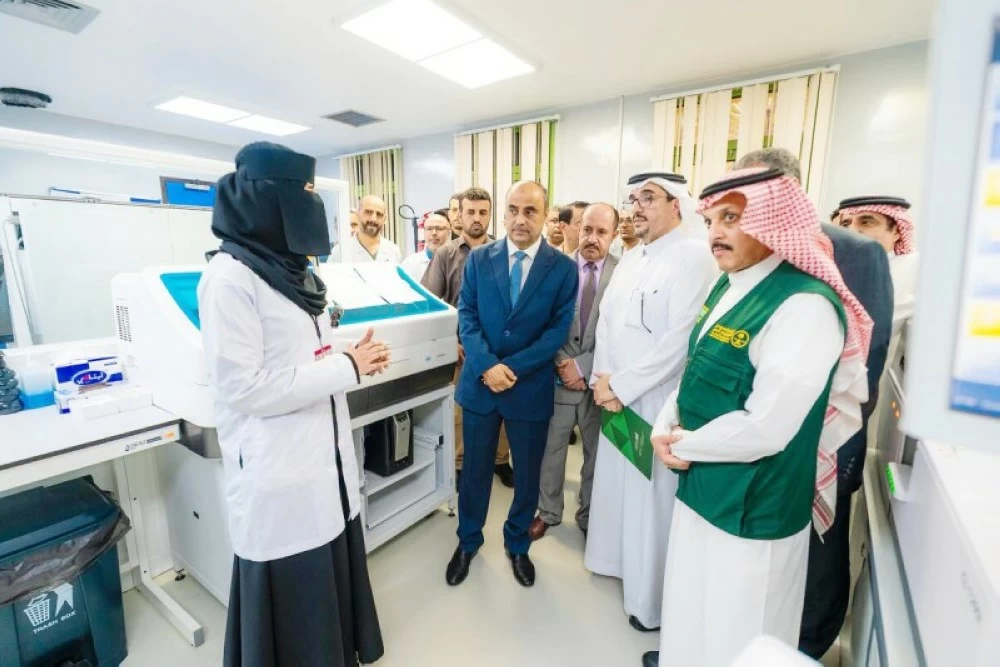
•• بالتأكيد دور السعودية كبير، ومنها دعم وتشغيل المستشفيات والمراكز الصحية، برامج التحصين الموسع، مكافحة سوء التغذية، الاستجابة للأوبئة، ودعم خدمات الطوارئ والتوليد، كما تُنفذ مشاريع متخصصة مثل جراحات القلب للكبار والأطفال، وبرامج غسيل الكلى، وإعادة التأهيل الجسدي. ويتصدر مركز الملك سلمان للإغاثة والأعمال الإنسانية تنفيذ عدد من المشاريع الصحية النوعية في اليمن، التي كان لها أثر إنساني مباشر وملموس، خصوصاً في ظل التحديات الكبيرة التي يواجهها القطاع الصحي.
وتشمل هذه المشاريع برامج التأهيل الجسدي وتركيب الأطراف الصناعية لضحايا النزاع وذوي الاحتياجات الخاصة، إلى جانب دعم المستشفيات بالأجهزة والمستلزمات الطبية، وتنفيذ برامج علاجية متخصصة أسهمت في تحسين حياة آلاف المستفيدين في عدد من المحافظات.
وتبرز المشاريع الصحية التي تنفذها المملكة العربية السعودية عبر أذرعها الإنسانية والتنموية، وفي مقدمتها مدينة الملك سلمان الطبية في محافظة المهرة، التي تُعد من أكبر المشاريع الصحية الحديثة في اليمن، وتضم مستشفى بسعة 110 أسرّة، مجهزاً بأحدث التقنيات الطبية، ويشمل مرافق متكاملة للطوارئ، وأقسام العناية المركزة، وغرف العمليات، إضافة إلى الخدمات التشخيصية، بما يسهم في تعزيز قدرة النظام الصحي على تقديم خدمات تخصصية متقدمة لسكان المحافظة والمناطق المجاورة.
كما تشمل هذه الجهود تجهيز مستشفى سيئون بمحافظة حضرموت بالأجهزة والمستلزمات الطبية الحديثة، ورفع جاهزيته التشغيلية، بما يعزز من قدرته على تقديم خدمات صحية متكاملة ويخفف الضغط على المستشفيات المرجعية الأخرى.
إضافة إلى ذلك، يجري الاستمرار في تشغيل مستشفى الأمير محمد بن سلمان في مدينة عدن بدعم من البرنامج السعودي لتنمية وإعمار اليمن، ويقدم المستشفى خدمات طبية وعلاجية متقدمة في عدد من التخصصات، ويسهم بشكل فعّال في دعم المنظومة الصحية في العاصمة المؤقتة والمناطق المحيطة بها.
وتعكس هذه المشاريع مجتمعة التزام المملكة العربية السعودية بدعم القطاع الصحي في اليمن، والانتقال من التدخلات الإغاثية الطارئة إلى مشاريع تنموية مستدامة تهدف إلى تعزيز البنية التحتية الصحية وتحسين جودة الخدمات المقدمة للمواطنين.
كما ينفذ مركز الملك سلمان للإغاثة الإنسانية في مدينة المكلا بمحافظة حضرموت مشاريع طبية متخصصة في جراحات القلب المفتوح والقسطرة القلبية للمرضى المحتاجين، لا سيما الأطفال المصابين بتشوهات القلب الخلقية، حيث تشمل هذه التدخلات الفحص والتشخيص، وإجراء العمليات الجراحية الدقيقة، وتقديم الرعاية الطبية قبل العمليات وبعدها مجاناً، بالتنسيق مع وزارة الصحة اليمنية والكوادر الطبية المحلية والدولية، الأمر الذي أسهم في إنقاذ حياة الآلاف من المرضى والتخفيف من الأعباء المالية على أسرهم، إضافة إلى الإسهام في بناء قدرات الكوادر الطبية المحلية من خلال نقل الخبرات والتدريب العملي.
وأيضا هناك حزمة مشاريع صحية حيوية يتم الاستعداد لتنفيذها خلال هذا العام من قبل المملكة العربية السعودية من ضمنها تشغيل مستشفى سقطرى، ومستشفى الهيئة بشبوة.
فساد مالي وإداري
• ما الآثار التي خلفتها الحرب على المجتمع؟
•• لقد أدت سنوات الحرب والصراع والنزوح والفقر إلى ارتفاع ملحوظ في حالات الاضطرابات النفسية والعصبية، خصوصاً بين الأطفال والنساء، ويقابل ذلك نقص حاد في الأطباء والأخصائيين النفسيين.
• ليس الحرب وحدها من فاقمت الوضع الصحي بل أيضاً الفساد ما تعليقكم؟
•• لا أخفيك أن الفساد المالي والإداري كان له تأثير سلبي على القطاع الصحي، سواء من حيث كفاءة إدارة الموارد أو عدالة توزيع الخدمات، مما اضعف من ثقة المواطنين وأثر على جودة الخدمات المقدمة، لكن هناك محاولات لتحسين الشفافية وتعزيز الرقابة، خصوصاً في المشاريع الا تزال بحاجة إلى دعم مؤسسي أقوى.
منظمات قلصت دعمها وبعضها انسحب
• ما هي الخطط المستقبلية لتحسين البنية التحتية الصحية في اليمن؟
•• الخطط المستقبلية تركز على إعادة تأهيل المرافق الصحية المتضررة، وتحسين جاهزيتها التشغيلية، وتعزيز خدمات الرعاية الصحية الأولية، إلى جانب الاستثمار في تدريب الكوادر الصحية، وقد عملت وزارة الصحة بدعم من المملكة العربية السعودية وإسناد من رئيس مجلس القيادة الرئاسي وأعضاء المجلس على إنشاء صندوق دعم الصحة الذي سيدعم القطاع الصحي وخططه نحو الاستقرار لتقديم الخدمات الصحية خصوصاً بعد عزوف الكثير من المنظمات وتقليص دعمها، ما أدى إلى انسحابها من عدد من المرافق الصحية ما تسبب في وجود فجوات بحاجة إلى تغطية وجود صندوق دعم الصحة سيوفر البديل مستقبلا لتعافي المنظومة الصحية واستدامتها.
• كيف تنظرون لمستقبل الحوار الجنوبي - الجنوبي المنتظر عقده في الرياض؟
•• من الواضح أن الحوار الجنوبي- الجنوبي في الرياض سيكون الأكبر والأوسع تمثيلاً؛ كونه مرتبطاً بالقضية الجنوبية التي لم تحصل على حوار خاص بها ويمثل فيه كل الطيف الجنوبي برعاية سعودية، وسيأخذ زخماً إقليمياً ودولياً، وستكون مخرجاته ملزمة بضمانات سعودية وإقليمية ودولية، وهذه فرصة تاريخية أن ترعى السعودية القضية الجنوبية، وتكمن أهمية احتضان الرياض للقضية الجنوبية والحوار الجنوبي الشامل (مؤتمر الرياض 2026) في كونه تحولاً إستراتيجياً يهدف إلى توحيد رؤى القوى الجنوبية تحت مظلة شرعية إقليمية ودولية.
• كيف تنظرون لنتائج مؤتمر الحوار الجنوبي الذي يعقد في الرياض بجميع مكوناته؟
•• الرياض ستوفر لمخرجات هذا الحوار ثقلاً دولياً وضمانات لتنفيذ الاتفاقات، بصفتها الضامن الإقليمي الأساسي والشريك في حفظ أمن المنطقة، وسيمثل الحوار فرصة لتأسيس شراكة مستدامة بين مختلف المكونات الجنوبية، ومعالجة القضايا السياسية عبر مسار سلمي يحقق تطلعات شعب الجنوب.
كما أن المملكة تدعم هذا الحوار بدون شروط مسبقة أو سقوف سياسية، مما يمنح المكونات مرونة في الوصول إلى توافقات شاملة، وبالتالي سينهي الحوار الفوضى الناتجة عن الصراعات الداخلية، وتحقيق الاستقرار الإقليمي ككل بما ينسجم مع مطالب كافة الأطراف.
The Yemeni Deputy Minister of Health and member of the presidency of the Southern Movement, Dr. Jalal Baawda Al-Hamiri, revealed several health challenges in Yemeni governorates, including the deterioration of health infrastructure, weak operational capacity of hospitals, a shortage of medical and nursing staff, the emigration of skilled professionals, a shortage of medical supplies, and the closure of many hospitals and health centers.
He warned in an interview with "Okaz" about the spread of epidemics and infectious diseases, the increase in cancer cases, pregnancy complications, and kidney diseases, in addition to a noticeable rise in cases of mental and neurological disorders.
He pointed out the Saudi role in supporting Yemen across all sectors, especially in the health sector, in terms of financial and operational support, rehabilitating facilities, and providing equipment and medicines.
He emphasized that the anticipated Southern-Southern dialogue to be held in Riyadh represents a historic opportunity to unify the visions of Southern forces and achieve regional stability.
Here is the text of the interview:
• To begin with, what are the main challenges facing the health sector in Yemen amid the current crisis?
•• There are several combined or complex challenges facing the health sector in Yemen; the most prominent of which is the damage to health infrastructure due to years of war, a lack of sustainable funding, weak operational capacity of health facilities, in addition to a shortage of qualified medical staff and their emigration, and regular interruptions in medical supplies. The difficult economic conditions and the decline in citizens' income also add an additional burden on the health system and its ability to provide comprehensive basic services.
The infrastructure of facilities has been destroyed
• Are there statistics on the number of hospitals currently closed?
•• There are no accurate statistics available at the moment, but there has been destruction of health infrastructure and facilities due to wars and conflicts, leading to damage and closure of a large number of hospitals and health centers, along with a general weakness in medical equipment.
• Has the emigration of medical staff exacerbated the crisis in the health sector?
•• Certainly, facilities are suffering from a severe shortage of doctors and nurses due to salary interruptions and the emigration of skilled professionals, which has led to a decline in medical density below global levels. We must not forget the fuel crisis and power outages, which affect the operation of generators in hospitals, threatening intensive care and dialysis departments with shutdowns.
Despite the seriousness of the emigration of skilled professionals, we are dealing with it through limited incentives, partial financial support from some projects, and training and capacity-building programs. However, addressing the problem fundamentally requires improving living conditions, ensuring job stability, and creating a safe and motivating work environment within the country.
We are concerned about the return of epidemics
• So how do you confront the crises of epidemic outbreaks?
•• I won’t hide from you that there is ongoing concern about the resurgence of epidemics and diseases such as polio, measles, and diphtheria, in addition to an increase in cancer cases, pregnancy complications, kidney failure, and acute malnutrition affecting millions of children and women. The weakened immunity is behind the increased mortality rates, and all of this is due to the deterioration of water and sanitation services and the weakness of the health system. However, we are addressing this challenge through epidemiological surveillance systems, vaccination campaigns, and rapid response interventions, with support from international partners.
• How cooperative are international organizations with you?
•• There is close cooperation with effective international and UN organizations in the health field, and this cooperation has contributed to the continued operation of a large number of health facilities and support for vaccination, nutrition, and epidemic control programs. However, the scale of humanitarian needs exceeds the available resources.
Support for emergency and maternity services
• Can you inform us about the most important health projects being implemented with support from Saudi Arabia?
•• Certainly, Saudi Arabia plays a significant role, including supporting and operating hospitals and health centers, expanded vaccination programs, combating malnutrition, responding to epidemics, and supporting emergency and maternity services. Specialized projects are also being implemented, such as heart surgeries for adults and children, dialysis programs, and physical rehabilitation. The King Salman Center for Relief and Humanitarian Action is leading the implementation of several qualitative health projects in Yemen, which have had a direct and tangible humanitarian impact, especially in light of the significant challenges facing the health sector.
These projects include physical rehabilitation programs and the provision of prosthetic limbs for victims of conflict and people with disabilities, in addition to supporting hospitals with medical equipment and supplies, and implementing specialized treatment programs that have improved the lives of thousands of beneficiaries in several governorates.
The health projects being implemented by the Kingdom of Saudi Arabia through its humanitarian and developmental arms are highlighted, foremost among them is the King Salman Medical City in Al-Mahra Governorate, which is considered one of the largest modern health projects in Yemen, featuring a hospital with a capacity of 110 beds, equipped with the latest medical technologies, and includes comprehensive facilities for emergencies, intensive care units, and operating rooms, in addition to diagnostic services, which contributes to enhancing the health system's ability to provide advanced specialized services to the residents of the governorate and neighboring areas.
These efforts also include equipping Sayun Hospital in Hadhramaut Governorate with modern medical equipment and supplies, enhancing its operational readiness, thereby improving its capacity to provide comprehensive health services and alleviating pressure on other referral hospitals.
Additionally, the Prince Mohammed bin Salman Hospital in Aden is continuing to operate with support from the Saudi Program for the Development and Reconstruction of Yemen, providing advanced medical and therapeutic services in several specialties, and effectively contributing to supporting the health system in the temporary capital and surrounding areas.
Collectively, these projects reflect the Kingdom of Saudi Arabia's commitment to supporting the health sector in Yemen, transitioning from emergency relief interventions to sustainable developmental projects aimed at enhancing health infrastructure and improving the quality of services provided to citizens.
The King Salman Center for Humanitarian Relief is also implementing specialized medical projects in open-heart surgeries and cardiac catheterization for needy patients, especially children with congenital heart defects, where these interventions include examination and diagnosis, performing precise surgeries, and providing pre- and post-operative medical care free of charge, in coordination with the Yemeni Ministry of Health and local and international medical staff, which has contributed to saving the lives of thousands of patients and alleviating the financial burdens on their families, in addition to contributing to building the capacities of local medical staff through knowledge transfer and practical training.
There is also a package of vital health projects being prepared for implementation this year by the Kingdom of Saudi Arabia, including the operation of Socotra Hospital and the Al-Haiah Hospital in Shabwa.
Financial and administrative corruption
• What are the effects of the war on society?
•• Years of war, conflict, displacement, and poverty have led to a significant increase in cases of psychological and neurological disorders, especially among children and women, while there is a severe shortage of doctors and mental health specialists.
• It’s not just the war that has exacerbated the health situation, but also corruption. What is your comment?
•• I won’t hide from you that financial and administrative corruption has had a negative impact on the health sector, whether in terms of the efficiency of resource management or the fairness of service distribution, which has weakened citizens' trust and affected the quality of services provided. However, there are attempts to improve transparency and enhance oversight, especially in projects that still need stronger institutional support.
Organizations have reduced their support, and some have withdrawn
• What are the future plans to improve health infrastructure in Yemen?
•• Future plans focus on rehabilitating damaged health facilities, improving their operational readiness, and enhancing primary healthcare services, in addition to investing in training health staff. The Ministry of Health, with support from the Kingdom of Saudi Arabia and backing from the President of the Presidential Leadership Council and its members, has worked on establishing a Health Support Fund that will support the health sector and its plans towards stability to provide health services, especially after many organizations have withdrawn and reduced their support, which has led to their withdrawal from several health facilities, creating gaps that need to be covered. The Health Support Fund will provide an alternative in the future for the recovery and sustainability of the health system.
• How do you view the future of the anticipated Southern-Southern dialogue to be held in Riyadh?
•• It is clear that the Southern-Southern dialogue in Riyadh will be the largest and most representative, as it is linked to the Southern issue that has not received a dedicated dialogue and represents all segments of the South under Saudi sponsorship. It will gain regional and international momentum, and its outcomes will be binding with Saudi, regional, and international guarantees. This is a historic opportunity for Saudi Arabia to sponsor the Southern issue, and the importance of Riyadh hosting the Southern issue and the comprehensive Southern dialogue (Riyadh Conference 2026) lies in its strategic transformation aimed at unifying the visions of Southern forces under a legitimate regional and international umbrella.
• How do you view the results of the Southern dialogue conference held in Riyadh with all its components?
•• Riyadh will provide international weight to the outcomes of this dialogue and guarantees for the implementation of agreements, as it is the main regional guarantor and a partner in maintaining the security of the region. The dialogue will represent an opportunity to establish a sustainable partnership among various Southern components and address political issues through a peaceful path that meets the aspirations of the Southern people.
Moreover, the Kingdom supports this dialogue without preconditions or political ceilings, which gives the components flexibility in reaching comprehensive agreements. Thus, the dialogue will end the chaos resulting from internal conflicts and achieve regional stability as a whole, in line with the demands of all parties.