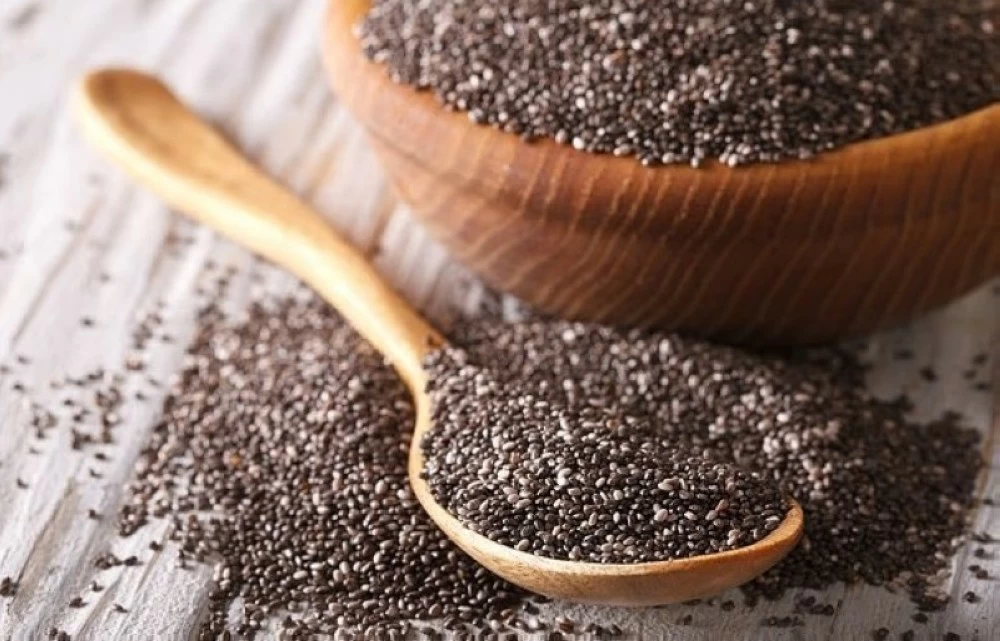
كشفت أبحاث علمية حديثة أن تناول بذور الشيا قد يلعب دوراً مهماً في حماية الدماغ والجسم من التأثيرات الضارة للأطعمة فائقة المعالجة، وهي الأطعمة التي أصبحت جزءاً أساسياً من الأنظمة الغذائية الحديثة، رغم ارتباطها بمخاطر صحية واسعة النطاق.
وتُعد الأطعمة فائقة المعالجة، الغنية بالدهون المشبعة والسكريات، من أبرز مسببات المشكلات الصحية التي تؤثر على معظم أجهزة الجسم.
ووفق تقرير سابق قادته مجلة The Lancet، يحصل الشخص العادي في المملكة المتحدة على أكثر من نصف سعراته الحرارية اليومية من هذه الأطعمة.
أضرار الأطعمة فائقة المعالجة
ولا تقتصر أضرار هذا النوع من الغذاء على الجهاز الهضمي وزيادة معدلات السمنة والسكري من النوع الثاني، بل تمتد أيضاً إلى الدماغ، إذ أظهرت الدراسات أن الأنظمة الغذائية الغنية بالدهون والسكريات قد تؤدي إلى التهابات دماغية، ما يرفع خطر التدهور المعرفي وضعف الوظائف الذهنية.
كما تؤثر هذه الأطعمة سلباً على ما يُعرف بمحور الأمعاء–الدماغ، وهو المسار المسؤول عن تنظيم الشهية، ما يؤدي إلى تعطيل إشارات الشبع وتشجيع الإفراط في تناول الطعام.
حل محتمل من الطبيعة
وبحسب صحيفة ديلي ميل، توصل علماء من البرازيل إلى أن بذور الشيا قد تمثل وسيلة طبيعية للحد من هذه الأضرار، وتتميز هذه البذور الصغيرة باحتوائها على نسب مرتفعة من أحماض أوميغا - 3 الدهنية، إضافة إلى كونها مصدراً كاملاً للبروتين، إذ توفر جميع الأحماض الأمينية الأساسية التسعة التي يحتاجها الجسم.
وسبق أن أظهرت دراسات سابقة أن حمض ألفا لينولينيك، وهو أحد أحماض أوميغا-3 المتوفر بكثرة في بذور الشيا، يساعد على تقليل الالتهابات لدى المصابين بمتلازمة الأيض، وهي مجموعة من الحالات تشمل السمنة وارتفاع ضغط الدم، وترتبط بزيادة خطر الإصابة بالسكري من النوع الثاني وأمراض القلب والسكتات الدماغية.
تفاصيل الدراسة
ولاختبار قدرة بذور الشيا على عكس الأضرار الناتجة عن الأنظمة الغذائية الغربية غير الصحية، أجرى باحثون من الجامعة الفيدرالية في فيكوسا دراسة على مجموعة من الفئران، تم خلالها تحليل تأثير دقيق الشيا وزيتها على صحة الدماغ.
وخلال الأسابيع الثمانية الأولى، خضعت غالبية الفئران لنظام غذائي مرتفع الدهون والسكر (يحاكي الأنظمة الغذائية البشرية غير الصحية)؛ بهدف إحداث تغيرات أيضية مشابهة لما يحدث لدى البشر، وفي المقابل، تناولت مجموعة ضابطة نظاماً غذائياً صحياً.
وفي المرحلة التالية التي استمرت 10 أسابيع، استمرت مجموعة في تناول النظام غير الصحي دون تعديل، بينما أضيف زيت الشيا إلى غذاء مجموعة ثانية، ودقيق الشيا إلى غذاء مجموعة ثالثة.
نتائج الدراسة
وأظهرت التحاليل وجود فروق واضحة بين تأثير زيت الشيا ودقيقها على الدماغ، فقد سجلت الفئران التي تناولت زيت الشيا نشاطاً أعلى في جينات مسؤولة عن كبح الشهية، وهي الجينات التي تنتج بروتينات مثل POMC وCART، والتي ترسل إشارات إلى الدماغ بالشبع.
في المقابل، لم يظهر هذا التأثير بوضوح لدى مجموعة دقيق الشيا، إلا أن كلا الشكلين حسّنا استجابة الدماغ لهرمون اللبتين، وهو الهرمون المسؤول عن تنظيم الجوع، وعادة ما تؤدي الأنظمة الغذائية الغنية بالدهون إلى مقاومة هذا الهرمون، ما يسبب الإفراط في تناول الطعام.
كما وجد الباحثون أن بذور الشيا ساعدت في تقليل نشاط البروتينات المحفزة للالتهاب في خلايا الدماغ، ما وفر حماية إضافية للخلايا العصبية من التلف الالتهابي.
تأثير مشابه لأدوية إنقاص الوزن؟
وأشار الباحثون إلى أن آلية تعزيز الشبع التي أظهرتها بذور الشيا تشبه، إلى حد ما، طريقة عمل أدوية إنقاص الوزن الحديثة مثل أوزيمبيك وويغوفي ومونجارو، التي تقلل الشهية عبر التأثير على مراكز الجوع في الدماغ.
ووجدت الدراسة أن دقيق الشيا تحديداً كان له تأثير وقائي أقوى، إذ تبين أن بعض المركبات الموجودة فيه ترتبط مباشرة بمستقبلات الشهية في الدماغ.
نمط غذائي صحي
ورغم هذه النتائج المشجعة، أوضح الباحثون أن الفئران التي تناولت بذور الشيا لم تفقد وزناً فعلياً، مرجحين أن السبب يعود إلى السعرات الحرارية المرتفعة جداً في النظام الغذائي المستخدم، والتي قد تكون أخفت أي تأثير واضح على الوزن، كما أشاروا إلى أن التغيرات السلوكية وفقدان الوزن قد يتطلبان فترات زمنية أطول للظهور.
وأكد الباحثون في ختام دراستهم أن إدخال دقيق أو زيت بذور الشيا ضمن نظام غذائي غني بالدهون والسكريات قد يساهم في تنظيم الشهية وتقليل الالتهابات، ما يجعلها استراتيجية واعدة للحد من الأمراض الأيضية المرتبطة بالأنظمة الغذائية غير المتوازنة، ومع ذلك، شددوا على أن بذور الشيا لا تمثل حلاً سحرياً، بل جزءاً من نمط غذائي صحي متكامل.
Recent scientific research has revealed that consuming chia seeds may play an important role in protecting the brain and body from the harmful effects of ultra-processed foods, which have become an essential part of modern diets, despite their association with widespread health risks.
Ultra-processed foods, rich in saturated fats and sugars, are among the leading causes of health problems affecting most body systems.
According to a previous report led by The Lancet, the average person in the UK obtains more than half of their daily calories from these foods.
Harms of Ultra-Processed Foods
The harms of this type of food are not limited to the digestive system and increased rates of obesity and type 2 diabetes; they also extend to the brain, as studies have shown that diets high in fats and sugars may lead to brain inflammation, raising the risk of cognitive decline and impaired mental functions.
These foods also negatively affect what is known as the gut-brain axis, which is the pathway responsible for regulating appetite, leading to disrupted satiety signals and encouraging overeating.
A Possible Natural Solution
According to the Daily Mail, scientists from Brazil have found that chia seeds may represent a natural way to mitigate these harms. These small seeds are characterized by their high content of omega-3 fatty acids, in addition to being a complete source of protein, providing all nine essential amino acids that the body needs.
Previous studies have shown that alpha-linolenic acid, one of the omega-3 fatty acids abundant in chia seeds, helps reduce inflammation in individuals with metabolic syndrome, a group of conditions that includes obesity and high blood pressure and is associated with an increased risk of type 2 diabetes, heart disease, and strokes.
Study Details
To test the ability of chia seeds to reverse the damage caused by unhealthy Western diets, researchers from the Federal University of Vicosa conducted a study on a group of rats, analyzing the effects of chia flour and oil on brain health.
During the first eight weeks, most of the rats were subjected to a high-fat and high-sugar diet (mimicking unhealthy human diets) to induce metabolic changes similar to those occurring in humans. In contrast, a control group consumed a healthy diet.
In the next phase, which lasted 10 weeks, one group continued to consume the unhealthy diet without modification, while chia oil was added to the diet of a second group, and chia flour was added to the diet of a third group.
Study Results
Analyses showed clear differences between the effects of chia oil and flour on the brain. The rats that consumed chia oil exhibited higher activity in genes responsible for suppressing appetite, which produce proteins like POMC and CART that send signals to the brain indicating satiety.
In contrast, this effect was not clearly observed in the chia flour group, although both forms improved the brain's response to leptin, the hormone responsible for regulating hunger, which is typically resisted by high-fat diets, leading to overeating.
The researchers also found that chia seeds helped reduce the activity of pro-inflammatory proteins in brain cells, providing additional protection to neurons from inflammatory damage.
A Similar Effect to Weight Loss Medications?
The researchers noted that the satiety-enhancing mechanism demonstrated by chia seeds is somewhat similar to the way modern weight loss medications like Ozempic, Wegovy, and Mounjaro work, which reduce appetite by affecting hunger centers in the brain.
The study found that chia flour, in particular, had a stronger protective effect, as some compounds within it were found to bind directly to appetite receptors in the brain.
Healthy Dietary Pattern
Despite these encouraging results, the researchers clarified that the rats consuming chia seeds did not actually lose weight, suggesting that the very high caloric content of the diet used may have masked any clear effect on weight. They also indicated that behavioral changes and weight loss may require longer periods to manifest.
The researchers concluded their study by stating that incorporating chia flour or oil into a diet rich in fats and sugars may help regulate appetite and reduce inflammation, making it a promising strategy to mitigate metabolic diseases associated with unbalanced diets. However, they emphasized that chia seeds do not represent a magic solution but rather a part of a comprehensive healthy dietary pattern.