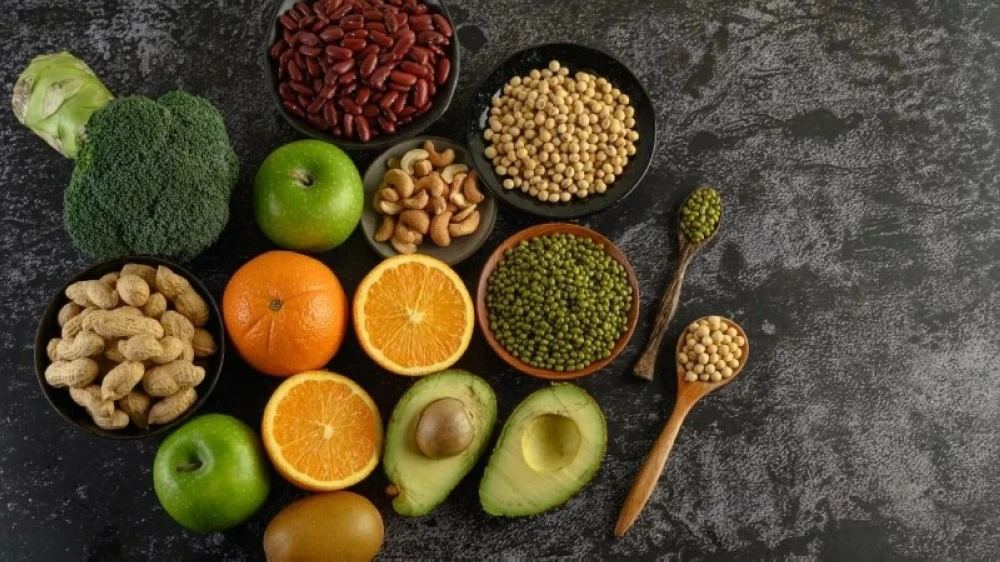
تلعب الألياف الغذائية دوراً محورياً في تعزيز صحة الأمعاء، وتحسين الهضم، والوقاية من العديد من المشكلات الصحية المزمنة. ويؤكد خبراء التغذية أن التنويع في مصادر الألياف النباتية اليومية هو الخطوة الأهم للحفاظ على جهاز هضمي صحي وجسم متوازن.
ويعرف معظم الناس أن الألياف الغذائية تلعب دوراً أساسياً في الوقاية من الإمساك وتخفيفه، لكن فوائدها لا تتوقف عند هذا الحد، فإدراج الأطعمة الغنية بالألياف في النظام الغذائي اليومي يُسهم في تحسين صحة الجهاز الهضمي، وضبط مستويات السكر في الدم، وتقليل خطر الإصابة بأمراض مزمنة خطيرة مثل أمراض القلب والأوعية الدموية.
وفي ظل تزايد الاهتمام بصحة الأمعاء، يؤكد خبراء التغذية أن الألياف تُعد عنصراً لا غنى عنه للحفاظ على توازن الجهاز الهضمي والصحة العامة.
لماذا تُعد الألياف ضرورية لصحة الأمعاء؟
بحسب صحيفة «ديلي ميل» توضح أخصائية التغذية العلاجية المتخصصة في صحة الأمعاء غارغي سارين أن الألياف تمثل الوقود الأساسي للجهاز الهضمي، قائلة: «الألياف لا تُهضم مثل باقي العناصر الغذائية، بل تمر عبر الجهاز الهضمي لتغذية البكتيريا النافعة، وتنظيم حركة الأمعاء، والحفاظ على سلامة بطانة الجهاز الهضمي».
وتشير إلى أن النظام الغذائي الغني بالألياف يساعد على: تحسين عملية الهضم، تقليل الالتهابات، الوقاية من الانتفاخ والإمساك، دعم التوازن النفسي والمزاجي.
نوعا الألياف الأساسيان
وأوضحت أن هناك نوعين أساسيين من الألياف، وهما: القابلة للذوبان، وهي التي تذوب في الماء وتغذي البكتيريا النافعة في الأمعاء، والأخرى غير القابلة للذوبان، وهي التي تزيد من حجم البراز وتُسهّل حركة الأمعاء.
15 طعاماً غنياً بالألياف لتعزيز صحة الأمعاء
1- الشوفان
يحتوي الشوفان على ألياف البيتا-غلوكان القابلة للذوبان، التي تُخفض الكوليسترول، وتحسّن ضبط سكر الدم، وتدعم نمو البكتيريا النافعة، كما تمنح شعوراً أطول بالشبع.
2- نخالة القمح
تُعد نخالة القمح مصدراً غنياً بالألياف غير القابلة للذوبان، تُعزز انتظام حركة الأمعاء وتُخفف الإمساك، وتساعد على تنظيف الجهاز الهضمي.
3- البروكلي
يعتبر البروكلي غنياً بالألياف ومركبات نباتية مثل السلفورافان، التي تقلل التهاب الأمعاء، وتدعم نمو البكتيريا الصحية.
4- التفاح (بقشره)
يحتوي التفاح على البكتين، وهو نوع من الألياف القابلة للذوبان يعمل كمغذٍ حيوي للبكتيريا النافعة، ويحسّن الهضم وقوام البراز.
5- الجزر
الجزر غني بالألياف غير القابلة للذوبان، ويدعم حركة الأمعاء، كما يحتوي على مضادات أكسدة تحافظ على صحة بطانة الأمعاء.
6- الثوم
يُعد الثوم مضاداً حيوياً طبيعياً، ويعمل كمغذٍ للبكتيريا النافعة، ويساعد على الحفاظ على توازن بيئة الأمعاء.
7- الموز (غير الناضج قليلاً)
يحتوي الموز، وتحديداً غير الناضج قليلاً، على نشا مقاوم وألياف بريبايوتك تدعم نمو البكتيريا الجيدة وتقلل الانتفاخ.
8- السبانخ
توفر السبانخ أليافاً غير قابلة للذوبان تُحسن انتظام الإخراج، ومركبات نباتية تحمي بطانة الأمعاء.
9- البطاطا الحلوة
تعتبر البطاطا الحلوة غنية بالألياف ومضادات الأكسدة، وتدعم ميكروبيوم الأمعاء، وتحافظ على حركة أمعاء منتظمة.
10- الأفوكادو
الأفوكادو مصدر ممتاز للألياف والدهون الصحية، يُعزز الهضم وامتصاص العناصر الغذائية، ويساعد في توازن البكتيريا المعوية.
11- بذور الكتان
تحتوي بذور الكتان على ألياف قابلة وغير قابلة للذوبان، وتُخفف الإمساك، وتقلل التهاب الأمعاء، وتوفر أحماض أوميغا-3.
12- اللوز
اللوز غني بالألياف والدهون الصحية والبوليفينولات، التي تعمل كمغذيات حيوية، وتدعم تنوع البكتيريا المعوية.
13- المانجو
توفر المانجو الألياف والبوليفينولات التي تُحسّن الهضم وتدعم التنوع البكتيري وتقلل التهاب الأمعاء.
14- التوت (مثل الفراولة والتوت الأزرق)
التوت غني بالألياف ومضادات الأكسدة، يدعم نمو البكتيريا النافعة ويحمي الأمعاء من الإجهاد التأكسدي.
15- الحمص
يعد الحمص مصدراً ممتازاً للألياف القابلة وغير القابلة للذوبان، يُنظم حركة الأمعاء، ويعزز الشعور بالشبع، ويساعد في استقرار سكر الدم.
Dietary fiber plays a pivotal role in enhancing gut health, improving digestion, and preventing many chronic health issues. Nutrition experts emphasize that diversifying daily sources of plant-based fiber is the most important step to maintaining a healthy digestive system and a balanced body.
Most people know that dietary fiber plays a crucial role in preventing and alleviating constipation, but its benefits do not stop there. Including fiber-rich foods in the daily diet contributes to improving digestive health, regulating blood sugar levels, and reducing the risk of serious chronic diseases such as cardiovascular diseases.
Amid the growing interest in gut health, nutrition experts confirm that fiber is an indispensable element for maintaining digestive balance and overall health.
Why is fiber essential for gut health?
According to the "Daily Mail," clinical nutritionist Gargi Sarin, who specializes in gut health, explains that fiber is the primary fuel for the digestive system, stating: "Fiber is not digested like other nutrients; it passes through the digestive system to nourish beneficial bacteria, regulate bowel movements, and maintain the integrity of the digestive lining."
She points out that a fiber-rich diet helps to: improve digestion, reduce inflammation, prevent bloating and constipation, and support psychological and mood balance.
The two main types of fiber
She explained that there are two main types of fiber: soluble fiber, which dissolves in water and nourishes beneficial bacteria in the gut, and insoluble fiber, which increases stool bulk and facilitates bowel movements.
15 Fiber-Rich Foods to Enhance Gut Health
1- Oats
Oats contain soluble beta-glucan fiber, which lowers cholesterol, improves blood sugar control, supports the growth of beneficial bacteria, and provides a longer feeling of fullness.
2- Wheat Bran
Wheat bran is a rich source of insoluble fiber, promoting regular bowel movements and alleviating constipation, while helping to cleanse the digestive system.
3- Broccoli
Broccoli is rich in fiber and plant compounds like sulforaphane, which reduce intestinal inflammation and support the growth of healthy bacteria.
4- Apples (with skin)
Apples contain pectin, a type of soluble fiber that acts as a prebiotic for beneficial bacteria, improving digestion and stool consistency.
5- Carrots
Carrots are rich in insoluble fiber, supporting bowel movements, and contain antioxidants that maintain the health of the intestinal lining.
6- Garlic
Garlic is a natural antibiotic and acts as a nutrient for beneficial bacteria, helping to maintain a balanced gut environment.
7- Bananas (slightly unripe)
Bananas, particularly slightly unripe ones, contain resistant starch and prebiotic fibers that support the growth of good bacteria and reduce bloating.
8- Spinach
Spinach provides insoluble fiber that improves regularity and plant compounds that protect the intestinal lining.
9- Sweet Potatoes
Sweet potatoes are rich in fiber and antioxidants, supporting the gut microbiome and maintaining regular bowel movements.
10- Avocado
Avocado is an excellent source of fiber and healthy fats, enhancing digestion and nutrient absorption, and helping to balance gut bacteria.
11- Flaxseeds
Flaxseeds contain both soluble and insoluble fibers, alleviating constipation, reducing intestinal inflammation, and providing omega-3 fatty acids.
12- Almonds
Almonds are rich in fiber, healthy fats, and polyphenols, which act as prebiotics and support gut bacterial diversity.
13- Mango
Mango provides fiber and polyphenols that improve digestion, support bacterial diversity, and reduce intestinal inflammation.
14- Berries (such as strawberries and blueberries)
Berries are rich in fiber and antioxidants, supporting the growth of beneficial bacteria and protecting the gut from oxidative stress.
15- Chickpeas
Chickpeas are an excellent source of both soluble and insoluble fiber, regulating bowel movements, enhancing feelings of fullness, and helping to stabilize blood sugar levels.