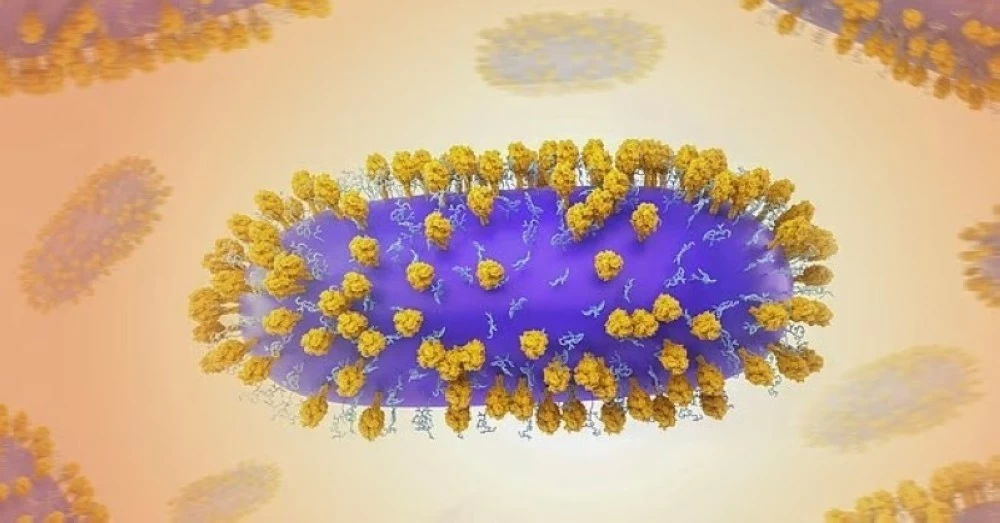
كشفت دراسة دنماركية واسعة النطاق نُشرت حديثاً أن الإصابة بفايروس الجهاز التنفسي المخلوي، الذي يُعتبر عادة «زكاماً شتوياً عادياً»، قد يرفع خطر الإصابة بأزمات قلبية أو سكتات دماغية أو فشل قلبي بنسبة تصل إلى 12% خلال السنة التالية للإصابة، خصوصاً لدى كبار السن والمصابين مسبقاً بأمراض قلبية.
فايروس RSV وأمراض القلب
وتتبع باحثون في معهد السيروم الوطني الدنماركي بكوبنهاغن أكثر من 17 ألف شخص فوق سن 45 عاماً، نصفهم أصيب بفايروس RSV والنصف الآخر لم يُصب.
وخلال عام واحد فقط، سجّل 665 شخصاً من المجموعة المصابة حدثاً قلبياً خطيراً، مقابل 257 فقط من غير المصابين.
عوامل ترفع الإصابة بفايروس RSV
وبعد استبعاد العوامل الأخرى (مثل التدخين والسكري والضغط)، تبين أن الإصابة بـRSV وحدها ترفع مخاطر المشكلات القلبية بنسبة 4.7% في المتوسط، تصل إلى 6.6% لدى من احتاجوا للعلاج في المستشفى بسبب فايروس الجهاز التنفسي المخلوي، و7.9% لدى من تراوح أعمارهم بين 85 و94 عاماً، و11.9% لدى من لديهم أصلاً أمراض قلبية أو شرايين مسدودة، و7.5% لدى مرضى السكري
وأكد الباحثون في مجلة «JAMA Network Open» أن هذه النسب «مماثلة تماماً» لما نراه بعد الإصابة بالإنفلونزا الموسمية، التي عُرف منذ زمن أنها تُجهد القلب وتُسبب التهابات قد تؤدي إلى جلطات.
RSV ليس مجرد فايروس تنفسي
وخلصوا إلى أن «RSV ليس مجرد فايروس تنفسي، بل عامل خطر قلبي وعائي مهم يجب أخذه على محمل الجد لدى البالغين».
وفي بريطانيا، يتسبب الفايروس كل شتاء في دخول نحو 18 ألف بالغ و30 ألف طفل إلى المستشفيات، ويُسهم في وفاة نحو 8,000 بالغ سنوياً، معظمهم من كبار السن، وينتشر الفايروس عبر رذاذ السعال والعطس، ويبقى حيّاً على الأسطح حتى 7 ساعات.
وفي تعليق على الدراسة، قال خبراء بريطانيون إن النتائج «مهمة جداً» وتؤكد ضرورة توسيع التطعيم ضد RSV، ويتوفر اللقاح حالياً مجاناً على هيئة الخدمات الصحية الوطنية لكل من: تجاوز 75 عاماً، الحوامل (من الأسبوع 28 حتى الولادة.
وأظهرت بيانات وكالة الأمن الصحي البريطانية أن تطعيم الأم يمنع 72% من حالات دخول الرضع إلى المستشفى بسبب RSV، بينما يصل مفعول اللقاح لدى كبار السن إلى 82% في منع الحالات الشديدة.
وختم البروفيسور بيتر أوبنشو، خبير الأمراض المعدية في إمبريال كوليدج لندن: «لقد اعتبرنا RSV لعقود تهديداً فقط للأطفال والمسنين الضعفاء جداً، لكن هذه الدراسة تثبت أنه يهدد القلب أيضاً، لمن هم فوق 75 أو الحوامل، فلا تتردد في أخذ اللقاح هذا الشتاء».
A large-scale Danish study recently published has revealed that infection with the respiratory syncytial virus, which is typically considered a "common winter cold," may increase the risk of heart attacks, strokes, or heart failure by up to 12% in the year following the infection, particularly among the elderly and those with pre-existing heart conditions.
RSV and Heart Diseases
Researchers at the Danish National Serum Institute in Copenhagen tracked over 17,000 people over the age of 45, half of whom were infected with RSV while the other half were not.
Within just one year, 665 individuals from the infected group experienced a serious cardiac event, compared to only 257 from the uninfected group.
Factors Increasing RSV Infection
After excluding other factors (such as smoking, diabetes, and hypertension), it was found that RSV infection alone raises the risk of cardiac issues by an average of 4.7%, reaching 6.6% among those who required hospitalization due to the respiratory syncytial virus, 7.9% among those aged 85 to 94, 11.9% among those with pre-existing heart disease or blocked arteries, and 7.5% among diabetic patients.
The researchers confirmed in the journal "JAMA Network Open" that these percentages are "exactly similar" to what we observe after infection with seasonal influenza, which has long been known to strain the heart and cause inflammation that can lead to clots.
RSV is Not Just a Respiratory Virus
They concluded that "RSV is not just a respiratory virus, but an important cardiovascular risk factor that should be taken seriously among adults."
In the UK, the virus causes around 18,000 adults and 30,000 children to be hospitalized each winter, contributing to the deaths of about 8,000 adults annually, most of whom are elderly. The virus spreads through cough and sneeze droplets and can survive on surfaces for up to 7 hours.
Commenting on the study, British experts stated that the results are "very important" and emphasize the need to expand vaccination against RSV, which is currently available for free through the National Health Service for those over 75 years old and pregnant women (from week 28 until birth).
Data from the UK Health Security Agency showed that vaccinating the mother prevents 72% of hospital admissions for infants due to RSV, while the vaccine's effectiveness among the elderly reaches 82% in preventing severe cases.
Professor Peter Openshaw, an infectious disease expert at Imperial College London, concluded: "For decades, we have considered RSV a threat only to children and very frail elderly individuals, but this study proves that it also threatens the heart for those over 75 or pregnant women, so do not hesitate to get vaccinated this winter."