رمضان في الذاكرة الشعبية ليس شهر الصيام والعبادة فحسب، بل هو أيضًا شهر الطقوس الاجتماعية الصغيرة التي تشكّل ملامح الحياة اليومية بعد الإفطار. وبين تلك الطقوس ظلّت بعض الألعاب تتناوب الحضور جيلًا بعد جيل؛ بعضها خفت بريقه مع الزمن، وبعضها الآخر بقي ثابتًا كأنه جزء من هوية الشهر نفسه.
ومن بين هذه الظواهر اللافتة تبرز الكرة الطائرة بوصفها اللعبة التي نجت من تبدّل الأزمنة، بينما تضاءل حضور ألعاب أخرى كانت يومًا ما رفيقة السهرات الرمضانية، مثل لعبة الكيرم التي كانت تتصدر المجالس والبيوت.
في الماضي القريب، كانت طاولة الكيرم جزءًا من المشهد الليلي في كثير من البيوت والمقاهي الشعبية، لعبة هادئة تعتمد على الدقة والصبر، وتُمارس في دائرة صغيرة من الأصدقاء. لكن الزمن، بطبيعته المتغيرة، أعاد ترتيب الأولويات الترفيهية. ومع اتساع المدن وتغير إيقاع الحياة، بدأت الألعاب الحركية تكتسب مساحة أكبر، فوجدت الكرة الطائرة نفسها في قلب المشهد الرمضاني، لا بوصفها لعبة رياضية فقط، بل كطقس اجتماعي كامل.
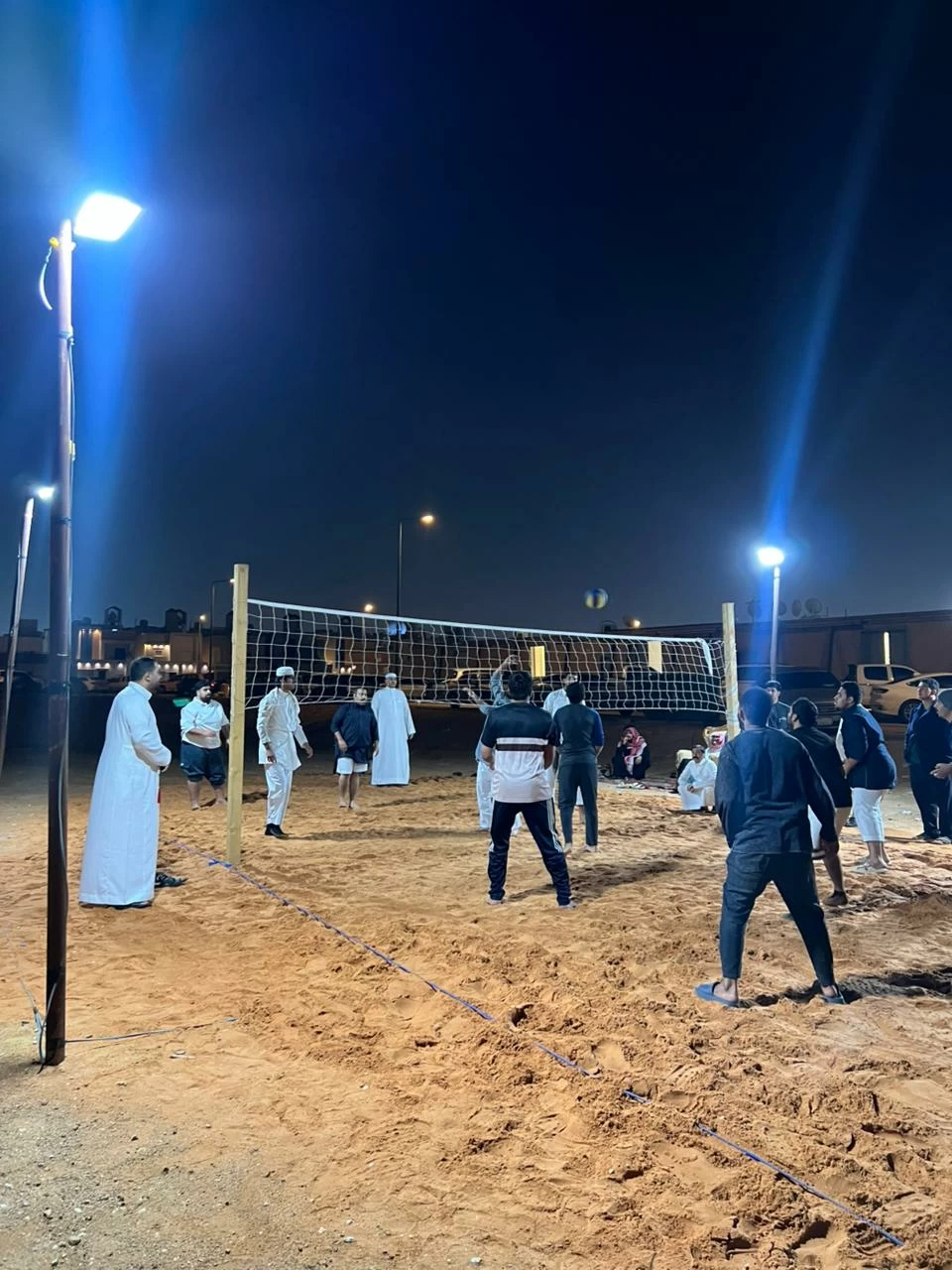
اللافت أن الكرة الطائرة في رمضان لا تُمارس كرياضة تنافسية بقدر ما تُمارس كاحتفال جماعي بالحركة واللقاء. في الأحياء والحواري، في الساحات الترابية أو الملاعب المنظمة، تتشكل فرق عفوية بمجرد أن تُشد الشبكة وتُرمى الكرة. هنا لا أحد يسأل عن العمر أو الوزن أو مستوى اللياقة. قد يقف إلى جانب اللاعب الشاب رجل في الخمسين، وقد يشارك شخص بملابس رياضية كاملة، بينما يشارك آخر بثوبه التقليدي، في مشهد يبدو أقرب إلى كرنفال شعبي صغير منه إلى مباراة رسمية.
هذه الخصوصية هي ما جعل الكرة الطائرة تحتفظ بمكانتها الرمضانية. فهي لعبة بسيطة الأدوات: كرة، شبكة، ومساحة مفتوحة، لكنها في الوقت ذاته تملك قدرة نادرة على جمع الناس. لا تحتاج إلى تجهيزات معقدة، ولا إلى مهارات احترافية، بل يكفي أن يضرب أحدهم الكرة لتبدأ سلسلة من الضحكات والنداءات والتشجيع العفوي.
ومع مرور السنوات، تحولت هذه المباريات الليلية إلى ما يشبه التظاهرة الاجتماعية التي تتكرر في مختلف المناطق. في القرى كما في المدن، في الملاعب المضيئة أو الساحات الترابية، تتكرر الصورة نفسها: تجمعات بشرية تتحلق حول شبكة، وكرات تتطاير في الهواء، وأصوات تشجيع تتداخل مع نسيم الليل الرمضاني.
ربما لهذا السبب بقيت الكرة الطائرة ثابتة في المشهد، بينما تراجع حضور ألعاب أخرى؛ فهي لا تعتمد على مهارة النخبة، ولا على شروط اللياقة الصارمة، بل على روح المشاركة. وفي رمضان تحديدًا، حيث يلتقي الناس بعد يوم طويل من الصيام، تبدو هذه اللعبة كأنها امتداد طبيعي لفكرة الشهر نفسه: لقاء، بساطة، وبهجة مشتركة.
Ramadan in popular memory is not just a month of fasting and worship, but also a month of small social rituals that shape the daily life after iftar. Among these rituals, some games have continued to appear from generation to generation; some have faded over time, while others have remained constant as if they are part of the identity of the month itself.
Among these notable phenomena, volleyball stands out as the game that has survived the changing times, while the presence of other games that were once companions of Ramadan evenings, such as the game of kirem, has diminished.
In the recent past, the kirem table was part of the nighttime scene in many homes and popular cafes, a quiet game that relies on precision and patience, played within a small circle of friends. However, time, by its changing nature, has rearranged recreational priorities. With the expansion of cities and the changing rhythm of life, kinetic games began to gain more space, and volleyball found itself at the heart of the Ramadan scene, not just as a sport but as a complete social ritual.
Interestingly, volleyball during Ramadan is not practiced as a competitive sport as much as it is celebrated as a collective festivity of movement and gathering. In neighborhoods and alleys, in dirt squares or organized courts, spontaneous teams form as soon as the net is tightened and the ball is thrown. Here, no one asks about age, weight, or fitness level. A young player might stand next to a man in his fifties, and someone in full sports attire might participate alongside another in traditional dress, in a scene that resembles a small popular carnival more than an official match.
This uniqueness is what has allowed volleyball to maintain its Ramadan status. It is a game with simple tools: a ball, a net, and an open space, yet it possesses a rare ability to bring people together. It does not require complex equipment or professional skills; it is enough for someone to hit the ball to start a series of laughter, calls, and spontaneous cheering.
Over the years, these nighttime matches have transformed into what resembles a social event that recurs in various areas. In villages as in cities, in illuminated courts or dirt squares, the same image repeats: groups of people gathering around a net, balls soaring through the air, and cheers blending with the evening breeze of Ramadan.
Perhaps this is why volleyball has remained steadfast in the scene, while the presence of other games has declined; it does not rely on elite skills or strict fitness conditions, but rather on the spirit of participation. Specifically during Ramadan, where people gather after a long day of fasting, this game seems like a natural extension of the idea of the month itself: gathering, simplicity, and shared joy.