من العادات في شهر رمضان في الحجاز قديماً أن تتزين الحارات بالأصوات قبل الزينة، وأن يسبق دفءُ الأهالي ضوء الفوانيس. فالأهازيج الرمضانية كانت عنوان الفرح، ونبض المجالس، وروح «المركاز»، الذي يجتمع فيه الرجال بعد صلاة التراويح لتبادل الأحاديث واستعادة الذكريات على وقع الدعاء والإنشاد الشعبي الرمضاني.
وحول العادات الحجازية يقول المدرب المعتمد في التطوير الشخصي والمؤسسي الدكتور سعيد عبد الغني مقليه: كانت الأهازيج تُؤدى جماعياً بإيقاع بسيط تصنعه الكفوف أو الدفوف، فتحمل في كلماتها معاني الترحيب بالشهر الكريم مثل:
مرحى مرحى يا رمضان
يا شهر رحمة وغفران
فيك الليالي نور ورضا
وفيك القلوب لها أمان
كما كانت تحمل الأهازيج رسائل إيمانية وروحية كالحث على الصيام، والدعاء بالقبول. وعند السحور، يجوب المسحراتي الأزقة والحارات مردداً عباراته المحببة مثل:
* اصحى يا نايم وحد الدايم.
* «سحورك يا صايم، قوم وحد الدايم.
* يا عباد الله وحدّوا الله.
* يا نايم الليل قوم أتسحر، قوم يا نايم قوم، قومك أحسن من نومك.
* ربي قدرنا على الصيام، وحفظ إيماننا بين القوم.
* نويت بكره إن حييت.. الشهر صايم والفجر قايم.
وكان المسحراتي يستخدم الطبلة وصوته الجهوري لإضفاء أجواء روحانية ومبهجة في ليالي رمضان.
لم تكن تلك الأهازيج والأناشيد مجرد كلمات عابرة، بل كانت ذاكرة حيّة تنقل القيم من جيل إلى جيل، وتغرس في النفوس معاني التكافل والبهجة.
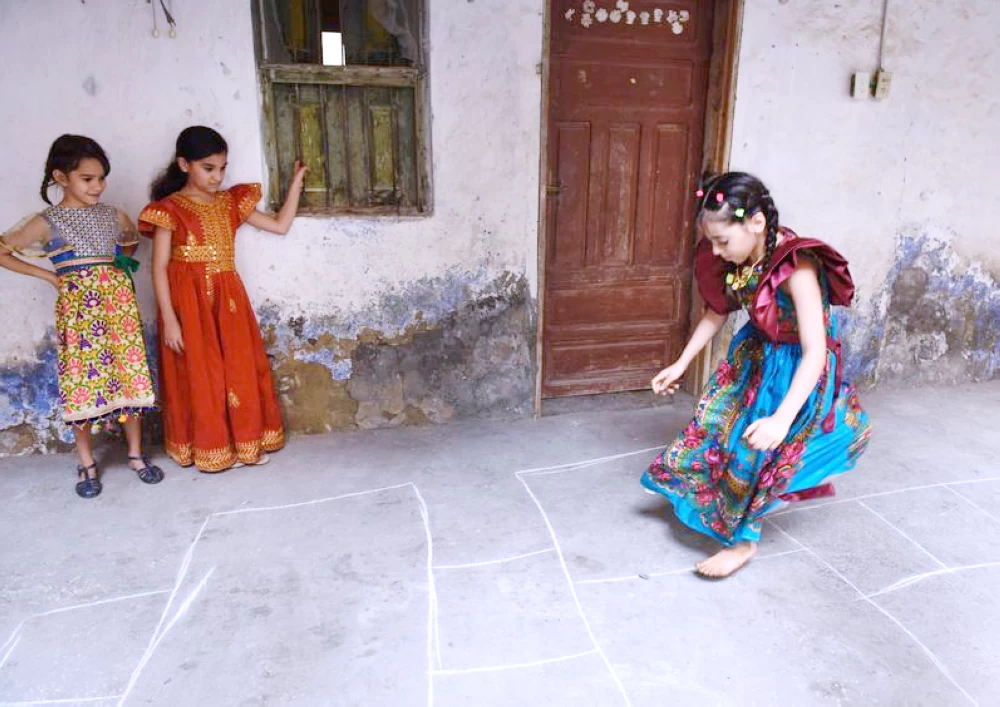
ويضيف: أما الأطفال فكان لهم نصيب وافر من الفرح بعد الإفطار وصلاة التراويح، وتمتلئ الساحات القريبة من البيوت بالألعاب الشعبية مثل الاستغماية، الكبوش، طاق طاق طاقيه، لعبة المدوان أو المزويقة، البربر، البراجون، الدومنه، الكيرم، ولعب كرة القدم، وتعلو الضحكات مع أهازيج قصيرة تُقال عند بدء اللعب أو إعلان الفائز، كانت اللعبة تمتزج بالإنشاد، فيغدو الصوت جزءاً من الحركة، ويصنع الجميع لوحةً اجتماعية نابضة بالحياة مثل:
حادي بادي يا رمضان
خلّوا اللعب في الميدان
اللي يفوز نغنّي له
واللي يخسر ما يزعل إن كان
وفي المركاز، يستمع الكبار إلى صدى تلك الضحكات في الخارج، فيبتسمون وهم يسترجعون طفولتهم. هكذا كان رمضان في الحجاز: أهازيج تُحيي الروح، وألعاب تجمع القلوب، ومجالس عامرة بالمودة؛ صورةٌ من زمنٍ بسيطٍ، لكنه غنيٌّ بالمعاني والدفء الإنساني. ومن الأهازيج التي كانت تزين مركاز الحارة:
ليلة رمضان يا سلام
جمعت كبير وصغير قدّام
ضحكة ولد وصوت أذان
تحلى الليالي في هالزمان
هذه النماذج تمثل الروح الشعبية والبساطة التي ميّزت أهازيج الحجاز قديماً، حيث كانت الكلمات عفوية، والإيقاع جماعياً، والفرحة مشتركة بين الجميع.
One of the customs in the month of Ramadan in Hijaz in the past was that the neighborhoods would be adorned with sounds before decorations, and the warmth of the locals would precede the light of the lanterns. The Ramadan chants were a symbol of joy, the pulse of gatherings, and the spirit of the "markaz," where men would gather after Taraweeh prayers to exchange conversations and reminisce, accompanied by prayers and popular Ramadan singing.
Regarding the Hijazi customs, the certified trainer in personal and institutional development, Dr. Said Abdul Ghani Maqlih, says: The chants were performed collectively with a simple rhythm created by hands or drums, carrying in their words meanings of welcoming the blessed month, such as:
Welcome, welcome, O Ramadan
O month of mercy and forgiveness
In you, the nights are filled with light and satisfaction
And in you, hearts find safety
The chants also carried spiritual and faith-based messages, encouraging fasting and praying for acceptance. At suhoor, the drummers would roam the alleys and neighborhoods, repeating their beloved phrases such as:
* Wake up, O sleeper, for the Eternal One is awake.
* "Your suhoor, O faster, rise for the Eternal One."
* O servants of God, unite in worship.
* O sleeper of the night, rise for suhoor, get up, O sleeper, your wakefulness is better than your sleep.
* O Lord, grant us the strength to fast, and preserve our faith among the people.
* I intend to fast tomorrow, if I live... the month is for fasting and the dawn is rising.
The drummer would use the drum and his loud voice to create a spiritual and joyful atmosphere during the nights of Ramadan.
These chants and songs were not just passing words; they were a living memory that transmitted values from one generation to another, instilling in souls the meanings of solidarity and joy.
He adds: As for the children, they had a significant share of joy after iftar and Taraweeh prayers, and the squares near the houses would fill with traditional games such as hide and seek, kabosh, taq taq taqiyah, the game of madwan or mazwika, barbar, barajon, domna, kirem, and playing football, with laughter rising alongside short chants said at the start of the game or when announcing the winner. The game would blend with singing, making the sound a part of the movement, creating a vibrant social scene like:
O Ramadan, lead us on
Let the games commence in the field
Whoever wins, we will sing for them
And whoever loses should not be upset
In the markaz, the elders listen to the echoes of those laughs outside, smiling as they recall their childhood. This is how Ramadan was in Hijaz: chants that revive the spirit, games that unite hearts, and gatherings filled with affection; a picture of a simple time, yet rich in meanings and human warmth. Among the chants that adorned the neighborhood markaz:
O Ramadan night, how wonderful
Gathering the young and old in front
The laughter of a child and the sound of the call to prayer
Sweetening the nights in this time
These examples represent the popular spirit and simplicity that characterized the chants of Hijaz in the past, where the words were spontaneous, the rhythm collective, and the joy shared among all.