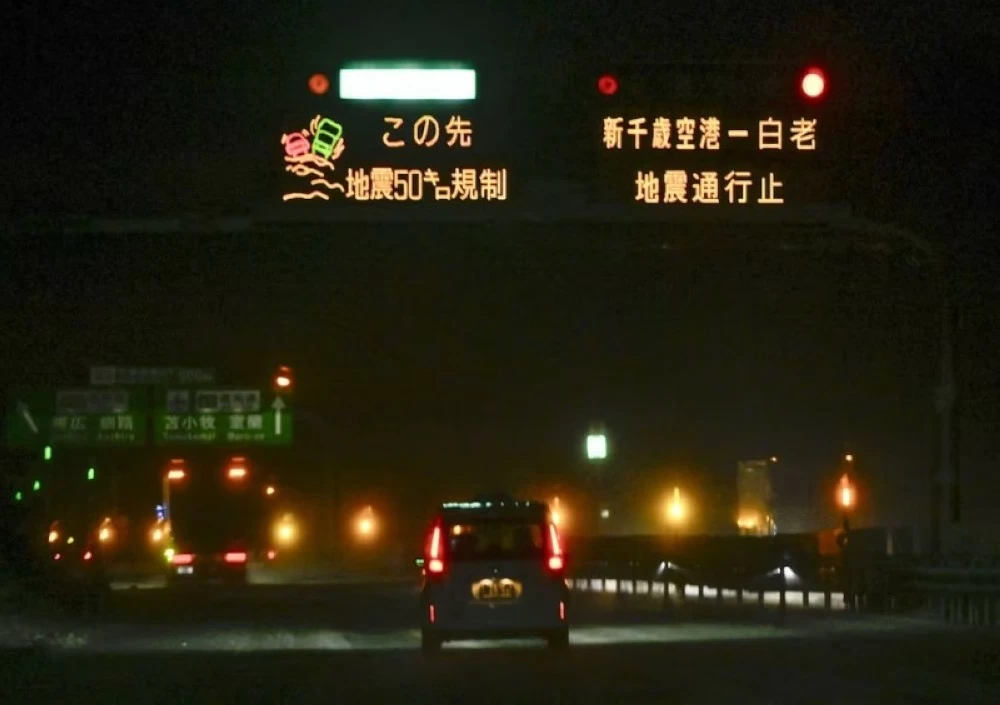
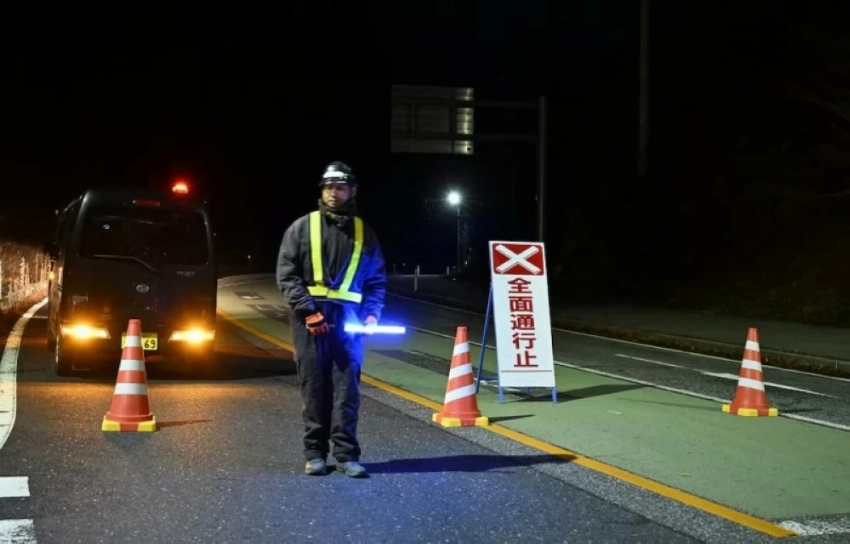
رفعت السلطات اليابانية، صباح (الثلاثاء) جميع تحذيرات التسونامي التي أُطلقت بعد ساعات من وقوع زلزال قوي بلغت قوته 7.5 درجة على مقياس ريختر هزّ شمال شرق البلاد ليل الإثنين، مما أدى إلى إصابة 30 شخصاً على الأقل وإجبار نحو 90 ألف مواطن على إخلاء منازلهم.
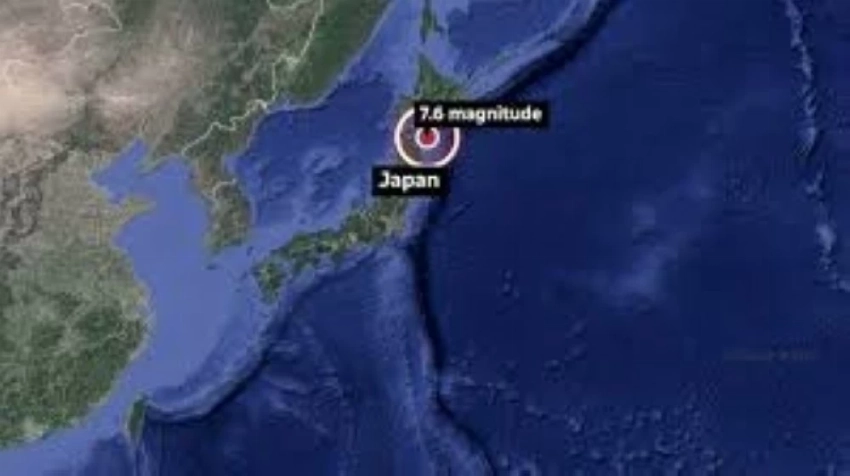
وضرب الزلزال الساحل الشمالي الشرقي لليابان عند الساعة 11:15 مساء الإثنين بالتوقيت المحلي، وبؤرته على عمق 54 كيلومتراً وعلى بُعد 80 كيلومتراً من سواحل محافظة أوموري.
تحذير من تسونامي
وحذّرت وكالة الأرصاد الجوية اليابانية من احتمال وصول تسوناميإلى ارتفاع 3 أمتار على سواحل محافظات هوكايدو وأوموري وإيواته، وتم رصد موجات تسونامي فعلية تراوح ارتفاعها بين 20 و70 سنتيمتراً في عدة موانئ.
وبحلول الساعات الأولى من صباح الثلاثاء، خفّضت الوكالة مستوى التحذير إلى «إرشاد»، ثم رفعت كافة التحذيرات والإرشادات لاحقاً، مؤكدة عدم وقوع أضرار كبيرة أو وفيات.
ووصلت شدة الزلزال في مدينة هاتشينوهي بمحافظة أوموري إلى «6 عليا» على المقياس الياباني المكون من 7 درجات، وهي درجة تجعل الوقوف من دون الزحف على الأرض شبه مستحيل.
زلزال اليابان
تعليق خطوط السكة الحديد
وقالت رئيسة الوزراء ساناي تاكايتشي للصحفيين: «تلقيت حتى الآن تقارير عن إصابة 30 شخصاً وحريق واحد فقط»، فيما علّقت شركة سكك الحديد في شرق اليابان بعض خطوطها في المنطقة، فيما تأخرت رحلات أخرى في شمال البلاد، علماً بأن المنطقة نفسها كانت قد تعرضت لزلزال مدمر بقوة 9.0 درجات في مارس 2011.
وأبقت وكالة الأرصاد على إرشاد «احتمال زلزال عملاق» لمدة أسبوع واحد يشمل منطقة واسعة من جزيرة هوكايدو شمالاً حتى محافظة تشيبا شرق طوكيو.
وقال مسؤول في الوكالة خلال مؤتمر صحفي: «لا يزال هناك احتمال لحدوث هزات أرضية أقوى خلال الأيام القليلة القادمة».
ولم يسجّل أي خلل في محطات الطاقة النووية في المنطقة التي تديرها شركتا توهوكو وهوكايدو للكهرباء، فيما عادت الكهرباء إلى آلاف المنازل التي انقطعت عنها مباشرة بعد الزلزال بحلول صباح الثلاثاء.
اليابان أكثر دول العالم تعرضاً للزلازل
وتُعدّ اليابان من أكثر دول العالم تعرضاً للزلازل، إذ تقع على «حزام النار» في المحيط الهادئ، وتسجل نحو 20% من زلازل العالم التي تزيد قوتها على 6 درجات، ولا تزال ذكرى كارثة 11 مارس 2011 - التي أسفرت عن تسونامي هائل ومقتل نحو 20 ألف شخص وكارثة فوكوشيما النووية - حاضرة بقوة، وهو ما دفع الحكومة لتفعيل نظام التحذير الأسبوعي من «الزلزال العملاق» كلما وقع زلزال كبير في المنطقة نفسها.
The Japanese authorities lifted all tsunami warnings on Tuesday morning that were issued hours after a strong earthquake measuring 7.5 on the Richter scale shook the northeast of the country on Monday night, resulting in at least 30 injuries and forcing around 90,000 citizens to evacuate their homes.
The earthquake struck the northeastern coast of Japan at 11:15 PM local time on Monday, with its epicenter at a depth of 54 kilometers and 80 kilometers from the coast of Aomori Prefecture.
Tsunami Warning
The Japan Meteorological Agency warned of the possibility of a tsunami reaching heights of 3 meters along the coasts of Hokkaido, Aomori, and Iwate Prefectures, and actual tsunami waves were observed ranging from 20 to 70 centimeters at several ports.
By the early hours of Tuesday morning, the agency downgraded the warning level to "advisory," and later lifted all warnings and advisories, confirming that there were no significant damages or fatalities.
The intensity of the earthquake in Hachinohe City, Aomori Prefecture, reached "6 Upper" on the Japanese scale of 7 degrees, a level that makes standing without crawling on the ground nearly impossible.
زلزال اليابان
Suspension of Rail Lines
Prime Minister Sanae Takachi told reporters: "I have received reports of 30 injuries and only one fire so far," while the East Japan Railway Company suspended some of its lines in the area, and other trains in the north were delayed, noting that the same region had experienced a devastating earthquake measuring 9.0 in March 2011.
The agency maintained an advisory for the "possibility of a giant earthquake" for one week, covering a wide area from Hokkaido Island in the north to Chiba Prefecture east of Tokyo.
A spokesperson for the agency stated during a press conference: "There is still a possibility of stronger aftershocks occurring in the coming days."
No issues were reported at the nuclear power plants in the area operated by Tohoku and Hokkaido Electric Power Companies, and electricity was restored to thousands of homes that lost power immediately after the earthquake by Tuesday morning.
Japan: The Most Earthquake-Prone Country in the World
Japan is considered one of the most earthquake-prone countries in the world, as it is located on the "Ring of Fire" in the Pacific Ocean, recording about 20% of the world's earthquakes that exceed a magnitude of 6. The memory of the disaster on March 11, 2011 - which resulted in a massive tsunami, the deaths of around 20,000 people, and the Fukushima nuclear disaster - remains strong, prompting the government to activate the weekly warning system for "giant earthquakes" whenever a significant earthquake occurs in the same region.