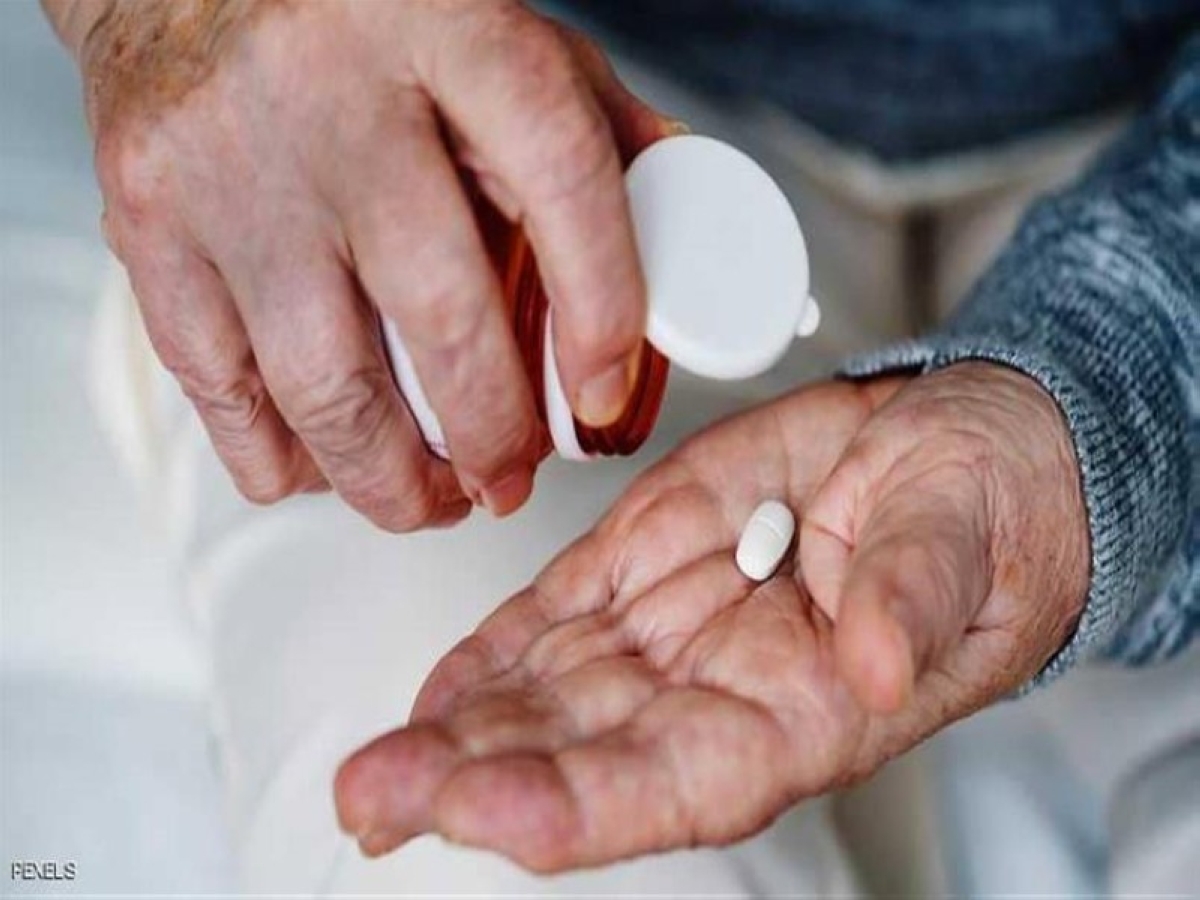
في تطور يثير القلق بين ملايين مرضى ارتفاع ضغط الدم في الولايات المتحدة، أعلنت شركة تعفا فارماسيوتيكالز الأمريكية سحب طوعي واسع النطاق لأكثر من 580 ألف عبوة من كبسولات دواء «هيدروكلوريد برازوسين» بتركيزات 1 مغم، 2 مغم، و5 مغم، بعد اكتشاف مستويات مرتفعة من شوائب نتروسامين قد تسبب السرطان.
**media«2607499»**
سحب عبوات الدواء
وأكدت إدارة الغذاء والدواء الأمريكية تصنيف السحب كـ«فئة II»، مما يعني خطر محتمل لآثار صحية مؤقتة أو قابلة للعكس، مع احتمال ضئيل لعواقب خطيرة طويلة الأمد، لكن التعرض المطول قد يزيد من مخاطر الإصابة بالسرطان.
وأعلنت تعفا سحب عبوات الدواء، وتم توزيع العبوات المعيبة على مستوى البلاد من خلال موزعين، إذ تحتوي كل عبوة على ما يصل إلى 1,000 كبسولة، معلنة أنها لم تسجل أي شكاوى صحية مرتبطة حتى الآن، لكنها أكدت في بيان رسمي: «تعفا تُعطي الأولوية لسلامة المرضى وجودة المنتجات في كل مراحل دورة حياة الدواء».
ونصحت الشركة المرضى الذين يتناولون الدواء بالاتصال بصيدلياتهم للتحقق من أرقام الدفعات المعيبة (المتوفرة على موقع FDA)، واستبدالها ببدائل متوفرة بكثرة مثل أدوية أخرى لخفض ضغط الدم.
ووفقاً لتقرير إنفاذ هيئة الدواء الأمريكية الصادر في 30 أكتوبر أظهرت الاختبارات أن الشوائب تفوقت «حدود التعرض المقبولة» وفقاً لنهج تصنيف القوة السرطانية، مما دفع إلى السحب الفوري لـ55 دفعة إنتاجية.
**media«2607500»**
ويُستخدم البرازوسين بشكل أساسي لعلاج ارتفاع ضغط الدم، وأحياناً للكوابيس المرتبطة باضطراب ما بعد الصدمة، وهو دواء شائع بين ملايين الأمريكيين الذين يعانون من الضغط المرتفع، الذي يصيب نحو 120 مليون شخص سنوياً وفقاً لمراكز السيطرة على الأمراض (CDC).
يأتي هذا السحب في سياق موجة متكررة من الإشعارات المتعلقة بنتروسامينات في أدوية الضغط، التي بدأت في 2018 مع اكتشافها في مثبطات ACE مثل لوسارتان وفالسارتان، مما أدى إلى سحب ملايين العبوات عالمياً.
وتعتبر النتروسامينات هي مركبات كيميائية تتشكل أثناء عمليات التصنيع أو التخزين، وتُصنف كمسببات محتملة للسرطان بناءً على دراسات حيوانية، إذ أظهرت زيادة خطر الإصابة بأورام الكبد والمعدة والمثانة عند التعرض المزمن.
In a development that raises concerns among millions of hypertension patients in the United States, the American company Tiva Pharmaceuticals announced a voluntary nationwide recall of more than 580,000 bottles of "Prazosin Hydrochloride" capsules in concentrations of 1 mg, 2 mg, and 5 mg, after discovering elevated levels of nitrosamine impurities that may cause cancer.
**media«2607499»**
Drug Package Recall
The U.S. Food and Drug Administration confirmed the recall classification as "Class II," which means there is a potential risk for temporary or reversible health effects, with a low likelihood of serious long-term consequences, but prolonged exposure may increase the risk of cancer.
Tiva announced the recall of the drug packages, which were distributed nationwide through wholesalers, with each bottle containing up to 1,000 capsules. The company stated that it has not recorded any health complaints related to the issue so far, but confirmed in an official statement: "Tiva prioritizes patient safety and product quality at all stages of the drug lifecycle."
The company advised patients taking the medication to contact their pharmacies to check the numbers of the affected batches (available on the FDA website) and to replace them with readily available alternatives such as other blood pressure-lowering medications.
According to a report from the U.S. Drug Enforcement Agency issued on October 30, tests showed that the impurities exceeded "acceptable exposure limits" according to the carcinogenicity classification approach, prompting the immediate recall of 55 production batches.
**media«2607500»**
Prazosin is primarily used to treat high blood pressure and sometimes for nightmares associated with post-traumatic stress disorder. It is a common medication among millions of Americans suffering from high blood pressure, which affects about 120 million people annually according to the Centers for Disease Control and Prevention (CDC).
This recall comes in the context of a recurring wave of notifications related to nitrosamines in blood pressure medications, which began in 2018 with their discovery in ACE inhibitors such as Losartan and Valsartan, leading to the recall of millions of packages globally.
Nitrosamines are chemical compounds that form during manufacturing or storage processes and are classified as potential carcinogens based on animal studies, showing an increased risk of liver, stomach, and bladder tumors with chronic exposure.