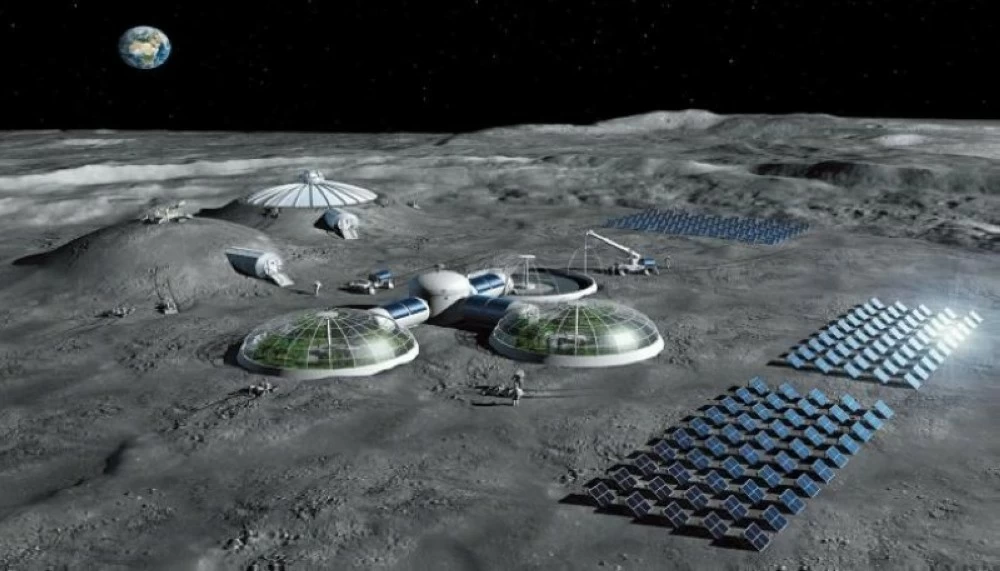
أعلن إيلون ماسك تحوّل خطة شركة «سبيس إكس» نحو بناء مدينة بشرية ذاتية النمو على سطح القمر خلال أقل من 10 سنوات، في خطوة يراها الطريق الأسرع؛ لضمان استمرار الحضارة البشرية خارج كوكب الأرض.
ويعكس التوجه الجديد قناعة متزايدة لدى رواد صناعة الفضاء بأن التوسع خارج الأرض لم يعد مجرد فكرة علمية، بل أصبح مشروعاً استراتيجياً طويل المدى يرتبط ببقاء الإنسان وتطور التكنولوجيا.
الأولوية للقمر قبل المريخ
ورغم استمرار خطط إنشاء مستعمرة بشرية على المريخ، فإن الأولوية الآن باتت للقمر بوصفه الهدف الأقرب والأكثر واقعية للبدء في بناء وجود بشري دائم خارج الأرض.
وتسعى الشركة، وفق خططها المعلنة، إلى بدء خطوات إنشاء مدينة على المريخ خلال خمس إلى سبع سنوات، إلا أن ماسك يرى أن الطريق العملي يبدأ من القمر باعتباره منصة اختبار للعيش والعمل خارج الكوكب.
منافسة دولية للعودة إلى القمر
ويأتي هذا التوجه في ظل سباق دولي متصاعد للعودة إلى القمر، وسط منافسة متزايدة بين الولايات المتحدة والصين لتعزيز حضورهما الفضائي. فلم تطأ قدم إنسان سطح القمر منذ بعثة «أبولو» عام 1972، ما يجعل أي مهمة جديدة حدثاً تاريخياً يعيد تشكيل سباق الفضاء العالمي.
وفي هذا السياق، تخطط «سبيس إكس» لتنفيذ هبوط قمري غير مأهول بحلول مارس 2027 تمهيداً لمراحل لاحقة من الاستكشاف والبناء.
تحالف الصواريخ والذكاء الاصطناعي
وجاءت تصريحات ماسك بعد صفقة كبرى دمجت بين «سبيس إكس» وشركة الذكاء الاصطناعي «إكس إيه آي»، المطورة لروبوت المحادثة «غروك»، في خطوة تهدف إلى توظيف الذكاء الاصطناعي في تطوير أنظمة الفضاء والملاحة وإدارة المهمات المستقبلية خارج الأرض.
ويُمثّل هذا التحالف توجّهاً لدمج تقنيات الصواريخ مع أنظمة الذكاء الاصطناعي في مشروع واحد يسعى لتسريع خطط الاستيطان الفضائي.
استثمارات ضخمة ورسالة واضحة
وتقترب القيمة السوقية لشركة «سبيس إكس» من تريليون دولار، فيما تُقدّر قيمة «إكس إيه آي» بنحو 250 مليار دولار، ما يعكس حجم الاستثمارات الضخمة في سباق الفضاء الجديد.
وتبقى رسالة إيلون ماسك واضحة: مستقبل البشر قد لا يظل مرتبطاً بالأرض وحدها، بل قد يبدأ فصل جديد من تاريخ الإنسانية قريباً من سطح القمر.
Elon Musk announced the shift in SpaceX's plan towards building a self-sustaining human city on the surface of the Moon within less than 10 years, in a move he sees as the fastest path to ensure the continuation of human civilization beyond Earth.
This new direction reflects an increasing conviction among space industry pioneers that expansion beyond Earth is no longer just a scientific idea, but has become a long-term strategic project linked to human survival and technological advancement.
Priority to the Moon before Mars
Despite ongoing plans to establish a human colony on Mars, the priority has now shifted to the Moon as the closest and most realistic target to begin building a permanent human presence beyond Earth.
According to its announced plans, the company aims to start steps to create a city on Mars within five to seven years, but Musk believes the practical path begins with the Moon as a testing platform for living and working off-planet.
International Competition to Return to the Moon
This direction comes amid a rising international race to return to the Moon, with increasing competition between the United States and China to enhance their space presence. No human has set foot on the Moon since the Apollo mission in 1972, making any new mission a historic event that reshapes the global space race.
In this context, SpaceX plans to execute an uncrewed lunar landing by March 2027 in preparation for later stages of exploration and construction.
Rocket and Artificial Intelligence Alliance
Musk's statements came after a major deal that merged SpaceX with the artificial intelligence company X.AI, which developed the chatbot Grok, in a move aimed at employing AI in the development of space systems, navigation, and managing future missions beyond Earth.
This alliance represents a trend to integrate rocket technologies with artificial intelligence systems in a single project aimed at accelerating plans for space colonization.
Massive Investments and a Clear Message
The market value of SpaceX is approaching one trillion dollars, while the value of X.AI is estimated at around 250 billion dollars, reflecting the scale of massive investments in the new space race.
Elon Musk's message remains clear: the future of humanity may not remain solely tied to Earth, but a new chapter in human history may soon begin near the surface of the Moon.