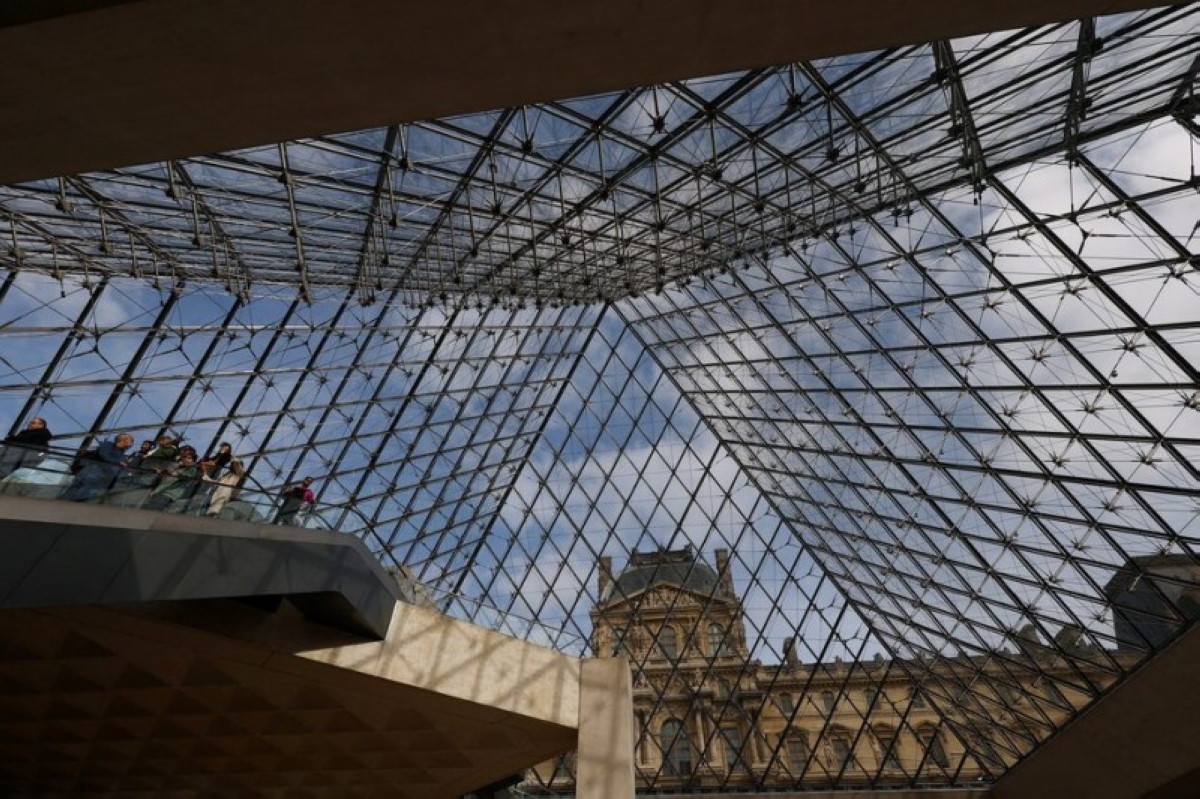
قبل أيام من تحوُّل سرقة قطع من جواهر التاج الفرنسي في متحف اللوفر إلى صدمة عالمية، خرج لص سابق عن صمته ليكشف عن تحذير أطلقه سابقاً حول نقاط ضعف أمنية في المتحف، وتحديداً صناديق عرض الجواهر.
وذكر اللص السابق أنه حذر مسؤولاً في المتحف من نقاط ضعف واضحة، بما في ذلك صناديق عرض الجواهر الموضوعة بجوار نوافذ مطلة على الشارع وكان «من السهل جداً» مهاجمتها.
ونقلت وكالة «أسوشيتد برس» عن ديفيد ديكلوس، الذي كان محترفاً يعرف كيف يجعل أجهزة الإنذار صامتة، قوله إنه أشار إلى نوافذ الرواق وصناديق العرض القريبة قبل سنوات، بعد أن دعاه متحف اللوفر إلى رواق أبولو لتقييم الوضع من أجل «بودكاست» داخلي للمتحف عام 2020 حول سرقة تاريخية حدثت في 1792.
وقال إنه أخبر مسؤولاً كبيراً مشاركاً في إنتاج «بودكاست» اللوفر - وليس مدير المتحف - بمكمن الخطر: «هل رأيتم تلك النوافذ؟ إنها سهلة جداً. يمكنكم تخيل أي شيء، أشخاص متنكرون يتسللون عبر النوافذ».
بعد ذلك جاءت السرقة، وتقول السلطات إن لصين يرتديان سترات عالية الوضوح حطما نافذة رواق أبولو واستخدما أدوات كهربائية لقطع صناديق العرض المفتوحة.
واختفت ثمان من قطع جواهر التاج، قُدرت قيمتها في بعض التقارير بأكثر من 100 مليون دولار، في دقائق.
وعُثر على قطعة تاسعة (تاج الإمبراطورة أوجيني المرصع بالماس) على الأرض خارج المتحف متضررة لكن يمكن إنقاذها، وتم القبض على اثنين من المشتبه بهم، ولا يزال آخرون طلقاء.
وأضاف ديكلوس: «بالضبط ما كنت قد توقعته. لقد أتوا من النوافذ.. أتوا، أخذوا، وغادروا»، مضيفاً أن التوقيت كان جزءاً من الخدعة: «افعلها في وضح النهار، في وقت الافتتاح، هذا يعطل الطبقة الأولى من الإنذار.. أنت تعلم أن لديك من خمس إلى سبع دقائق قبل وصول الشرطة».
وتابع أن عملية «التحطيم والهرب» عبارة عن تصميم حركات، وتدريب مسبق، وساعة توقيت، وذاكرة عضلية.
واستطرد ديكلوس بأن صناديق العرض القديمة كانت مصممة بحيث يمكن للكنوز -في حال تعرضها للهجوم- أن تسقط في مكان آمن، بينما الصناديق الجديدة التي تفتقر إلى هذه الميزة تركت القطع عرضة للخطر.
كما قال: «من غير المفهوم أنهم غيروا صناديق العرض ليتركوا الجواهر في متناول اليد. أنتم تجعلون الأمر أسهل على اللصوص».
ودافع متحف اللوفر ضد مثل هذا النقد قائلاً إن صناديق العرض الأحدث أكثر أماناً وتلبي المعايير الحديثة.
وأضاف ديكلوس أنه أثار هذه المخاوف مع مسؤول اللوفر بعد تسجيل «البودكاست» وتجنب تحديد نقاط الضعف على الهواء.
وأكد: «لم أستطع أن أقول في البودكاست: اذهبوا واسرقوا، كان من شأن ذلك أن يعطي الفكرة للكثيرين غيرهم».
Days before the theft of pieces from the French crown jewels at the Louvre Museum turned into a global shock, a former thief broke his silence to reveal a warning he had previously issued about security vulnerabilities in the museum, specifically the display cases for the jewels.
The former thief mentioned that he had warned a museum official about obvious weaknesses, including the jewel display cases placed next to windows overlooking the street, which were "very easy" to attack.
The Associated Press reported that David DeCloss, a professional who knew how to silence alarm systems, stated that he pointed out the windows of the Apollo gallery and the nearby display cases years ago, after being invited by the Louvre Museum to the Apollo gallery to assess the situation for an internal "podcast" in 2020 about a historical theft that occurred in 1792.
He said he informed a senior official involved in producing the Louvre podcast - not the museum director - about the danger: "Did you see those windows? They are very easy. You can imagine anything, disguised people sneaking through the windows."
Then came the theft, and authorities say that two thieves wearing high-visibility jackets smashed a window in the Apollo gallery and used power tools to cut open the display cases.
Eight pieces of the crown jewels, valued in some reports at over $100 million, disappeared in minutes.
A ninth piece (the diamond-studded crown of Empress Eugénie) was found on the ground outside the museum, damaged but salvageable, and two suspects were arrested, while others remain at large.
DeCloss added: "Exactly what I had expected. They came from the windows... they came, took, and left," adding that the timing was part of the trick: "Do it in broad daylight, at opening time, that disrupts the first layer of the alarm... you know you have five to seven minutes before the police arrive."
He continued that the "smash and grab" operation involves designing movements, prior training, timing, and muscle memory.
DeCloss elaborated that the old display cases were designed so that treasures - in the event of an attack - could fall into a safe place, while the new cases, lacking this feature, left the pieces vulnerable.
He also said: "It is incomprehensible that they changed the display cases to leave the jewels within reach. You are making it easier for thieves."
The Louvre Museum defended against such criticism, stating that the newer display cases are more secure and meet modern standards.
DeCloss added that he raised these concerns with a Louvre official after recording the podcast and avoided pointing out vulnerabilities on air.
He confirmed: "I couldn't say in the podcast: go steal, that would give the idea to many others."