ثمَّن رئيس مجلس القضاء الأعلى في اليمن القاضي محسن يحيى طالب الدعم التاريخي السعودي لبلاده الذي تجاوز الإغاثة الإنسانية ليصل إلى دعم استقرار ميزان العدالة عبر تعزيز موازنات السلطة القضائية ونفقاتها التشغيلية.
وأكد طالب أن هذا الدعم خطوة نوعية ستُحدث تحولاً إيجابياً في خدمة العدالة للمواطن اليمني، معتبراً أن القضاء هو حصن الدولة الأخير في مواجهة الفوضى والاستقطاب.
وشدد طالب على استقلالية القضاء، ومكافحة الفساد داخل أروقة المحاكم، مبيناً أن مؤشرات الإنجاز الرقمي تعكس تعافي هذا القطاع الحيوي.
وأعرب رئيس مجلس القضاء الأعلى عن شكره للمملكة العربية السعودية قيادة وحكومة وشعباً على مواقفها الأخوية، ولصحيفة «عكاظ» على اهتمامها بنقل الصورة المهنية الحقيقية لجهود السلطة القضائية اليمنية.. وإلى تفاصيل الحوار:
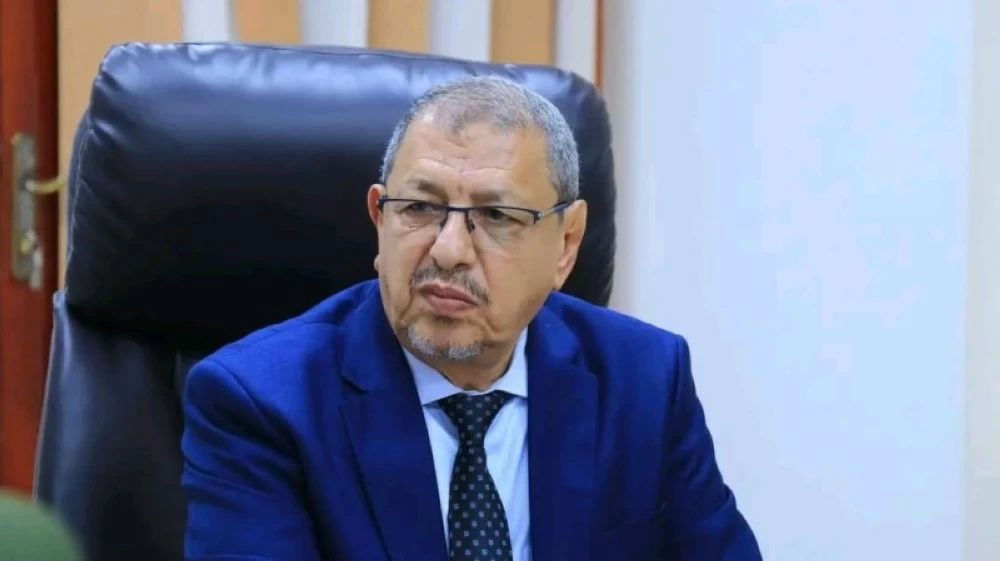
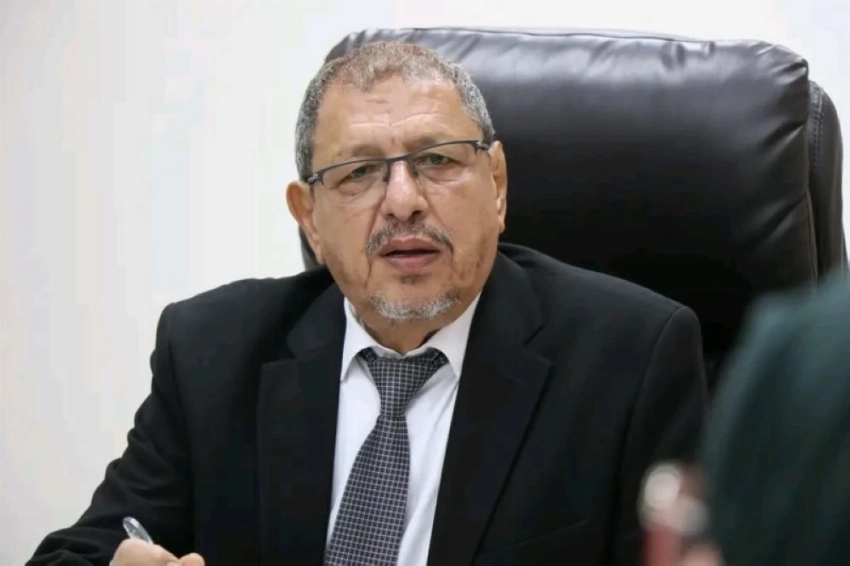
طالب.
حصن الدولة وسيادة القانون
• كيف ترون دور السلطة القضائية في ترسيخ الاستقرار وتعزيز سيادة القانون في اليمن خلال المرحلة الراهنة؟
•• تمثل السلطة القضائية اليوم إحدى ركائز الاستقرار في المحافظات المحررة، كونها الضامن لهيبة الدولة وسيادة القانون، والحصن الذي يحول دون تغوّل الفوضى أو منطق القوة، في هذه المرحلة الدقيقة، التي يتجاوز فيها القضاء دور الفصل في الخصومات إلى حماية السلم الأهلي والمجتمعي، وتحصين الحقوق، وضبط العلاقة بين المواطن والمؤسسات عبر إجراءات عادلة وشفافة، وحضور وفعالية القضاء، ينعكس مباشرة على الأمن والسلم وثقة المجتمع.
خطوات عملية لحماية الحقوق
• ما هي أبرز الخطوات التي اتخذتها السلطة القضائية لضمان حماية الحقوق وصون الحريات العامة؟
•• منذ إعادة تشكيل مجلس القضاء الأعلى في أغسطس 2022 اتخذنا خطوات أسهمت في حماية الحقوق، منها إنشاء مجلس المحاسبة وتفعيل الرقابة القضائية على الإجراءات، والتشديد على الضمانات القانونية أثناء التقاضي، وتطوير آليات التفتيش القضائي والمتابعة الإدارية، وإجراء تفتيش قضائي شامل في العاصمة المؤقتة عدن بعد توقف هذه الإجراءات منذ 2011، إضافة إلى النزول المفاجئ لعدد من المحافظات، وتعزيز دور النيابة العامة في حماية الحق العام، والتوسع في توحيد النماذج الإجرائية، وتقليل التعقيد، وتسريع إجراءات التقاضي حسب الإمكان، وتلقي شكاوى المواطنين، وتسهيل الوصول دون عوائق.
تحسن تدريجي رغم التحديات
• كيف تقيمون مستوى سير العمل في المحاكم والنيابات خلال الفترة الحالية؟
•• رغم التحديات الاستثنائية التي فرضتها الحرب والظروف الاقتصادية إلا أن سير العمل في المحاكم والنيابات يشهد تحسناً تدريجياً في المحافظات المحررة، من حيث انتظام الجلسات، واستمرار الإجراءات، وتفعيل بعض الدوائر المتخصصة وفق الإمكانيات المتاحة؛ والهدف ليس تشغيلاً شكلياً فقط، بل عمل مؤسسي يحقق العدالة الناجزة ويعالج تراكمات السنوات الماضية.
مؤشرات إيجابية على الأرض
• هل هناك مؤشرات كمية أو نوعية على تحسن الأداء القضائي في البت بالقضايا؟
•• نعم، تظهر مؤشرات نوعية مهمة، أبرزها: انتظام أكثر في عقد الجلسات، وتحسن مستوى توثيق الإجراءات، وارتفاع مستوى إنجاز القضايا. وتوجد مؤشرات كمية تتعلق بمعدلات الإنجاز في المحكمة العليا وبعض المحاكم مقارنة بفترات سابقة. فعلى المستوى الإداري، عقد المجلس خلال العام المنصرم 2025م 14 جلسة نتج عنها 85 قراراً، تنوعت بين تعيين وندب ونقل وتكليف وإحالة لمجلس المحاسبة ورفع حصانة وإنشاء نيابات متخصصة وحركة تنقلات قضائية. وتلقت هيئة التفتيش القضائي 810 شكاوى، تم فحصها ودراستها وإحالة أغلبها لقطاعات الهيئة بحسب الاختصاص.
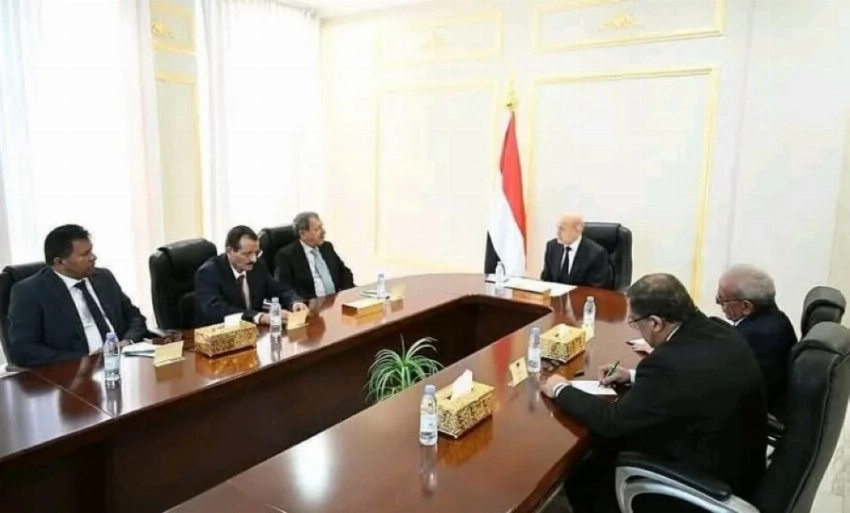
محسن طالب مع رئيس مجلس القيادة الرئاسي.
إنجازات ملموسة في ملف التراكمات
• ما أبرز الإنجازات التي حققتها السلطة القضائية في الفصل في القضايا المتراكمة خلال السنوات الماضية؟
•• حققت السلطة القضائية خلال السنوات الثلاث الماضية مستوى متقدماً في إنجاز كثير من القضايا المتراكمة، ومن أبرز الإنجازات: تحريك ملفات متراكمة عبر تخصيص جلسات مكثفة ودوائر للنظر في القضايا الأقدم. وتفعيل العمل في بعض محاكم الاستئناف ودوائرها بما يخفف الضغط عن المحاكم الابتدائية؛ وإنشاء محاكم ونيابات متخصصة وعسكرية في عدد من المحافظات المحررة، وتحسين التنسيق بين المحاكم والنيابات والجهات ذات العلاقة لسرعة إجراءات التقاضي، ورفع مستوى الانضباط الإداري داخل مرافق العدالة.
الأرقام تتحدث.. نسب إنجاز قياسية
• هل هناك أرقام أو نسب توضح حجم القضايا التي تم البت فيها مقارنة بالقضايا العالقة؟
•• نعم، الإحصاءات للعام المنصرم كالآتي:
· المحكمة العليا: واردة (2152) قضية، صدر فيها (1030) حكماً، المتبقي (1122).
· محاكم الاستئناف: إجمالي القضايا (83951)، تم الانتهاء من (44629) قضية، المتبقي (39322).
· النيابة العامة (مكتب النائب العام): تلقى 519 قضية و(1183) تظلماً، تم إنجازها بالكامل.
· النيابة العامة (المحافظات): قضايا محالة (26899)، تم التصرف في (23115) بنسبة إنجاز (85%).
· النيابات العسكرية: قضايا محالة (543)، تم إنجازها بنسبة (99.5%).
خطة إستراتيجية لمواجهة التراكم
• ما هي الخطط لتسريع الفصل في القضايا وتقليل التراكم القضائي؟
•• ترتكز الخطة على محاور عملية، منها: جلسات مكثفة للقضايا المتراكمة وفق قوائم أولوية (الأقدم فالأحدث). وإعادة توزيع الدوائر والقضاة بحسب الضغط على المحاكم، حيث أجرينا حركة تنقلات قضائية في أغلب المحافظات المحررة، وتقليل التأجيلات في الجلسات عبر ضبط أسبابها، ونسعى للتوسع في التقاضي الإلكتروني وتبسيط الإجراءات والأرشفة، كما نسعى مع إخواننا في المملكة العربية السعودية لرفع كفاءة الكادر عبر التدريب، خصوصاً في إدارة الدعوى، وصياغة الأحكام، واستخدام الأنظمة.
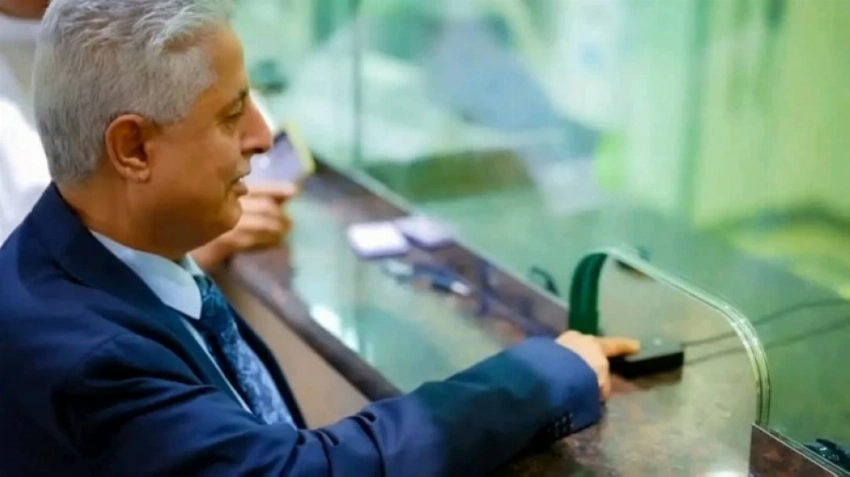
يتسلمون مرتباتهم.
الدعم السعودي.. رسالة ثقة تاريخية
• ما أوجه الدعم الذي قدمته المملكة العربية السعودية لتطوير القضاء في اليمن؟
•• الدعم الذي قدمته المملكة العربية السعودية لتعزيز مرتبات منتسبي السلطة القضائية واعتماد نفقات تشغيلية للمحاكم والنيابات جاء في إطار مساندة استقرار مؤسسات الدولة وأهمها القضاء، وتخفيف الأعباء المعيشية، ويعزز استقرار الكادر، إلى جانب إسناد الجهود الرامية لتطوير البيئة المؤسسية لقطاع العدالة.
هذا الدعم يُنظر إليه كرسالة تقدير لدور القضاء وضرورة تمكينه ليواصل أداء واجبه على أكمل وجه.
انعكاسات الدعم على حياة المواطن
• كيف ينعكس هذا الدعم على تحسين أداء القضاء وخدمة المواطن اليمني؟
•• حين يستقر القاضي والموظف إدارياً ومعيشياً تتحسن القدرة على الالتزام والانتظام، وتزداد كفاءة الإنجاز، وتقل فرص التسرب الوظيفي أو التعثر. والأهم أن المواطن اليمني يلمس ذلك في صورة جلسات أكثر انتظاماً، معاملة أسرع، أحكام أكثر انضباطاً، وخدمة قضائية أكثر استقراراً. كما يسهم الدعم في رفع الروح المعنوية وتعزيز الثقة بأن الدولة وشركاءها يقفون خلف مؤسسة العدالة.
إعادة بناء صرح العدالة
• ما الخطط الحالية لتطوير البنية التحتية للمحاكم والنيابات بما يسهل وصول المواطنين إلى العدالة؟
•• أجرينا تقييماً لاحتياجات البنية التحتية وفق أولويات واقعية، وقدمنا تصوراً لإخواننا في المملكة العربية السعودية يتمثل في إنشاء مبانٍ خاصة لمجلس القضاء الأعلى والمحكمة العليا، كما قمنا بصيانة مقرات المحاكم والنيابات وتجهيز قاعات جلسات ملائمة وتزويدها بالطاقة الشمسية والأثاث حسب الإمكانات، والعمل على تحسين بيئة استقبال الجمهور والأرشفة الإلكترونية.
التكنولوجيا في خدمة العدالة
• هل هناك توجه لتوسيع استخدام التكنولوجيا القضائية مثل الأرشفة الإلكترونية أو المحاكم الرقمية؟
•• بدأت السلطة القضائية برنامجاً لمكننة العمل القضائي في مراحل التقاضي الابتدائية والاستئنافية والعليا، إدراكاً لأهمية التكنولوجيا الرقمية في تسهيل وتسريع إجراءات التقاضي، وهو لا يزال في مراحله الأولى ويحتاج إلى إنفاق وموارد كبيرة نسعى لتوفيرها.
الاستقلالية.. خط أحمر لا يقبل المساس
• ما أبرز التحديات التي تواجه السلطة القضائية حالياً في ما يتعلق بالاستقلالية والشفافية؟
•• النصوص الدستورية والقانونية تؤكد بوضوح أن القضاء مستقل مالياً وإدارياً وقضائياً، ولا يجوز التدخل في عمله من أي جهة، ويعتبر التدخل جريمة يُعاقب عليها القانون. ويحظر القانون على القاضي الانتماء لأي حزب سياسي، ويتعهد القاضي بداية التحاقه في معهد القضاء بعدم الانتماء لأي تنظيم سياسي أو حزبي، ويتعرض للمساءلة حال اكتشاف أي نشاط سياسي.
مواجهة الضغوط بالحياد والنزاهة
• كيف تعملون على مواجهة الضغوط السياسية التي قد تؤثر على استقلال القضاء؟
•• تلعب المهنية القضائية التي قوامها الحياد والنزاهة دوراً كبيراً في مواجهة أي ضغوط، فالقاضي تنحصر وظيفته في تطبيق النصوص القانونية على الوقائع المنظورة أمامه، وقد عمل المجلس على النأي بالجهاز القضائي عن الاستقطاب السياسي الذي تعرضت له البلاد، بتغليب المهنية على ما عداها من اعتبارات.
محاربة الفساد.. لا حصانة للمخالف
• كيف يتم التعامل مع قضايا الفساد داخل المؤسسات القضائية؟
•• يخضع القضاة لإجراءات التفتيش القضائي، ويتم التحقيق في الشكاوى المقدمة ضدهم، واتخاذ إجراءات عقابية تشمل رفع الحصانة والإحالة إلى المحاكم أو المحاسبة وتوقيع عقوبات العزل وغيرها عند ثبوت المخالفة، وقد تم عزل عدد من القضاة خلال هذا العام والأعوام السابقة.
العدل أساس تعزيز الثقة
• ما الدور الذي يلعبه القضاء في تعزيز الثقة بين المواطن والدولة؟
•• يُقال العدل أساس الحكم، وإنتاج القضاء لأحكام عادلة يعزز ثقة المواطن بالدولة وسلطاتها، ونعمل على أن تصدر المحاكم أحكاماً عادلة من خلال توفير متطلبات العمل القضائي البشرية والمادية.
آمال في شراكة تدريبية مع السعودية
• هل توجد برامج تدريبية أو مبادرات لتبادل الخبرات بين القضاة اليمنيين ونظرائهم في المملكة العربية السعودية؟
•• حالياً لا توجد برامج تدريب مشتركة بين قضاة البلدين الشقيقين، ونأمل أن يتم في المستقبل تبادل الخبرات والتجارب القضائية، وأن يصل التنسيق بين مجلسنا ومجلس القضاء في المملكة إلى أفضل مستوياته.
تعزيز التعاون لمكافحة الجريمة المنظمة
• ما الآليات الممكنة لتعزيز التعاون القضائي بين اليمن والمملكة العربية السعودية في مجالات مثل مكافحة الإرهاب وغسل الأموال؟
•• نرى أن تفعيل الاتفاقيات المتعلقة بمكافحة الإرهاب وغسل الأموال بين البلدين والتعاون القضائي أمر على قدر كبير من الأهمية، وتلعب وزارتا العدل في البلدين دوراً في ذلك، ونواجه مثل هذه الجرائم بقضاء متخصص لزيادة الفاعلية والسرعة، ونحن على استعداد لزيادة تطوير التعاون مع أشقائنا في المملكة بشأن ذلك.
نحو اتفاقيات قضائية مشتركة
• هل هناك خطط لتوقيع اتفاقيات أو بروتوكولات مشتركة في هذا المجال؟
•• يتطلب توقيع الاتفاقيات تبادل الزيارات والاجتماعات مع نظرائنا، وتحديد المواضيع التي تحتاج إلى مثل هذه الاتفاقيات، حتى تعالج مشكلات قائمة تستدعي التنسيق المشترك بين جهازي القضاء في البلدين.
The President of the Supreme Judicial Council in Yemen, Judge Mohsen Yahya, valued the historic Saudi support for his country, which has gone beyond humanitarian aid to support the stability of the balance of justice by enhancing the budgets and operational expenses of the judiciary.
Judge Yahya confirmed that this support is a qualitative step that will bring about a positive transformation in serving justice for the Yemeni citizen, considering that the judiciary is the last fortress of the state in facing chaos and polarization.
He emphasized the independence of the judiciary and the fight against corruption within the courts, indicating that indicators of digital achievement reflect the recovery of this vital sector.
The President of the Supreme Judicial Council expressed his gratitude to the Kingdom of Saudi Arabia, its leadership, government, and people for their fraternal positions, and to the newspaper "Okaz" for its interest in conveying the true professional image of the efforts of the Yemeni judiciary... and here are the details of the dialogue:
طالب.
The Fortress of the State and the Rule of Law
• How do you see the role of the judiciary in consolidating stability and enhancing the rule of law in Yemen during the current phase?
•• The judiciary today represents one of the pillars of stability in the liberated provinces, as it guarantees the authority of the state and the rule of law, and serves as a fortress that prevents the encroachment of chaos or the logic of force. In this critical phase, the judiciary's role extends beyond resolving disputes to protecting civil and societal peace, fortifying rights, and regulating the relationship between citizens and institutions through fair and transparent procedures. The presence and effectiveness of the judiciary directly reflect on security, peace, and community trust.
Practical Steps to Protect Rights
• What are the most prominent steps taken by the judiciary to ensure the protection of rights and the preservation of public freedoms?
•• Since the reformation of the Supreme Judicial Council in August 2022, we have taken steps that contributed to the protection of rights, including the establishment of an Accountability Council, activating judicial oversight on procedures, emphasizing legal guarantees during litigation, developing mechanisms for judicial inspection and administrative follow-up, and conducting a comprehensive judicial inspection in the temporary capital, Aden, after these procedures had been halted since 2011. Additionally, we have made surprise visits to several provinces, enhanced the role of the Public Prosecution in protecting public rights, expanded the unification of procedural models, reduced complexity, expedited litigation procedures as much as possible, received citizens' complaints, and facilitated access without obstacles.
Gradual Improvement Despite Challenges
• How do you assess the level of work in the courts and prosecutions during the current period?
•• Despite the exceptional challenges imposed by the war and economic conditions, the work in the courts and prosecutions is witnessing gradual improvement in the liberated provinces, in terms of the regularity of sessions, the continuity of procedures, and the activation of some specialized departments according to available capabilities. The goal is not merely formal operation but institutional work that achieves swift justice and addresses the accumulations of past years.
Positive Indicators on the Ground
• Are there quantitative or qualitative indicators of improvement in judicial performance in adjudicating cases?
•• Yes, important qualitative indicators are emerging, the most notable of which are: more regularity in holding sessions, improved documentation of procedures, and increased case resolution rates. There are quantitative indicators related to achievement rates in the Supreme Court and some courts compared to previous periods. At the administrative level, the council held 14 sessions last year, resulting in 85 decisions, varying between appointments, assignments, transfers, assignments to the Accountability Council, lifting immunity, establishing specialized prosecutions, and judicial transfers. The Judicial Inspection Authority received 810 complaints, which were examined, studied, and most referred to the relevant sectors of the authority.
محسن طالب مع رئيس مجلس القيادة الرئاسي.
Tangible Achievements in Addressing Accumulations
• What are the most notable achievements of the judiciary in resolving accumulated cases over the past years?
•• Over the past three years, the judiciary has achieved significant progress in resolving many accumulated cases, with notable achievements including the activation of accumulated files through the allocation of intensive sessions and departments to address older cases. The work in some appellate courts and their departments has been activated to alleviate pressure on primary courts; specialized and military courts have been established in several liberated provinces, and coordination between courts, prosecutions, and relevant entities has been improved to expedite litigation procedures and raise the level of administrative discipline within justice facilities.
Numbers Speak... Record Achievement Rates
• Are there numbers or rates that clarify the volume of cases that have been adjudicated compared to pending cases?
•• Yes, the statistics for the past year are as follows:
· Public Prosecution (Office of the Attorney General): Received 519 cases and (1183) grievances, all of which were fully resolved.
· Public Prosecution (provinces): Referred cases (26899), (23115) cases processed with a resolution rate of (85%).
· Military Prosecutions: Referred cases (543), resolved at a rate of (99.5%).
Strategic Plan to Address Accumulations
• What are the plans to expedite case resolution and reduce judicial accumulations?
•• The plan is based on practical axes, including: intensive sessions for accumulated cases according to priority lists (oldest to newest). The redistribution of departments and judges according to the pressure on the courts has been carried out, as we conducted judicial transfers in most liberated provinces, reduced postponements in sessions by controlling their causes, and we seek to expand electronic litigation and simplify procedures and archiving. We also aim, along with our brothers in the Kingdom of Saudi Arabia, to enhance the efficiency of the staff through training, especially in case management, drafting rulings, and using systems.
يتسلمون مرتباتهم.
Saudi Support... A Historic Message of Confidence
• What forms of support has the Kingdom of Saudi Arabia provided to develop the judiciary in Yemen?
•• The support provided by the Kingdom of Saudi Arabia to enhance the salaries of judiciary personnel and approve operational expenses for courts and prosecutions came as part of supporting the stability of state institutions, most importantly the judiciary, and alleviating living burdens, which enhances the stability of the staff, in addition to supporting efforts aimed at developing the institutional environment for the justice sector.
This support is viewed as a message of appreciation for the role of the judiciary and the necessity of empowering it to continue performing its duties to the fullest.
Impact of Support on Citizens' Lives
• How does this support reflect on improving judicial performance and serving the Yemeni citizen?
•• When the judge and administrative staff are stable both administratively and financially, their ability to commit and maintain regularity improves, and efficiency in achievement increases, while the chances of job turnover or setbacks decrease. Most importantly, the Yemeni citizen feels this in the form of more regular sessions, faster processing, more disciplined rulings, and a more stable judicial service. The support also contributes to boosting morale and enhancing confidence that the state and its partners stand behind the justice institution.
Rebuilding the Justice Edifice
• What are the current plans to develop the infrastructure of courts and prosecutions to facilitate citizens' access to justice?
•• We have conducted an assessment of infrastructure needs based on realistic priorities and presented a proposal to our brothers in the Kingdom of Saudi Arabia, which includes the establishment of dedicated buildings for the Supreme Judicial Council and the Supreme Court. We have also maintained the premises of courts and prosecutions, equipped suitable session halls with solar energy and furniture according to available resources, and worked on improving the public reception environment and electronic archiving.
Technology in the Service of Justice
• Is there a trend to expand the use of judicial technology such as electronic archiving or digital courts?
•• The judiciary has initiated a program to automate judicial work in the stages of primary, appellate, and supreme litigation, recognizing the importance of digital technology in facilitating and expediting litigation procedures. This program is still in its early stages and requires significant spending and resources that we are working to secure.
Independence... A Red Line That Cannot Be Crossed
• What are the main challenges currently facing the judiciary regarding independence and transparency?
•• The constitutional and legal texts clearly affirm that the judiciary is independent financially, administratively, and judicially, and no interference in its work is permitted from any party. Interference is considered a crime punishable by law. The law prohibits judges from belonging to any political party, and judges pledge upon joining the Judicial Institute not to belong to any political or party organization, and they are held accountable if any political activity is discovered.
Facing Pressures with Neutrality and Integrity
• How do you work to confront political pressures that may affect the independence of the judiciary?
•• Judicial professionalism, which is based on neutrality and integrity, plays a significant role in facing any pressures. The judge's role is limited to applying legal texts to the facts presented before him. The council has worked to distance the judiciary from the political polarization that the country has experienced by prioritizing professionalism over other considerations.
Combating Corruption... No Immunity for Violators
• How are corruption cases within judicial institutions handled?
•• Judges are subject to judicial inspection procedures, and investigations are conducted into complaints filed against them, with punitive measures taken that include lifting immunity and referral to courts or accountability and imposing penalties such as dismissal when violations are proven. Several judges have been dismissed during this year and previous years.
Justice is the Foundation of Trust Enhancement
• What role does the judiciary play in enhancing trust between citizens and the state?
•• It is said that justice is the foundation of governance, and the judiciary's production of fair rulings enhances citizens' trust in the state and its authorities. We work to ensure that courts issue just rulings by providing the necessary human and material requirements for judicial work.
Hopes for a Training Partnership with Saudi Arabia
• Are there training programs or initiatives for exchanging experiences between Yemeni judges and their counterparts in the Kingdom of Saudi Arabia?
•• Currently, there are no joint training programs between the judges of the two brotherly countries, and we hope that in the future, there will be an exchange of judicial experiences and that coordination between our council and the Judiciary Council in the Kingdom will reach its best levels.
Enhancing Cooperation to Combat Organized Crime
• What are the possible mechanisms to enhance judicial cooperation between Yemen and the Kingdom of Saudi Arabia in areas such as combating terrorism and money laundering?
•• We see that activating agreements related to combating terrorism and money laundering between the two countries and judicial cooperation is of great importance. The ministries of justice in both countries play a role in this, and we confront such crimes with specialized judiciary to increase effectiveness and speed. We are ready to further develop cooperation with our brothers in the Kingdom regarding this.
Towards Joint Judicial Agreements
• Are there plans to sign agreements or joint protocols in this area?
•• Signing agreements requires the exchange of visits and meetings with our counterparts and identifying the topics that need such agreements to address existing problems that require joint coordination between the judiciary systems of the two countries.