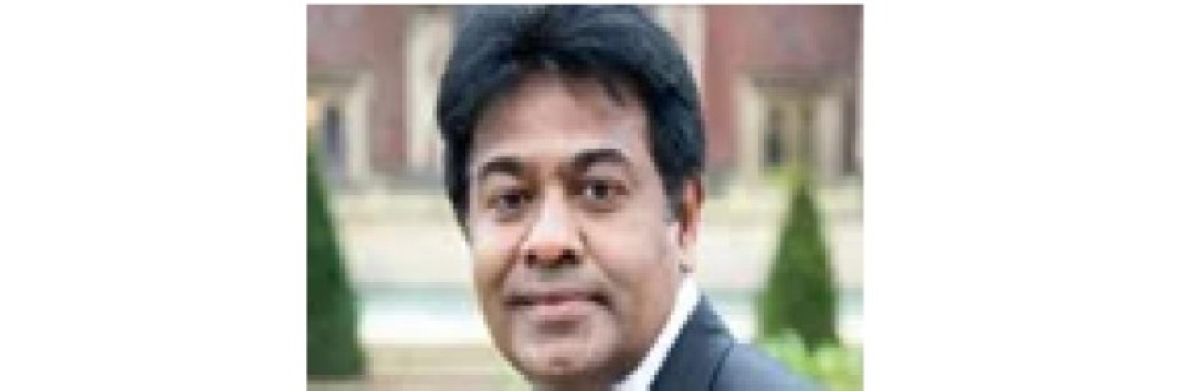
في واقعة أثارت جدلاً واسعًا داخل الأوساط القانونية البريطانية، اتُّهم المحامي تشودري رحمن باستخدام قضايا قانونية مختلقة بالكامل أنشأها الذكاء الاصطناعي، خلال دفاعه عن شقيقتين من هندوراس في قضية لجوء أمام محكمة الهجرة العليا في المملكة المتحدة.
وجّه القاضي مارك بلانديل انتقادات حادة للمحامي، مؤكداً وجود أدلة قاطعة على أن رحمن استند إلى برامج توليد نصوص بالذكاء الاصطناعي في إعداد مذكراته القانونية، من دون التحقق من صحة المعلومات. وقد اكتشف القاضي أن 12 حكماً قضائياً تم الاستشهاد بها، تبين أن عدداً منها لا وجود له، بينما لا يدعم الباقي الحجج التي ساقها المحامي.
وخلال الجلسة، لاحظ القاضي أن رحمن بدا غير ملم بأي من القضايا التي أشار إليها في مذكراته، واعتبر أن هذا السلوك أضاع وقت المحكمة و ضلّل الإجراءات القانونية. وأوضح أن «الاحتمال الأكثر واقعية هو أن المحامي صاغ مذكراته القانونية باستخدام الذكاء الاصطناعي وحاول إخفاء ذلك».
وجاءت الواقعة أثناء نظر استئناف تقدمت به شقيقتان من هندوراس رفضت السلطات البريطانية طلب لجوئهما، بدعوى خوفهما من استهدافهما من قبل عصابة إجرامية محلية. لكن المحكمة العليا رفضت الاستئناف، معتبرة أن مرافعات الدفاع افتقرت لأي أساس قانوني موثوق.
وقال القاضي بلانديل إنه يعتزم إحالة رحمن إلى هيئة تنظيم مهنة المحاماة (Bar Standards Board)، وهي خطوة قد تفتح الباب أمام إجراءات تأديبية صارمة قد تصل إلى منعه من مزاولة المهنة.
وتأتي هذه الحادثة لتسلّط الضوء على مخاطر الاعتماد غير المسؤول على الذكاء الاصطناعي في العمل القانوني، وتؤكد أهمية التحقق الصارم من صحة المعلومات القانونية قبل تقديمها للمحاكم.
In an incident that sparked widespread controversy within British legal circles, lawyer Chaudhry Rahman was accused of using entirely fabricated legal cases generated by artificial intelligence while defending two sisters from Honduras in an asylum case before the UK Upper Immigration Tribunal.
Judge Mark Blandell sharply criticized the lawyer, affirming that there was compelling evidence that Rahman relied on AI text generation programs in preparing his legal submissions without verifying the accuracy of the information. The judge discovered that 12 judicial rulings cited were found to be nonexistent, while the remaining ones did not support the arguments put forth by the lawyer.
During the hearing, the judge noted that Rahman appeared to be unfamiliar with any of the cases referenced in his submissions and deemed this behavior a waste of the court's time and a misdirection of legal proceedings. He explained that "the most realistic possibility is that the lawyer drafted his legal submissions using AI and attempted to conceal that."
This incident occurred while considering an appeal submitted by two sisters from Honduras whose asylum request had been denied by British authorities, claiming they feared being targeted by a local criminal gang. However, the Upper Tribunal rejected the appeal, considering that the defense arguments lacked any reliable legal foundation.
Judge Blandell stated that he intends to refer Rahman to the Bar Standards Board, a step that could open the door to strict disciplinary actions that may include barring him from practicing law.
This incident highlights the risks of irresponsible reliance on artificial intelligence in legal work and underscores the importance of rigorous verification of legal information before presenting it to the courts.