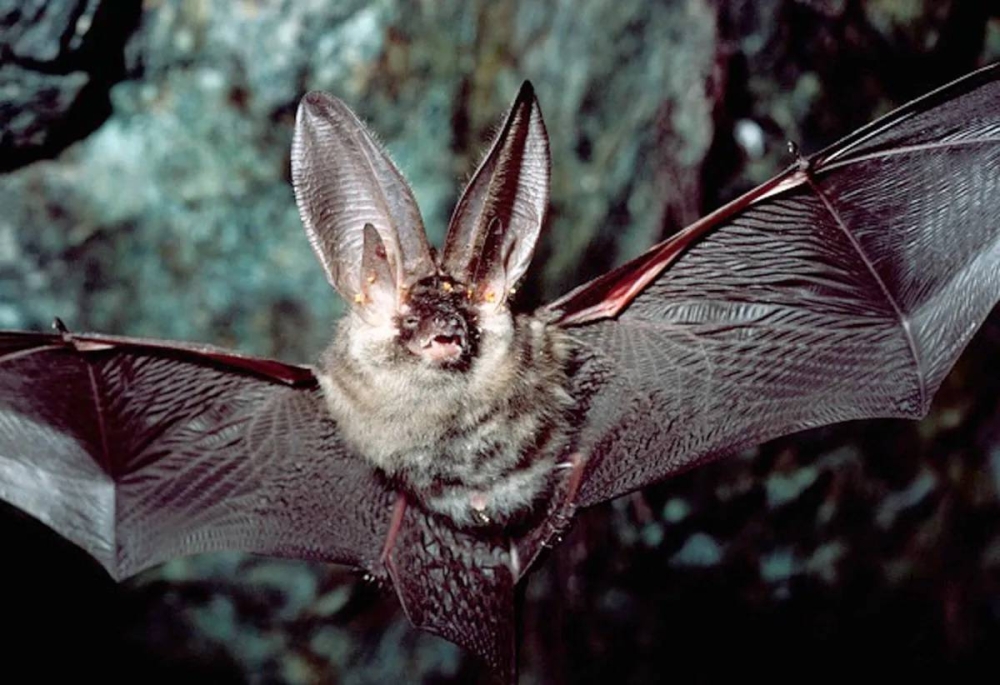
أثار خفاش مصاب بفايروس نادر حالة من القلق في جزيرة وايت البريطانية، بعد اكتشافه في حديقة منزل خاص. وأكدت السلطات إصابته بفايروس EBLV-1، أحد أنواع فايروسات «ليسا» الخطيرة، والتي تُسبب أعراضاً شبيهة بداء الكلب، تشمل الهلوسة، الشلل، التنميل والاختناق.
فيما تواجه عدة مناطق في العاصمة البريطانية أزمة كبيرة، إثر هجوم أعداد كبيرة من الخفافيش المعروفة باسم «راندي» على المنازل، ما أثار حالة من الهلع بين السكان، ودفع العديد منهم إلى مغادرة بيوتهم.
يُطلق على خفافيش راندي اسم «حيوانات دراكولا الأليفة»، وذلك لشكلها المرعب لكنها في أغلب الأحيان لا تُحدث أضرارًا للبشر، وفي الآونة الأخيرة هاجمت أعداد كبيرة من هذه الحيوانات المنازل في بريطانيا، لبحثها عن أماكن دافئة وآمنة للولادة.
وبالتزامن مع اقتراب موسم الأمومة لخفافيش راندي، فقد هاجمت أعداد كبيرة منها المنازل بصورة مبالغة، ما سبب ذعرا للمواطنين، وفق صحيفة «ديلي ستار» البريطانية.
ومن أجل طمأنة المواطنين بأنحاء العاصمة البريطانية لندن، قال خبراء مكافحة الآفات بالبلاد، إن سبب هذا الغزو الكبير هو بحث الإناث عن أماكن آمنة لوضع صغارها، حيث تم التحذير من صعوبة إخراجها من المنزل بمجرد دخولها.
A bat infected with a rare virus has raised concerns on the British Isle of Wight after it was discovered in a private garden. Authorities confirmed its infection with the EBLV-1 virus, one of the dangerous "lyssa" viruses, which cause symptoms similar to rabies, including hallucinations, paralysis, numbness, and choking.
Meanwhile, several areas in the British capital are facing a major crisis due to an attack by large numbers of bats known as "Randy" on homes, which has caused panic among residents and led many of them to leave their houses.
The Randy bats are referred to as "pet Dracula animals" due to their frightening appearance, but they usually do not cause harm to humans. Recently, large numbers of these animals have attacked homes in Britain in search of warm and safe places to give birth.
As the breeding season for Randy bats approaches, a significant number of them have exaggeratedly attacked homes, causing alarm among citizens, according to the British newspaper "Daily Star."
To reassure citizens across the British capital London, pest control experts in the country stated that the reason for this large invasion is that female bats are searching for safe places to lay their young, and it was warned that it is difficult to remove them from the house once they enter.