


بالتزامن مع اليوم العالمي للموسيقى، يكتسب استحضار مسيرة الأغنية السعودية بعداً نقدياً وثقافياً، إذ إن هذه المسيرة ليست مجرد توثيق لنغمات وأصوات، بل سجل حي لتحولات المجتمع، وانعكاس عميق لهويته المتجددة. فمنذ أول صوت دوّى في فضاء الحجاز مطلع القرن الماضي على يد الشريف هاشم العبدلي، بدأت الأغنية السعودية تخط مسارها الخاص، لتصبح شاهداً على التحولات الثقافية والاجتماعية للوطن. كان العبدلي أول فنان سعودي يسجل أعماله ويوصلها إلى الجمهور خارج الحدود، واضعاً الأساس لمدرسة موسيقية حاولت، رغم تحفظ المجتمع آنذاك، أن تصنع مساحة للفن في وعي الناس ووجدانهم.
ومع تسليم الراية لجيل لاحق، يتقدمه حسن جاوة، اتسعت دوائر التأثير، ونشأت بيئة أكثر تقبلاً للفنون، لتصل النهضة الموسيقية إلى ذروتها مع طارق عبدالحكيم ورفاقه الذين أسسوا قواعد الأغنية السعودية الحديثة. ومن خلال تطور البنية التحتية الثقافية وظهور الإذاعة والتلفزيون، تحولت الأغنية السعودية إلى مشروع وطني للهوية، يحمل ملامح المكان وروح الإنسان.
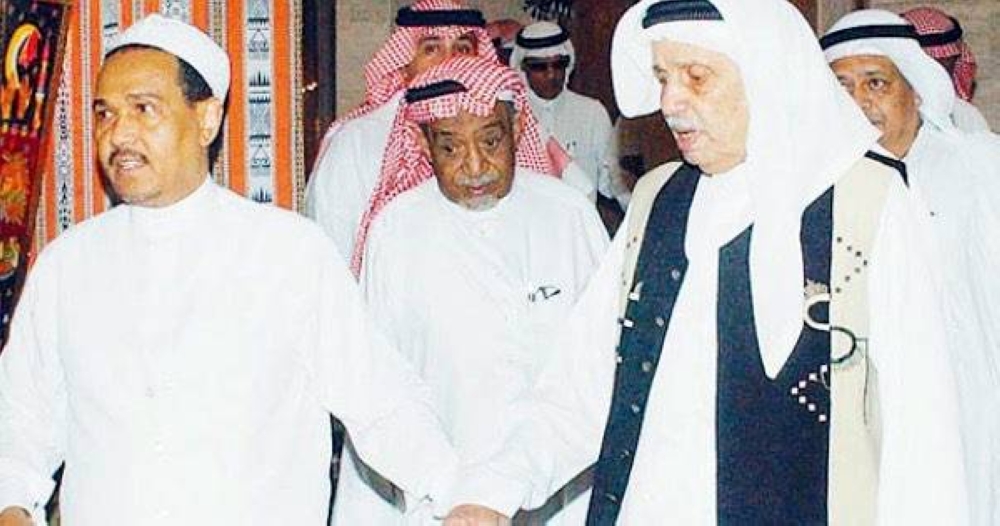
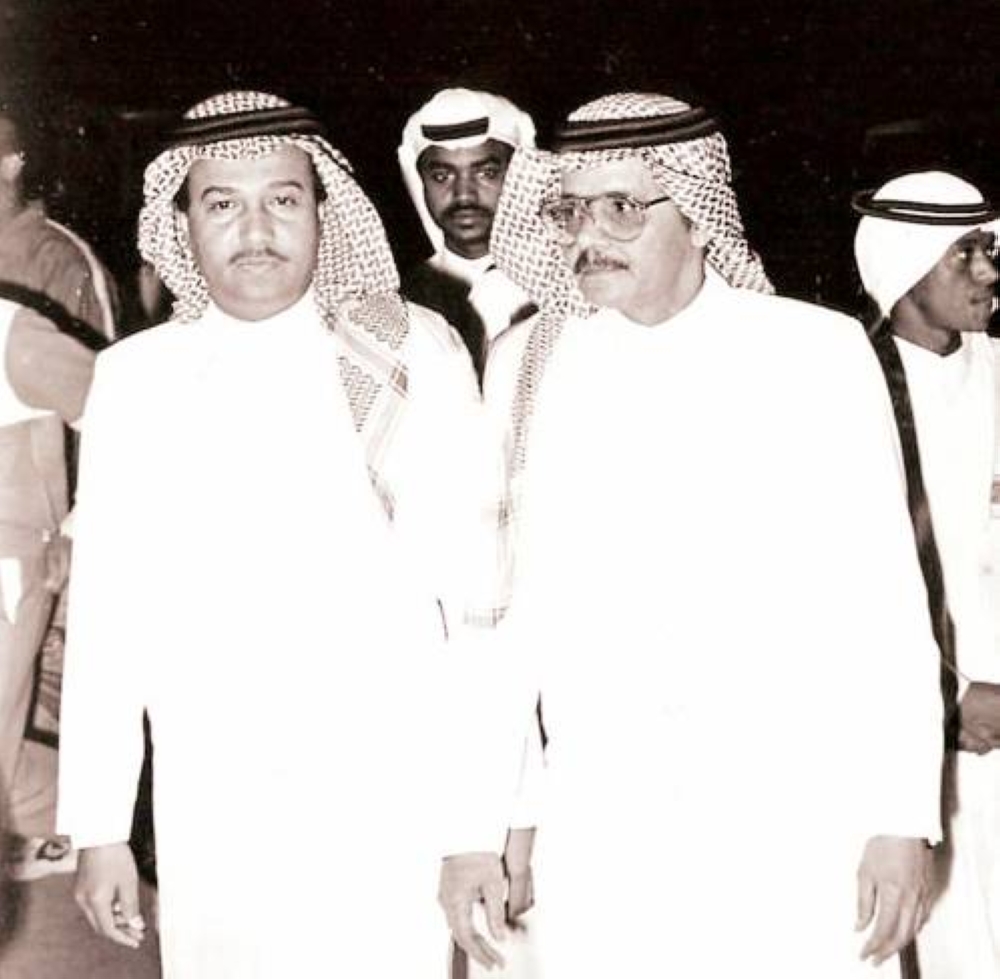
تجلّى هذا المشروع في أصوات حملت الأغنية من المحلية إلى رحاب العربية الواسعة، يقودها طلال مداح، ومحمد عبده، ومن بعدهما عبادي الجوهر، وعبدالمجيد عبدالله، وراشد الماجد، وآخرون، أسهموا في ترسيخ حضور الأغنية السعودية في المحافل والمهرجانات، وإعادة تقديمها بروح عصرية دون أن تفقد أصالتها. وراء تلك الأصوات، وقفت أقلام وألحان صاغت المعنى والجمال، فكان بدر بن عبدالمحسن، وخالد الفيصل، ومحمد العبدالله الفيصل، وإبراهيم خفاجي علامات مضيئة في الكتابة الشعرية، إلى جانب ألحان شكلت وجدان المستمع، أبدعها سراج عمر، وطارق عبدالحكيم، وسامي إحسان، وعمر كدرس، وغيرهم ممن نقلوا الأغنية السعودية إلى مصاف الفنون العربية المؤثرة.
وهكذا، فإن استحضار مسيرة الأغنية السعودية بالتزامن مع هذا اليوم العالمي للموسيقى ليس احتفاءً بالتاريخ بقدر ما هو دعوة للتأمل في إرث صنعته أجيال، ولا يزال يتجدد بأصوات المبدعين، ويعبر عن هوية وطن عرف كيف يطوّع النغم ليكون عنواناً لجماله وحضوره.
الأغنية السعودية.. ذاكرة متجددة وهوية متفردة
24 يونيو 2025 - 06:38
|
آخر تحديث 25 يونيو 2025 - 17:53


تابع قناة عكاظ على الواتساب
«عكاظ» (جدة) OKAZ_online@
Coinciding with the International Music Day, the evocation of the journey of Saudi song takes on a critical and cultural dimension, as this journey is not merely a documentation of melodies and voices, but a living record of societal transformations and a deep reflection of its evolving identity. Since the first voice resonated in the Hijaz at the beginning of the last century by Sharif Hashim Al-Abdali, Saudi song began to carve its own path, becoming a witness to the cultural and social transformations of the nation. Al-Abdali was the first Saudi artist to record his works and deliver them to audiences beyond borders, laying the foundation for a musical school that, despite the conservatism of society at the time, sought to create a space for art in the consciousness and emotions of the people.
With the passing of the torch to a later generation, led by Hassan Jawa, the circles of influence expanded, and a more accepting environment for the arts emerged, reaching its peak with Tariq Abdulhakim and his companions who established the foundations of modern Saudi song. Through the development of cultural infrastructure and the emergence of radio and television, Saudi song transformed into a national project for identity, carrying the features of the place and the spirit of the people.
This project manifested in voices that carried the song from the local to the vast Arab realm, led by Talal Madah, Mohammed Abdu, and later by Abadi Al-Johar, Abdul Majid Abdullah, Rashid Al-Majed, and others, who contributed to solidifying the presence of Saudi song in forums and festivals, re-presenting it with a modern spirit without losing its authenticity. Behind those voices stood pens and melodies that shaped meaning and beauty, with Badr bin Abdul Mohsen, Khalid Al-Faisal, Mohammed Al-Abdullah Al-Faisal, and Ibrahim Khafaji being luminous figures in poetic writing, alongside melodies that formed the listeners' emotions, created by Siraj Omar, Tariq Abdulhakim, Sami Ihsan, Omar Kadros, and others who elevated Saudi song to the ranks of influential Arab arts.
Thus, the evocation of the journey of Saudi song coinciding with this International Music Day is not merely a celebration of history, but rather a call to reflect on a legacy crafted by generations, which continues to renew itself with the voices of creators, expressing the identity of a nation that knows how to harness melody to be a hallmark of its beauty and presence.


