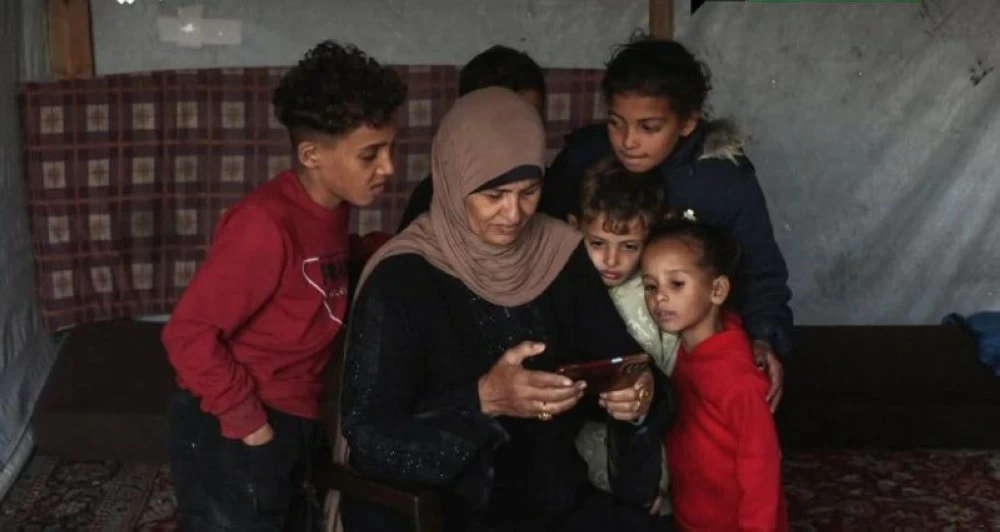
أوضح المدير الفني لمنتخب الفلسطيني إيهاب أبو جزر أن والدته المقيمة في خيمة في قطاع (غزة) لا تمنحه روح الإصرار والعزيمة فقط، بل بعض النصائح الفنية والتكتيكية أيضاً، في الوقت الذي وصل بمنتخب بلاده إلى إنجاز غير مسبوق ببلوغ ربع نهائي كأس العرب لكرة القدم في الدوحة.
ويروي أبو جزر (45 عاماً) حرص والدته على الحديث معه هاتفياً من غزة حصراً في أمور المنتخب «لا تتحدث معي عن شيء سوى عن المنتخب، فهي تريد أن يبقى التركيز محصوراً بشأن البطولة».
وأضاف: «تسألني الوالدة عن اللاعبين من سيلعب أساسياً ومن سيغيب، وعن التكتيك ومعنويات الشباب والظروف المحيطة بهم»، ووالدته، هدى محمود أبو جزر (62 عاما)، نازحة الآن في مخيم المواصي بغزة، بالقرب من خان يونس، وتعيش في خيمة مع ابنها الآخر وزوجته وأطفالهما.
من جانبها تتحدث «أم إيهاب»: ابني كان شغفه لعب كرة القدم منذ صغره، بدأ ممارستها في فريق صغير بمدينة رفح، وبعد ذلك انضم للمنتخب الفلسطيني وسافر إلى الضفة الغربية ليكمل مسيرته؛ لأن كرة القدم كانت حلم حياته.
وزادت: «إيهاب اشتغل وتعب كثيراً على نفسه رغم كل الظروف الصعبة، حتى أصبح الآن مدرباً لمنتخب فلسطين لكرة القدم، وبعد جهد كبير منه حتى وصل مع المنتخب لهذا المستوى الرائع الذي نشاهده في المباريات حالياً، جعلنا نفتخر بهم جميعاً، وشرف كبير لنا ولأهل غزة ولفلسطين».
وأكملت: «شعوري لا يوصف من شدة الفرحة بابني وفريقه الرائع، كل المخيم هنا صرخ وهلل لحظة فوز منتخب فلسطين وعلت أصوات الزغاريد، أعادوا لنا فرحة كنا قد نسيناها بغزة».
ويشير أبو جزر الذي تولى قيادة المنتخب الفلسطيني أواخر عام 2024، إلى المأساة التي تعشيها عائلته بعد الحرب «بيتي هُدم، وبيوت أهلي هُدمت، البيت الذي بنيناه طوبة طوبة هدم، كان بيت العمر».
ويتابع: «والدتي وأشقائي يعيشون في خيمة، ويعانون كثيراً لكي يتابعوا مبارياتنا على التلفزيون، يفكرون كيف يتدبرون أمر المولد الكهربائي وشراء الوقود لتشغيله، وشبكه على التلفزيون، فهذه الظروف تدفعنا للقتال على أرض الملعب لآخر نفس وهذا ما يجعلنا نقف على أقدامنا دائماً ويمنحنا الدافع حتى نفرح أهلنا في غزة».
وإذا ما كانت هذه الظروف شكلت عبئاً عليه، يقول أبو جزر الذي أنهى مسيرته لاعباً عام 2017 وانتقل إلى التدريب عام 2020 بتوليه قيادة منتخب دون 23 عاماً، في فترة من الفترات كانت عبئا تحديداً في بداية الحرب لنكن واقعيين، لم نكن نستوعب ما يجري، ولكن نحن نمتلك جينات عدم الاستسلام.
وختم حديثه: «إذا استسلمنا ورضخنا لهذه الأمور فإننا كشعب سنندثر وقضيتنا ستذوب، نمتلك من الإصرار والعزيمة ما يكفي لكي نقف مجدداً، وهنا لا أتحدث عن شعارات بل عن واقع».
The head coach of the Palestinian national team, Ihab Abu Jazar, explained that his mother, who lives in a tent in the Gaza Strip, not only gives him the spirit of determination and willpower but also some technical and tactical advice, at a time when he has led his country’s team to an unprecedented achievement by reaching the quarter-finals of the Arab Cup in Doha.
Abu Jazar (45 years old) recounts his mother’s insistence on speaking with him exclusively about the team from Gaza, saying, “She doesn’t talk to me about anything other than the team; she wants the focus to remain solely on the tournament.”
He added, “My mother asks me about the players, who will play as starters and who will be absent, about the tactics, the morale of the young players, and the circumstances surrounding them.” His mother, Huda Mahmoud Abu Jazar (62 years old), is currently displaced in the Al-Mawasi camp in Gaza, near Khan Younis, and lives in a tent with his other son, his wife, and their children.
For her part, “Um Ihab” says: “My son has had a passion for playing football since he was young; he started playing in a small team in Rafah, and then he joined the Palestinian national team and traveled to the West Bank to continue his journey, as football was his lifelong dream.”
She added, “Ihab worked hard and put in a lot of effort despite all the difficult circumstances, until he became the coach of the Palestinian national football team. After a great effort, he has brought the team to this wonderful level that we see in the matches currently, making us all proud, and it is a great honor for us, the people of Gaza, and for Palestine.”
She continued, “My feelings are indescribable with joy for my son and his wonderful team; the entire camp here cheered and celebrated at the moment Palestine’s team won, and the sounds of ululations rose. They brought back a joy we had forgotten in Gaza.”
Abu Jazar, who took charge of the Palestinian national team in late 2024, points to the tragedy his family is living after the war, saying, “My house was destroyed, and my relatives’ houses were destroyed. The house we built brick by brick has been demolished; it was the house of a lifetime.”
He continues, “My mother and my siblings live in a tent and suffer a lot to follow our matches on television. They think about how to manage the generator and buy fuel to operate it and connect it to the television. These circumstances drive us to fight on the field until our last breath, and that’s what keeps us standing and gives us the motivation to bring joy to our families in Gaza.”
When asked if these circumstances have been a burden on him, Abu Jazar, who ended his playing career in 2017 and transitioned to coaching in 2020 by leading the under-23 team, said, “At certain times, it was indeed a burden, especially at the beginning of the war; let’s be realistic, we couldn’t comprehend what was happening, but we possess the genes of resilience.”
He concluded his remarks by saying, “If we surrender and yield to these matters, we as a people will become extinct, and our cause will dissolve. We have enough determination and willpower to stand again, and here I’m not talking about slogans but about reality.”