


قامت مدينة الرياض على أنقاض مدينة «حجر اليمامة»، التي عرفت بأنها قاعدة منطقة اليمامة، طبقاً لكتاب «معجم البلدان» لياقوت الحموي، واتخذتها الدولة السعودية الأولى والدولة السعودية الثانية عاصمة لهما، ثم فتحها الملك عبدالعزيز آل سعود طيب الله ثراه في عام 1902، واتخذها قاعدة لانطلاق مسيرته نحو توحيد الجزيرة العربية وتأسيس الدولة السعودية الثالثة. ومنذ ذلك التاريخ شهدت تحولات وتغييرات كثيرة لجهة مساحتها وتخطيطها وعمرانها ومعالمها وعدد سكانها وأحيائها ومراكزها الحضرية، فتحولت من بلدة ذات بيوت طينية، وشوارع غير معبدة، ومبان قليلة، وسكان لا يتجاوز عددهم الآلاف إلى واحدة من أكبر العواصم العربية وأسرعها نمواً، بعدد سكان يفوق 8.6 مليون نسمة ومساحة تبلغ 380 ألف كيلومتر مربع، ومقومات سياحية وثقافية وترفيهية ورياضية واقتصادية ومالية كثيرة.
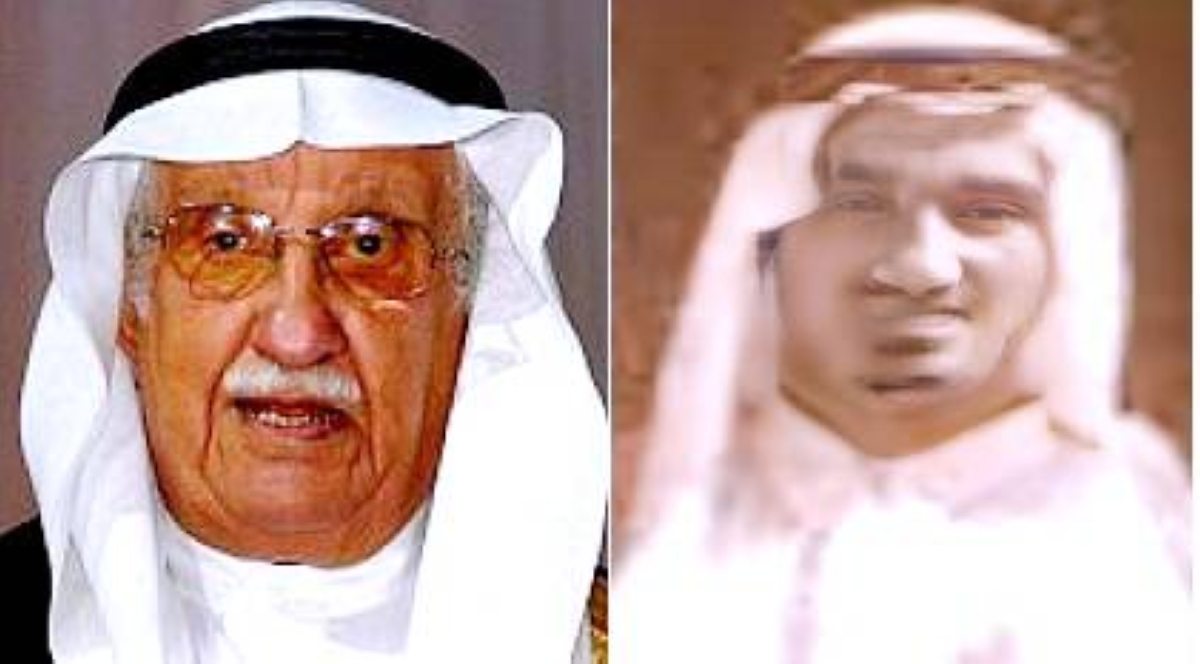
ويُعزى الكثير مما تحقق للمدينة على مدى العقود السبعة الماضية إلى الرؤية الحكيمة والإدارة الحازمة لخادم الحرمين الشريفين الملك سلمان بن عبدالعزيز، الذي تولى إمارة الرياض منذ عام 1954 وحتى عام 2011، فعمل على تطويرها في مختلف المجالات وأشرف شخصياً على أعمال أمانتها وخططها وتطوير مرافقها. والمعروف أن أمانة مدينة الرياض بدأت بلدية صغيرة في عام 1937 قبل أن تتوسع وتزداد مهماتها ومسؤولياتها وتتحول في عام 1956 إلى أمانة تتبعها العديد من البلديات. والمعروف أيضاً أن 8 شخصيات تولت رئاسة أمانة مدينة الرياض منذ تأسيسها وحتى اليوم، بدءاً من الأمير فهد بن فيصل الفرحان آل سعود، وانتهاء برئيسها الحالي المهندس فيصل بن عبدالعزيز العياف. غير أن أبرزهم وأشهرهم هو عبدالله العلي النعيم، الذي نتناول هنا توثيق سيرته ومسيرته وجهوده وحكايته مع الرياض التي تولى أمانتها وتسيير شؤونها البلدية والمرفقية في زمن مفصلي في تاريخ المملكة العربية السعودية، وهو زمن الطفرة النفطية التي حولت الرياض وغيرها من المدن السعودية إلى ورش ضخمة للتنمية والبناء والتطوير.
وُلد عبدالله العلي الصالح النعيم بمدينة عنيزة في القصيم بتاريخ 15 ديسمبر 1932، ابناً لأسرة كان ربها يملك دكاناً لبيع القهوة والشاي والسكر ومتطلبات الحياة اليومية، ويعمل في الوقت نفسه دلالاً في المزادات على التمر والقمح. درس النعيم في الكتاتيب الملحقة بالمساجد في عنيزة، لعدم وجود مدارس التعليم النظامية آنذاك. وخلال طفولته أظهر نبوغاً مبكراً، بدليل أنه تمكن من حصد جائزة بقيمة مائة ريال خصصها معلمه الشيخ عبدالرحمن السعدي لمن يستطيع من تلامذة كتابه حفظ نص لغوي أو فقهي. وحينما افتُتحت في عنيزة أول مدرسة نظامية ابتدائية التحق بها، لكنه لم يكمل تعليمه فيها.
وبسبب الحاجة والرغبة في تحسين ظروفه المعيشية خرج النعيم من بلدته قاصداً مكة المكرمة، لكنه لم يجد عملاً بها، الأمر الذي جعله يقرر السفر شرقاً نحو الظهران، قاعدة شركة أرامكو النفطية التي كانت وقتذاك تدير مشاريع كبرى وتوفر فرص العمل برواتب مجزية. وفي الظهران، وجد النعيم عملاً وسكناً متواضعاً في إحدى محطات الوقود، وظل كذلك إلى أن عثر على عمل أكثر دخلاً في مشروع مدّ خط التابلاين التابع لشركة أرامكو، حيث ظل يعمل براتب 300 ريال شهرياً لمدة ثلاث سنوات متواصلة مع أحد المهندسين الأمريكيين انتهت بعودته إلى مسقط رأسه، حيث عمل مدرساً في إحدى مدارسها الأولى. ومن وظيفته هذه انتقل للعمل مراقباً في المعهد العلمي، ومن الأخير انتقل إلى جدة ليشغل وظيفة «وكيل مدرسة الثغر الثانوية النموذجية» لمدة سنة، ومن جدة انتقل إلى الرياض بعد صدور قرار بتعيينه مديراً لمعهد المعلمين فيها. ولم يمض وقت طويل إلا والرجل يصعد عدة درجات دفعة واحدة ويصبح مديراً للتعليم في نجد. الغريب هنا، لكنه ليس بالمستغرب على النعيم الذي أثبت نبوغاً منذ صغره كما قلنا، هو دخوله سلك التعليم وحصوله على ترقيات متتالية دون أن يحمل أي شهادة دراسية. ويزول الاستغراب حينما نعلم أن الرجل اعتمد على نفسه في تعلم الكثير من المهارات والمعارف والثقافات إبان عمله في الظهران، ومن خلال القراءة والمطالعة المستمرة.
على أن تلك المهارات والمعارف لم تمنعه لاحقاً، حينما واتته الفرصة، من إكمال تعليمه البسيط. إذ وجد أنه من غير المقبول أن يكون على رأس جهاز التعليم وهو لا يحمل حتى شهادة الابتدائية، فالتحق للدراسة بالمعهد العلمي السعودي للحصول على الثانوية العامة أولاً، قبل أن يلتحق بجامعة الملك سعود انتساباً ويتخرج منها حاملاً درجة البكالوريوس في التاريخ بمرتبة الشرف، ويعمل أميناً عاماً مساعداً للجامعة نفسها لمدة سنتين انتهت بتعيينه مديراً عاماً للإدارة في الجامعة، وهو منصب ظل فيه لمدة ست سنوات. ويقول مصدر من المصادر التي اعتمدنا عليها لتوثيق سيرته إنه أراد بعد تخرجه من الجامعة مواصلة دراسته العليا، وقد جاءته الفرصة حينما تم نقله إلى بريطانيا ملحقاً ثقافياً مسؤولاً عن طلبة الدراسات العليا من السعوديين المبتعثين الى المملكة المتحدة، حيث التحق بجامعة كمبريدج للحصول على درجة الدكتوراه في التاريخ الحديث عن أطروحة حول تاريخ جنوب المملكة العربية السعودية، لكنه لم يقدمها لأنه اُستُدعي للعودة إلى الرياض، وأخذته أعباء وظائفه وانشغالاته الكثيرة فتجاهل أمر تقديمها لاحقاً، على الرغم من إنجازه 90% منها.
ويمكن القول إن المنعطف الأهم في حياته الوظيفية، الذي برز من خلاله كشخصية إدارية يمكن الاعتماد عليها، هو قرار اختياره من قبل الشيخ عبدالعزيز القريشي وزير الدولة ورئيس ديوان الخدمة المدنية ليكون معه ومع آخرين في لجنة شكلها مجلس الوزراء السعودي آنذاك لحل أزمة الغاز التي عانى منها سكان المملكة في مطلع السبعينات من القرن العشرين. حيث تمّ في عام 1974 إسناد مهمة إدارة «شركة الغاز والتصنيع الأهلية» المسؤولة عن تأمين الغاز للسكان إليه، نظراً لضعف أداء الشركة، فتمكن النعيم من وضع حلول عاجلة لحل الأزمة تمثلت في مخاطبته لوزارة الدفاع السعودية والطلب منها تخصيص مركبات وشاحنات الجيش لشحن أسطوانات الغاز من مصدرها في المنطقة الشرقية وتوصيلها للمستهلكين في مختلف المناطق والمدن.
وهكذا، كان ثمن فوزه في حل أزمة الغاز، ونجاحه في قيادة شركة خاسرة إلى بر الأمان هو تعيينه أميناً عاماً للرياض التي كانت تعاني في تلك الفترة الكثير من المشاكل البيئية والصحية والخدمية. وليس أدل على ذلك من مخاطبة الملك فهد له بقوله: «أنت نجحت في الغاز، ونحن أمام مشكلة في الأمانة، ونحتاج إلى شخص شجاع مثلك». تولى النعيم أمانة مدينة الرياض رسمياً في عام 1976، فشمّر عن ساعديه واستعان، في حل مشاكل العاصمة بعدد من التجار والمقاولين المحليين، وببعض الشركات المتخصصة. دعونا نقرأ ما كتبه الدكتور أحمد عمر الزيلعي في مجلة اليمامة (25/12/2024) عما أحدثه النعيم من تغييرات: «شَهِدَتْ تلك الحقبة التي أمضاها معالي الدكتور عبدالله النعيم أميناً عاماً لمدينة الرياض طفرة في اتساع عمرانها، وضبط طوابق ما كان منه على الشوارع الرئيسية والشوارع الداخلية، ونجح في نظافة شوارعها، وسفلتتها، وتشجيرها، وتزويدها بحدائق عامة، بعضها كانت مزارع خاصة نُزعت ملكيتها لهذا الغرض، واتسعت المدينة بما أضافه إليها من منح ذوي الدخل المحدود التي نافت على 30 ألف منحة سكنية، ولعلها من أكبر المنح التي شهدتها المدن السعودية في تاريخها».
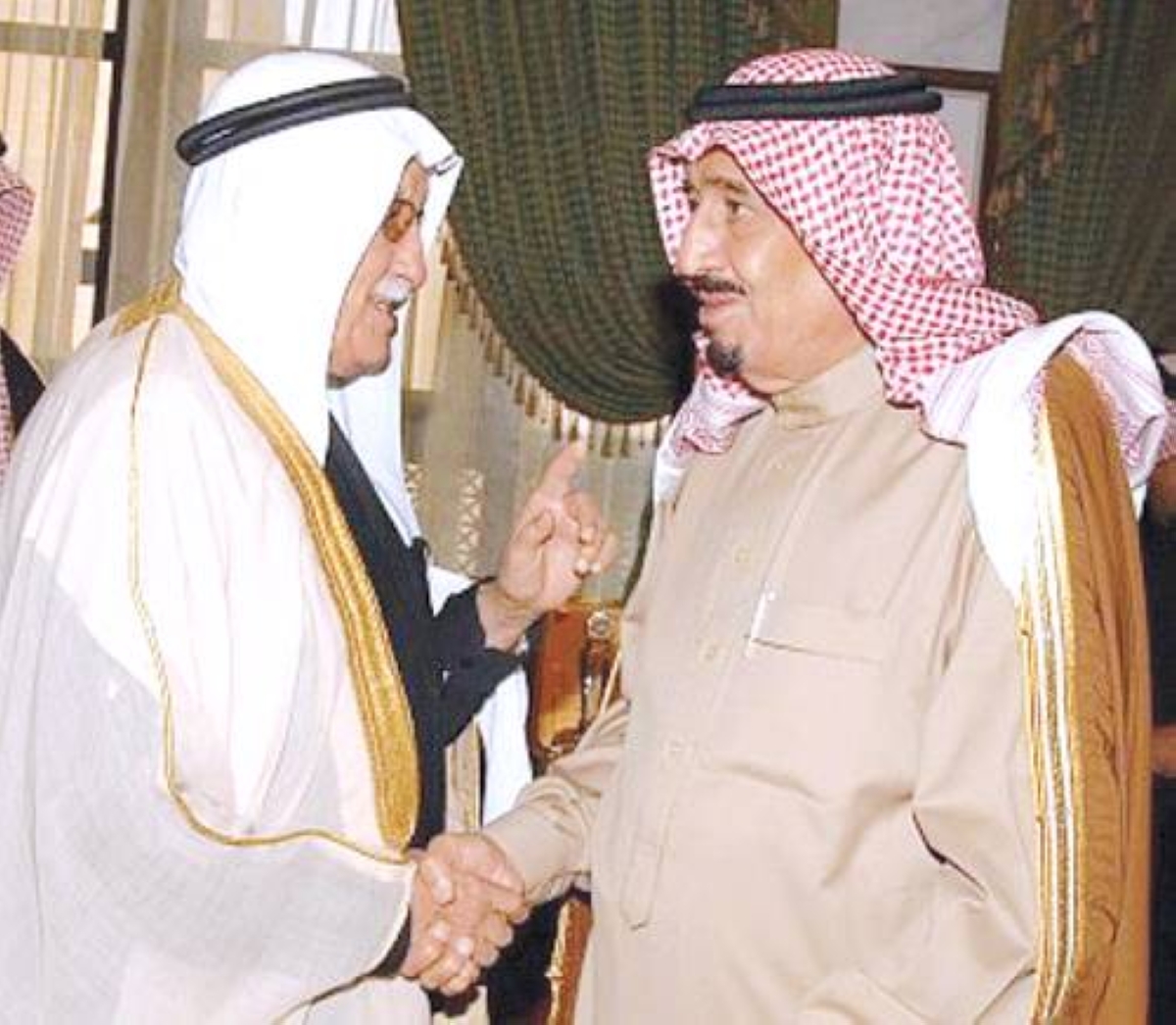
ويعزو الزيلعي نجاح النعيم في عمله أميناً عاماً للرياض إلى عدة عوامل منها: حضوره الفاعل والدائم في ميدان العمل بدلاً من الجلوس خلف مكتبه المكيف، ومراجعته شخصياً مختلف الجهات الحكومية ذات الصلة بدلاً من الاعتماد على صغار موظفيه، وتخويل بعض صلاحياته إلى كبار المهندسين وصغارهم من أجل بث روح الحماس فيهم، وفتح فروع للأمانة في العديد من أحياء الرياض تخفيفاً على المراجعين وأصحاب الطلبات من المشاوير الطويلة، وإنشاء مكتب تنسيقي للمشاريع الخدمية ومشاريع الكهرباء والمياه والهاتف والطرق يجتمع فيه كل أسبوع مع ممثلي الجهات ذات العلاقة، وحرصه على المزج بين التطوير الحضري والحفاظ على الهوية الثقافية للعاصمة من خلال رؤية تجمع بين الأصالة والحداثة. هذا ناهيك - بطبيعة الحال ـ عن الدعم والتوجيه الذي كان يتلقاه من أمير الرياض آنذاك الملك سلمان حفظه الله.
التقاعد عن العمل
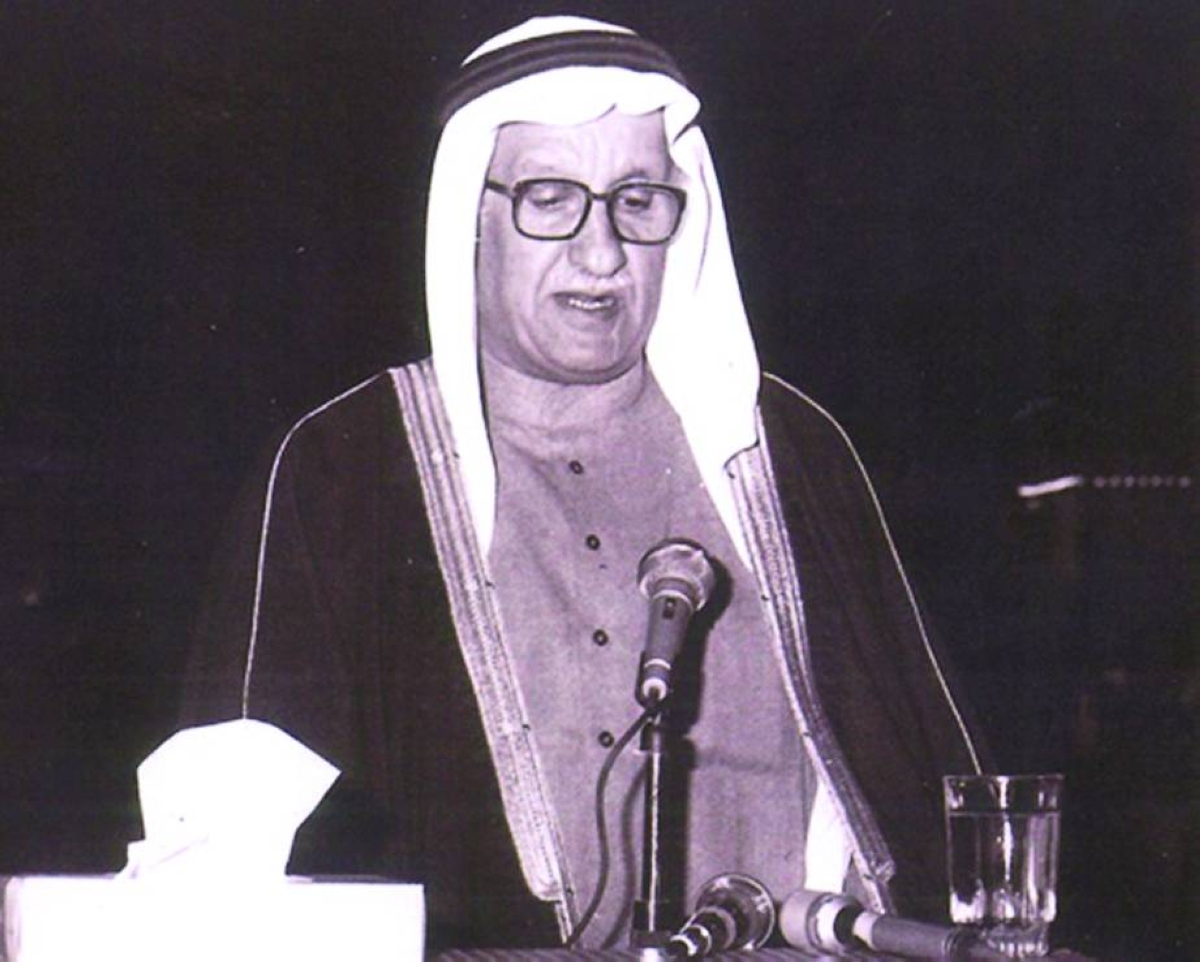
في عز نشاطه وشهرته وتألقه وقمة عطائه، وكيل المديح والثناء له، خالف النعيم المسؤولين الذين يتشبثون بمقاعدهم حتى الموت أو الإعفاء، وقرر التقاعد عن العمل. غير أن الملك فهد رحمه الله رفض استقالته وتمسك به إلى أن تدخل أمير الرياض (الملك سلمان) ووزير الشؤون البلدية والقروية (الشيخ إبراهيم العنقري) آنذاك لتحقيق طلبه. وعلى إثر ذلك وافق الملك فهد على إعفائه شريطة أن يبقى في معترك الأعمال واللجان التي كان عضواً فيها إبان شغله منصب أمين عام مدينة الرياض. وهكذا نجده ينتقل من العمل الرسمي إلى العمل التطوعي غير الرسمي، ويواصل خدمته لبلاده، فيتولى الإشراف على «لجنة العناية بالإخوة الكويتيين»، إبان غزو العراق الكويت وتشريد أهلها، ويشارك في تأسيس «مكتبة الملك فهد الوطنية» ويرأس مجلس أمنائها، ويرأس مجلس أمناء «المعهد العربي لإنماء المدن» ويصبح أميناً عاماً للمدن العربية، ويمارس دوراً فعالاً في تنظيم «معرض المملكة بين الأمس واليوم» المتنقل، وفي تأسيس «مركز الملك سلمان الاجتماعي» الذي تولى رئاسة مجلس إدارته. كما نجده ما بين هذا وذاك يمارس كتابة المقالات الصحفية، ويتحدث في المقابلات الصحفية والصالونات الأدبية والندوات والمحاضرات والمعارض عن تجربته الثرية في العملين التربوي والبلدي، ويبادر إلى إطلاق المشاريع الخيرية المتنوعة، ولاسيما في القصيم، مثل «الجمعية الخيرية الصالحية بعنيزة» التي تضم «مركز صالح بن صالح الاجتماعي» للرجال و«مركز الأميرة نورة الاجتماعي» للنساء.
استمر النعيم ناشطاً في مجالات عديدة، متسماً بالصدق والصراحة والتواضع والتسامح ومساعدة مواطنيه، إلى أن لاقى وجه ربه في يوم الأحد الموافق 15 ديسمبر 2024 عن 92 عاماً، فتمت الصلاة عليه في عصر اليوم التالي بجامع الراجحي، ودُفن بمقبرة النسيم في الرياض.
علامة بارزة في تاريخ المدينة الشاهقة
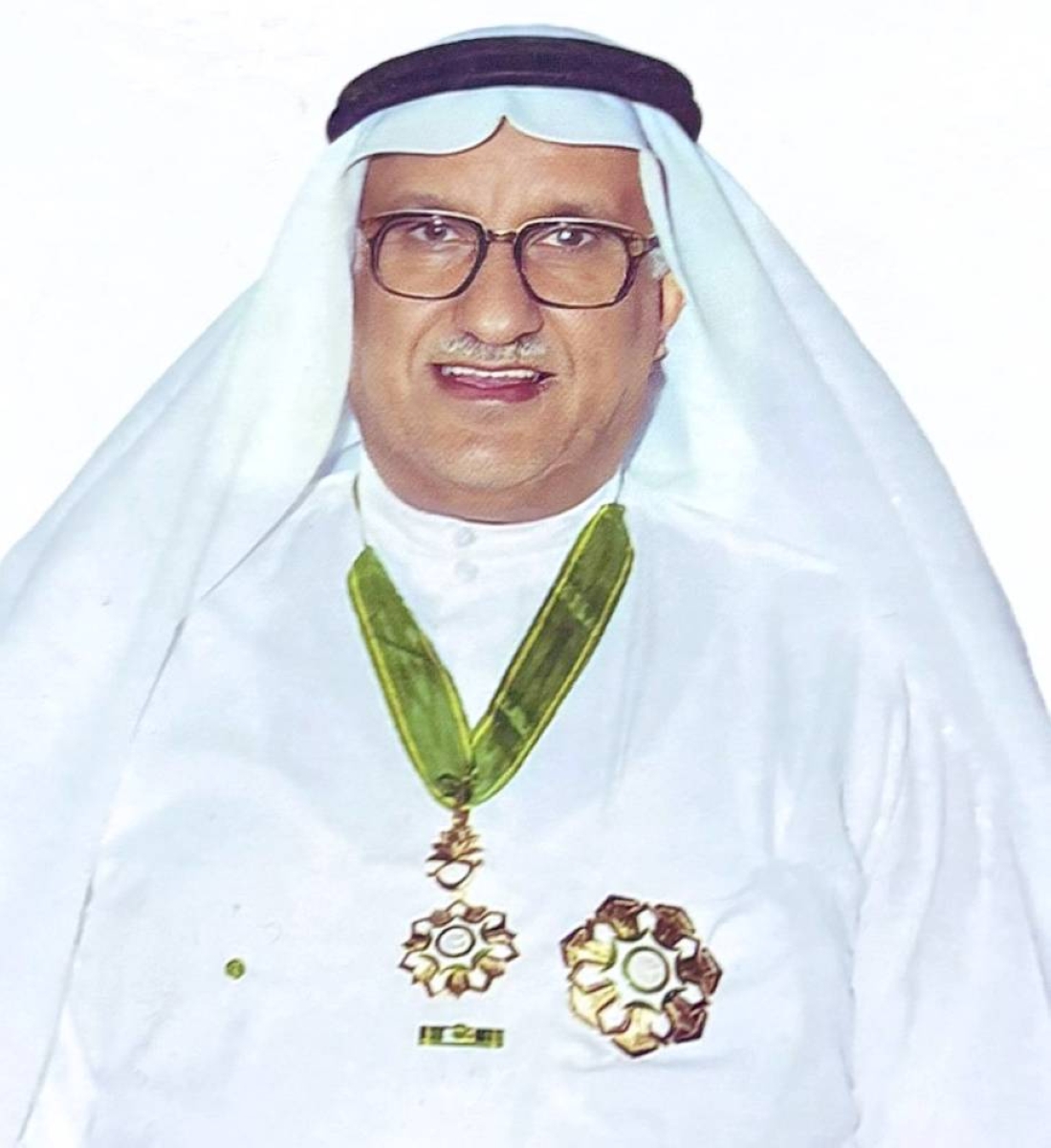
ترك الفقيد خلفه ثلاثة كتب من تأليفه هي: «تاريخ عسير» (أطروحة دكتوراه)، و«آداب الحسبة في الإسلام» (سلسلة مقالات)، و«بتوقيعي.. حكايات من بقايا السيرة» (سيرة ذاتية)، علاوة على مجموعة من المحاضرات حول الخدمات البلدية ومشاكلها، وتطبيقات اللامركزية، وأساليب الإدارة، والتطور العمراني لمدينة الرياض، ودور البلديات في خدمة المواطن ودور المواطن في مساعدة البلديات، وغيرها. أما الكتب التي صدرت عنه فهي: كتاب «عبدالله العلي النعيم.. الإدارة بالإرادة» من تأليف إبراهيم عبدالرحمن التركي، وكتاب «عشتُ لم ألتفت.. رؤية سردية للمسيرة الرسمية والتطوعية للقائد الإداري الشيخ عبدالله العلي النعيم» من إعداد مركز العالم للتوثيق. وأما التكريمات التي حصل عليها فتشمل منحه درجة الدكتوراه الفخرية من جامعة السوربون الفرنسية في عام 1988، وحصوله على وسام الملك عبدالعزيز من الدرجة الممتازة، ووسام الملك حسين بن علي من الأردن، ووسام العرش بدرجة قائد من المغرب.
وتخليداً لاسمه وجهوده أطلق أبناؤه في عام 2016 جائزتين علميتين باسمه؛ الأولى هي «جائزة عبدالله العلي النعيم لخدمة تاريخ الجزيرة العربية وآثارها» وتُمنح كل عام لأربعة أعمال علمية في تاريخ الجزيرة العربية وآثارها، تحت إشراف جمعية التاريخ والآثار بمجلس التعاون الخليجي. والثانية هي «جائزة عبدالله العلي النعيم لخدمة تاريخ الوطن العربي وحضارته» السنوية، التي تُمنح تحت إشراف اتحاد المؤرخين العرب بالقاهرة لأربعة من الباحثين على مستوى الوطن العربي.
ونختتم بما قالته الأكاديمية السعودية الدكتورة خيرية السقاف عن الفقيد، إذ وصفته بأنه «علامة بارزة في تاريخ المدينة الشاهقة ضياء، الممتدة اخضراراً، المتسعة في قلب الصحراء حضارة وعمراناً.. عبدالله العلي النعيم تشهد له جوانبها وشوارعها وعمارتها وأسواقها وكهرباؤها وأنفاقها وجسورها ومكتباتها وأناسها فقيرهم وغنيهم. أثق بأنه أحد الأعلام تاريخاً، وسيظل في الأذهان، كما أتمنى أن يُطلق اسمه على أحد أهم ميادينها وفاءً بحجم إخلاصه وعطائه وبذله».
عبدالله العلي النعيم.. أمين العاصمة الخالد في ذاكرة «الرياض»
8 سبتمبر 2025 - 01:28
|
آخر تحديث 8 سبتمبر 2025 - 02:25


تابع قناة عكاظ على الواتساب
بقلم: د. عبدالله المدني
The city of Riyadh was built on the ruins of the city of "Hajr Al-Yamamah," which was known as the base of the Al-Yamamah region, according to the book "Mu'jam Al-Buldan" by Yaqut Al-Hamawi. It was adopted as the capital by both the First Saudi State and the Second Saudi State. King Abdulaziz Al Saud, may God rest his soul, conquered it in 1902 and made it the base for his journey towards unifying the Arabian Peninsula and establishing the Third Saudi State. Since that date, it has witnessed many transformations and changes in terms of its area, planning, architecture, landmarks, population, neighborhoods, and urban centers, evolving from a town with mud houses, unpaved streets, few buildings, and a population of just thousands to one of the largest and fastest-growing Arab capitals, with a population exceeding 8.6 million and an area of 380,000 square kilometers, along with numerous tourism, cultural, entertainment, sports, economic, and financial components.
Much of what has been achieved in the city over the past seven decades is attributed to the wise vision and firm management of the Custodian of the Two Holy Mosques, King Salman bin Abdulaziz, who governed Riyadh from 1954 until 2011. He worked on developing it in various fields and personally oversaw the work of its municipality, plans, and the development of its facilities. It is known that the Riyadh Municipality started as a small municipality in 1937 before expanding and increasing its tasks and responsibilities, transforming in 1956 into a municipality that oversees many other municipalities. It is also known that eight individuals have held the position of Secretary-General of the Riyadh Municipality since its establishment until today, starting with Prince Fahd bin Faisal Al-Farhan Al Saud and ending with its current head, Engineer Faisal bin Abdulaziz Al-Ayyaf. However, the most prominent and famous among them is Abdullah Ali Al-Naim, whose biography, career, efforts, and story with Riyadh, which he managed during a pivotal time in the history of the Kingdom of Saudi Arabia, we will document here. This was during the oil boom that transformed Riyadh and other Saudi cities into massive workshops for development, construction, and progress.
Abdullah Ali Al-Saleh Al-Naim was born in the city of Unayzah in Qassim on December 15, 1932, to a family whose head owned a shop selling coffee, tea, sugar, and daily necessities, while also working as an auctioneer for dates and wheat. Al-Naim studied in the religious schools attached to mosques in Unayzah due to the lack of formal education schools at that time. During his childhood, he showed early brilliance, as evidenced by his ability to win a prize of one hundred riyals awarded by his teacher, Sheikh Abdulrahman Al-Saadi, to any of his students who could memorize a linguistic or jurisprudential text. When the first formal primary school opened in Unayzah, he enrolled, but he did not complete his education there.
Due to his need and desire to improve his living conditions, Al-Naim left his hometown for Mecca, but he did not find work there, which led him to decide to travel east to Dhahran, the base of the Aramco oil company, which at that time was managing major projects and providing job opportunities with good salaries. In Dhahran, Al-Naim found a modest job and accommodation at a gas station, and he remained there until he found a higher-paying job in the project to lay the Tapline pipeline for Aramco, where he worked for a salary of 300 riyals per month for three consecutive years with an American engineer, which ended with his return to his hometown, where he worked as a teacher in one of its early schools. From this job, he moved to work as a supervisor at the Scientific Institute, and from there he moved to Jeddah to serve as the "Deputy Principal of Al-Thagr Secondary School" for one year. From Jeddah, he moved to Riyadh after a decision was made to appoint him as the Director of the Teacher Training Institute there. It wasn't long before the man climbed several ranks at once and became the Director of Education in Najd. The strange thing here, but not surprising for Al-Naim, who proved his brilliance since childhood as we mentioned, is that he entered the education field and received successive promotions without holding any academic degree. The surprise fades when we learn that he relied on himself to learn many skills, knowledge, and cultures during his work in Dhahran, and through continuous reading and study.
However, those skills and knowledge did not prevent him later, when the opportunity arose, from completing his basic education. He found it unacceptable to be at the head of the education system without even holding a primary school certificate, so he enrolled in the Saudi Scientific Institute to obtain his high school diploma first, before joining King Saud University as a part-time student and graduating with a bachelor's degree in history with honors. He then worked as an assistant secretary-general at the same university for two years, which ended with his appointment as the general director of administration at the university, a position he held for six years. A source from the references we relied on to document his biography stated that after graduating from university, he wanted to continue his higher education, and the opportunity came when he was transferred to the UK as a cultural attaché responsible for Saudi postgraduate students in the United Kingdom, where he enrolled at the University of Cambridge to obtain a PhD in modern history on a thesis about the history of southern Saudi Arabia, but he did not submit it because he was called back to Riyadh, and the burdens of his many responsibilities and commitments led him to neglect submitting it later, despite having completed 90% of it.
It can be said that the most important turning point in his career, where he emerged as a reliable administrative figure, was his selection by Sheikh Abdulaziz Al-Quraishi, Minister of State and Head of the Civil Service Bureau, to be with him and others on a committee formed by the Saudi Cabinet at that time to solve the gas crisis that the residents of the Kingdom suffered from in the early 1970s. In 1974, he was assigned the task of managing the "Gas and Manufacturing Company," responsible for securing gas for residents, due to the company's poor performance. Al-Naim managed to devise urgent solutions to resolve the crisis by contacting the Saudi Ministry of Defense and requesting them to allocate military vehicles and trucks to transport gas cylinders from their source in the Eastern Province and deliver them to consumers in various regions and cities.
Thus, the price of his success in resolving the gas crisis and his success in leading a losing company to safety was his appointment as Secretary-General of Riyadh, which at that time was suffering from many environmental, health, and service issues. There is no clearer evidence of this than King Fahd addressing him, saying: "You succeeded in gas, and we have a problem in the municipality, and we need a brave person like you." Al-Naim officially took over the municipality of Riyadh in 1976, rolled up his sleeves, and sought the help of several local merchants and contractors, as well as some specialized companies, to solve the capital's problems. Let us read what Dr. Ahmed Omar Al-Zailai wrote in Al-Yamamah magazine (25/12/2024) about the changes Al-Naim brought about: "The period that His Excellency Dr. Abdullah Al-Naim spent as Secretary-General of the City of Riyadh witnessed a boom in its urban expansion, regulating the floors of what was on the main and internal streets, and he succeeded in cleaning its streets, paving them, planting trees, and providing public gardens, some of which were private farms whose ownership was confiscated for this purpose. The city expanded with the addition of over 30,000 housing grants for low-income individuals, which may be among the largest grants witnessed by Saudi cities in their history."
Al-Zailai attributes Al-Naim's success in his work as Secretary-General of Riyadh to several factors, including: his active and constant presence in the field instead of sitting behind his air-conditioned desk, personally reviewing various relevant government agencies instead of relying on his junior employees, delegating some of his powers to senior and junior engineers to instill enthusiasm in them, opening branches of the municipality in many neighborhoods of Riyadh to ease the burden on reviewers and applicants from long trips, creating a coordinating office for service projects and projects related to electricity, water, telephone, and roads where he meets weekly with representatives of the relevant agencies, and his keenness to blend urban development with preserving the cultural identity of the capital through a vision that combines authenticity and modernity. This, of course, is in addition to the support and guidance he received from the then Prince of Riyadh, King Salman, may God protect him.
Retirement from Work
At the height of his activity, fame, and brilliance, and at the peak of his contributions, while receiving praise and admiration, Al-Naim diverged from the officials who cling to their seats until death or dismissal and decided to retire from work. However, King Fahd, may God have mercy on him, refused his resignation and insisted on keeping him until the Prince of Riyadh (King Salman) and the Minister of Municipal and Rural Affairs (Sheikh Ibrahim Al-Anqari) at that time intervened to fulfill his request. Consequently, King Fahd agreed to relieve him on the condition that he remain involved in the work and committees he was part of during his tenure as Secretary-General of the City of Riyadh. Thus, we find him transitioning from formal work to informal voluntary work, continuing his service to his country, overseeing the "Committee for the Care of Kuwaiti Brothers" during the Iraqi invasion of Kuwait and the displacement of its people, participating in the establishment of the "King Fahd National Library" and chairing its board of trustees, chairing the board of trustees of the "Arab Institute for Urban Development," becoming the Secretary-General of Arab cities, playing an active role in organizing the "Exhibition of the Kingdom Between Yesterday and Today," and founding the "King Salman Social Center," which he chaired. We also find him, in between all this, writing journalistic articles, speaking in interviews, literary salons, seminars, lectures, and exhibitions about his rich experience in educational and municipal work, and initiating various charitable projects, especially in Qassim, such as the "Al-Salihiyah Charity Association in Unayzah," which includes the "Saleh bin Saleh Social Center" for men and the "Princess Nourah Social Center" for women.
Al-Naim continued to be active in many fields, characterized by honesty, frankness, humility, tolerance, and helping his fellow citizens, until he met his Lord on Sunday, December 15, 2024, at the age of 92. He was prayed for the next day in Al-Rajhi Mosque and buried in Al-Naseem Cemetery in Riyadh.
A Prominent Mark in the History of the Towering City
The late left behind three books of his authorship: "The History of Asir" (PhD thesis), "The Ethics of Accountability in Islam" (a series of articles), and "With My Signature... Tales from the Remains of the Biography" (a memoir), in addition to a collection of lectures on municipal services and their problems, applications of decentralization, management methods, urban development of the city of Riyadh, the role of municipalities in serving citizens, and the role of citizens in assisting municipalities, among others. As for the books published about him, they include: "Abdullah Ali Al-Naim... Management by Will" authored by Ibrahim Abdulrahman Al-Turki, and "I Lived Without Looking Back... A Narrative Vision of the Official and Voluntary Journey of the Administrative Leader Sheikh Abdullah Ali Al-Naim" prepared by the World Documentation Center. As for the honors he received, they include being awarded an honorary doctorate from the University of Sorbonne in France in 1988, receiving the King Abdulaziz Medal of Excellent Degree, the King Hussein bin Ali Medal from Jordan, and the Throne Medal of Commander Degree from Morocco.
In commemoration of his name and efforts, his children launched two scientific awards in his name in 2016; the first is the "Abdullah Ali Al-Naim Award for Serving the History and Antiquities of the Arabian Peninsula," awarded annually to four scientific works in the history and antiquities of the Arabian Peninsula, under the supervision of the History and Antiquities Association of the Gulf Cooperation Council. The second is the annual "Abdullah Ali Al-Naim Award for Serving the History and Civilization of the Arab Nation," which is awarded under the supervision of the Arab Historians Union in Cairo to four researchers across the Arab world.
We conclude with what the Saudi academic Dr. Khairiya Al-Saqaf said about the late, describing him as "a prominent mark in the history of the towering city of Dhiya, which extends greenly, expanding in the heart of the desert with civilization and architecture... Abdullah Ali Al-Naim is witnessed by its aspects, streets, buildings, markets, electricity, tunnels, bridges, libraries, and its people, both poor and rich. I am confident that he is one of the historical figures, and he will remain in minds, as I hope that his name will be given to one of its most important squares in loyalty to the magnitude of his dedication, contributions, and efforts."


