


هناك ارتباط وثيق بين اختراع وصناعة الآلة الكاتبة وتطور فن الطباعة، الذي ابتكره العالم الألماني غوتنبرغ من خلال الآلة الطابعة الشبيهة بالمكبس لطباعة الأحرف المنفردة. فمنذ زمن غوتنبرغ تنافست الدول الأوروبية فيما بينها لتحسين أداء المطبعة وإعادة تصميمها واختراع آلات تحاكيها بطريقة أفضل وأسهل وأسرع. ومن هنا برزت فكرة اختراع آلة ميكانيكية للكتابة اليدوية بسرعة واتقان. ومن هنا أيضاً دخل أكثر من 50 عالماً ينتمون إلى دول مختلفة في سباق محموم ما بين القرنين السادس عشر والتاسع عشر لتحقيق تقدم ما في هذا المجال.
ويقال، إن أول من نجح من هؤلاء في صناعة آلة كاتبة ميكانيكية بشكل بدائي في سنة 1714 هو المهندس الإنجليزي «هنري مل»، الذي كافأته «الملكة آن» ملكة بريطانيا آنذاك بمنحه حق احتكار صناعة آلته البدائية. تلا «هنري مل» المخترع الأمريكي «وليم بريت» في عام 1829، الذي صمم آلة كاتبة على شكل عجلة نصف دائرية. وفي عام 1833 نجح الفرنسي بروغن في اختراع أول آلة كاتبة قادرة على تحريك الورقة بين الأحرف. وسرعان ما طور المخترع الأمريكي «تشارلز غروفر» في سنة 1843 هذه التقنية واستخدمها في آلة كتابة أكثر تقدماً.
بعد ذلك توالت التطورات والاختراعات، لكن لم تستطع أي آلة كاتبة مُخترعة إثبات نفسها من الناحية العملية السهلة والمبسطة إلا في سنة 1868 حينما حدثت طفرة في هذا المجال، كان سببها تضافر جهود 3 مخترعين من الولايات المتحدة هم «كريستوفر شولز» و«كارلوس غلندن» و«صموئيل سول».
جهود هؤلاء الثلاثة أدت إلى اختراع أول آلة كاتبة ناجحة وعملية. وبطبيعة الحال توالت التحسينات على الآلة بعد ذلك حتى وصلت إلى شكلها الحالي. ومن الجدير بالذكر هنا الإشارة إلى أن كل الآلات التي تمّ اختراعها كانت بحروف إنجليزية، وبالتالي كان من الصعب استخدامها في الكتابة باللغة العربية. ولهذا السبب بادر المصريان من أصل لبناني «فيليب واكد» و«سليم شلبي سعد حداد» في عام 1914 إلى تصميم أول آلة كاتبة بالأحرف العربية، وأطلقا عليها اسم «حداد»، علماً بأن انتشار الطابعة بالأحرف العربية في البلاد العربية وتحولها إلى آلة مطلوبة في دوائرها الحكومية ومصارفها وشركاتها ومدارسها، استغرق نحو ثلاثة عقود بسبب الصعوبات التي واجهتها المصانع الغربية المنتجة للآلة الكاتبة في صناعة آلات تكتب بالعربية المعاكسة للإنجليزية في اتجاه القراءة والكتابة.
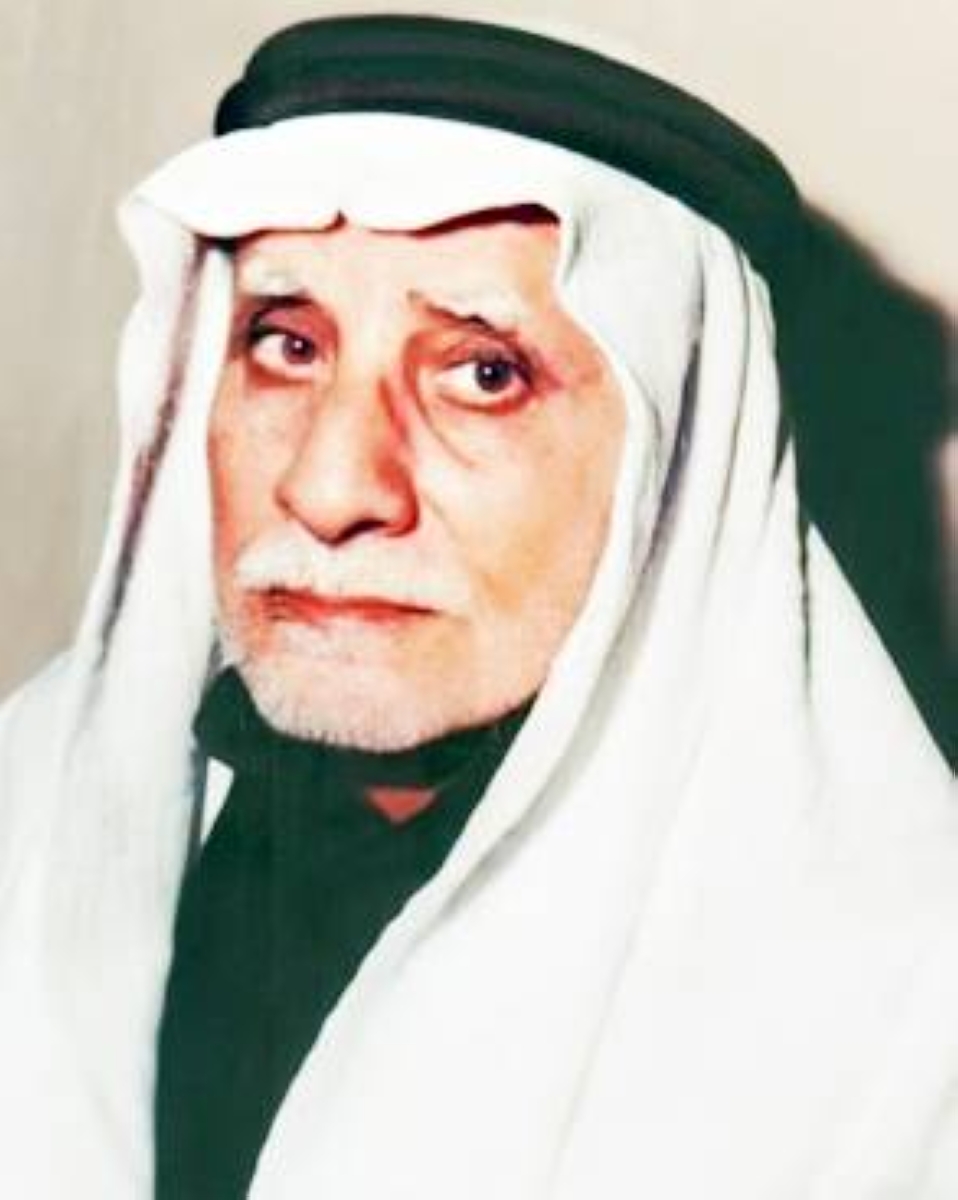
ما سبق، كان توطئة للحديث عن شخصية عصامية تُعرف بـ«رائد التعليم الأهلي في شرق المملكة العربية السعودية»، فمن هي هذه الشخصية؟ ولماذا عُرفت بذلك اللقب؟ وما علاقته بالآلة الكاتبة التي روينا شيئاً من تاريخها؟ هذا ما سنتناوله في هذه المادة المخصصة لتوثيق سيرة المرحوم الشيخ «عبدالعزيز بن رشيد الحصان»، ودوره في توفير معاهد تربوية أهلية لكبار السن وتأسيس رياض لأطفال ما قبل الالتحاق بالتعليم النظامي.
حتى نهايات خمسينات القرن العشرين لم يكن في مدن الساحل الشرقي من المملكة العربية السعودية معاهد خاصة لتعليم الكبار، وبالمثل لم تكن هناك رياض للأطفال في سن ما قبل الالتحاق بالمرحلة الابتدائية، غير أن واحداً من مواطنيها العاملين بالمنطقة الشرقية منها تصدى للأمر بجرأة وشجاعة. ففي سنة 1958 للميلاد قام الشيخ عبدالعزيز رشيد الحصان، وهو من أبناء القصيم العصاميين الذي استوطن وأسرته المنطقة الشرقية، بالاستثمار في التعليم الخاص بمساعدة فنية من المربي المصري الأستاذ محمد عثمان طه، الذي كان يعمل هناك ضمن البعثة التعليمية المصرية.
كان هدف الشيخ الحصان وقتها مساعدة كبار السن ممن فاتهم قطار العلم في تعلم مواد حديثة تتطلبها أسواق العمل الناشئة آنذاك بفعل اكتشاف وتصدير البترول، وما برز على هوامشه من التوسع في الأعمال التجارية والإنشائية والخدمية الكثيرة والمتنوعة، وبمعنى آخر أراد الرجل أن يعين مواطنيه على الإمساك بالكثير من الوظائف في القطاع الخاص من تلك التي كانت تتطلب مهارات اللغة الإنجليزية، واستخدام الآلة الكاتبة باللغتين العربية والإنجليزية، ومسك الدفاتر، وأعمال المحاسبة ومراسلة الشركات وغيرها.
أما هدفه من رياض الأطفال فتمثل في إشغال فراغ الأطفال بتلقي العلوم التمهيدية قبل التحاقهم بالمدارس الحكومية كي يكون استيعابهم أفضل وأسرع، ورهبتهم من الانتظام في المدرسة والاختلاط مع الآخرين أقل. وعليه فقد خصص في معهده قسماً خاصاً للأطفال، يداومون فيه صباحاً ويمارسون من خلاله الكتابة والقراءة والرسم وترديد الأناشيد وخوض المسابقات وبعض الأنشطة الرياضية الخفيفة في جو من العفوية والبراءة.
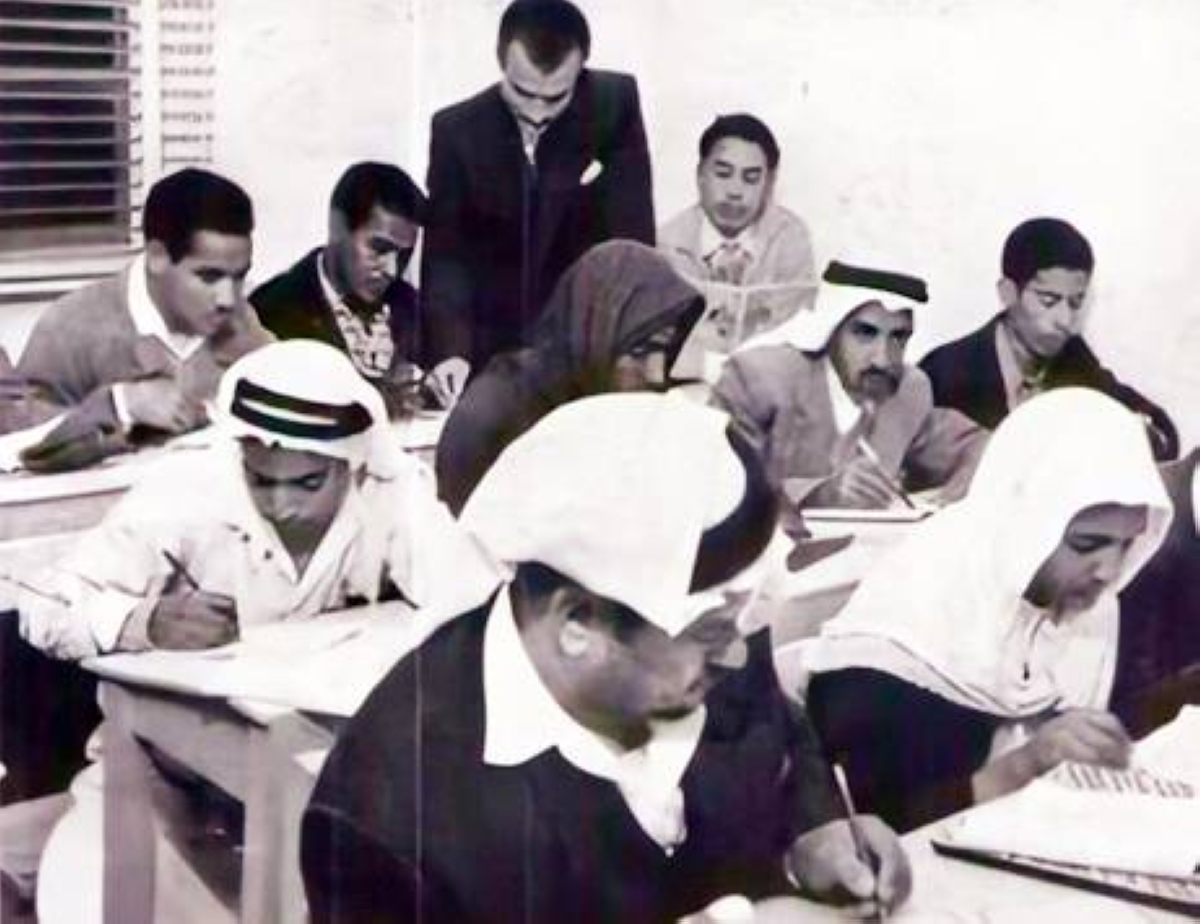
وسرعان ما شقّت أفكار الشيخ الحصان طريقها إلى التنفيذ عبر افتتاح مدرسة في مدينة الدمام أُطلق عليها اسم غير مألوف هو «معهد الثقافة العربي»، وهو المعهد الذي حقق نجاحاً كبيراً واستقطب أناساً من أعمار مختلفة، كان بعضهم من الطلبة الذين أرادوا التزود بعلوم تساعدهم على إيجاد وظائف ذات دخول جيدة خلال العطلة الصيفية الطويلة، وكان البعض الآخر من التجار الذين رغبوا في تعلم المحاسبة ومسك الدفاتر واللغة الإنجليزية كي يطوّروا أعمالهم التجارية، وكان البعض الثالث من الموظفين العازمين على ترك وظائفهم التقليدية والالتحاق بالوظائف العصرية ذات المدخول المرتفع بمقاييس ذلك الزمن.
وبسبب النجاح الذي حققه المعهد في الدمام، قرر الشيخ الحصان افتتاح فرع له في مدينة الخبر في عام 1959.
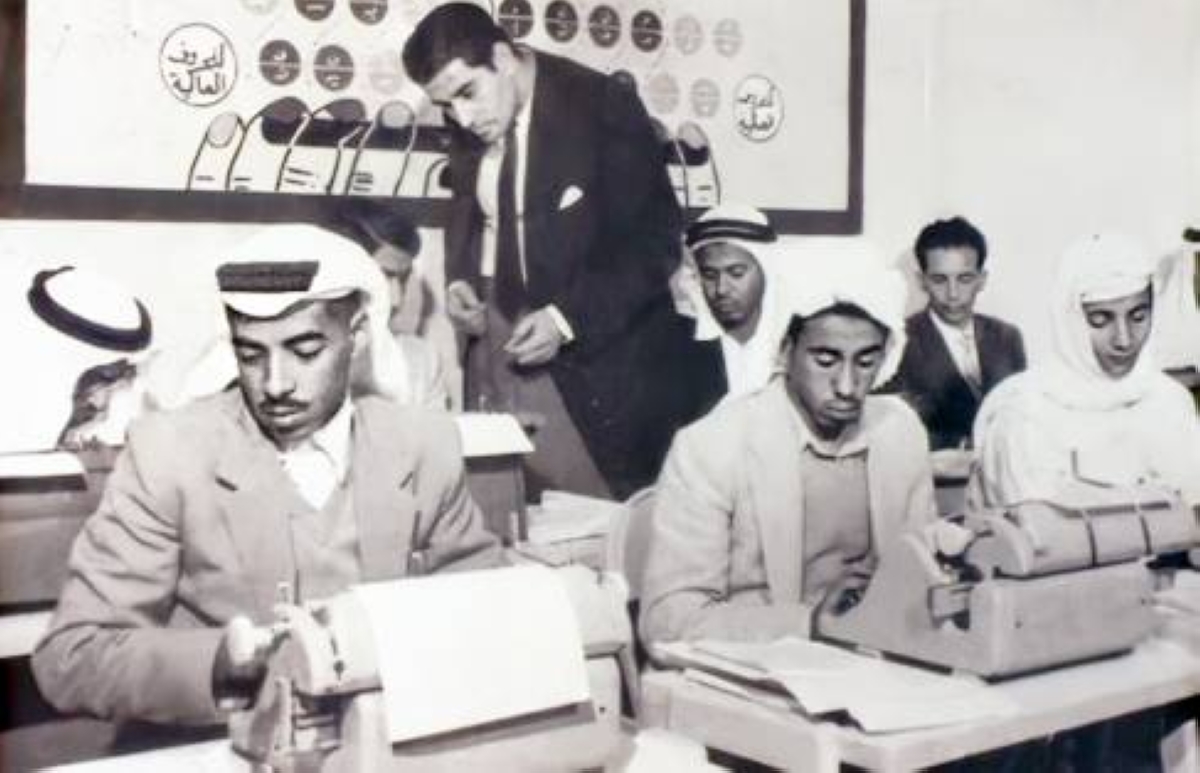
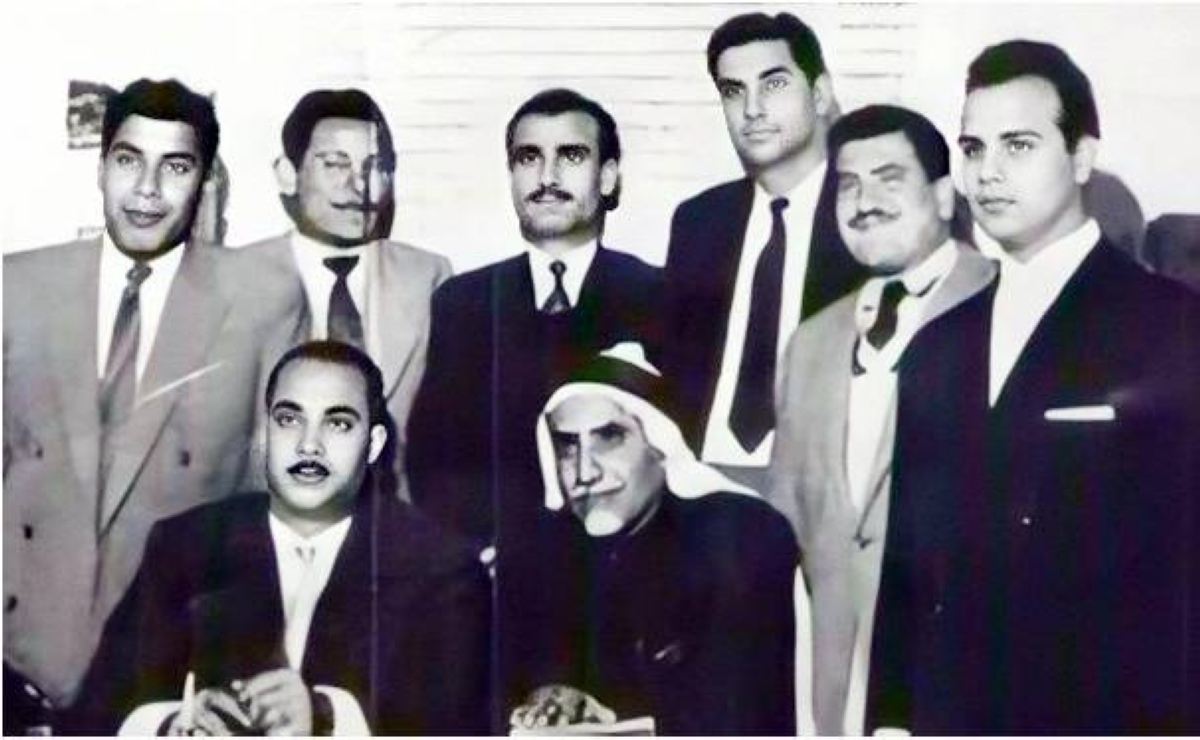
احتل «معهد الثقافة العربي» بالخبر موقعاً إستراتيجياً بوسط السوق التجاري الحديث في شارع الملك خالد الذي كان يُسمى وقتها شارع الأمير خالد، ما بين شارعي التقاطعين الثالث والرابع، حيث استأجر الحصان معظم شقق الدور العلوي من عمارة حديثة مكونة من دورين (أرضي وعلوي)، كان يتردد وقتها أن ملكيتها تعود إلى الأمير خالد بن عبدالعزيز( الملك خالد لاحقاً)، ثم حوّل هذه الشقق إلى مكاتب إدارية وفصول دراسية وغرف مطالعة، ووضع فوقها لوحة طويلة لافتة للنظر تقول «معهد الثقافة العربي». قام الأستاذ محمد عثمان طه بإدارة فرع المعهد في الخبر، كما قام باختيار المدرسين من أطقم المعلمين العاملين في مدارس الخبر الابتدائية، ولاسيما من مدرسة الخبر الثانية التي بنتها أرامكو والتي كانت تعجّ بالمعلمين العرب من ذوي الكفاءة والخبرة. فكان هؤلاء المدرسون القادمون من مصر والأردن وفلسطين ولبنان يدرّسون صباحاً في المدارس التي عُينوا فيها من قبل وزارة المعارف، ويعملون مساء (من الساعة السادسة حتى الساعة العاشرة) في «معهد الثقافة العربي»، خصوصاً أن بعضهم كان مُجازاً في العلوم التي كان المعهد يدرّسها لطلبته ومنتسبيه.
معهد الثقافة العربي
وأتذكر شخصياً أن الكثير من أبناء وسكنة الخبر ممن انتسب للمعهد كان فخوراً بالتحاقه بهذا المعهد، ويمشي وسطنا بخيلاء، ويضع في جيب معطفه أكثر من قلم حبر، وكأنه التحق بجامعة عريقة وتخرج منها بدرجة علمية عليا. والحقيقة أن «معهد الثقافة العربي» رغم حداثة فكرته في تلك الفترة من تاريخ الخبر المبكر تمكن من ترسيخ أقدامه وتوطيد اسمه في الساحة التربوية، بل وراح يقتفي أثر المعاهد العليا في الخارج من حيث تزويد طلبته ببطاقات هوية خاصة (كارنيهات) تمكنهم من الدخول للمعهد وقت ما يشاؤون لأغراض المطالعة والمراجعة، ومنحهم شهادات تفيد بإكمالهم برامج كاملة في هذا التخصص أو ذاك.
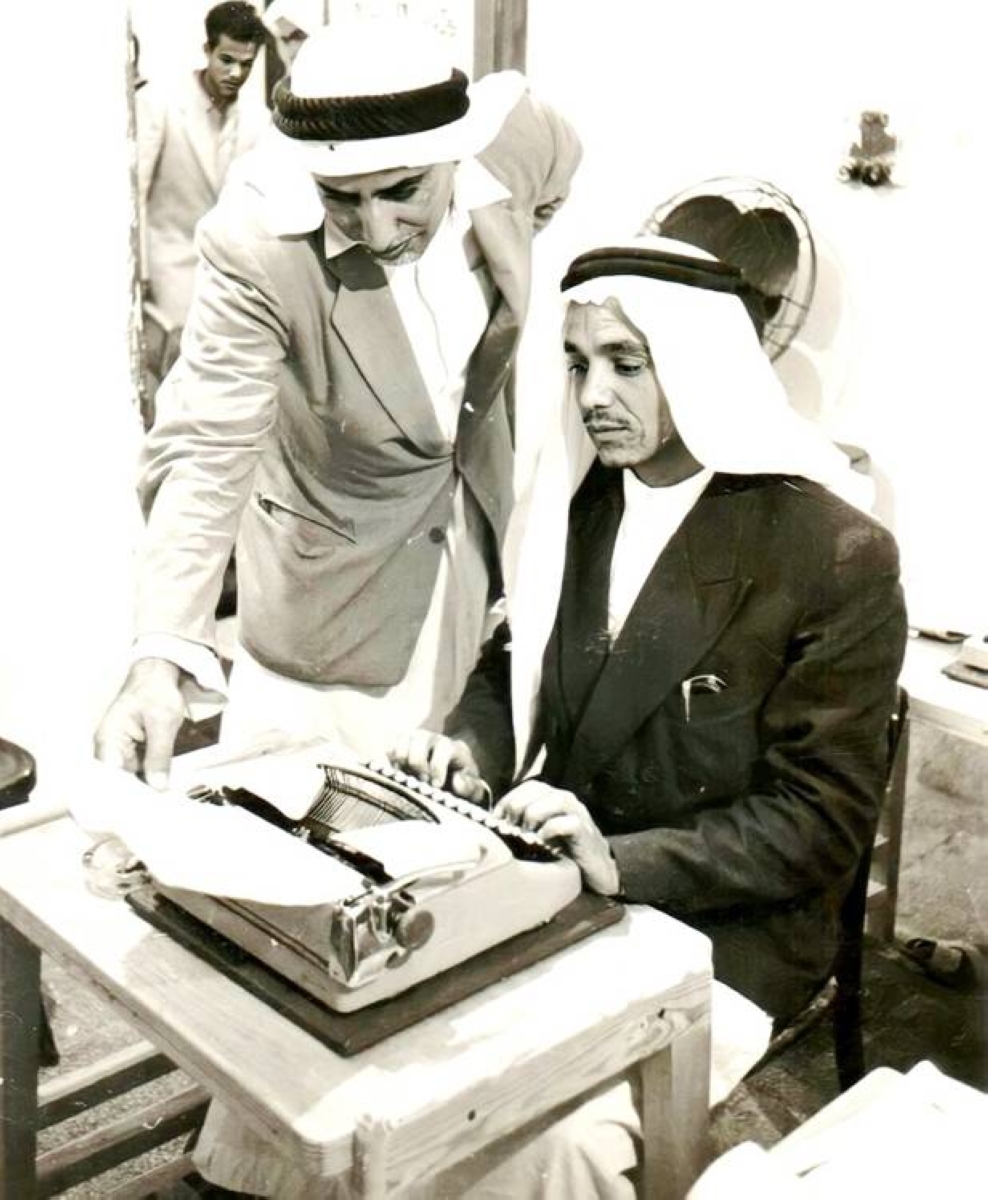
كان أكثر التخصصات من حيث الإقبال ــ طبقاً لما رواه لنا أحد المدرسين ــ هو الكتابة على الآلة الكاتبة. وهذا لم يكن غريباً لأن معظم الشركات والمؤسسات والمصارف آنذاك كانت بحاجة لمن يجيد التعامل مع الآلة الكاتبة، في كتابة الرسائل أو استنساخها أو إعداد التقارير المطبوعة، ناهيك عن أن الآلة بحد ذاتها كانت من الاختراعات الساحرة والجاذبة في تلك الأيام، ولم تكن متوفرة وقتها للبيع إلا من نوع «أوليفيتي» الإيطالي لدى محلات «العلم الأخضر» في شارع الملك خالد لصاحبيها التاجرين البحرينيين علي وجاسم بن الشيخ. ولهذا السبب اهتم «معهد الثقافة العربي» بصفة خاصة بفصول تعليم الآلة الكاتبة وزودها بـ15 آلة بعضها باللغة العربية والبعض الآخر باللغة الإنجليزية.
ويمكننا القول، إن «معهد الثقافة العربي» بفرعيه في الدمام والخبر، كان نواة صروح تعليمية خاصة كثيرة أقامها الشيخ عبدالعزيز الحصان وولده رشيد عبدالعزيز الحصان من بعده في مدن المنطقة الشرقية إلى أن وصلت اليوم إلى «مجموعة الحصان للتعليم والتدريب القابضة». ومن هنا أُطلق على الشيخ الحصان لقب «رائد التعليم الأهلي بالمنطقة الشرقية»، وهو لقب مستحق ليس لأن صاحبه وقف وراء فكرة افتتاح أول معهد أهلي لتعليم الكبار وأول روضة خاصة للأطفال فقط، وإنما أيضاً لأنه كان مؤمناً بأن المرأة هي نصف المجتمع وهي صانعة الأجيال، وبالتالي فمن الضروري إتاحة الفرصة أمامها للانخراط في العملية التعليمية والتربوية. وقد تجلى ذلك في قيامه بتأسيس وافتتاح أول مدرسة أهلية لتعليم البنات بالمنطقة الشرقية سنة 1959، أي قبل أن تفتح الرئاسة العامة لتعليم البنات مدارسها بعامين، هذا علماً بأن تعليم البنات حتى تاريخه كان يتم داخل بعض البيوت على يد من كان يُطلق عليهن «المطوّعات»، باستثناء شبه مدرسة للبنات افتتحتها البحرينية المثقفة «أمينة السيد» داخل منزلها الفسيح في شارع الملك فهد في خمسينات القرن العشرين.
فكرة تأسيس فصول لتعليم الطباعة
تُوفي الشيخ الحصان ودُفن بمدينة الدمام في عام 1409 للهجرة. أما ميلاده فقد كان في القصيم في عام 1330 للهجرة ونشأ فيها نشأة عصامية دون الاعتماد على شيء سوى المولى عز وجل ثم قدراته الذاتية. وحينما شبّ عمل لبعض الوقت في التجارة، مهنة والده ومعظم أقاربه من أهل بريدة، قبل أن يترك التجارة ويستقر بالدمام للعمل في «هيئة المشاريع العمرانية» التي صار لاحقاً مديراً لها. وتذكر المصادر التاريخية الخاصة بعائلة «الرشيد الحصان» في المملكة العربية السعودية والكويت أنهم ينتسبون إلى الجبور من بني خالد، وأن بعضهم هاجر إلى الخميسية في جنوب العراق ومن ثم إلى الكويت من أجل التجارة في القرن التاسع عشر الميلادي.
نقطة التحول في حياة الشيخ حصان ــ طبقاً لما ورد في مقال عنه بجريدة اليوم (15/ 1/ 2015) ــ كانت يوم أن قام بنشر إعلان في الصحافة باسم «هيئة المشاريع العمرانية» يطلب فيه سكرتيراً يجيد الطباعة على الآلة الكاتبة. جلس الشيخ الحصان ينتظر تقدم أي شخص لإشغال الوظيفة، لكن انتظاره طال دون جدوى. ومن هنا بدأت فكرة تأسيس فصول لتعليم المواطنين والراغبين الطباعة على الآلة الكاتبة تلحّ عليه، قبل أن تتطور الفكرة إلى تأسيس معهد أهلي يقوم بتدريس الطباعة على الآلة الكاتبة، إلى جانب غيرها من العلوم ذات الصلة بالأعمال المكتبية والتجارية.
وهكذا كانت الآلة الكاتبة هي التي أوحت للشيخ الحصان بفكرة تأسيس «معهد الثقافة العربي» في كل من الدمام والخبر، وهي التي ارتبط اسمها باسم معهده أكثر من أي شيء آخر.
عبدالعزيز رشيد الحصان.. رائد التعليم الأهلي في شرق السعودية
29 سبتمبر 2025 - 03:27
|
آخر تحديث 29 سبتمبر 2025 - 03:27


تابع قناة عكاظ على الواتساب
بقلم: د. عبدالله المدني abu_taymour@
There is a close connection between the invention and manufacturing of the typewriter and the development of the art of printing, which was invented by the German scientist Gutenberg through a printing machine similar to a press for printing individual letters. Since Gutenberg's time, European countries have competed with each other to improve the performance of the printing press, redesign it, and invent machines that mimic it in a better, easier, and faster way. From here, the idea of inventing a mechanical writing machine that could write quickly and accurately emerged. Additionally, more than 50 scientists from various countries entered a fierce race between the 16th and 19th centuries to achieve some progress in this field.
It is said that the first to succeed in creating a primitive mechanical typewriter in 1714 was the English engineer "Henry Mill," who was rewarded by "Queen Anne," the Queen of Britain at the time, by granting him the exclusive right to manufacture his primitive machine. Following "Henry Mill," the American inventor "William Burt" designed a typewriter in 1829 shaped like a semicircular wheel. In 1833, the Frenchman Brogden succeeded in inventing the first typewriter capable of moving the paper between the letters. Soon after, the American inventor "Charles Grover" developed this technique in 1843 and used it in a more advanced writing machine.
After that, developments and inventions continued, but no invented typewriter could prove itself practically easy and simplified until 1868 when a breakthrough occurred in this field, caused by the combined efforts of three inventors from the United States: "Christopher Latham Sholes," "Carlos Glidden," and "Samuel W. Soul."
The efforts of these three led to the invention of the first successful and practical typewriter. Naturally, improvements continued on the machine until it reached its current form. It is worth noting here that all the machines that were invented had English letters, making it difficult to use them for writing in Arabic. For this reason, two Egyptians of Lebanese origin, "Philip Waked" and "Salim Shalabi Saad Haddad," took the initiative in 1914 to design the first typewriter with Arabic letters, naming it "Haddad." It is noteworthy that the spread of the typewriter with Arabic letters in Arab countries and its transformation into a sought-after machine in their government departments, banks, companies, and schools took nearly three decades due to the difficulties faced by Western factories producing typewriters in manufacturing machines that write in Arabic, which is opposite to English in terms of reading and writing direction.
The above serves as a prelude to discussing a self-made personality known as "the pioneer of private education in the eastern region of the Kingdom of Saudi Arabia." Who is this personality? Why is he known by that title? What is his connection to the typewriter, of which we have narrated some history? This is what we will address in this article dedicated to documenting the biography of the late Sheikh "Abdulaziz bin Rashid Al-Hossan" and his role in providing private educational institutes for the elderly and establishing kindergartens for children before they join formal education.
Until the late 1950s, there were no private institutes for adult education in the cities of the eastern coast of the Kingdom of Saudi Arabia, nor were there kindergartens for children of pre-primary school age. However, one of its citizens working in the eastern region bravely and courageously took on the matter. In 1958, Sheikh Abdulaziz Rashid Al-Hossan, a self-made man from Al-Qassim who settled in the eastern region with his family, invested in private education with technical assistance from the Egyptian educator Mr. Muhammad Osman Taha, who was working there as part of the Egyptian educational mission.
At that time, Sheikh Al-Hossan's goal was to help the elderly who had missed the train of knowledge to learn modern subjects required by the emerging job markets due to the discovery and export of oil, and the expansion of various commercial, construction, and service businesses. In other words, he wanted to help his fellow citizens secure many jobs in the private sector that required skills in the English language, using the typewriter in both Arabic and English, bookkeeping, accounting, correspondence with companies, and more.
As for his goal for kindergartens, it was to occupy children's free time with preliminary sciences before they joined public schools so that their understanding would be better and faster, and their fear of regular school and mingling with others would be less. Accordingly, he allocated a special section in his institute for children, where they would attend in the morning and practice writing, reading, drawing, singing, and participating in competitions and some light sports activities in an atmosphere of spontaneity and innocence.
Soon, Sheikh Al-Hossan's ideas found their way to implementation through the opening of a school in the city of Dammam called the "Institute of Arab Culture," which achieved great success and attracted people of different ages, some of whom were students wanting to acquire knowledge to help them find good-paying jobs during the long summer vacation, while others were traders wishing to learn accounting, bookkeeping, and English to develop their businesses. A third group consisted of employees determined to leave their traditional jobs and join modern high-paying jobs by the standards of that time.
Due to the success achieved by the institute in Dammam, Sheikh Al-Hossan decided to open a branch in the city of Khobar in 1959.
The "Institute of Arab Culture" in Khobar occupied a strategic location in the middle of the modern commercial market on King Khalid Street, which was then called Prince Khalid Street, between the third and fourth intersecting streets. Al-Hossan rented most of the upper floor apartments of a modern two-story building (ground and upper), which was rumored to be owned by Prince Khalid bin Abdulaziz (later King Khalid), and converted these apartments into administrative offices, classrooms, and reading rooms, placing a long eye-catching sign above them that read "Institute of Arab Culture." Mr. Muhammad Osman Taha managed the branch of the institute in Khobar and selected teachers from the staff working in the primary schools of Khobar, especially from the second Khobar school built by Aramco, which was bustling with Arab teachers of competence and experience. These teachers, coming from Egypt, Jordan, Palestine, and Lebanon, taught in the schools where they were assigned by the Ministry of Education in the morning and worked in the "Institute of Arab Culture" in the evening (from 6 PM to 10 PM), especially since some of them were qualified in the subjects that the institute taught to its students and members.
Institute of Arab Culture
I personally remember that many of the sons and residents of Khobar who enrolled in the institute were proud to be part of it, walking among us with pride, carrying more than one fountain pen in their coat pockets, as if they had joined a prestigious university and graduated with a high academic degree. The truth is that the "Institute of Arab Culture," despite its modern idea at that time in the early history of Khobar, managed to establish its presence and solidify its name in the educational arena, and it even began to follow the path of higher institutes abroad by providing its students with special identity cards (carnets) that allowed them to enter the institute whenever they wished for study and review purposes, and granting them certificates indicating their completion of full programs in this or that specialty.
The most popular specialty, according to one of the teachers, was typing on the typewriter. This was not surprising, as most companies, institutions, and banks at that time needed someone skilled in using the typewriter for writing or duplicating letters or preparing printed reports, not to mention that the typewriter itself was one of the fascinating and attractive inventions of those days, and it was only available for sale from the Italian "Olivetti" type at the "Green Science" stores on King Khalid Street, owned by the Bahraini merchants Ali and Jassim bin Sheikh. For this reason, the "Institute of Arab Culture" paid special attention to typing classes and equipped them with 15 typewriters, some in Arabic and others in English.
We can say that the "Institute of Arab Culture," with its branches in Dammam and Khobar, was the nucleus of many private educational institutions established by Sheikh Abdulaziz Al-Hossan and his son Rashid Abdulaziz Al-Hossan afterward in the cities of the eastern region until it reached today to become the "Al-Hossan Group for Education and Training Holding." Hence, Sheikh Al-Hossan earned the title "Pioneer of Private Education in the Eastern Region," a well-deserved title not only because he stood behind the idea of opening the first private institute for adult education and the first private kindergarten for children but also because he believed that women are half of society and the makers of generations, and therefore it is essential to provide them with the opportunity to engage in the educational and pedagogical process. This was evident in his establishment and opening of the first private school for girls in the eastern region in 1959, two years before the General Presidency for Girls' Education opened its schools, noting that girls' education until that time was conducted inside some homes by those referred to as "the devoted," except for a semi-school for girls opened by the cultured Bahraini "Amina Al-Sayed" inside her spacious home on King Fahd Street in the 1950s.
The Idea of Establishing Typing Classes
Sheikh Al-Hossan passed away and was buried in the city of Dammam in 1409 AH. He was born in Al-Qassim in 1330 AH and grew up there as a self-made man relying solely on God Almighty and his own abilities. When he grew up, he worked for a while in trade, a profession of his father and most of his relatives from Al-Buraidah, before leaving trade and settling in Dammam to work in the "Urban Projects Authority," which he later became the director of. Historical sources related to the "Al-Rashid Al-Hossan" family in the Kingdom of Saudi Arabia and Kuwait indicate that they belong to the Al-Jabour from the Banu Khalid, and that some of them migrated to Al-Khamesiya in southern Iraq and then to Kuwait for trade in the 19th century.
The turning point in Sheikh Hossan's life, according to an article about him in Al-Youm newspaper (15/1/2015), was when he published an advertisement in the press under the name "Urban Projects Authority" seeking a secretary proficient in typing on the typewriter. Sheikh Al-Hossan sat waiting for anyone to apply for the position, but his wait was prolonged without success. From here, the idea of establishing classes to teach citizens and those interested in typing on the typewriter began to press upon him, before the idea evolved into establishing a private institute that would teach typing on the typewriter, along with other related sciences in office and commercial work.
Thus, it was the typewriter that inspired Sheikh Al-Hossan to establish the "Institute of Arab Culture" in both Dammam and Khobar, and it is the one that is more closely associated with his institute than anything else.
It is said that the first to succeed in creating a primitive mechanical typewriter in 1714 was the English engineer "Henry Mill," who was rewarded by "Queen Anne," the Queen of Britain at the time, by granting him the exclusive right to manufacture his primitive machine. Following "Henry Mill," the American inventor "William Burt" designed a typewriter in 1829 shaped like a semicircular wheel. In 1833, the Frenchman Brogden succeeded in inventing the first typewriter capable of moving the paper between the letters. Soon after, the American inventor "Charles Grover" developed this technique in 1843 and used it in a more advanced writing machine.
After that, developments and inventions continued, but no invented typewriter could prove itself practically easy and simplified until 1868 when a breakthrough occurred in this field, caused by the combined efforts of three inventors from the United States: "Christopher Latham Sholes," "Carlos Glidden," and "Samuel W. Soul."
The efforts of these three led to the invention of the first successful and practical typewriter. Naturally, improvements continued on the machine until it reached its current form. It is worth noting here that all the machines that were invented had English letters, making it difficult to use them for writing in Arabic. For this reason, two Egyptians of Lebanese origin, "Philip Waked" and "Salim Shalabi Saad Haddad," took the initiative in 1914 to design the first typewriter with Arabic letters, naming it "Haddad." It is noteworthy that the spread of the typewriter with Arabic letters in Arab countries and its transformation into a sought-after machine in their government departments, banks, companies, and schools took nearly three decades due to the difficulties faced by Western factories producing typewriters in manufacturing machines that write in Arabic, which is opposite to English in terms of reading and writing direction.
The above serves as a prelude to discussing a self-made personality known as "the pioneer of private education in the eastern region of the Kingdom of Saudi Arabia." Who is this personality? Why is he known by that title? What is his connection to the typewriter, of which we have narrated some history? This is what we will address in this article dedicated to documenting the biography of the late Sheikh "Abdulaziz bin Rashid Al-Hossan" and his role in providing private educational institutes for the elderly and establishing kindergartens for children before they join formal education.
Until the late 1950s, there were no private institutes for adult education in the cities of the eastern coast of the Kingdom of Saudi Arabia, nor were there kindergartens for children of pre-primary school age. However, one of its citizens working in the eastern region bravely and courageously took on the matter. In 1958, Sheikh Abdulaziz Rashid Al-Hossan, a self-made man from Al-Qassim who settled in the eastern region with his family, invested in private education with technical assistance from the Egyptian educator Mr. Muhammad Osman Taha, who was working there as part of the Egyptian educational mission.
At that time, Sheikh Al-Hossan's goal was to help the elderly who had missed the train of knowledge to learn modern subjects required by the emerging job markets due to the discovery and export of oil, and the expansion of various commercial, construction, and service businesses. In other words, he wanted to help his fellow citizens secure many jobs in the private sector that required skills in the English language, using the typewriter in both Arabic and English, bookkeeping, accounting, correspondence with companies, and more.
As for his goal for kindergartens, it was to occupy children's free time with preliminary sciences before they joined public schools so that their understanding would be better and faster, and their fear of regular school and mingling with others would be less. Accordingly, he allocated a special section in his institute for children, where they would attend in the morning and practice writing, reading, drawing, singing, and participating in competitions and some light sports activities in an atmosphere of spontaneity and innocence.
Soon, Sheikh Al-Hossan's ideas found their way to implementation through the opening of a school in the city of Dammam called the "Institute of Arab Culture," which achieved great success and attracted people of different ages, some of whom were students wanting to acquire knowledge to help them find good-paying jobs during the long summer vacation, while others were traders wishing to learn accounting, bookkeeping, and English to develop their businesses. A third group consisted of employees determined to leave their traditional jobs and join modern high-paying jobs by the standards of that time.
Due to the success achieved by the institute in Dammam, Sheikh Al-Hossan decided to open a branch in the city of Khobar in 1959.
The "Institute of Arab Culture" in Khobar occupied a strategic location in the middle of the modern commercial market on King Khalid Street, which was then called Prince Khalid Street, between the third and fourth intersecting streets. Al-Hossan rented most of the upper floor apartments of a modern two-story building (ground and upper), which was rumored to be owned by Prince Khalid bin Abdulaziz (later King Khalid), and converted these apartments into administrative offices, classrooms, and reading rooms, placing a long eye-catching sign above them that read "Institute of Arab Culture." Mr. Muhammad Osman Taha managed the branch of the institute in Khobar and selected teachers from the staff working in the primary schools of Khobar, especially from the second Khobar school built by Aramco, which was bustling with Arab teachers of competence and experience. These teachers, coming from Egypt, Jordan, Palestine, and Lebanon, taught in the schools where they were assigned by the Ministry of Education in the morning and worked in the "Institute of Arab Culture" in the evening (from 6 PM to 10 PM), especially since some of them were qualified in the subjects that the institute taught to its students and members.
Institute of Arab Culture
I personally remember that many of the sons and residents of Khobar who enrolled in the institute were proud to be part of it, walking among us with pride, carrying more than one fountain pen in their coat pockets, as if they had joined a prestigious university and graduated with a high academic degree. The truth is that the "Institute of Arab Culture," despite its modern idea at that time in the early history of Khobar, managed to establish its presence and solidify its name in the educational arena, and it even began to follow the path of higher institutes abroad by providing its students with special identity cards (carnets) that allowed them to enter the institute whenever they wished for study and review purposes, and granting them certificates indicating their completion of full programs in this or that specialty.
The most popular specialty, according to one of the teachers, was typing on the typewriter. This was not surprising, as most companies, institutions, and banks at that time needed someone skilled in using the typewriter for writing or duplicating letters or preparing printed reports, not to mention that the typewriter itself was one of the fascinating and attractive inventions of those days, and it was only available for sale from the Italian "Olivetti" type at the "Green Science" stores on King Khalid Street, owned by the Bahraini merchants Ali and Jassim bin Sheikh. For this reason, the "Institute of Arab Culture" paid special attention to typing classes and equipped them with 15 typewriters, some in Arabic and others in English.
We can say that the "Institute of Arab Culture," with its branches in Dammam and Khobar, was the nucleus of many private educational institutions established by Sheikh Abdulaziz Al-Hossan and his son Rashid Abdulaziz Al-Hossan afterward in the cities of the eastern region until it reached today to become the "Al-Hossan Group for Education and Training Holding." Hence, Sheikh Al-Hossan earned the title "Pioneer of Private Education in the Eastern Region," a well-deserved title not only because he stood behind the idea of opening the first private institute for adult education and the first private kindergarten for children but also because he believed that women are half of society and the makers of generations, and therefore it is essential to provide them with the opportunity to engage in the educational and pedagogical process. This was evident in his establishment and opening of the first private school for girls in the eastern region in 1959, two years before the General Presidency for Girls' Education opened its schools, noting that girls' education until that time was conducted inside some homes by those referred to as "the devoted," except for a semi-school for girls opened by the cultured Bahraini "Amina Al-Sayed" inside her spacious home on King Fahd Street in the 1950s.
The Idea of Establishing Typing Classes
Sheikh Al-Hossan passed away and was buried in the city of Dammam in 1409 AH. He was born in Al-Qassim in 1330 AH and grew up there as a self-made man relying solely on God Almighty and his own abilities. When he grew up, he worked for a while in trade, a profession of his father and most of his relatives from Al-Buraidah, before leaving trade and settling in Dammam to work in the "Urban Projects Authority," which he later became the director of. Historical sources related to the "Al-Rashid Al-Hossan" family in the Kingdom of Saudi Arabia and Kuwait indicate that they belong to the Al-Jabour from the Banu Khalid, and that some of them migrated to Al-Khamesiya in southern Iraq and then to Kuwait for trade in the 19th century.
The turning point in Sheikh Hossan's life, according to an article about him in Al-Youm newspaper (15/1/2015), was when he published an advertisement in the press under the name "Urban Projects Authority" seeking a secretary proficient in typing on the typewriter. Sheikh Al-Hossan sat waiting for anyone to apply for the position, but his wait was prolonged without success. From here, the idea of establishing classes to teach citizens and those interested in typing on the typewriter began to press upon him, before the idea evolved into establishing a private institute that would teach typing on the typewriter, along with other related sciences in office and commercial work.
Thus, it was the typewriter that inspired Sheikh Al-Hossan to establish the "Institute of Arab Culture" in both Dammam and Khobar, and it is the one that is more closely associated with his institute than anything else.


