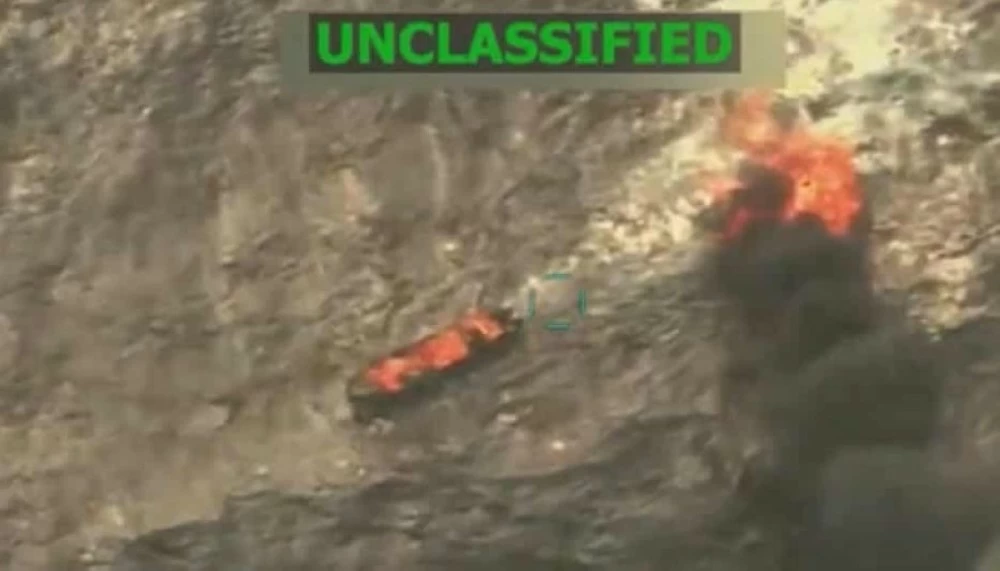
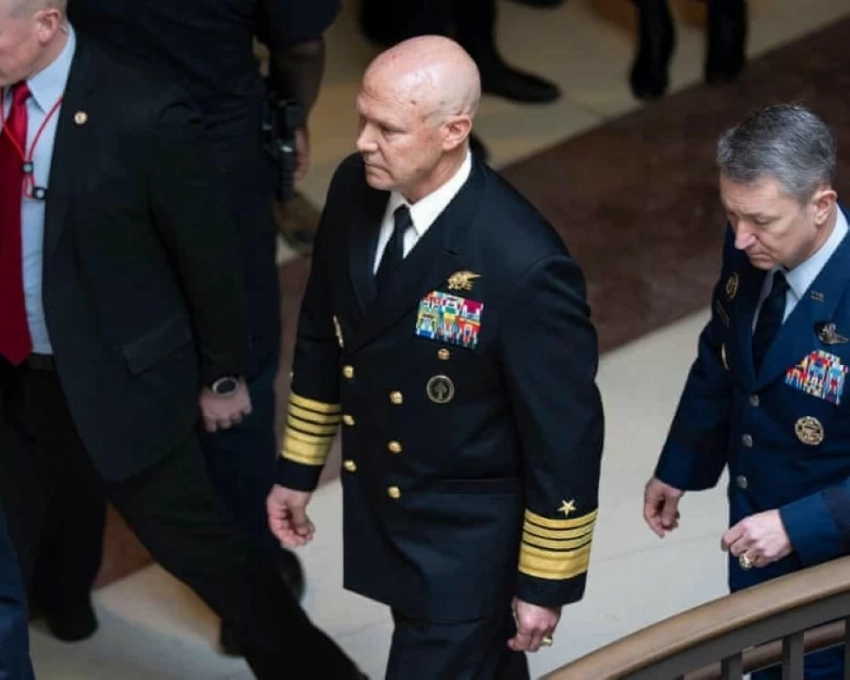
في تطور يهز أسس السياسة الخارجية الأمريكية، أعلن رئيس لجنة الخدمات المسلحة في مجلس الشيوخ الجمهوري روجر ويكر، اليوم (الخميس)، أن لجنته ستتلقى تسجيلات صوتية ومرئية كاملة للضربات العسكرية الأمريكية على قوارب مشتبهة بنقل المخدرات في بحر الكاريبي، كجزء من تحقيق يركز على ما إذا كان الناجون الذين يتشبثون بحطام السفن قد تعرضوا لاستهداف متعمد.
هذه الخطوة تأتي وسط موجة من الغضب الثنائي الحزبي، حيث يُتهم وزير الدفاع بيت هيغسيث بإصدار أوامر تتجاوز القانون الدولي، في حملة أسفرت عن مقتل 83 شخصاً في 21 غارة عسكرية بين أوائل سبتمبر ومنتصف نوفمبر.
بداية الحملة: من الإعلان إلى الضربة الأولى
بدأت القصة في 2 سبتمبر 2025، عندما أعلن الرئيس دونالد ترمب أول غارة جوية أمريكية في الكاريبي، استهدفت قارباً فنزويلياً يُزعم أنه ينقل مخدرات، ما أسفر عن مقتل 11 شخصاً.
ونشر ترمب فيديو للعملية، ووصفها بأنها «ضربة قاضية» ضد «إرهابيي المخدرات» التابعين لكارتل «ترين دي أراغوا» الفنزويلي.
وفي اليوم التالي، أكد هيغسيث استمرار العمليات، مدعياً أنها «مصرح بها قانونياً» لمكافحة تهريب المخدرات التي «تسمم الشعب الأمريكي».
ومع توسع الحملة تحت اسم «عملية رمح الجنوب» (Operation Southern Spear)، أجرت القوات الأمريكية 21 ضربة بحرية وجوية في الكاريبي وشرق المحيط الهادئ، قتلت فيها 83 شخصاً، بمن في ذلك مواطنون كولومبيون وفنزويليون.
وأعلن هيغسيث بعض الضربات عبر حسابه على «إكس»، مثل ضربة في 3 أكتوبر أسفرت عن مقتل 4 أشخاص، وأخرى في 17 أكتوبر قتلت 3 رجال مرتبطين بجماعات مسلحة كولومبية.
ومع ذلك، نفت الحكومة الفنزويلية والكولومبية الاتهامات، معتبرة الضربات «اعتداءً عدوانياً» دون أدلة.
غضب داخل الكونغرس بعد مقتل 83 شخصاً في غارات أمريكية.
الضربة الثانية واتهامات القتل المتعمد
وأثارت الضربة الأولى في 2 سبتمبر جدلاً أكبر بعد تقرير لـ«واشنطن بوست» كشف أن الغارة الأولى أحرقت القارب وقتلت 9 أشخاص، لكن اثنين نجيا وتشبثا بحطام السفينة المحترقة.
ووفقاً لمصادر عسكرية تحدثت إلى صحيفة «الغارديان»، أمر هيغسيث شفهياً بـ«قتل الجميع» قبل العملية، ما دفع الأدميرال فرانك برادلي، قائد العملية، إلى إصدار أمر بضربة ثانية (second tap) لإنهاء المهمة، ما أدى إلى مقتل الناجين.
فيما نفت الإدارة أن هيغسيث أمر صراحة بقتل الناجين، مدعية أن الهدف كان تدمير البضاعة المخدرة لمنع استردادها من قبل الكارتلات، لكن التقارير تشير إلى أن برادلي أمر بالضربة بعد رصد إشارة راديو من أحد الناجين لطلب مساعدة.
على صعيد متصل، وصف السيناتور الجمهوري توم تيليس التقارير بأنها «انتهاك للمعايير الأخلاقية والقانونية»، قائلاً: «من أصدر هذا الأمر يجب أن يُطرد من واشنطن فوراً».
أما زعيم الأقلية في الشيوخ تشاك شومر (ديموقراطي) فقد طالب هيغسيث بإصدار الفيديوهات فوراً لتوضيح ما إذا كانت الضربة غير مشروعة، وأعلن تقديم قرار حول الصلاحيات الحربية مع السيناتورين تيم كاين وراند بول لمنع نشر قوات أمريكية في فنزويلا إذا أمر ترمب بضربات إضافية.
من الدفاع إلى التحقيقات الدولية
بدورها، دافعت المتحدثة باسم البيت الأبيض كارولين ليفت عن برادلي، مؤكدة أنه عمل «ضمن صلاحياته القانونية»، ونفت الإدارة أن هيغسيث أمر شخصياً بقتل الجميع.
ترمب نفسه ابتعد عن المسؤولية، قائلاً إنه «لم يكن يريد الضربة الثانية»، لكنه دافع عن السياسة العامة لاستخدام القوة الفتاكة ضد المشتبهين بتهريب المخدرات، وفي اجتماع مجلس الوزراء الثلاثاء الماضي، أكد هيغسيث أن «الحملة لم تبدأ بعد»، واصفاً الضربات بأنها «ضد إرهابيي المخدرات الذين نسميهم في قاع المحيط».
من جانبها، دعت منظمة «هيومن رايتس ووتش» الكونغرس إلى التحقيق في الحملة بأكملها، معتبرة الضربات «غير قانونية» سواء في زمن حرب أو سلام، لأنها تفتقر إلى «الإجراءات القانونية الشفافة».
In a development that shakes the foundations of American foreign policy, Republican Senate Armed Services Committee Chairman Roger Wicker announced today (Thursday) that his committee will receive full audio and video recordings of U.S. military strikes on boats suspected of drug trafficking in the Caribbean, as part of an investigation focusing on whether survivors clinging to the wreckage were deliberately targeted.
This move comes amid a wave of bipartisan outrage, as Defense Secretary Pete Hegseth is accused of issuing orders that exceed international law, in a campaign that resulted in the deaths of 83 people in 21 military strikes between early September and mid-November.
The Beginning of the Campaign: From Announcement to First Strike
The story began on September 2, 2025, when President Donald Trump announced the first U.S. airstrike in the Caribbean, targeting a Venezuelan boat allegedly transporting drugs, resulting in the deaths of 11 people.
Trump released a video of the operation, describing it as a "knockout blow" against "drug terrorists" affiliated with the Venezuelan "Train de Aragua" cartel.
The following day, Hegseth confirmed the continuation of operations, claiming they were "legally authorized" to combat drug trafficking that "poisons the American people."
As the campaign expanded under the name "Operation Southern Spear," U.S. forces conducted 21 naval and aerial strikes in the Caribbean and Eastern Pacific, killing 83 people, including Colombian and Venezuelan citizens.
Hegseth announced some strikes via his account on "X," such as a strike on October 3 that resulted in the deaths of 4 people, and another on October 17 that killed 3 men linked to Colombian armed groups.
However, the Venezuelan and Colombian governments denied the accusations, deeming the strikes "an aggressive assault" without evidence.
غضب داخل الكونغرس بعد مقتل 83 شخصاً في غارات أمريكية.
The Second Strike and Accusations of Intentional Killing
The first strike on September 2 sparked greater controversy after a report by the "Washington Post" revealed that the initial raid burned the boat and killed 9 people, but two survived and clung to the wreckage of the burning ship.
According to military sources who spoke to the "Guardian," Hegseth verbally ordered to "kill everyone" before the operation, prompting Admiral Frank Bradley, the operation's commander, to issue an order for a second strike to finish the job, resulting in the deaths of the survivors.
While the administration denied that Hegseth explicitly ordered the killing of the survivors, claiming the goal was to destroy the drug cargo to prevent its retrieval by the cartels, reports indicate that Bradley ordered the strike after detecting a radio signal from one of the survivors requesting help.
In a related context, Republican Senator Tom Tillis described the reports as "a violation of ethical and legal standards," stating, "Whoever issued this order should be expelled from Washington immediately."
Meanwhile, Senate Minority Leader Chuck Schumer (Democrat) called for Hegseth to release the videos immediately to clarify whether the strike was unlawful, announcing he would introduce a resolution regarding war powers with Senators Tim Kaine and Rand Paul to prevent the deployment of U.S. forces in Venezuela if Trump ordered additional strikes.
From Defense to International Investigations
For her part, White House spokesperson Caroline Levitt defended Bradley, asserting that he acted "within his legal authority," and the administration denied that Hegseth personally ordered everyone to be killed.
Trump himself distanced himself from responsibility, stating he "did not want the second strike," but defended the overall policy of using lethal force against suspected drug traffickers, and in a Cabinet meeting last Tuesday, Hegseth confirmed that "the campaign has not yet begun," describing the strikes as "against drug terrorists we call at the bottom of the ocean."
Meanwhile, Human Rights Watch called on Congress to investigate the entire campaign, deeming the strikes "illegal" whether in times of war or peace, as they lack "transparent legal procedures."