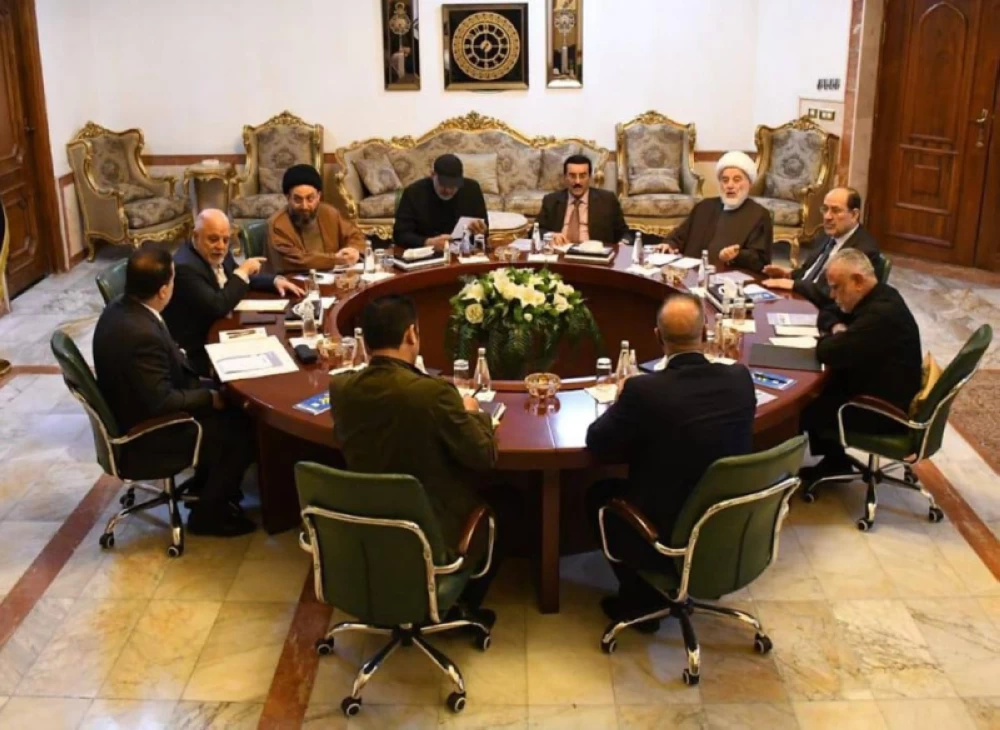
حرب بيانات اندلعت بين أقطاب الإطار التنسيقي على خلفية اختيار رئيس الوزراء الجديد، وتعتبر كل كتلة سياسية أن زعيمها هو الأنسب لتولي الحكومة الجديدة.
حرب البيانات في الإطار الحاكم في العراق ليست وحدها المشتعلة، بل انتقلت العدوى إلى المجلس السياسي الوطني الذي يضم المكون السني الذي يصارع على رئاسة مجلس النواب، حيث يرشح زعيم حزب تقدم محمد الحلبوسي، ووزير التربية السابق محمد تميم، ووزير الدفاع ثابت محمد العباسي، وزعيم تحالف العزم مثنى السامرائي، إلى جانب سالم العيساوي، ومحمود القيسي، أنفسهم لرئاسة مجلس النواب، في الوقت الذي يشهد فيه الإطار التنسيقي الذي يضم المكون الشيعي خلافات على اختيار رئيس الوزراء.
صراع كرسي الحكومة
وبالعودة إلى الصراع على موقع رئيس الوزراء، فقد اشتد الصراع بين أقوى المنافسين وهما محمد شياع السوداني رئيس الوزراء الحالي ونوري المالكي الذي يرغب بقوة العودة إلى هذا الموقع.
ويتضح من بيانات قوى الإطار أن مسألة اختيار رئيس الوزراء ما زالت شائكة، ويعتبر ائتلاف المالكي أن حظوظ زعيمه الآن أقوى من السوداني، وأن ترشيح المالكي هو رغبة من أغلب الكتل والأحزاب من مختلف المكونات.
وآخر ما استخدمه ائتلاف المالكي في مواجهة ائتلاف السوداني هو قدرة المالكي عندما يتولى رئاسة الوزراء، في التفاوض على سحب السلاح الثقيل من قبل الفصائل.
واعتبر مراقبون أن ما يشيع به المالكي من قدرته على نزع سلاح الفصائل هو رسائل داخلية وخارجية مع أن الحكومة العراقية تواجه منذ سنوات ملف «السلاح خارج إطار الدولة»، إذ تؤكد أن انتشار الأسلحة المتوسطة والثقيلة لدى بعض الفصائل يشكّل تحدياً أمام تعزيز الاستقرار وبسط سيادة القانون.
سلاح الفصائل
ويرى رئيس الوزراء «المنتهية ولايته» محمد شياع السوداني، أن نزع سلاح الفصائل المسلحة مرتبط بوجود التحالف الدولي في العراق، الذي تعتبره بعض الفصائل قوة احتلال.
وأوضح أن العراق ملتزم بوضع كل الأسلحة تحت سيطرة الدولة، وأن البرنامج المستقبلي سيشمل دمج الفصائل في قوات الأمن أو الدفاع عبر تسليم أسلحتها.
فيما يقول زعيم ائتلاف دولة القانون نوري المالكي: إن «الفصائل المسلحة أبدت رغبتها في الانخراط ضمن مؤسسات الدولة وتسليم سلاحها الثقيل».
من جانبها، تواصل الولايات المتحدة دعواتها المتكررة لبغداد لضمان ضبط الفصائل المسلحة وتقليص الهجمات التي تستهدف القوات أو المصالح الأمريكية، مؤكدة دعمها لجهود الحكومة في تعزيز المؤسسات الأمنية.
أبرز المرشحين
من جانبه، كشف مصدر من داخل الإطار التنسيقي أن «عدد المرشحين الأكثر حظاً بالفوز برئاسة الوزراء تقلص كثيراً إلى أسماء معدودة، يتقدمها رئيس حكومة تصريف الأعمال محمد شياع السوداني، بالإضافة إلى العبادي والمالكي، مع دخول مرشحين مثل أسعد العيداني وآخرين في القائمة المصغرة.
وبين أن «هذه القائمة ماضية، إلا في حال استجد متغير ما في المشهد السياسي المحلي أو الاقليمي».
وكانت لجنة تقييم المرشحين لمنصب رئيس الوزراء التابعة للإطار التنسيقي، قد وجدت أن الأسماء المرشحة ينحدر أصحابها من كتل نيابية مختلفة، وآخرين من أحزاب متعددة، فضلاً عن بعض المرشحين المستقلين، لكن أغلب هؤلاء لا تنطبق عليهم معايير التنافس على منصب رئيس الوزراء، وفق قولها.
وكان الإطار التنسيقي قد حدد في وقت سابق الشروط والمعايير الواجب توفرها في المرشحين لشغل منصب رئيس الحكومة الجديدة، وأبرزها ألا يكون زعيماً لكتلة سياسية.
منافسة قوية
وفي طور لافت وذات مغزى، كشف ائتلاف النصر، بزعامة رئيس الحكومة السابق حيدر العبادي عن رفض زعيمه الترشح لرئاسة الحكومة وأن اسمه طرح من قبل الإطار التنسيقي، مشيراً إلى أن الاجتماع القادم للإطار ربما يكون حاسماً بتحديد هوية رئيس مجلس الوزراء الجديد.
وقال المتحدث بأسم ائتلاف النصر، سلام الزبيدي، إن «قوى الإطار التنسيقي هي التي أدرجت اسم رئيس الوزراء السابق حيدر العبادي ضمن قائمة المرشحين لرئاسة الحكومة الجديدة، رغم رفضه».
وأضاف أن «هناك استحقاقات وطنية وأخرى خارجية، وبينها ملفات وتحديات داخلية وخارجية، بالتالي قدرة المرشح على التعامل معها تعد من أهم المعايير والمحددات التي يجب أن تتوفر في شخصية رئيس الوزراء القادم».
وأوضح أن «العبادي لا يقبل العمل وفق معادلة يكبل فيها أو يقيد، وبالتالي مسألة اختيار مرشح الحكومة القادمة تحتاج إلى المزيد من التفاهمات، وأن اجتماع الإطار التنسيقي المزمع عقده (الاثنين) القادم، من الممكن أن يشهد تبلور هوية رئيس الوزراء الجديد».
وأكد أن «حظوظ جميع المرشحين لرئاسة الوزراء متساوية حتى اللحظة، لا توجد مفاضلة لشخصية ما على أخرى، إلا بالمعايير المحددة من قبل الإطار»، مشيرا إلى أن «من ستنطبق عليه المعايير في إدارة المرحلة القادمة، ومن يقبل التحديات الإقليمية والدولية ويحقق رضى داخلي وخارجي هو من سيكون رئيس الوزراء، كما أن تحديد هوية رئيسي الجمهورية والبرلمان حتماً سيكون لها تأثير في اختيار رئيس الوزراء الأنسب».
A data war has erupted among the poles of the coordination framework over the selection of the new prime minister, with each political bloc considering its leader the most suitable to lead the new government.
The data war within the ruling framework in Iraq is not the only one ignited; the contagion has spread to the National Political Council, which includes the Sunni component that is struggling for the presidency of the House of Representatives. Leaders such as Mohammed Halabousi, the head of the Progress Party, former Minister of Education Mohammed Tamim, Minister of Defense Thabet Mohammed al-Abbasi, and leader of the Azm Alliance, Muthanna al-Samarrai, along with Salem al-Eisawi and Mahmoud al-Qaisi, are all nominating themselves for the presidency of the House of Representatives, while the coordination framework, which includes the Shiite component, is witnessing disagreements over the selection of the prime minister.
The Struggle for the Government Chair
Returning to the struggle for the prime minister's position, the competition has intensified between the two strongest contenders: current Prime Minister Mohammed Shia al-Sudani and Nouri al-Maliki, who is strongly eager to return to this position.
It is clear from the statements of the framework's forces that the issue of selecting the prime minister remains contentious. Al-Maliki's coalition believes that its leader's chances are now stronger than those of al-Sudani, and that al-Maliki's nomination reflects the desire of most blocs and parties from various components.
The latest tactic used by al-Maliki's coalition against al-Sudani's coalition is the ability of al-Maliki, when he holds the prime minister's office, to negotiate the withdrawal of heavy weapons from the factions.
Observers have considered that al-Maliki's claims about his ability to disarm the factions are internal and external messages, even though the Iraqi government has faced the issue of "weapons outside the framework of the state" for years, as it asserts that the spread of medium and heavy weapons among some factions poses a challenge to enhancing stability and establishing the rule of law.
Factions' Weapons
The outgoing Prime Minister Mohammed Shia al-Sudani believes that disarming the armed factions is linked to the presence of the international coalition in Iraq, which some factions consider an occupying force.
He clarified that Iraq is committed to placing all weapons under state control, and that the future program will include integrating the factions into the security or defense forces through the surrender of their weapons.
Meanwhile, the leader of the State of Law Coalition, Nouri al-Maliki, states that "the armed factions have expressed their desire to engage within state institutions and surrender their heavy weapons."
For its part, the United States continues its repeated calls to Baghdad to ensure the control of the armed factions and reduce attacks targeting American forces or interests, affirming its support for the government's efforts to strengthen security institutions.
The Most Prominent Candidates
For his part, a source from within the coordination framework revealed that "the number of candidates most likely to win the premiership has significantly reduced to a few names, led by the caretaker Prime Minister Mohammed Shia al-Sudani, in addition to al-Abadi and al-Maliki, with candidates like Asaad al-Eidani and others entering the shortlist.
He indicated that "this list is moving forward, unless a new variable arises in the local or regional political scene."
The candidate evaluation committee for the prime minister position affiliated with the coordination framework found that the nominated names come from different parliamentary blocs, as well as others from various parties, in addition to some independent candidates. However, most of these do not meet the competition criteria for the prime minister position, according to their statement.
The coordination framework had previously set the conditions and criteria that must be met by candidates for the new prime minister position, the most important of which is that they should not be a leader of a political bloc.
Strong Competition
In a significant and noteworthy development, the Victory Alliance, led by former Prime Minister Haider al-Abadi, revealed that its leader rejected the nomination for the premiership and that his name was proposed by the coordination framework, indicating that the upcoming meeting of the framework could be decisive in determining the identity of the new Prime Minister.
The spokesperson for the Victory Alliance, Salam al-Zubaidi, stated that "the forces of the coordination framework are the ones who included the name of former Prime Minister Haider al-Abadi in the list of candidates for the new government, despite his rejection."
He added that "there are national and external entitlements, including internal and external files and challenges; thus, the candidate's ability to deal with them is one of the most important criteria and determinants that must be available in the personality of the next Prime Minister."
He clarified that "al-Abadi does not accept to work under a formula that restricts or confines him; therefore, the matter of selecting the candidate for the next government requires more understandings, and the upcoming meeting of the coordination framework scheduled for next Monday may witness the crystallization of the identity of the new Prime Minister."
He confirmed that "the chances of all candidates for the premiership are equal at this moment; there is no preference for one personality over another, except by the criteria set by the framework," pointing out that "whoever meets the criteria for managing the upcoming phase, and who accepts regional and international challenges and achieves internal and external satisfaction will be the Prime Minister, and that determining the identity of the President of the Republic and the Parliament will certainly influence the selection of the most suitable Prime Minister."