


كما هو معروف تم في الثاني من ديسمبر سنة 1971 الإعلان رسمياً عن تأسيس دولة خليجية اتحادية مستقلة ذات سيادة تحت اسم «دولة الإمارات العربية المتحدة»، مكوّنة من ست إمارات (أبوظبي ودبي والشارقة وعجمان وأم القيوين والفجيرة)، وفي العاشر من فبراير 1972 انضمت إمارة رأس الخيمة إلى الاتحاد فاكتمل بذلك عقد الكيان الجديد. وكان من الطبيعي أن يكون للدولة الفتية سلام وطني، كسائر دول العالم، يُعزف في المناسبات الوطنية والرسمية، وأثناء رفع العلم وتحيته.
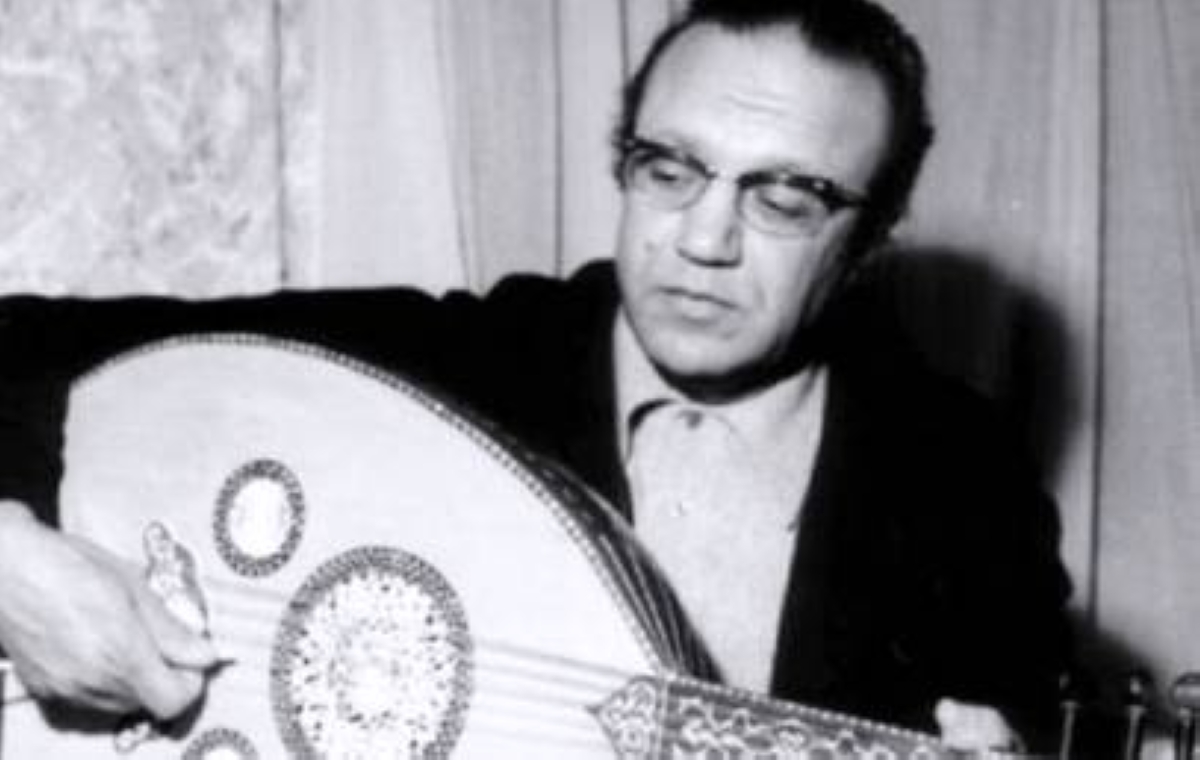
مهمة وضع لحن للسلام الوطني للدولة تولاها الموسيقار المصري سعد عبدالوهاب، الذي كان يعمل ويقيم وقتذاك في الإمارات ونفذها في أواخر عام 1971. وفي عام 1986 تم تكليف الشاعر الدكتور عارف الشيخ عبدالله الحسن بتأليف كلمات النشيد الوطني، فقدم الأخير نشيد «عيشي بلادي» المكون من أربعة مقاطع ثم تتبعها كلمة «بلادي» أربع مرات، ثم ثمانية مقاطع متتابعة، وتمّ اعتماده من مجلس الوزراء. يقول نص النشيد:
عيشي بلادي عاش اتحاد إماراتنا
عشت لشعب
دينه الإسلام هديُه القرآن
حضنتك باسم الله يا وطن
بلادي بلادي بلادي بلادي
حماك الإله شرور الزمان
أقسمنا أن نبني نعمل
نعمل نخلص نعمل نخلص
مهما عشنا نخلص نخلص
دام الأمان وعاش العلم يا إماراتنا
رمز العروبة
كلنا نفديك بالدماء نرويك
نفديك بالأرواح يا وطن
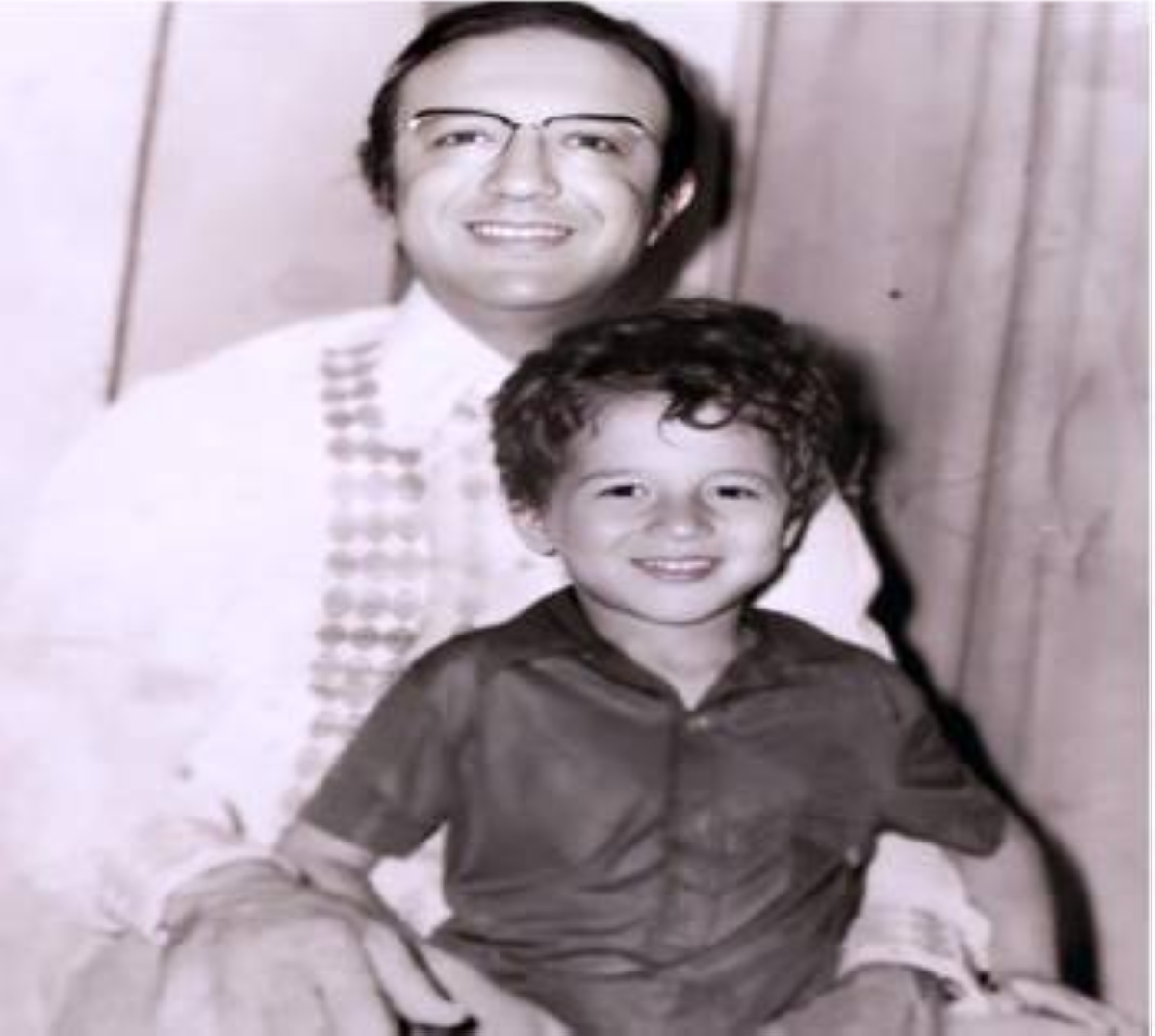
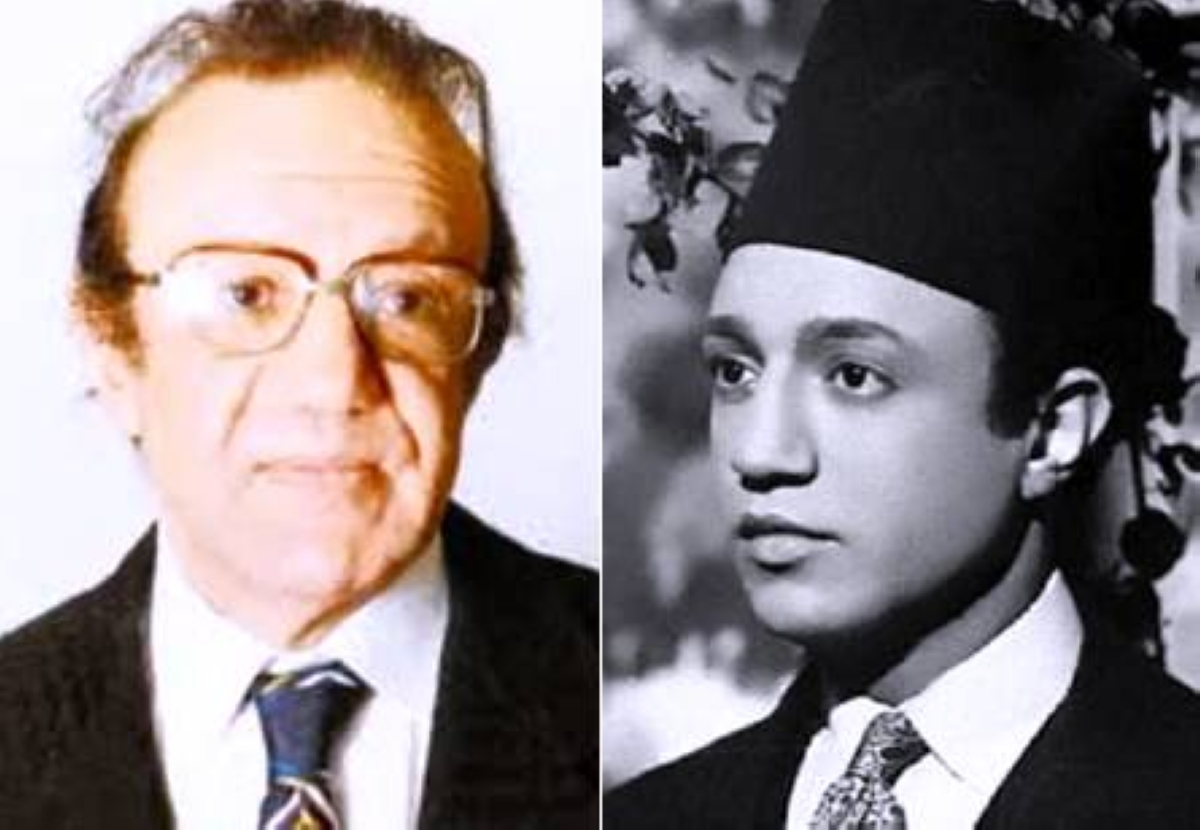
ويعد سعد عبدالوهاب، موسيقاراً عربياً أنجز لحناً جميلاً خالداً للسلام الوطني لدولة الإمارات وقت قيامها. لخص الكاتب الصحفي المصري «سيد المليجي» في مقال نشره في صحيفة «الوطن» القاهرية (16/6/2022) مشوار سعد عبدالوهاب بقوله: «عاش سعد عبدالوهاب حياته وكأنه ضيف أو عابر سبيل. كان مشواره متأرجحاً بين مجموعة اختبارات غير مفهومة للمحيطين به. فقد درس الزراعة لكنه لم يتقبّل البقاء في وظيفة مهندس زراعي في الصعيد، وعمل في الإذاعة ثم استقال منها لأجل السينما، وهجر السينما ليتفرغ للموسيقى، وسرعان ما قرر الابتعاد عن الأضواء، واتخذ قراراً بالإقامة في المملكة العربية السعودية حيث قدّم هناك مجموعة أغانٍ دينية، بعدها نقل نشاطه إلى الإمارات العربية المتحدة حيث لحن النشيد الوطني الإماراتي وغنّاه بصوته، وحين قرر العودة إلى مصر ليستأنف نشاطه الفني هاجمه المرض، وحال ذلك دون تحقيق رغبته في العودة للأضواء».
وُلد «سعد حسن محمد عبدالوهاب أبوعيسى الحجر» الشهير بسعد عبدالوهاب في قرية بني عياض بمحافظة الشرقية بتاريخ 16 يونيو سنة 1929 أي حينما كان عمه موسيقار الأجيال محمد عبدالوهاب (1902ــ1991)، متربعاً على عرش الغناء والتلحين في العالم العربي. كان ميلاده في عائلة دينية محافظة، حيث عُرف عن والده الشيخ حسن أنه كان ضد احتراف شقيقه محمد عبدالوهاب للفن، بل كان يشارك والده (جد المترجَم له) في القسوة على الأخير لثنيه عن الغناء والتلحين، قبل أن يغيّر رأيه بعد نجاحات محمد عبدالوهاب المتتابعة وشهرته المدوية في الغناء والتمثيل السينمائي، وانهمار الأموال الطائلة عليه.
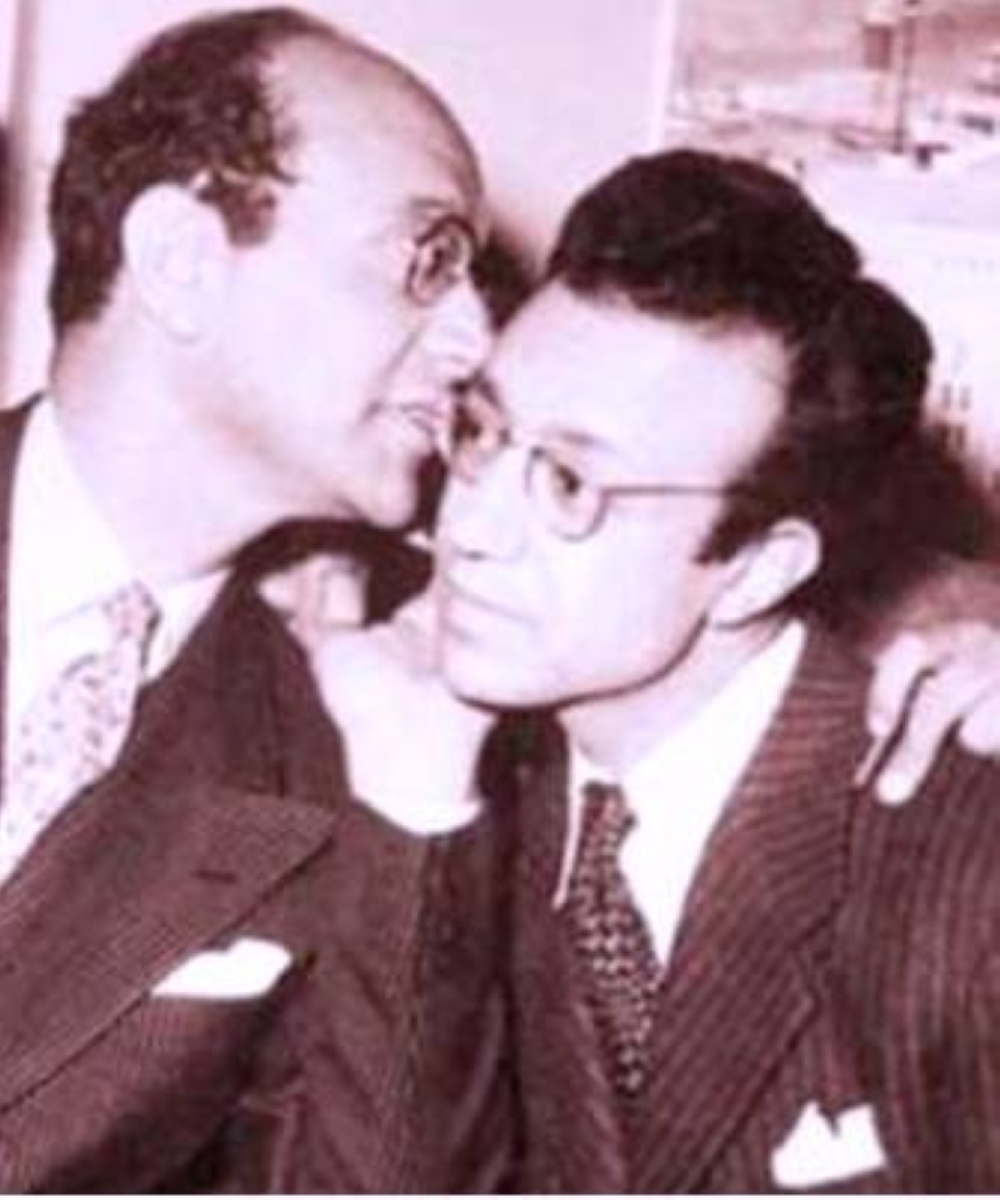
ورث سعد من عمه العديد من الصفات ومنها الصوت والملامح والموهبة وحب الفن، وحتى الوسواس والخوف من المرض ونزلات البرد لكنه لم يكن مثله لجهة الإصرار على الفن والاستمرار والتجديد واقتحام عوالم الموسيقى العالمية للاقتباس والتثقف، على الرغم من نشأته في كنف عمه، بعد أن سمح له والده بذلك، وتردده على صالوناته الفنية، ومتابعته معظم تدريباته وتسجيلاته. ففي إحدى مقابلاته الإذاعية أقر بأن «تربيته الفنية» قد نمت بفضل حضوره معظم تدريبات وتسجيلات محمد عبدالوهاب سواء في أعمال الأخير الصغيرة أو الكبيرة مثل «الجندول» و«الكرنك» و«كليوباترا». ويمكن القول إن سعد كان مثل غيره من مطربي تلك الحقبة لجهة التأثر بمحمد عبدالوهاب وتقليده. ولئن تمكن بعض هؤلاء من شق طريقه وفق نهج وأسلوب مختلفين، فإن سعد بقي يعيش في جلباب عمه ولم يستطع خلعه، خصوصاً أن عمه تكفله بالاهتمام والرعاية، وعهد إلى عازف العود المصري الماهر جورج ميشيل عملية تدريسه العزف، ولاحقاً قدمه لمخرجي السينما، بل ساعده على دخول مجال الإنتاج السينمائي كي ينتج لنفسه.
التحق سعد في عام 1945 بكلية الزراعة في جامعة القاهرة ليغدو مهندساً زراعياً، بناء على رغبة والده الشيخ حسن عبدالوهاب، على الرغم من ولعه في تلك الفترة بالموسيقى. وبالفعل درس في تلك الكلية وتخرج منها عام 1949، لكنه لم يمارس تخصصه إلا لأقل من إسبوعين شغل خلالهما وظيفة كاتب في مصنع للسكر بنجع حمادي في صعيد مصر. إذ يبدو أنه اضطر لقبول تلك الوظيفة، وتحمل الحياة الخشنة في الصعيد مقارنة بما اعتاد عليه في القاهرة، بينما كان يتحين الفرصة للانتقال إلى شيء آخر. وقد واتته تلك الفرصة حينما أعلنت الإذاعة المصرية عن اختبارات لقبول دفعة جديدة من المذيعين، حيث سارع بالسفر إلى القاهرة للخضوع للاختبار، ثم عاد إلى وظيفته بالصعيد. بعد عشرة أيام تلقى خطاباً من الإذاعة حول نجاحه وضرورة القدوم لاستلام العمل، فحزم أمتعته ونقل متعلقاته من الصعيد، وذهب إلى دار الإذاعة بوسط القاهرة لاستلام وظيفته الجديدة، وهناك أخضع للتدريب على الإلقاء لمدة أسبوعين على يد سعيد أبوالسعد. غير أن عمله في الإذاعة شابه بعض التوترات والاخفاقات، والشكوى من بطء قراءته للنشرات تارة، وحماسه تارة أخرى إذا كان الخبر متعلقاً بحرب فلسطين، إلى درجة كان يحول معه نشرة الأخبار إلى خطبة حماسية، ويبدو أن الملاحظات المتتالية من رؤسائه على أدائه، علاوة على شكواه من ضغط العمل واضطراره في أحايين كثيرة للسهر وبالتالي الاستغراق في غفوات قصيرة أثناء العمل، جعلته يقرر ترك وظيفته الإذاعية، ويولي وجهه صوب السينما. ففي تلك الفترة تعرف على المخرج السينمائي محمد كريم (1896ــ1972) الذي أخرج لعمه محمد عبدالوهاب كل أفلامه في الثلاثينات والأربعينات، فشجعه على دخول عالم التمثيل ودبّر له لقاءات مع كبار منتجي ومخرجي السينما المصرية وقتذاك.
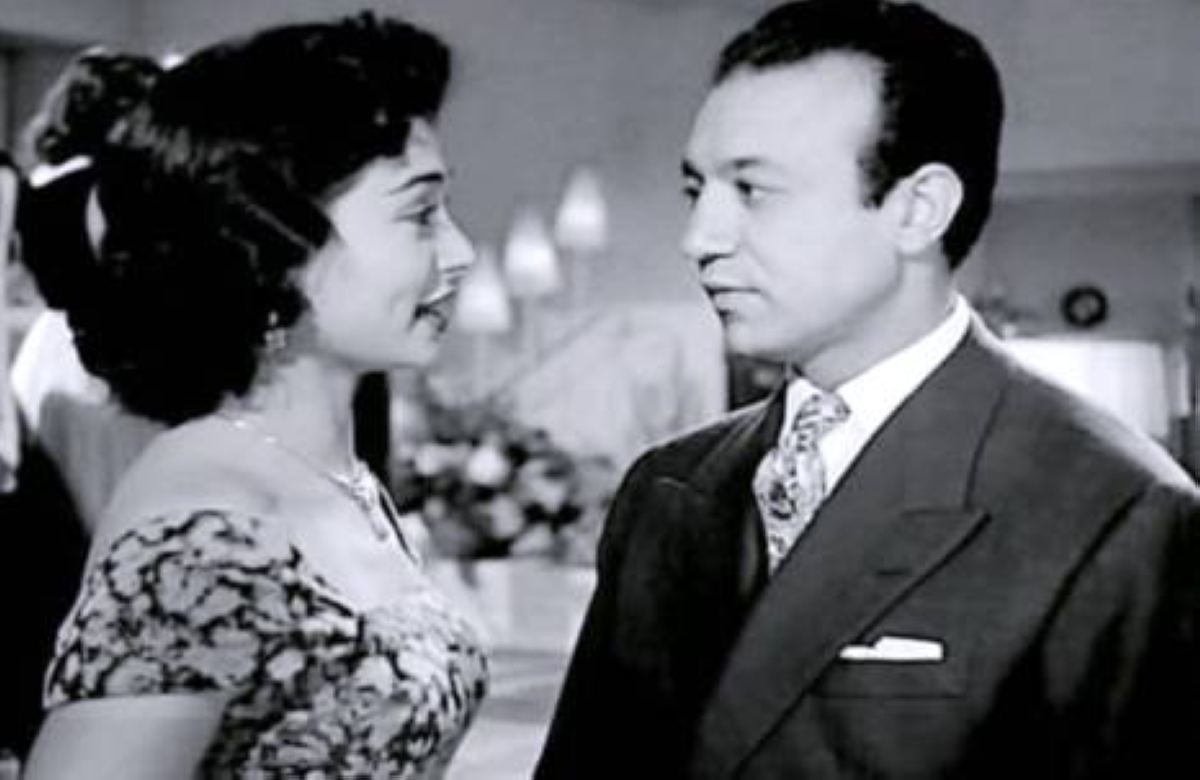
وهكذا تحول الرجل إلى ممثل سينمائي وظهر اسمه على أفيشات الأفلام، وكانت أولى تجاربه الوقوف أمام النجمة الاستعراضية نعيمة عاكف في فيلم «العيش والملح» للمخرج حسين فوزي في سنة 1949، ثم قدم الثلاثي معاً في العام التالي فيلم «بلدي وخفة». تحمس المخرج حسين فوزي له وقدمه في عام 1950 مرة أخرى في فيلم «سيبوني أغني» أمام المطربة صباح التي وقفت أمامه مرة أخرى في فيلم «أختي ستيتة» من إخراج المخرج نفسه (حيث شاركته صباح في دويتو «قطعني حتت» من ألحان رياض السنباطي)، وفي عام 1951 شارك كبطل في فيلم «بلد المحبوب» للمخرج حلمي رفلة أمام تحية كاريوكا، وفي عام 1955 أدى دور البطولة في فيلم «أماني العمر» من إخراج سيف الدين شوكت، أمام الفنانة ماجدة.
وبعد أن قدم ستة أفلام، وهو على رأس عمله الإذاعي، استقال في عام 1954 من عمله في الإذاعة بدعوى رغبته في التركيز على مجالي التمثيل والغناء. وبالفعل استجابت الإذاعة لرغبته، لكنه بعد ذلك لم يقدم سوى عمل سينمائي وحيد هو فيلم «علموني الحب» للمخرج عاطف سالم في عام 1957 أمام النجمة السمراء إيمان. وعليه فقد تجمّد رصيده السينمائي عند 7 أفلام، لكن فيلمه الأخير حقق نجاحاً جماهيرياً كبيراً بسبب تضمنه عدداً من أغانيه الجميلة، ولاسيما أغنية «الدنيا ريشة في هواء» التي لحنها له عمه موسيقار الأجيال من كلمات المبدع مأمون الشناوي، والتي أصر عبدالوهاب على إدخالها في الفيلم لاحقاً، وكذلك أغنية «على فين واخداني عينيك» من ألحان عبدالوهاب وكلمات أحمد شفيق كامل.
وبسبب عمله الناجح الأخير، اعتقد الكثيرون في الوسط الفني آنذاك أنهم على موعد مع نجومية سينمائية فذّة سوف تواصل مشوارها طويلاً، لكنه فاجأهم بإعلان رغبته في التوقف عن التمثيل من أجل التفرغ للغناء والتلحين (كان وقتذاك قد قدّم نحو 100 أغنية، لعل أشهرها: «الدنيا ريشة في هواء»، «وجهك ولا القمر»، «القلب القاسي»، «من خطوة لخطوة»، «على فين واخداني عينيك»، «جنة أحلامي»، «شبابك أنت»، «انت ويايا والهنا معايا» و«بنات البندر»). ويقال إن قراره هذا كان بتأثير من صديقه الشيخ محمود شلتوت (شيخ الأزهر السابق) الذي نصحه بألا يمثّل إلا في الأفلام ذات المضمون الهادف والبعيد عن إثارة الغرائز.
التحق سعد بمعهد الكونسرفاتوار في القاهرة بمجرد افتتاحه عام 1959 على يد الموسيقار أبوبكر خيرت، من أجل أن يعزز ثقافته الفنية ويتعلم النظريات الموسيقية على أصولها. وفي عام 1960 انطلق بث التلفزيون المصري لأول مرة، فسعى لتصوير أغنيتين دينيتين؛ إحداهما عن شهر رمضان والأخرى عن الحج. فكان له ذلك، وتمّ بث الأغنيتين تلفزيونياً، لكن صاحبنا كان كثير الشكوى من عدم تكرار بثهما، إلى درجة أنه أعلن رغبته في هجر الأغاني العاطفية لصالح الأغاني الدينية فقط. ومع توقف نشاطه الفني المعتاد بسبب عدم تعاون الآخرين معه، وانصراف عمه عنه للاهتمام بالنجم الجديد عبدالحليم حافظ، قرر سعد أن يترك مصر ويسافر إلى المملكة العربية السعودية. وفي الأخيرة أمضى سبع سنوات من حياته، شغل خلالها منصب مستشار للإذاعة السعودية لشؤون الأغنية الوطنية والدينية، وقدّم خلالها مجموعة من أغاني الروحانيات، مبتعداً عن الألحان الراقصة. ويبدو أن أوضاعه المعيشية والوظيفية والاجتماعية كانت جيدة، بدليل أنه أطال الإقامة في ربوع المملكة. غير أن طبعه الباحث عن التجديد والتنقل والتجربة ألح عليه، فترك السعودية، وجال على الكويت والبحرين، ومنهما توجه إلى دولة الإمارات. وهناك عمل مستشاراً في إذاعة أبوظبي التي كان قد انطلق بثها رسمياً في 25 فبراير عام 1969.
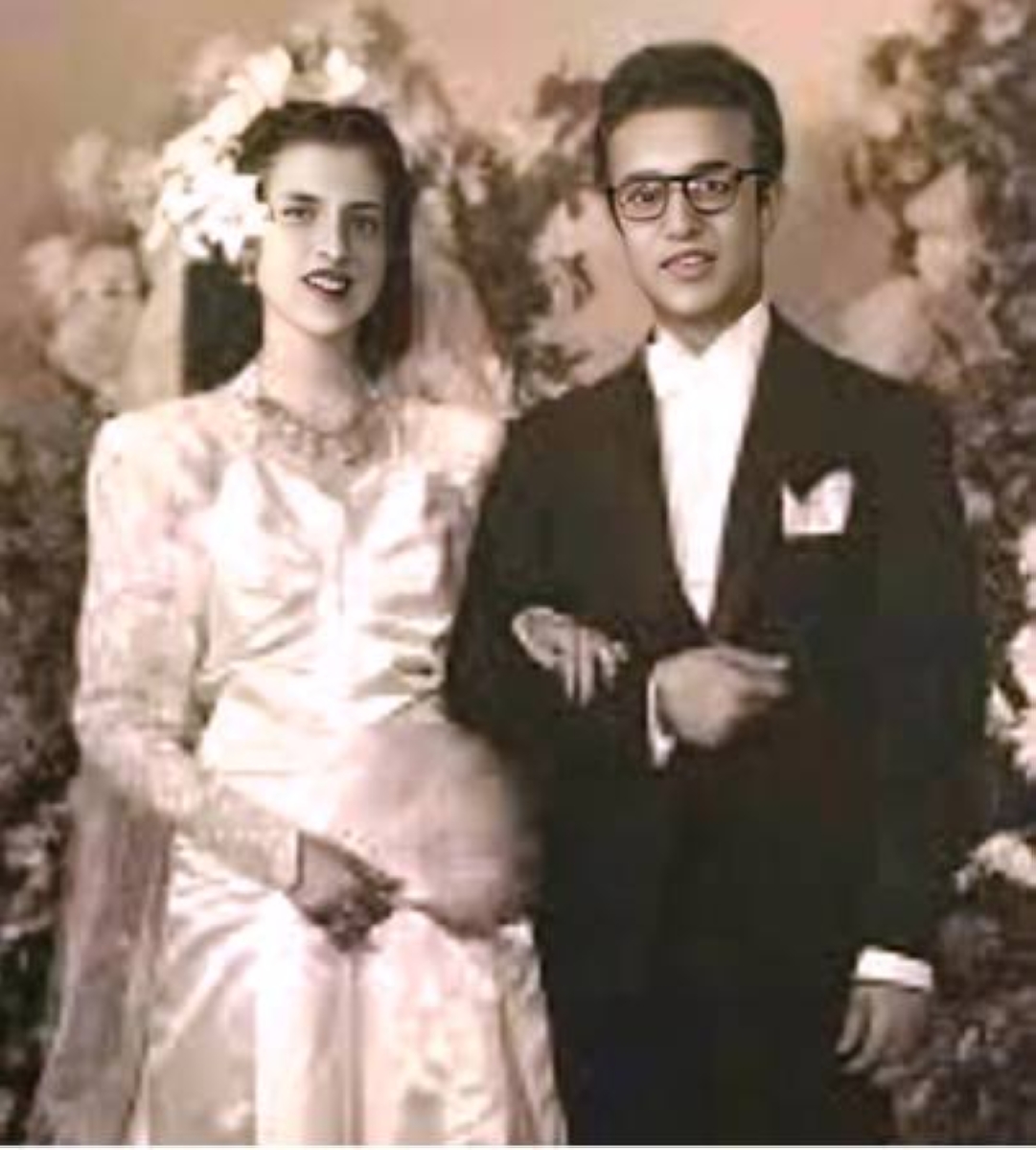
في الإمارات أمضى ما يقارب 3 سنوات، انتهت بقراره العودة إلى مصر، لكنه بدلاً من ذلك سافر إلى العاصمة البريطانية التي أقام بها لبعض الوقت، وسجل خلاله عدداً من سور القرآن الكريم بصوته العذب. بعد لندن، عاد إلى مصر التي غاب عنها لسنوات طويلة، فظل بعيداً عن الأضواء ومنعزلاً عن الوسط الفني، ومؤكداً للجميع أنه سوف يخصص ما تبقى له من العمر لرعاية وتربية نجليه (هاني وعمرو) اللذين كانا قد فقدا أمهما مبكراً. غير أن ما لوحظ عليه آنذاك أنه كان يخطط بهدوء لاقتحام سوق الكاسيت المنتعش جداً في سبعينات القرن العشرين، وطرح ألبوماً ينعش به ذاكرة الجمهور الذي لم يعاصر بداياته. وبالفعل جهّز ألحاناً قدمها لعدد من المطربين والمطربات، علماً بأنه قدّم في ذورة نشاطه وقمة مجده ألحاناً لفنانين مثل محمد قنديل وصباح وشريفة فاضل وفايدة كامل، إذ كان موسيقياً بارعاً بفضل دراسته بمعهد الكونسرفتوار عقب افتتاحه مباشرة في عام 1959، حيث درس النظريات الموسيقية على يد موسيقي إيطالي واتبع نصائح عمه وأستاذه موسيقار الأجيال.
بعد سنوات من عودته إلى مصر، وبعد محاولات حثيثة للعودة إلى الساحة الفنية بهدوء، داهمه المرض الذي حرمه مما كان يخطط له، حيث فارق الحياة بمستشفى فلسطين بالقاهرة في 22 نوفمبر عام 2004، عن عمر ناهز 78 عاماً، وذلك بعد معاناة مع المرض لمدة ثلاث سنوات متواصلة.
سعد عبدالوهاب.. ملحن النشيد الوطني لدولة الإمارات
15 سبتمبر 2025 - 02:12
|
آخر تحديث 15 سبتمبر 2025 - 02:12


تابع قناة عكاظ على الواتساب
بقلم|د. عبدالله المدني
As is well known, on December 2, 1971, the official announcement was made for the establishment of an independent, sovereign federal Gulf state under the name "United Arab Emirates," consisting of six emirates (Abu Dhabi, Dubai, Sharjah, Ajman, Umm Al-Quwain, and Fujairah). On February 10, 1972, the Emirate of Ras Al Khaimah joined the federation, thus completing the formation of the new entity. Naturally, the young state needed a national anthem, like other countries in the world, to be played at national and official occasions, during the raising of the flag and saluting it.
The task of composing the melody for the national anthem was entrusted to the Egyptian musician Saad Abdel Wahab, who was living and working in the Emirates at the time, and he completed it in late 1971. In 1986, poet Dr. Aref Sheikh Abdullah Al-Hassan was commissioned to write the lyrics for the national anthem, and he presented the anthem "Aishi Biladi," consisting of four verses followed by the word "Biladi" repeated four times, and then eight consecutive verses, which were approved by the Council of Ministers. The text of the anthem says:
Aishi Biladi, long live our union of Emirates
I lived for the people
Whose religion is Islam, guided by the Quran
I embraced you in the name of God, O homeland
Biladi, Biladi, Biladi, Biladi
God protects you from the evils of time
We swore to build, to work
To work sincerely, to work sincerely
No matter how long we live, we remain sincere, sincere
May security last, and may the flag live, O our Emirates
Symbol of Arabism
We all sacrifice for you with our blood, we quench you
We sacrifice our souls for you, O homeland
Saad Abdel Wahab is considered an Arab musician who created a beautiful, immortal melody for the national anthem of the UAE at its inception. Egyptian journalist "Sayed El-Maleegi" summarized Saad Abdel Wahab's journey in an article published in the Cairo newspaper "Al-Watan" (16/6/2022) by saying: "Saad Abdel Wahab lived his life as if he were a guest or a passerby. His journey was fluctuating between a series of incomprehensible tests for those around him. He studied agriculture but could not accept staying in a job as an agricultural engineer in Upper Egypt. He worked in radio and then resigned for the sake of cinema, abandoned cinema to devote himself to music, and soon decided to distance himself from the limelight, choosing to reside in the Kingdom of Saudi Arabia, where he presented a series of religious songs. After that, he moved his activities to the United Arab Emirates, where he composed the UAE national anthem and sang it in his voice. When he decided to return to Egypt to resume his artistic activities, illness struck him, preventing him from achieving his desire to return to the spotlight."
Saad Hassan Mohamed Abdel Wahab Abu Eissa Al-Hajar, known as Saad Abdel Wahab, was born in the village of Bani Ayad in the Sharqia Governorate on June 16, 1929, at a time when his uncle, the musician of generations Mohamed Abdel Wahab (1902-1991), was reigning over the world of singing and composing in the Arab world. He was born into a religious, conservative family, where his father, Sheikh Hassan, was known to be against his brother Mohamed Abdel Wahab's pursuit of art, even participating with his father (the grandfather of the translator) in harshness towards the latter to dissuade him from singing and composing, before changing his mind after Mohamed Abdel Wahab's successive successes and his resounding fame in singing and cinematic acting, along with the influx of large sums of money to him.
Saad inherited many traits from his uncle, including voice, features, talent, and love for art, as well as obsessions and fears of illness and colds, but he was not like him in terms of determination to pursue art, continuity, renewal, and penetrating the worlds of global music for inspiration and education, despite growing up under his uncle's care, after his father allowed him to do so, attending his artistic salons and following most of his rehearsals and recordings. In one of his radio interviews, he acknowledged that his "artistic upbringing" grew thanks to his attendance at most of Mohamed Abdel Wahab's rehearsals and recordings, whether in the latter's small or large works such as "Al-Jandoul," "Al-Karnak," and "Cleopatra." It can be said that Saad was like other singers of that era in terms of being influenced by Mohamed Abdel Wahab and imitating him. While some of these managed to carve out their path in different styles and approaches, Saad remained living in his uncle's shadow and could not shake it off, especially since his uncle took care of him and entrusted the skilled oud player George Michel with teaching him to play, and later introduced him to film directors, even helping him enter the film production field to produce for himself.
In 1945, Saad enrolled in the Faculty of Agriculture at Cairo University to become an agricultural engineer, based on his father Sheikh Hassan Abdel Wahab's wishes, despite his passion for music at that time. He indeed studied at that college and graduated in 1949, but he practiced his specialty for less than two weeks during which he worked as a clerk in a sugar factory in Nagaa Hamadi in Upper Egypt. It seems he was forced to accept that job, enduring the rough life in Upper Egypt compared to what he was used to in Cairo, while he was waiting for an opportunity to move to something else. That opportunity came when the Egyptian radio announced tests for accepting a new batch of announcers, where he hurried to travel to Cairo to take the test, then returned to his job in Upper Egypt. After ten days, he received a letter from the radio about his success and the need to come to start work, so he packed his belongings and moved his belongings from Upper Egypt, and went to the radio house in downtown Cairo to start his new job, where he underwent training in delivery for two weeks under the guidance of Said Abu Al-Saad. However, his work in radio was marred by some tensions and failures, complaints about his slow reading of news bulletins at times, and his enthusiasm at other times if the news was related to the Palestine War, to the extent that he would turn the news bulletin into a passionate sermon. It seems that the repeated remarks from his superiors about his performance, along with his complaints about work pressure and his need to stay up late, which often led him to take short naps during work, made him decide to leave his radio job and turn his attention to cinema. During that period, he met the film director Mohamed Karim (1896-1972), who directed all of his uncle Mohamed Abdel Wahab's films in the 1930s and 1940s, who encouraged him to enter the world of acting and arranged meetings for him with major producers and directors of Egyptian cinema at that time.
Thus, the man turned into a film actor, and his name appeared on movie posters. His first experience was standing in front of the show star Naima Akef in the film "Al-Aish wal-Melh" directed by Hussein Fawzi in 1949, and then the trio presented the film "Baladi w Khafif" the following year. Director Hussein Fawzi was enthusiastic about him and presented him again in 1950 in the film "Seebuni Aghani" alongside the singer Sabah, who stood in front of him again in the film "Oukhti Sitita" directed by the same director (where she shared a duet with him "Qata'ni Hitteh" composed by Riyad Al-Sunbati), and in 1951 he starred in the film "Balad Al-Mahboub" directed by Helmy Rafla alongside Tahia Carioca, and in 1955 he played the lead role in the film "Amani Al-Omr" directed by Saif Al-Din Shawkat, alongside the artist Magda.
After presenting six films while still working in radio, he resigned in 1954 from his radio job, claiming he wanted to focus on acting and singing. Indeed, the radio responded to his desire, but after that, he only presented one cinematic work, which is the film "Alimuni Al-Hob" directed by Atef Salem in 1957 alongside the dark-skinned star Iman. As a result, his cinematic record was frozen at 7 films, but his last film achieved great public success due to including several of his beautiful songs, especially the song "Al-Dunya Risha Fi Hawa," which was composed for him by his uncle, the musician of generations, from the words of the creative Mamoun Al-Shanawi, which Abdel Wahab insisted on including in the film later, as well as the song "Ala Fein Wakhadani Ainik" composed by Abdel Wahab and the words of Ahmed Shafiq Kamel.
Due to his successful last work, many in the artistic community at that time believed they were witnessing a unique cinematic stardom that would continue its journey for a long time, but he surprised them by announcing his desire to stop acting to devote himself to singing and composing (at that time, he had presented about 100 songs, perhaps the most famous of which are: "Al-Dunya Risha Fi Hawa," "Wajhak Wala Al-Qamar," "Al-Qalb Al-Qasi," "Min Khutwa Li Khutwa," "Ala Fein Wakhadani Ainik," "Jannat Ahlami," "Shababak Enta," "Enta Waya W Al-Hena Maaya," and "Banat Al-Bandar"). It is said that this decision was influenced by his friend Sheikh Mahmoud Shaltout (former Sheikh of Al-Azhar) who advised him not to act except in films with meaningful content that is far from stimulating instincts.
Saad joined the Conservatoire Institute in Cairo as soon as it opened in 1959 under the musician Abu Bakr Khairat, to enhance his artistic culture and learn musical theories in their fundamentals. In 1960, Egyptian television launched for the first time, and he sought to film two religious songs; one about Ramadan and the other about Hajj. He succeeded in doing so, and both songs were broadcast on television, but he was often complaining about the lack of repeated broadcasts, to the extent that he announced his desire to abandon romantic songs in favor of religious songs only. With the halt of his usual artistic activity due to the lack of cooperation from others and his uncle's diversion to focus on the new star Abdel Halim Hafez, Saad decided to leave Egypt and travel to the Kingdom of Saudi Arabia. There, he spent seven years of his life, during which he served as an advisor to the Saudi radio for national and religious songs, presenting a series of spiritual songs, moving away from dance melodies. It seems that his living, job, and social conditions were good, as evidenced by his prolonged stay in the Kingdom. However, his nature, which sought renewal, movement, and experimentation, urged him to leave Saudi Arabia, and he traveled to Kuwait and Bahrain, from where he headed to the United Arab Emirates. There, he worked as an advisor at Abu Dhabi Radio, which had officially launched its broadcast on February 25, 1969.
In the Emirates, he spent nearly 3 years, which ended with his decision to return to Egypt, but instead, he traveled to the British capital, where he stayed for some time and recorded several verses of the Holy Quran with his sweet voice. After London, he returned to Egypt, which he had been away from for many years, remaining distant from the spotlight and isolated from the artistic community, assuring everyone that he would dedicate the rest of his life to raising and nurturing his two sons (Hani and Amr), who had lost their mother early on. However, it was noted at that time that he was quietly planning to penetrate the very thriving cassette market in the 1970s and release an album to refresh the memory of the audience who did not witness his beginnings. Indeed, he prepared melodies that he presented to several singers, noting that he had presented, at the peak of his activity and glory, melodies for artists such as Mohamed Qandeel, Sabah, Sherifa Fadel, and Fayda Kamel, as he was a brilliant musician thanks to his studies at the Conservatoire Institute immediately after its opening in 1959, where he studied musical theories under an Italian musician and followed the advice of his uncle and mentor, the musician of generations.
After years of returning to Egypt, and after persistent attempts to return to the artistic scene quietly, illness struck him, depriving him of what he had planned, as he passed away at Palestine Hospital in Cairo on November 22, 2004, at the age of nearly 78, after suffering from illness for three consecutive years.
The task of composing the melody for the national anthem was entrusted to the Egyptian musician Saad Abdel Wahab, who was living and working in the Emirates at the time, and he completed it in late 1971. In 1986, poet Dr. Aref Sheikh Abdullah Al-Hassan was commissioned to write the lyrics for the national anthem, and he presented the anthem "Aishi Biladi," consisting of four verses followed by the word "Biladi" repeated four times, and then eight consecutive verses, which were approved by the Council of Ministers. The text of the anthem says:
Aishi Biladi, long live our union of Emirates
I lived for the people
Whose religion is Islam, guided by the Quran
I embraced you in the name of God, O homeland
Biladi, Biladi, Biladi, Biladi
God protects you from the evils of time
We swore to build, to work
To work sincerely, to work sincerely
No matter how long we live, we remain sincere, sincere
May security last, and may the flag live, O our Emirates
Symbol of Arabism
We all sacrifice for you with our blood, we quench you
We sacrifice our souls for you, O homeland
Saad Abdel Wahab is considered an Arab musician who created a beautiful, immortal melody for the national anthem of the UAE at its inception. Egyptian journalist "Sayed El-Maleegi" summarized Saad Abdel Wahab's journey in an article published in the Cairo newspaper "Al-Watan" (16/6/2022) by saying: "Saad Abdel Wahab lived his life as if he were a guest or a passerby. His journey was fluctuating between a series of incomprehensible tests for those around him. He studied agriculture but could not accept staying in a job as an agricultural engineer in Upper Egypt. He worked in radio and then resigned for the sake of cinema, abandoned cinema to devote himself to music, and soon decided to distance himself from the limelight, choosing to reside in the Kingdom of Saudi Arabia, where he presented a series of religious songs. After that, he moved his activities to the United Arab Emirates, where he composed the UAE national anthem and sang it in his voice. When he decided to return to Egypt to resume his artistic activities, illness struck him, preventing him from achieving his desire to return to the spotlight."
Saad Hassan Mohamed Abdel Wahab Abu Eissa Al-Hajar, known as Saad Abdel Wahab, was born in the village of Bani Ayad in the Sharqia Governorate on June 16, 1929, at a time when his uncle, the musician of generations Mohamed Abdel Wahab (1902-1991), was reigning over the world of singing and composing in the Arab world. He was born into a religious, conservative family, where his father, Sheikh Hassan, was known to be against his brother Mohamed Abdel Wahab's pursuit of art, even participating with his father (the grandfather of the translator) in harshness towards the latter to dissuade him from singing and composing, before changing his mind after Mohamed Abdel Wahab's successive successes and his resounding fame in singing and cinematic acting, along with the influx of large sums of money to him.
Saad inherited many traits from his uncle, including voice, features, talent, and love for art, as well as obsessions and fears of illness and colds, but he was not like him in terms of determination to pursue art, continuity, renewal, and penetrating the worlds of global music for inspiration and education, despite growing up under his uncle's care, after his father allowed him to do so, attending his artistic salons and following most of his rehearsals and recordings. In one of his radio interviews, he acknowledged that his "artistic upbringing" grew thanks to his attendance at most of Mohamed Abdel Wahab's rehearsals and recordings, whether in the latter's small or large works such as "Al-Jandoul," "Al-Karnak," and "Cleopatra." It can be said that Saad was like other singers of that era in terms of being influenced by Mohamed Abdel Wahab and imitating him. While some of these managed to carve out their path in different styles and approaches, Saad remained living in his uncle's shadow and could not shake it off, especially since his uncle took care of him and entrusted the skilled oud player George Michel with teaching him to play, and later introduced him to film directors, even helping him enter the film production field to produce for himself.
In 1945, Saad enrolled in the Faculty of Agriculture at Cairo University to become an agricultural engineer, based on his father Sheikh Hassan Abdel Wahab's wishes, despite his passion for music at that time. He indeed studied at that college and graduated in 1949, but he practiced his specialty for less than two weeks during which he worked as a clerk in a sugar factory in Nagaa Hamadi in Upper Egypt. It seems he was forced to accept that job, enduring the rough life in Upper Egypt compared to what he was used to in Cairo, while he was waiting for an opportunity to move to something else. That opportunity came when the Egyptian radio announced tests for accepting a new batch of announcers, where he hurried to travel to Cairo to take the test, then returned to his job in Upper Egypt. After ten days, he received a letter from the radio about his success and the need to come to start work, so he packed his belongings and moved his belongings from Upper Egypt, and went to the radio house in downtown Cairo to start his new job, where he underwent training in delivery for two weeks under the guidance of Said Abu Al-Saad. However, his work in radio was marred by some tensions and failures, complaints about his slow reading of news bulletins at times, and his enthusiasm at other times if the news was related to the Palestine War, to the extent that he would turn the news bulletin into a passionate sermon. It seems that the repeated remarks from his superiors about his performance, along with his complaints about work pressure and his need to stay up late, which often led him to take short naps during work, made him decide to leave his radio job and turn his attention to cinema. During that period, he met the film director Mohamed Karim (1896-1972), who directed all of his uncle Mohamed Abdel Wahab's films in the 1930s and 1940s, who encouraged him to enter the world of acting and arranged meetings for him with major producers and directors of Egyptian cinema at that time.
Thus, the man turned into a film actor, and his name appeared on movie posters. His first experience was standing in front of the show star Naima Akef in the film "Al-Aish wal-Melh" directed by Hussein Fawzi in 1949, and then the trio presented the film "Baladi w Khafif" the following year. Director Hussein Fawzi was enthusiastic about him and presented him again in 1950 in the film "Seebuni Aghani" alongside the singer Sabah, who stood in front of him again in the film "Oukhti Sitita" directed by the same director (where she shared a duet with him "Qata'ni Hitteh" composed by Riyad Al-Sunbati), and in 1951 he starred in the film "Balad Al-Mahboub" directed by Helmy Rafla alongside Tahia Carioca, and in 1955 he played the lead role in the film "Amani Al-Omr" directed by Saif Al-Din Shawkat, alongside the artist Magda.
After presenting six films while still working in radio, he resigned in 1954 from his radio job, claiming he wanted to focus on acting and singing. Indeed, the radio responded to his desire, but after that, he only presented one cinematic work, which is the film "Alimuni Al-Hob" directed by Atef Salem in 1957 alongside the dark-skinned star Iman. As a result, his cinematic record was frozen at 7 films, but his last film achieved great public success due to including several of his beautiful songs, especially the song "Al-Dunya Risha Fi Hawa," which was composed for him by his uncle, the musician of generations, from the words of the creative Mamoun Al-Shanawi, which Abdel Wahab insisted on including in the film later, as well as the song "Ala Fein Wakhadani Ainik" composed by Abdel Wahab and the words of Ahmed Shafiq Kamel.
Due to his successful last work, many in the artistic community at that time believed they were witnessing a unique cinematic stardom that would continue its journey for a long time, but he surprised them by announcing his desire to stop acting to devote himself to singing and composing (at that time, he had presented about 100 songs, perhaps the most famous of which are: "Al-Dunya Risha Fi Hawa," "Wajhak Wala Al-Qamar," "Al-Qalb Al-Qasi," "Min Khutwa Li Khutwa," "Ala Fein Wakhadani Ainik," "Jannat Ahlami," "Shababak Enta," "Enta Waya W Al-Hena Maaya," and "Banat Al-Bandar"). It is said that this decision was influenced by his friend Sheikh Mahmoud Shaltout (former Sheikh of Al-Azhar) who advised him not to act except in films with meaningful content that is far from stimulating instincts.
Saad joined the Conservatoire Institute in Cairo as soon as it opened in 1959 under the musician Abu Bakr Khairat, to enhance his artistic culture and learn musical theories in their fundamentals. In 1960, Egyptian television launched for the first time, and he sought to film two religious songs; one about Ramadan and the other about Hajj. He succeeded in doing so, and both songs were broadcast on television, but he was often complaining about the lack of repeated broadcasts, to the extent that he announced his desire to abandon romantic songs in favor of religious songs only. With the halt of his usual artistic activity due to the lack of cooperation from others and his uncle's diversion to focus on the new star Abdel Halim Hafez, Saad decided to leave Egypt and travel to the Kingdom of Saudi Arabia. There, he spent seven years of his life, during which he served as an advisor to the Saudi radio for national and religious songs, presenting a series of spiritual songs, moving away from dance melodies. It seems that his living, job, and social conditions were good, as evidenced by his prolonged stay in the Kingdom. However, his nature, which sought renewal, movement, and experimentation, urged him to leave Saudi Arabia, and he traveled to Kuwait and Bahrain, from where he headed to the United Arab Emirates. There, he worked as an advisor at Abu Dhabi Radio, which had officially launched its broadcast on February 25, 1969.
In the Emirates, he spent nearly 3 years, which ended with his decision to return to Egypt, but instead, he traveled to the British capital, where he stayed for some time and recorded several verses of the Holy Quran with his sweet voice. After London, he returned to Egypt, which he had been away from for many years, remaining distant from the spotlight and isolated from the artistic community, assuring everyone that he would dedicate the rest of his life to raising and nurturing his two sons (Hani and Amr), who had lost their mother early on. However, it was noted at that time that he was quietly planning to penetrate the very thriving cassette market in the 1970s and release an album to refresh the memory of the audience who did not witness his beginnings. Indeed, he prepared melodies that he presented to several singers, noting that he had presented, at the peak of his activity and glory, melodies for artists such as Mohamed Qandeel, Sabah, Sherifa Fadel, and Fayda Kamel, as he was a brilliant musician thanks to his studies at the Conservatoire Institute immediately after its opening in 1959, where he studied musical theories under an Italian musician and followed the advice of his uncle and mentor, the musician of generations.
After years of returning to Egypt, and after persistent attempts to return to the artistic scene quietly, illness struck him, depriving him of what he had planned, as he passed away at Palestine Hospital in Cairo on November 22, 2004, at the age of nearly 78, after suffering from illness for three consecutive years.


