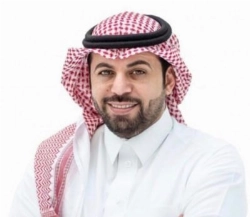
مطر الأحمدي.. خسرته الجامعة وكسبته الصحافة
13 أكتوبر 2025 - 05:14
|
آخر تحديث 13 أكتوبر 2025 - 05:14


تابع قناة عكاظ على الواتساب
بقلم | د. عبدالله المدني
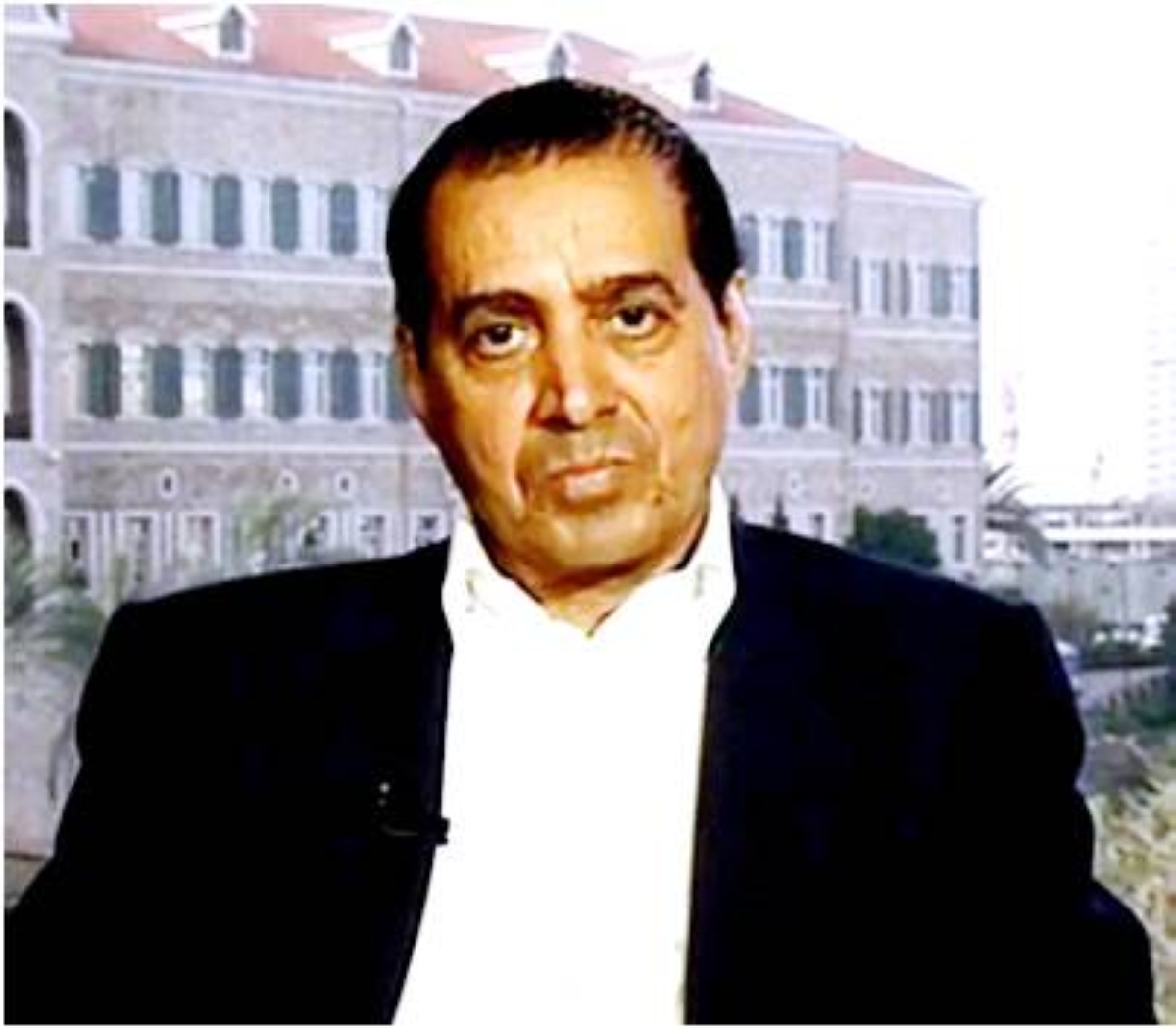
مطر الأحمدي اسم مزروع بأوتاد متينة في بلاط صاحبة الجلالة الصحافة، وشخصية إعلامية تبهرك بطيبتها وبساطتها وتسامحها وحديثها غير المتكلف ومخزونها المكتنز من التجارب الإنسانية. قابلته عدة مرات في الملتقيات الإعلامية بصحبة محبيه وأصدقائه الكثر من رجال الصحافة والإعلام، فلم يزدني ذلك إلا إعجاباً بأدبه وثقافته ورقي روحه وجمال خصاله، وعلى رأسها خصلة الوفاء لزملائه وللأمكنة التي عاش بها، ولمن تعلم على أياديهم صنعة الكتابة، ناهيك عن خصلة الرضا بما قسمه الله له، إذ نُقل عنه قوله: «أنا لم أخطط لشيء في حياتي، قد يكون ذلك خطأ، كما أنني لم أندم، لأن كثرة الندم والوجع لا تفيد، والندم لا يعيد إليك ما فات».
وصفه أحد المحررين بقوله: «هو رقم صعب في الصحافة السعودية، ترى نِتاجه وتقرأ مطبوعته مجلة «لها» فتظن أنك في حضرة قيصر للصحافة، وما إنْ تجلس إليه حتى يُشعرك بأنه الأقل موهبة والأكثر حظاً، ويعتبر أن كل شيء يأتيه ولا يذهب هو إليه»، ثم استطرد المحرر قائلاً: «مطر الأحمدي له من اسمه نصيب، فهو غيث لأي كان، ويحمد ربه كل حين على أي حال. هو كان مشروع أستاذ جامعي، لكن بعثته لأمريكا بدّدت كل هذا الحلم».
هو ابن المدينة المنورة التي شهدت حواريها المشرقة بالإيمان والخشوع ميلاده في عام 1953، ثم دراسته الابتدائية والإعدادية في دار للأيتام احتضنته بعد أن فقد أبويه (سليم بن لافي الأحمدي، وماطرة بنت مطر الأحمدي).. تلك الدار التي وصفها ذات مرة بأنها «المؤسسة الفاعلة التي صنعت اسمه وعقله، ومنحته الضوء الأخضر لينطلق».
هذا الطفل اليتيم سوف يكبر، وتكبر معه أحلامه وتطلعاته لاحتلال مكانة سامية في مجتمعه ووطنه السعودي، وتقوده ظروفه الصعبة بعد سنوات للرحيل من المدينة المنورة إلى الرياض التي أنهى بها دراسته الثانوية بتفوق لافت، بدليل أنه نال المرتبة الـ21 على مستوى المملكة العربية السعودية في امتحانات الثانوية العامة، وقتها كان الأحمدي يتطلع إلى المراتب العشر الأولى كي يضمن حصوله على بعثة حكومية لتحقيق حلمه في دراسة الطب البشري في الخارج، لكن تشاء الأقدار أن يتعرض في وقت الامتحانات لمرض أعاق تحقيق حلمه، الأمر الذي قاده مضطراً إلى جامعة الملك سعود بالرياض، حيث التحق فيها بكلية العلوم، واختار أن يتخصص في الأحياء، ليتخرج بعد أربع سنوات بتقدير ممتاز مع مرتبة الشرف الأولى، ويعين معيداً في كلّيته، ثم ليُبتعث من قبل جامعته إلى الولايات المتحدة لنيل درجة الماجستير في علم الوراثة.
من المؤكد أن وجوده في الولايات المتحدة جعله ينبهر بدور الإعلام في الحياة الأمريكية، فهو القائل: «أدهشني الإعلام هناك بوسائله المتعددة، ما جعلني أعرف معنى السلطة الرابعة». وبسبب تلك الدهشة، قرر أن يهجر معامل الأحياء والكيمياء ومحاضرات علم الوراثة ليغدو واحداً من رجال السلطة الرابعة، إذ انتقل إلى قسم الإعلام بجامعة نيومكسيكو في ولاية نيومكسيكو الأمريكية، التي منحته درجة الماجستير في الإعلام خلال فترة وجيزة، ليعود إلى وطنه حالماً بوظيفة محترمة في السلك الأكاديمي أو في دوائر الدولة. غير أن تخصصه لم يكن ذا جدوى في تلك الأيام، فلم ينل ما تمناه، وهو ما دفعه إلى أحضان الصحافة المحلية. ومن الأشياء الأخرى التي عاد بها من الولايات المتحدة غير شهادته العليا، صفة التسامح وقبول الآخر، التي منعته من تشدّد وتطرّف كاد يذهب إليهما، وبحسب كلامه: «البعثة إلى أمريكا طهّرت نفسي من التشدّد والتطرّف. عشت هناك عن قرب مع مجموعة من البشر وتشاركنا في رابطة الإنسانية، وإنْ اختلف المعتقد. الكل يعبد الله على طريقته. وجدتهم أكثر صدقاً من بعض المجتمعات التي أعرفها، وأكثر حباً للعمل وإتقاناً له، وقبل ذلك وجدت التسامح الحقيقي، ولو لم أنتهِ في أمريكا في تلك السن، لربما كنت في عداد المتطرفين».
بدأ الأحمدي رحلته الصحفية بالالتحاق بصحيفة «الجزيرة» السعودية الصادرة من الرياض، ليعمل بها محرراً قبل أن يترقى خلال أسبوعين فقط ويُعيّن رئيساً لقسم الرياضة فيها بقرار من رئيس تحريرها خالد المالك. وعليه فقد اقتفى الأحمدي في ذلك دروب بعض من زملائه السعوديين ممن انطلقوا قبله أو بعده إلى عوالم الإعلام والشهرة من العمل أو الإشراف على الصفحات الرياضية، كعثمان العمير وعبدالرحمن الراشد والشريف محمد بن شاهين وتركي السديري مثلاً. هذا علماً بأن صاحبنا كان شغوفاً بالعمل الصحفي منذ أن كان طالباً في بداية مراحله الدراسية النظامية، إذ تقول سيرته إنه إبان تلك الفترة من حياته مارس -من خلال النشاط اللاصفي المدرسي- كتابة المقالات وإجراء المقابلات الصحفية لنشرها في صحف الحائط.
ويدين الأحمدي كثيراً لخالد المالك رئيس تحرير «الجزيرة» في ارتقائه سلالم الصحافة والإعلام، إذ سُجل عنه قوله في أحد الحوارات الصحفية: «تخرجت في مدرسة خالد المالك، فهو الشخص الذي أخذ بيدي منذ البداية ومنحني فرصة الكتابة وشجعني».
وأثناء عمله رئيساً للقسم الرياضي في «الجزيرة»، لُوحظ عليه عشقه لنادي الهلال، وهو عشق لا ينفيه ويقول إنه بدأ معه قديماً بفعل صداقات جمعته مع بعض رجالات النادي، مضيفاً ما معناه أن ذلك العشق لم يمنعه من احترام الخصم التقليدي للهلال (نادي النصر)، والإشادة بعرّاب ورئيس نادي النصر الأشهر الأمير عبدالرحمن بن سعود «الذي له فضل كبير عليَّ، فقد دعمني كثيراً في مشواري الصحفي لأنه يحترم الصحفي الذي يحترم نفسه، ولا يقبل أن يدار بالريموت كنترول من قبل إدارات الأندية».
من بعد عمله في «الجزيرة» لعدة أعوام قام رئيس تحريرها الجديد محمد بن ناصر بن عباس بفصله من العمل، فخرج من القلعة الصحفية التي بدأ منها يائساً يتسوّل عملاً، ولحسن حظه كان عثمان العمير وقتذاك رئيساً لتحرير مجلة «المجلة» الصادرة في لندن، وكان عبدالرحمن الراشد نائباً له، فاستنجد بهما، وكانت النتيجة أن أحسنا إليه وخلعا عليه منصب مسؤول تحرير «المجلة» في الخليج، بحسب قوله. وهكذا انتقل صاحبنا إلى العاصمة البريطانية ليبدأ من هناك فصلاً آخر من حياته ونشاطه، من خلال العمل مع «الشركة السعودية للأبحاث والنشر»، مسؤولاً للتحرير عن منطقة الخليج، وما لبث أن تم تعيينه نائباً لرئيس تحرير «المجلة» بعد صعود الراشد إلى رئاسة التحرير خلفاً للعمير. وفي هذا السياق قال: «عملت نائباً لرئيس مجلة «المجلة» وكنت موفقاً في عملي، وتشرفت بالعمل مع الأستاذ عبدالرحمن الراشد، ونجحت ولله الحمد في مجلة «المجلة» وكان هذا النجاح هو جواز السفر الى رئاسة تحرير مجلة «سيدتي»، وأنا هنا أدين بالشكر والعرفان للأمير الراحل أحمد بن سلمان (رحمه الله) لأنه لم يتأخر في دعمي وتشجيعي.. ونقلني من مجلة «سيدتي» إلى مجلة «لها»».
نعم، انتقل الأحمدي من مجلة «المجلة» ذات الطابع السياسي إلى مجلة «سيدتي» الصادرة أيضاً من لندن، المتخصصة في أمور بعيدة كل البعد عن السياسة وصداعها، ليخلف عبدالله باجبير في رئاسة تحريرها، وليبقى كذلك على مدى عدة سنوات انتهت في 2003، بانتقاله إلى «دار الحياة» وقيامه بالمشاركة في تأسيس مجلة «لها» النسائية من بيروت.
كانت سنوات الأحمدي البيروتية خصبة ومليئة بتحديات كثيرة واجهها الرجل بشجاعة، ونجح في تخطيها. فخلال عشر سنوات من وجوده في العاصمة اللبنانية، كان شاهداً على الكثير من الأحداث السياسية العاصفة التي لم توهنه، بل زادته صلابة وخبرة واطلاعاً وإيماناً برسالته، كما سمحت له تلك السنوات بالتعرّف على العديد من الكبار والمشاهير في عوالم السياسة والثقافة والفن. وعلى الرغم من أنه رأس تحرير مطبوعتين من أهم المطبوعات العربية الموجهة إلى النساء والأسرة والشباب على مدى عقدين من الزمن، وحقق لهما مكانة رفيعة، إلا أنه اعترف بتواضع بأنه لم يتمكّن من إيصال أي من المطبوعتين إلى مستوى المجلات والمطبوعات المعروفة في أوروبا وأمريكا.
في 2013 استقال مطر من رئاسة تحرير مجلة «لها»، فتمّت ترقيته إلى منصب «مستشار إعلامي» بدار الحياة «للاستفادة من خبراته المهنية المتراكمة، لكن لم يمضِ عليه عام في هذا المنصب الجديد إلا والأقدار تقوده من بيروت إلى دبي ليبدأ من الأخيرة فصلاً جديداً من حياته بتسلّمه ابتداء من يناير 2014 منصب رئيس تحرير موقع «العربية نت» أي الموقع الرسمي لقناة العربية الفضائية في دبي.
ويُعد الأحمدي من أنصار حقوق المرأة العربية بصفة عامة، وحقوق المرأة السعودية بصفة خاصة. ولعل ما يبرهن على ذلك هو أن أكثر القضايا الاجتماعية المحلية المؤرقة له كانت ممارسة العنف ضد المرأة من قبل زوجها أو ولي أمرها. فهو القائل: «متى نرى ذلك اليوم الذي تحصل فيه المرأة على الحقوق التي يعترف بها الرجال من فوق المنابر وتنتهي تحت أقدامهم عندما يغلقون عليهم أبواب بيوتهم». لكن قائل المقولة عاش ليرى التغيير الذي أحدثه ولي العهد الأمير محمد بن سلمان في المجتمع السعودي في السنوات الأخيرة، التي كان من نتائجها نقل المرأة السعودية من حال إلى حال. على أن تأييده للمرأة لم يمنعه من انتقادها. فحينما سُئل عن دورها وأسباب موقعها المتواضع في المناصب الصحفية، كان ردّه أن عليها -قبل تولي المناصب القيادية- أن تثبت جدارتها بتولّي مثل تلك المناصب وترتقي بنفسها لجهة لغة الكتابة وقواعدها وأسلوب التخاطب مع قرّائها، مضيفاً: «أنا مستعد أن أترك مكاني لها إذا كانت مؤهلة لذلك. ولا أخفي أنني عملت مع صحفيات سعوديات كثيرات، ولكن للأسف وجدت فيهن قاسماً مشتركاً هو أنهن طامحات للمناصب والوجاهة دون وجود مؤهلات أو مقوّمات لهذا الطموح. ثم هناك حقيقة يجب أن يفهمها الجميع وهي أنه ليست كل من تكتب تعتبر صحفية، إذ عليها أن تكون أولاً متمكّنة من اللغة العربية والأسلوب وتفهم السوق، لأن هم أي رئيس تحرير هو تسويق مطبوعته وترويجها».
خلال كل المراحل والتقلبات السابقة في حياته المهنية، حرص الأحمدي على ممارسة عمله بشغف لا حدود له، فكتب المقال السياسي والفني والثقافي، وأجرى الحوارات والمقابلات الصحفية مع كبار الأدباء والمثقفين والمشاهير ورجال ونساء الأعمال العرب، وشارك في العديد من المؤتمرات والمنتديات الإعلامية كمتحدث أو ممثل لوطنه. وأثناء إقامته في دبي اُختير ليكون من ضمن محكّمي «جائزة الصحافة العربية» السنوية وعضواً في مجلس إدارتها، فلعب دوراً فاعلاً في وضع معايير الترشيح، غير أنه آثر أن يستقيل في 2010، منتقداً طريقة منح الجوائز، لكنه في المقابل أكد أن دبي لم تغضب من موقفه لأنها لا تغضب على الصادقين معها، وشدّد على تثمين «الدور المخلص الذي تؤديه رئيسة نادي دبي للصحافة الأمين العام للجائزة منى المري».
سألته صحيفة «اليوم» السعودية الصادرة من الدمام (11/3/2004) عن سر عزوفه عن الزواج كما الحال مع زميليه عثمان العمير، وعبدالرحمن الراشد الذي لم يكن متزوجاً وقتذاك، فأجاب قائلاً: «بالنسبة للزواج، فأنا دخلت هذه التجربة وفشلت فيها لأنها مسؤولية باهظة.. ثم إنني أحببت إنسانة ولم يكتمل النصيب».
قلنا إن الأحمدي وفيّ لأصدقائه وزملائه ورؤسائه، يذكر الأحياء منهم بالخير، ويترحّم على الأموات منهم ويحزن لفراقهم ويروي حكاياتهم معه بالدموع، شأنه في ذلك شأن الكبار المخلصين. فقد كتب مقالاً يفيض بالحزن والشجن بُعيد رحيل صديقه الإعلامي السعودي سعود الدوسري (ت: 2015) الذي جمعه وإياه العمل في بلاط صاحبة الجلالة والكثير من الحكايات والأوقات السعيدة، ونشر مقالاً آخر عدّد فيه مآثر وخصال وجلائل أعمال وزير الإعلام السعودي السابق الدكتور عبدالعزيز محيي الدين خوجة بُعيد تركه منصبه الوزاري، فقال عن الأول: «له في قلبي مكان ومكانة، وكان لي مثلهما في قلبه. زارني في مكتبي في لندن عام 1994. كان ذلك لقائي الأول به. بعد ذلك اللقاء صرت شبه مستشار له. كانت اجتماعاتنا قليلة، بسبب طبيعة كل منا. كنت أسميه الطائر الليلي، وكان يصفني بالطائر النهاري. وكان يستغرب بمحبة ونكتة أسلوبي في الحياة، الذي يراه نقيضاً لعملي في المجال الإعلامي». وقال عن الثاني إنه: «ينتمي إلى طراز فريد من الرجال الذين يؤدون عملهم دون ضوضاء وضجيج». وإنه «نجح بامتياز في كل مسؤولية أُسندت إليه، وحقق فيها تطوّراً ملموساً في فترة قياسية. فهو كوزير للثقافة والإعلام، سجل انفتاحاً إعلامياً لم يسبقه إليه أحد. تعامل مع المؤسسات الإعلامية شريكاً لا رقيباً. وكان يتدخل في الوقت المناسب صديقاً ناصحاً، مقدماً الابتسامة الودودة على سيف الرقيب. وشهد الإعلاميون والإعلام في سنوات توزيره ربيعاً طلقاً بكل ما تعنيه الكلمة».
Matar Al-Ahmadi is a name firmly planted in the realm of journalism, a media personality who captivates you with her kindness, simplicity, tolerance, and unpretentious conversation, along with her rich reservoir of human experiences. I have met her several times at media gatherings in the company of her many friends and admirers from the press and media, and each encounter only deepened my admiration for her manners, culture, the nobility of her spirit, and the beauty of her traits, foremost among which is her loyalty to her colleagues, the places she has lived, and those from whom she learned the craft of writing. Not to mention her quality of contentment with what God has decreed for her, as she was quoted saying: “I have not planned anything in my life; that may be a mistake, but I have no regrets, because excessive regret and pain are of no use, and regret does not bring back what has passed.”
One editor described her by saying: “She is a formidable figure in Saudi journalism; you see her output and read her magazine ‘Laha’ and think you are in the presence of a Caesar of journalism. Yet, once you sit with her, she makes you feel that she is the least talented and the most fortunate, considering that everything that comes to her does not go away from her.” The editor continued: “Matar Al-Ahmadi has a share of her name; she is a blessing to anyone, and she thanks her Lord at all times, whatever the circumstances. She was meant to be a university professor, but her scholarship to America shattered that dream.”
She was born in Medina, a city that witnessed her bright streets filled with faith and humility, in 1953, and then completed her primary and preparatory education in an orphanage that embraced her after she lost her parents (Suleiman bin Lafi Al-Ahmadi and Matarah bint Matar Al-Ahmadi). She once described that orphanage as “the active institution that shaped her name and mind, granting her the green light to take off.”
This orphaned child would grow up, and with her, her dreams and aspirations to occupy a prestigious place in her community and her Saudi homeland would grow. After several years of difficult circumstances, she moved from Medina to Riyadh, where she completed her secondary education with remarkable excellence, evidenced by her ranking 21st in the Kingdom of Saudi Arabia in the general secondary exams. At that time, Al-Ahmadi aspired to be among the top ten ranks to secure a government scholarship to realize her dream of studying medicine abroad. However, fate had it that she fell ill during the exams, which forced her to enroll at King Saud University in Riyadh, where she joined the College of Science, choosing to specialize in biology. She graduated four years later with honors and was appointed as a teaching assistant in her college, later being sent by her university to the United States to obtain a master's degree in genetics.
It is certain that her presence in the United States left her in awe of the role of media in American life, as she stated: “I was amazed by the media there with its multiple means, which made me understand the meaning of the fourth estate.” Due to that astonishment, she decided to abandon the labs of biology and chemistry and lectures in genetics to become one of the figures of the fourth estate, transferring to the Department of Media at the University of New Mexico in the state of New Mexico, USA, where she earned her master's degree in media in a short period, returning to her homeland dreaming of a respectable job in academia or in government circles. However, her specialization was not of much use at that time, and she did not achieve what she hoped for, which led her to embrace local journalism. Among the other things she returned from the United States with, besides her higher degree, was the quality of tolerance and acceptance of others, which prevented her from the rigidity and extremism she might have otherwise succumbed to. According to her words: “The scholarship to America purified my soul from rigidity and extremism. I lived there closely with a group of people and shared with them the bond of humanity, even if beliefs differed. Everyone worships God in their own way. I found them more sincere than some communities I know, and more loving of work and mastering it. Before that, I found true tolerance; had I not ended up in America at that age, I might have been among the extremists.”
Al-Ahmadi began her journalistic journey by joining the Saudi newspaper “Al-Jazirah” published in Riyadh, where she worked as an editor before being promoted just two weeks later to head the sports section by a decision from its editor-in-chief, Khalid Al-Malik. Thus, Al-Ahmadi followed in the footsteps of some of her Saudi colleagues who ventured into the world of media and fame by working or supervising sports pages, such as Othman Al-Omair, Abdulrahman Al-Rashed, Sharif Mohammed bin Shaheen, and Turki Al-Sudairy, for example. It is worth noting that our friend had a passion for journalism since she was a student in the early stages of her formal education, as her biography states that during that period of her life, she practiced—through extracurricular school activities—writing articles and conducting interviews to publish in wall newspapers.
Al-Ahmadi owes much to Khalid Al-Malik, the editor-in-chief of “Al-Jazirah,” for her ascent in journalism and media, as she was quoted in one of her interviews saying: “I graduated from Khalid Al-Malik’s school; he is the person who took my hand from the beginning and gave me the opportunity to write and encouraged me.”
During her time as head of the sports section at “Al-Jazirah,” her love for Al-Hilal Club was noted, a passion she does not deny and says began long ago due to friendships she formed with some of the club’s figures, adding that this love did not prevent her from respecting Al-Hilal’s traditional rival (Al-Nasr Club) and praising the legendary figure and president of Al-Nasr Club, Prince Abdulrahman bin Saud, “who has greatly favored me; he supported me a lot in my journalistic journey because he respects the journalist who respects themselves and does not accept being managed by remote control from club administrations.”
After working at “Al-Jazirah” for several years, the new editor-in-chief, Mohammed bin Nasser bin Abbas, dismissed her from her job, leaving the journalistic fortress where she began feeling hopeless and begging for work. Fortunately, at that time, Othman Al-Omair was the editor-in-chief of “Al-Majalla,” published in London, and Abdulrahman Al-Rashed was his deputy. She sought their help, and the result was that they treated her well and appointed her as the editor responsible for “Al-Majalla” in the Gulf, as she stated. Thus, our friend moved to the British capital to begin another chapter of her life and activity, working with the “Saudi Research and Publishing Company,” responsible for editing the Gulf region, and soon after, she was appointed deputy editor-in-chief of “Al-Majalla” after Al-Rashed ascended to the editorship following Al-Omair. In this context, she said: “I worked as deputy editor of ‘Al-Majalla’ and was successful in my work, and I was honored to work with Professor Abdulrahman Al-Rashed, and I succeeded, thank God, in ‘Al-Majalla,’ and this success was my passport to the editorship of ‘Sayidaty’ magazine, and here I owe my gratitude to the late Prince Ahmed bin Salman (may God have mercy on him) for not hesitating to support and encourage me... and he transferred me from ‘Sayidaty’ to ‘Laha’.”
Yes, Al-Ahmadi moved from the politically oriented magazine “Al-Majalla” to “Sayidaty,” also published from London, specializing in matters far removed from politics and its headaches, succeeding Abdullah Bajaber as its editor-in-chief, and remaining so for several years until 2003, when she moved to “Dar Al-Hayat” and participated in founding the women’s magazine “Laha” from Beirut.
Al-Ahmadi’s years in Beirut were fertile and filled with many challenges that she faced with courage and successfully overcame. During her ten years in the Lebanese capital, she witnessed many tumultuous political events that did not weaken her but rather made her more resilient, experienced, knowledgeable, and faithful to her message. Those years also allowed her to meet many prominent figures and celebrities in the worlds of politics, culture, and art. Although she headed two of the most important Arab publications directed at women, families, and youth for two decades, achieving them a prestigious status, she humbly admitted that she could not elevate either publication to the level of magazines and publications known in Europe and America.
In 2013, Matar resigned from the editorship of “Laha,” and was promoted to the position of “Media Consultant” at Dar Al-Hayat “to benefit from her accumulated professional experiences. However, less than a year in this new position, fate led her from Beirut to Dubai, where she began a new chapter in her life by assuming the editorship of “Al-Arabiya Net,” the official website of Al-Arabiya satellite channel in Dubai, starting January 2014.
Al-Ahmadi is considered an advocate for Arab women's rights in general, and Saudi women's rights in particular. Perhaps what proves this is that one of the most pressing local social issues for her was the practice of violence against women by their husbands or guardians. She stated: “When will we see the day when women receive the rights that men acknowledge from the pulpits and end up under their feet when they close the doors of their homes?” However, the speaker of this statement lived to witness the change brought about by Crown Prince Mohammed bin Salman in Saudi society in recent years, which resulted in transforming Saudi women from one state to another. Nevertheless, her support for women did not prevent her from criticizing them. When asked about their role and the reasons for their modest positions in journalistic positions, her response was that they must—before assuming leadership positions—prove their competence to hold such positions and elevate themselves in terms of writing language, grammar, and communication style with their readers, adding: “I am ready to leave my place for her if she is qualified for that. I do not hide that I have worked with many Saudi female journalists, but unfortunately, I found a common denominator among them, which is that they aspire to positions and prestige without possessing the qualifications or attributes for such ambition. Then there is a truth that everyone must understand, which is that not everyone who writes is considered a journalist; she must first be proficient in the Arabic language and style and understand the market, because the concern of any editor-in-chief is to market and promote their publication.”
Throughout all the previous stages and fluctuations in her professional life, Al-Ahmadi was keen to practice her work with boundless passion, writing political, artistic, and cultural articles, conducting interviews with prominent writers, intellectuals, celebrities, and Arab businessmen and women, and participating in many media conferences and forums as a speaker or representative of her country. During her stay in Dubai, she was chosen to be among the judges of the annual “Arab Journalism Award” and a member of its board of directors, playing an active role in setting the nomination criteria. However, she preferred to resign in 2010, criticizing the method of awarding the prizes, but on the other hand, she confirmed that Dubai was not upset by her position because it does not get angry with those who are honest with it, and emphasized the appreciation for “the sincere role played by the head of the Dubai Press Club and the Secretary-General of the award, Mona Al-Marri.”
When asked by the Saudi newspaper “Al-Yawm,” published in Dammam (11/3/2004), about the secret of her aversion to marriage, as was the case with her colleagues Othman Al-Omair and Abdulrahman Al-Rashed, who was not married at that time, she replied: “As for marriage, I entered this experience and failed in it because it is a heavy responsibility... then I loved someone, and fate did not complete it.”
We said that Al-Ahmadi is loyal to her friends, colleagues, and superiors, remembering the living among them with goodness, mourning the dead, grieving for their loss, and recounting their stories with tears, just like the great loyal ones. She wrote a sorrowful and poignant article shortly after the departure of her friend, Saudi media figure Saud Al-Dosari (died: 2015), with whom she shared work in the realm of journalism and many stories and happy times, and published another article in which she enumerated the virtues, qualities, and great works of the former Saudi Minister of Media, Dr. Abdulaziz Muhi Al-Din Khoja, shortly after he left his ministerial position, saying of the former: “He has a place and status in my heart, and I had the same in his heart. He visited me in my office in London in 1994. That was my first meeting with him. After that meeting, I became almost an advisor to him. Our meetings were few due to each of our natures. I used to call him the night bird, and he would describe me as the day bird. He would lovingly and jokingly marvel at my way of life, which he saw as the opposite of my work in the media field.” She said of the latter that he: “belongs to a unique class of men who perform their work without noise and fuss.” She added that he “succeeded excellently in every responsibility assigned to him, achieving significant progress in a record time. As Minister of Culture and Information, he recorded an unprecedented media openness. He dealt with media institutions as a partner, not a censor. He would intervene at the right time as a friendly advisor, offering a friendly smile instead of the censor's sword. Journalists and the media witnessed in his years of ministerial service a springtime of freedom in every sense of the word.”