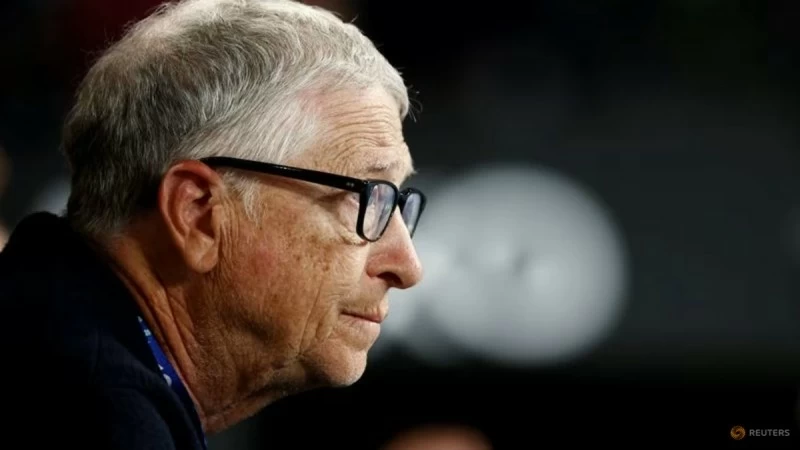
شهدت قمة «تأثير الذكاء الاصطناعي» في الهند انتكاسة جديدة بعدما أعلن الملياردير الأمريكي بيل غيتس انسحابه من المشاركة قبل ساعات قليلة من كلمته الرئيسية المقررة اليوم الخميس، في خطوة شكلت ضربة إضافية لحدث بارز شابته منذ انطلاقه سلسلة من الارتباكات التنظيمية والجدل، إلى جانب شاوى من فوضى مرورية واسعة.
غياب غيتس وهوانغ
وجاء غياب غيتس، الذي أعقبه اعتذار آخر من الرئيس التنفيذي لشركة إنفيديا جينسن هوانغ، ليعقّد انطلاقة القمة التي رُوّج لها باعتبارها أول منتدى دولي كبير للذكاء الاصطناعي في «الجنوب العالمي»، حيث تسعى الهند إلى ترسيخ مكانتها كلاعب رئيسي في حوكمة الذكاء الاصطناعي عالميًا.
وأوضحت مؤسسة غيتس أن قرار عدم إلقاء الكلمة جاء «حرصًا على أن يظل التركيز منصبًا على الأولويات الأساسية للقمة»، وكانت المؤسسة قد نفت قبل أيام شائعات حول غيابه وأكدت مشاركته.
علاقة غيتس وإبستين
ويأتي الاعتذار في أعقاب نشر وزارة العدل الأمريكية رسائل إلكترونية الشهر الماضي تضمنت مراسلات بين موظفين في المؤسسة والممول الراحل جيفري إبستين، المدان بجرائم جنسية.
وكان غيتس قد صرّح سابقًا بأن علاقته بإبستين اقتصرت على مناقشات ذات طابع خيري، معترفًا بأن لقاءه به كان «خطأ».
تعزيز حماية الأطفال
وفي كلمته خلال القمة، دعا رئيس الوزراء الهندي ناريندرا مودي إلى تعزيز حماية الأطفال على منصات الذكاء الاصطناعي، مشددًا على ضرورة أن يكون هذا المجال «موجّهًا للأطفال والعائلات»، تمامًا كما يتم إعداد المناهج الدراسية بعناية في المدارس.
وشارك مودي المنصة إلى جانب الرئيس الفرنسي إيمانويل ماكرون وعدد من أبرز قادة شركات التقنية العالمية، من بينهم سوندار بيتشاي، وسام ألتمان، وداريو أمودي.
وشهدت جلسة التصوير الجماعي موقفًا محرجًا حين وقف ألتمان وأمودي، وهما رئيسا شركتين متنافستين في مجال الذكاء الاصطناعي، جنبًا إلى جنب من دون أن يتشابكا بالأيدي كما فعل بقية الحضور.
كلب آلي صيني الصنع
على الصعيد التنظيمي، واجهت القمة انتقادات حادة - بحسب تقارير إعلامية عالمية - بسبب ما وصفه مشاركون بسوء التخطيط، فقد أُغلقت قاعات المعارض أمام الجمهور بشكل مفاجئ، ما أثار استياء الشركات العارضة، كما طُلب من إحدى الجامعات الهندية إخلاء جناحها بعد عرض كلب آلي صيني الصنع على أنه ابتكار محلي، الأمر الذي أثار جدلًا واسعًا.
وتسببت الإجراءات الأمنية وإغلاق الطرق لتسهيل تنقل كبار الشخصيات في شلل مروري داخل العاصمة نيودلهي، ما أجبر عددًا من الحضور على السير لمسافات طويلة وسط غياب خدمات النقل، وانتقدت شخصيات معارضة إدارة الحدث، معتبرة أن الفوضى أساءت إلى صورة الهند دوليًا.
ورغم هذه التحديات، أعلنت الحكومة الهندية عن تعهدات استثمارية تتجاوز 100 مليار دولار في مشروعات الذكاء الاصطناعي، بمشاركة شركات ومجموعات كبرى، مع توقعات بأن تتجاوز التعهدات 200 مليار دولار خلال العامين المقبلين، إلا أن محللين حذروا من أن التوسع السريع قد يضع ضغوطًا إضافية على شبكات الكهرباء وإمدادات المياه في البلاد.
The "Impact of Artificial Intelligence" summit in India faced a new setback after American billionaire Bill Gates announced his withdrawal from participation just hours before his scheduled keynote address today, Thursday. This move constituted an additional blow to a prominent event that has been marred since its inception by a series of organizational disruptions and controversies, alongside a significant amount of traffic chaos.
Gates and Huang's Absence
Gates' absence, followed by another apology from Nvidia CEO Jensen Huang, complicated the launch of the summit, which was promoted as the first major international forum for artificial intelligence in the "Global South," where India aims to establish itself as a key player in global AI governance.
The Gates Foundation clarified that the decision not to deliver the speech was made "to ensure that the focus remains on the summit's core priorities," and the foundation had denied rumors about his absence days earlier, confirming his participation.
Gates and Epstein Relationship
The apology comes in the wake of the U.S. Department of Justice releasing emails last month that included correspondence between foundation staff and the late financier Jeffrey Epstein, who was convicted of sex crimes.
Gates had previously stated that his relationship with Epstein was limited to discussions of a charitable nature, admitting that meeting him was a "mistake."
Enhancing Child Protection
In his speech during the summit, Indian Prime Minister Narendra Modi called for enhancing child protection on AI platforms, emphasizing that this field should be "child- and family-oriented," just as school curricula are carefully prepared.
Modi shared the stage alongside French President Emmanuel Macron and several prominent leaders of global tech companies, including Sundar Pichai, Sam Altman, and Dario Amodei.
The group photo session witnessed an awkward moment when Altman and Amodei, heads of competing AI companies, stood side by side without holding hands like the rest of the attendees.
Chinese-Made Robotic Dog
On the organizational front, the summit faced sharp criticism - according to global media reports - due to what participants described as poor planning. Exhibition halls were unexpectedly closed to the public, causing dissatisfaction among exhibiting companies, and one Indian university was asked to vacate its booth after showcasing a Chinese-made robotic dog as a local innovation, which sparked widespread controversy.
Security measures and road closures to facilitate the movement of VIPs caused traffic paralysis in the capital, New Delhi, forcing several attendees to walk long distances amid a lack of transportation services. Opposition figures criticized the event's management, arguing that the chaos tarnished India's international image.
Despite these challenges, the Indian government announced investment commitments exceeding $100 billion in AI projects, involving major companies and groups, with expectations that commitments could surpass $200 billion over the next two years. However, analysts warned that rapid expansion could place additional pressures on the country's electricity and water supply networks.