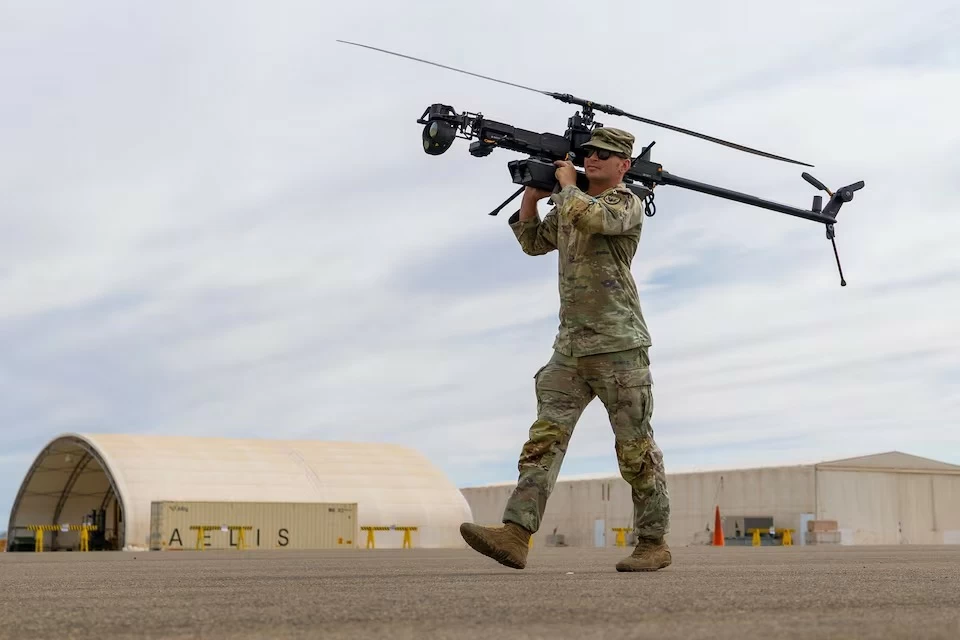
يختبر الجيش الأمريكي مجموعة من التقنيات الجديدة المضادة للطائرات المسيّرة في منطقة الحدود مع المكسيك، في محاولة لتعزيز قدراته في مواجهة الاستخدام المتزايد للطائرات المسيّرة من جانب عصابات تهريب المخدرات، والاستفادة في الوقت نفسه من وتيرة التطوير العسكري السريعة التي فرضتها حرب المسيّرات في أوكرانيا.
وخلال تمرين عسكري أجرته القيادة الشمالية الأمريكية في ولاية أريزونا في سبتمبر، شاهد جنود عروضاً لأنظمة دفاعية طورتها شركات متخصصة، شملت رادارات، وطائرات مسيّرة اعتراضية، وأنظمة مدافع آلية، وتقنيات أخرى مصممة لاكتشاف الطائرات المسيّرة الصغيرة وتعقبها وتدميرها.
378 اختراقاً خلال شهر
وبحسب وكالة «برويترز» قال مسؤولون عسكريون إن الطائرات المسيّرة التي تعبر الحدود الجنوبية تكون في الغالب نماذج تجارية متاحة بسهولة في الأسواق، وتستخدمها جماعات إجرامية لأغراض المراقبة المرتبطة بعمليات تهريب المخدرات والبشر.
وقال نائب قائد العمليات في قوة المهام المشتركة للحدود الجنوبية، العميد براين فيلر، إن الجيش الأمريكي رصد 378 حادثة توغل لطائرات مسيّرة خلال الثلاثين يوماً السابقة، مشيراً إلى أن الاتجاه آخذ في الارتفاع.
وأوضح فيلر أن معظم هذه الطائرات مسيّرات تجارية مزودة بكاميرات للمراقبة، وغالباً ما تظهر بالتزامن مع تحركات عبر الحدود.
وكان الجيش الأمريكي قد أعلن في وقت سابق من هذا الشهر أنه أسقط 11 طائرة مسيّرة تابعة للكارتلات باستخدام الليزر، منذ بدء نشر هذه التكنولوجيا على الحدود الجنوبية في أغسطس.
دروس حرب أوكرانيا
وتسعى المؤسسات العسكرية الأمريكية إلى الاستفادة من الدروس التي أفرزتها الحرب الروسية الأوكرانية، حيث تحولت الطائرات المسيّرة إلى عنصر رئيسي في العمليات القتالية، ودفع استخدامها المكثف إلى تطوير سريع ومتواصل لوسائل الهجوم والدفاع المضادة لها.
ويقر المسؤولون العسكريون بأن الطائرات التي تستخدمها عصابات تهريب المخدرات لا تضاهي في تعقيدها المسيّرات المتطورة المستخدمة في ساحات القتال في أوكرانيا أو الشرق الأوسط.
لكنهم يرون أن الحدود الجنوبية توفر بيئة عملية مهمة لاختبار المعدات، وتدريب الجنود، وقياس أداء الأنظمة في ظروف حقيقية، بعيداً عن البيئات المختبرية أو التجارب العسكرية التقليدية.
وقال العميد مات روس إن الجيش الأمريكي ينظر إلى أوكرانيا بإعجاب بسبب سرعة تكيف قواتها مع التطورات اليومية والأسبوعية في ساحة المعركة.
وأضاف أن الهدف لا ينبغي أن يكون مجرد مراقبة التجربة الأوكرانية، بل محاولة تكرار عملية التطوير والتكيف السريعة نفسها.
شركات تكنولوجية تدخل بقوة
وأبرز التمرين أيضاً تنامي اعتماد وزارة الدفاع الأمريكية على شركات التكنولوجيا الدفاعية الناشئة، ولا سيما الشركات المدعومة من مستثمرين من القطاع الخاص.
ومنذ اندلاع الحرب الروسية الأوكرانية، تدفقت مليارات الدولارات من الاستثمارات إلى شركات تعمل على تطوير الطائرات المسيّرة والأنظمة المضادة لها، وتسعى إلى الحصول على عقود عسكرية أمريكية.
وشملت العروض التي قدمت خلال التمرين طائرة Ghost المسيّرة، إلى جانب نظام للكشف يعتمد على الرادار والكاميرات، كما عُرض نظام Bullfrog، وهو مدفع رشاش آلي مصمم لمواجهة الطائرات المسيّرة، إضافة إلى طائرة مسيّرة اعتراضية.
الحدود كحقل اختبار واقعي
ويعكس استخدام الحدود الجنوبية لاختبار هذه التقنيات تحولاً في طريقة تقييم الجيش الأمريكي للأنظمة المضادة للمسيّرات، فبدل الاعتماد فقط على التجارب المنظمة في ميادين التدريب، توفر الحدود بيئة تشغيلية حقيقية تسمح للجيش بدراسة كيفية تعامل الأنظمة مع أهداف صغيرة وسريعة الحركة، وتحديد نقاط القوة والقصور فيها تحت ظروف ميدانية فعلية.
ويهدف المسؤولون كذلك إلى تسريع دورة التطوير، بحيث يمكن تعديل المعدات والبرمجيات والتكتيكات بسرعة أكبر استجابة للتهديدات الجديدة.
وتكتسب هذه المقاربة أهمية متزايدة مع انتشار الطائرات المسيّرة منخفضة التكلفة، التي بات بإمكان جهات غير حكومية استخدامها لأغراض الاستطلاع والمراقبة، فيما تتطلب مواجهتها وسائل دفاعية قد تكون أكثر تكلفة وتعقيداً.
The U.S. military is testing a range of new anti-drone technologies along the border with Mexico, in an effort to enhance its capabilities in response to the increasing use of drones by drug trafficking gangs, while also benefiting from the rapid pace of military development imposed by the drone war in Ukraine.
During a military exercise conducted by U.S. Northern Command in Arizona in September, soldiers observed demonstrations of defensive systems developed by specialized companies, which included radars, intercepting drones, automated gun systems, and other technologies designed to detect, track, and destroy small drones.
378 Incursions in a Month
According to Reuters, military officials stated that the drones crossing the southern border are mostly commercially available models that are easily accessible in the markets, used by criminal groups for surveillance related to drug and human trafficking operations.
Brigadier General Brian Viller, Deputy Commander of Operations for the Joint Task Force on the Southern Border, said that the U.S. military recorded 378 incursions by drones in the previous thirty days, noting that the trend is on the rise.
Viller explained that most of these drones are commercial drones equipped with surveillance cameras, and they often appear simultaneously with movements across the border.
The U.S. military had previously announced earlier this month that it had shot down 11 drones belonging to cartels using lasers since the deployment of this technology on the southern border in August.
Lessons from the Ukraine War
U.S. military institutions are seeking to benefit from the lessons learned from the Russian-Ukrainian war, where drones have become a key element in combat operations, and their intensive use has led to rapid and ongoing development of offensive and defensive means against them.
Military officials acknowledge that the drones used by drug trafficking gangs do not compare in complexity to the advanced drones used in battlefields in Ukraine or the Middle East.
However, they see that the southern border provides an important practical environment for testing equipment, training soldiers, and measuring system performance in real conditions, away from laboratory environments or traditional military experiments.
Brigadier General Matt Russo stated that the U.S. military looks at Ukraine with admiration due to the speed at which its forces have adapted to daily and weekly developments on the battlefield.
He added that the goal should not only be to observe the Ukrainian experience but to attempt to replicate the same rapid development and adaptation process.
Tech Companies Making Strong Inroads
The exercise also highlighted the growing reliance of the U.S. Department of Defense on emerging defense technology companies, particularly those backed by private sector investors.
Since the outbreak of the Russian-Ukrainian war, billions of dollars in investments have flowed into companies developing drones and counter-drone systems, seeking to secure U.S. military contracts.
The demonstrations presented during the exercise included the Ghost drone, along with a detection system based on radar and cameras, as well as the Bullfrog system, an automatic machine gun designed to counter drones, in addition to an intercepting drone.
The Border as a Real-World Testing Ground
The use of the southern border to test these technologies reflects a shift in how the U.S. military evaluates counter-drone systems. Instead of relying solely on organized experiments in training fields, the border provides a real operational environment that allows the military to study how systems handle small, fast-moving targets and identify their strengths and weaknesses under actual field conditions.
Officials also aim to accelerate the development cycle so that equipment, software, and tactics can be modified more quickly in response to new threats.
This approach is gaining increasing importance with the proliferation of low-cost drones, which non-governmental entities can now use for reconnaissance and surveillance, while countering them may require defensive means that could be more expensive and complex.