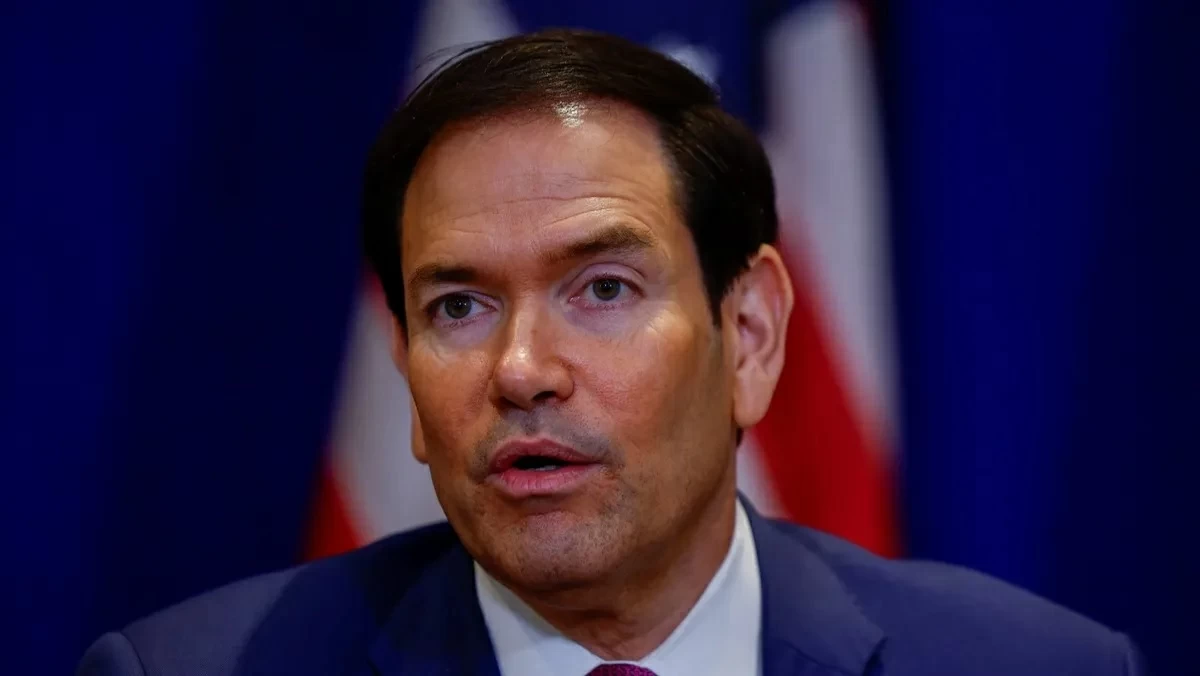
جدد وزير الخارجية الأمريكي ماركو روبيو التزام بلاده بالاتفاقيات الأمنية مع السعودية، مشدداً على أن واشنطن ستفي بتعهداتها تجاه المملكة في ظل التصعيد المتواصل مع مليشيا الحوثي في اليمن، ووصف الصراع بأنه «خطير ومعقد».
وقال روبيو، في تصريحات لقناة «فوكس نيوز»، اليوم (الإثنين): إن الولايات المتحدة لديها «اتفاقية دفاع مع السعودية»، مؤكداً أن بلاده «عازمة على الوفاء بالتزاماتها» بموجب الاتفاق. وأكد أن واشنطن ستقف دائماً إلى جانب الرياض وتدعمها إذا تطورت الأوضاع إلى مواجهة تهدد أمنها.
وأكد أن ما يحدث حالياً في اليمن هو هجوم مضاد على اعتداءات الحوثيين، مجدداً التأكيد على حق السعودية في الدفاع عن نفسها. وأفاد روبيو بأن السعودية واليمن لن تقبلا بتحكم الحوثي في باب المندب.
وكان روبيو شدد، في تصريحات سابقة، على أن الولايات المتحدة لا تقبل بأن تتحول الممرات البحرية الدولية إلى مناطق تخضع لسيطرة جماعات مسلحة، مؤكداً أن حرية الملاحة وتدفق السلع عبر الممرات الدولية مصلحة أمريكية ودولية أساسية. واتهم روبيو إيران بالوقوف خلف جانب من التصعيد الحوثي، مشيراً إلى وجود «يد إيرانية» وراء بعض الهجمات.
وتشير المواقف الأمريكية إلى أن واشنطن تنظر إلى أمن السعودية وحرية الملاحة في البحر الأحمر باعتبارهما جزءاً من مصالحها الأمنية الأوسع، في وقت تتزايد فيه الضغوط على الممرات البحرية الحيوية في المنطقة. وبالتزامن مع ذلك، أعلنت الحكومة اليمنية الانتقال إلى مرحلة عسكرية جديدة بهدف استعادة المناطق التي يسيطر عليها مليشيا الحوثي، بينما تستعد مؤسسات الدولة لمواكبة أي تقدم ميداني بإعادة الخدمات والعمل الإداري إلى المناطق المستعادة.
U.S. Secretary of State Marco Rubio renewed his country's commitment to security agreements with Saudi Arabia, emphasizing that Washington will fulfill its obligations to the Kingdom amid the ongoing escalation with the Houthi militia in Yemen, describing the conflict as "serious and complex."
Rubio stated in remarks to "Fox News" today (Monday) that the United States has a "defense agreement with Saudi Arabia," affirming that his country is "determined to meet its commitments" under the agreement. He confirmed that Washington will always stand by Riyadh and support it if the situation escalates into a confrontation that threatens its security.
He emphasized that what is currently happening in Yemen is a counterattack against Houthi aggressions, reiterating Saudi Arabia's right to defend itself. Rubio noted that Saudi Arabia and Yemen will not accept Houthi control over Bab el-Mandeb.
Rubio had previously stressed that the United States does not accept international maritime corridors becoming areas controlled by armed groups, asserting that freedom of navigation and the flow of goods through international corridors are a fundamental U.S. and international interest. He accused Iran of being behind some of the Houthi escalation, pointing to the existence of an "Iranian hand" behind some attacks.
The U.S. positions indicate that Washington views the security of Saudi Arabia and freedom of navigation in the Red Sea as part of its broader security interests, at a time when pressures on vital maritime corridors in the region are increasing. Concurrently, the Yemeni government announced its transition to a new military phase aimed at regaining areas controlled by the Houthi militia, while state institutions are preparing to accompany any field progress by restoring services and administrative work to the recaptured areas.