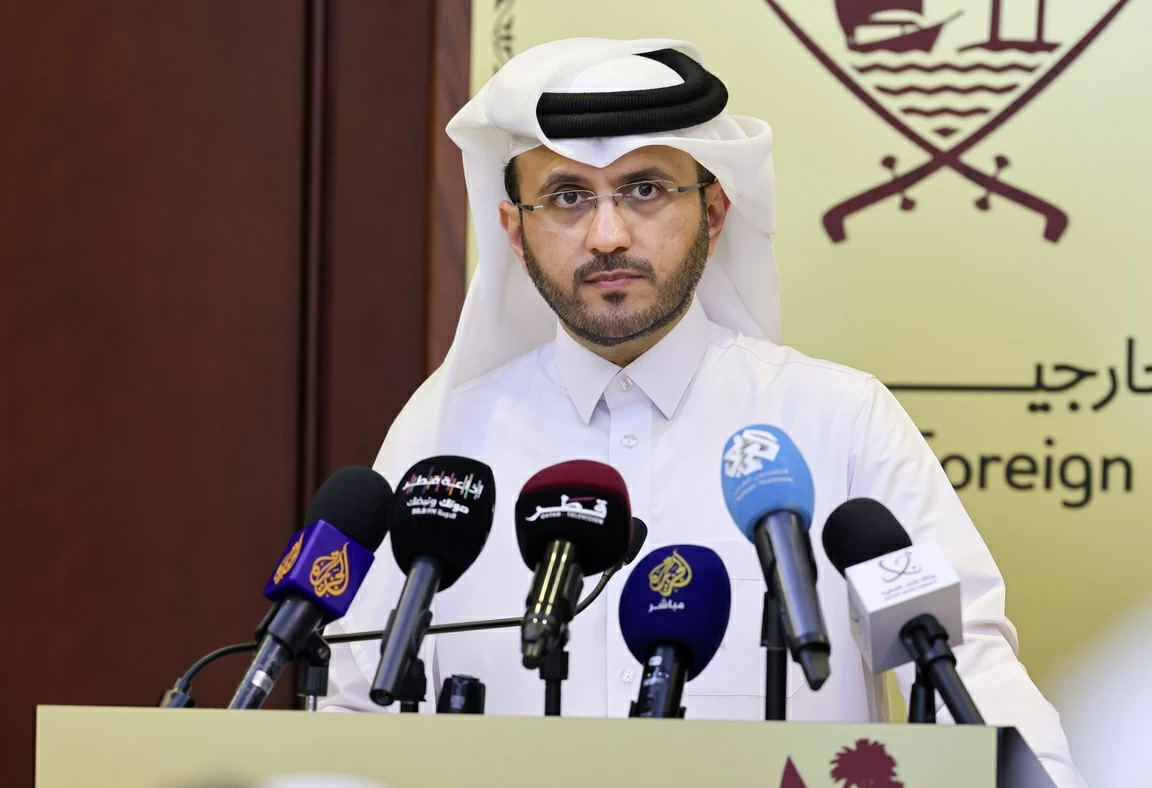
أكد المتحدث باسم وزارة الخارجية القطرية ماجد الأنصاري اليوم (الثلاثاء)، استمرار جهود الوساطة بين الولايات المتحدة وإيران، مشدداً على أن الدوحة لا ترى حلاً للأزمة سوى المسار السلمي.
وقال الأنصاري في مؤتمر صحفي: إن الاجتماعات والاتصالات مستمرة، وإن قطر تعمل على نقل الرسائل بين الجانبين وتذليل العقبات أمام التوصل إلى أرضية مشتركة، محذراً من أن شعوب دول المنطقة «لا ناقة لها ولا جمل» في الحرب الدائرة.
وأضاف أن السؤال لا يتعلق بقدرة دول الخليج على تحمل اضطرابات الملاحة في مضيق هرمز، وإنما بقدرة العالم على تحمل تداعياتها، مؤكداً ضرورة احترام منشآت البنية التحتية في المنطقة، وأن أي تهديد لها يمثل انتهاكاً للقانون الدولي.
وفي الشأن الفلسطيني، دعا الأنصاري إلى مضاعفة الجهود لوقف الانتهاكات الإسرائيلية في الضفة الغربية والقدس، محذراً من محاولات فرض واقع يتعارض مع التوافق الدولي واتفاق أوسلو. كما اتهم حكومة رئيس الوزراء الإسرائيلي بنيامين نتنياهو بتقويض جهود وقف إطلاق النار في غزة.
وكان الرئيس دونالد ترمب قال في وقت سابق إن فريق التفاوض الأمريكي أجرى محادثات غير مباشرة مع إيران أمس عبر وسطاء. وعمل الوسطاء مع إيران والولايات المتحدة في نيويورك خلال الساعات القادمة على «نسخة معدلة» من مقترح طهران لفتح مضيق هرمز واستئناف التفاوض على اتفاق نهائي لإنهاء الحرب، بعد رفض الرئيس الأمريكي دونالد ترمب للمقترح في صورته الأولية.
وبحسب تقارير أمريكية فإن العقبات لا تزال كبيرة وهناك فجوات قائمة بين الجانبين، رغم إبداء إيران مرونة بشأن الملف النووي، ووسط تأكيد أمريكي بأنه لا اتفاق دون معالجة القضايا النووية. لكن وزير الخارجية الأمريكي ماركو روبيو قال لقناة «فوكس نيوز»، إن إيران كانت تسعى إلى تخزين كميات هائلة من الأسلحة التقليدية، بما في ذلك أعداد ضخمة من الطائرات المسيرة والصواريخ، بهدف الوصول إلى مرحلة يستحيل فيها شن أي تحرك عسكري ضد برنامجها النووي.
وأضاف روبيو أن إيران كانت تريد، من خلال بناء هذه الترسانة، تحصين نفسها خلف «درع» يتيح لها تهديد المنطقة بأسرها والقوات الأمريكية وحتى أوروبا، قبل المضي نحو امتلاك سلاح نووي. وأشار إلى أن الرئيس الأمريكي دونالد ترمب لم يكن بوسعه السماح لإيران بالوصول إلى مرحلة تمتلك فيها من الصواريخ والطائرات المسيرة والأسلحة ما يجعل أي تحرك عسكري ضد برنامجها النووي أمراً مستحيلاً.
في المقابل، نقلت وكالة فارس عن نائب رئيس البرلمان الإيراني علي نيكزاد أن بلاده تدرس مشروعاً عاجلاً للانسحاب من معاهدة عدم انتشار الأسلحة النووية، متهماً الوكالة الدولية للطاقة الذرية بتقديم تقارير سلبية، ومؤكداً عدم ثقة بلاده بها وبمديرها العام.
وعلق المتحدث باسم الكرملين دميتري بيسكوف على تصريحات المسؤول الإيراني بالقول: أن تلك التصريحات تحتاج إلى توضيح، موضحاً أن موسكو لا ترغب في انسحاب إيران من المعاهدة. وأضاف أن روسيا تعول على بقاء إيران طرفاً في هذه المعاهدة.
The spokesperson for the Qatari Ministry of Foreign Affairs, Majid Al-Ansari, confirmed today (Tuesday) the continuation of mediation efforts between the United States and Iran, emphasizing that Doha sees no solution to the crisis other than a peaceful path.
Al-Ansari stated at a press conference that meetings and communications are ongoing, and that Qatar is working to convey messages between the two sides and to remove obstacles to reaching a common ground, warning that the peoples of the region "have no camel or cow" in the ongoing war.
He added that the question is not about the Gulf countries' ability to withstand disruptions in navigation in the Strait of Hormuz, but rather about the world's ability to bear the repercussions, stressing the necessity of respecting infrastructure facilities in the region, and that any threat to them constitutes a violation of international law.
Regarding the Palestinian issue, Al-Ansari called for doubling efforts to stop Israeli violations in the West Bank and Jerusalem, warning against attempts to impose a reality that contradicts international consensus and the Oslo Agreement. He also accused the government of Israeli Prime Minister Benjamin Netanyahu of undermining efforts to achieve a ceasefire in Gaza.
Earlier, President Donald Trump stated that the American negotiating team held indirect talks with Iran yesterday through intermediaries. The intermediaries worked with Iran and the United States in New York over the coming hours on a "revised version" of Tehran's proposal to open the Strait of Hormuz and resume negotiations for a final agreement to end the war, after President Donald Trump rejected the proposal in its initial form.
According to American reports, significant obstacles remain, and gaps exist between the two sides, despite Iran showing flexibility regarding the nuclear file, amid American assurances that there will be no agreement without addressing nuclear issues. However, U.S. Secretary of State Marco Rubio told Fox News that Iran was seeking to stockpile vast amounts of conventional weapons, including large numbers of drones and missiles, with the aim of reaching a stage where any military action against its nuclear program would be impossible.
Rubio added that Iran wanted, through building this arsenal, to fortify itself behind a "shield" that would allow it to threaten the entire region, U.S. forces, and even Europe, before moving towards acquiring nuclear weapons. He noted that President Donald Trump could not allow Iran to reach a stage where it possesses missiles, drones, and weapons that would make any military action against its nuclear program impossible.
In contrast, the Fars news agency reported that Iranian parliamentary deputy Ali Nikzad stated that his country is considering an urgent project to withdraw from the Treaty on the Non-Proliferation of Nuclear Weapons, accusing the International Atomic Energy Agency of providing negative reports, and confirming his country's lack of trust in it and its director general.
Kremlin spokesperson Dmitry Peskov commented on the Iranian official's statements by saying that those statements need clarification, explaining that Moscow does not wish for Iran to withdraw from the treaty. He added that Russia relies on Iran remaining a party to this treaty.