حذّرت القيادة العسكرية الأمريكية في أفريقيا «أفريكوم» من تنامي التعاون بين جماعة الحوثيين في اليمن وحركة الشباب المرتبطة بتنظيم القاعدة في الصومال، معتبرة أن تطور العلاقة بين الطرفين قد ينعكس على أمن المنطقة والممرات البحرية الحيوية.
ونقلت صحيفة «فايننشال تايمز» عن متحدث باسم «أفريكوم» وصفه العلاقة بين الحوثيين وحركة الشباب بأنها «تهديد تصعيدي» يثير مخاوف بشأن الاستقرار الإقليمي، مشيراً إلى أن التعاون بين الطرفين قد يوسع القدرات العملياتية لحركة الشباب، وفي الوقت نفسه يمنح الحوثيين قدرة أكبر على الوصول إلى الممرات البحرية في البحر الأحمر وخليج عدن وغرب المحيط الهندي.
أسلحة وتدريب على المسيّرات والمتفجرات
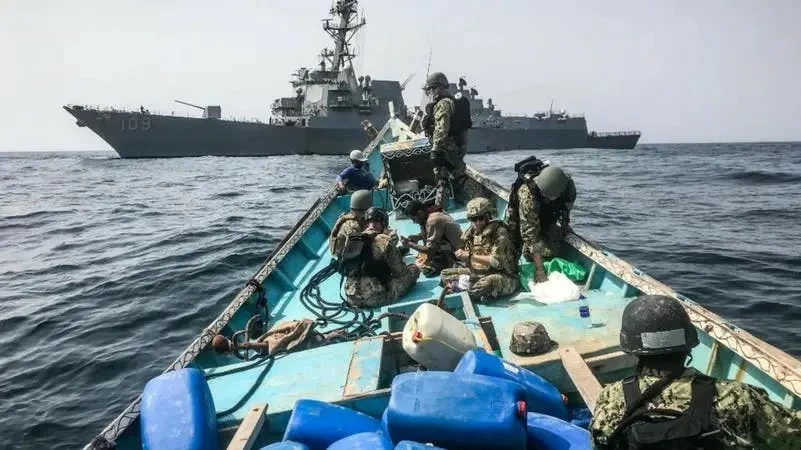
وبحسب التقرير، شمل التعاون بين الطرفين نقل أسلحة وتقديم تدريبات لعناصر من حركة الشباب على استخدام الطائرات المسيّرة والعبوات الناسفة والتكتيكات القتالية، إلى جانب اتصالات وزيارات متبادلة لتعزيز التنسيق.
مسلحون حوثيون
وتتوافق هذه المعطيات مع ما أورده فريق الخبراء التابع للأمم المتحدة في تقريره الصادر عام 2025، إذ أكد أن التحقيقات الأممية رصدت تنامي العلاقة بين الحوثيين وحركة الشباب، وأن التعاون شمل تهريب الأسلحة والتدريب الفني والتكتيكات العملياتية وتبادل الدعم اللوجستي.
وكان تقرير أممي سابق قد أشار أيضاً إلى أن حركة الشباب أرسلت مقاتلين إلى اليمن لتلقي تدريبات شملت استخدام البنادق والأسلحة المضادة للطائرات والعبوات الناسفة، مع استمرار تدفق الأسلحة من اليمن إلى مناطق خاضعة لسيطرة الحركة في الصومال.
1500 مقاتل.. ومخاوف من أسلحة أكثر تطوراً
ونقلت «فايننشال تايمز» عن خبراء في الشأن الصومالي أن ما يصل إلى 1500 مقاتل صومالي تلقوا تدريبات لدى الحوثيين في اليمن، فيما تحدثت مصادر أخرى عن سعي حركة الشباب للحصول على أسلحة أكثر تطوراً.
ومن بين الأسلحة التي أثيرت بشأنها مخاوف صواريخ S-358 إيرانية الصنع المضادة للطائرات، إلا أن المعلومات المتاحة لا تثبت بشكل مستقل وصول هذه الصواريخ إلى الحركة أو استخدامها في الصومال.
وتشير تقارير الأمم المتحدة إلى أن العلاقة بين الطرفين لم تعد تقتصر على عمليات تهريب أسلحة، إذ رصدت تقارير أممية سابقة طلب حركة الشباب أسلحة متقدمة وتدريباً من الحوثيين، مع استمرار تدفق الأسلحة والذخائر والمتفجرات من اليمن إلى مناطق نفوذ الحركة.
تعاون يتجاوز البعد التجاري
ويأتي هذا التطور في وقت تقول فيه الأمم المتحدة إن العلاقة بين الحوثيين وحركة الشباب تتجه إلى مزيد من التعاون.
وخلص فريق الخبراء الأممي في تقريره الصادر في أكتوبر 2025 إلى أن تعزيز العلاقات بين الطرفين قد يشكل تهديداً متزايداً للسلام والأمن والاستقرار في اليمن والمنطقة، مشيراً إلى أن التعاون لا يقتصر على المصالح التجارية، بل يدخل ضمن مسعى حوثي لتوسيع النفوذ الإقليمي.
كما أعربت دول أعضاء في مجلس الأمن عن قلقها من تدفق الأسلحة من اليمن إلى الصومال، ومن الروابط المتنامية بين الحوثيين وحركة الشباب.
البحر الأحمر وخليج عدن في دائرة الخطر
ويرى خبراء تحدثت إليهم «فايننشال تايمز» أن امتلاك حركة الشباب خبرات إضافية في تشغيل الطائرات المسيّرة والأسلحة المتطورة قد يوسع نطاق المخاطر التي تواجه الملاحة في البحر الأحمر وخليج عدن.
وتكتسب هذه المخاوف أهمية خاصة بالنظر إلى الموقع الجغرافي للصومال واليمن على جانبي خليج عدن، وقربهما من باب المندب، أحد أهم الممرات البحرية التي تربط البحر الأحمر بالمحيط الهندي.
وكانت «أفريكوم» قد أشارت في وثائقها إلى الأهمية الإستراتيجية للبحر الأحمر بالنسبة للتجارة العالمية، محذرة من أن إقامة الحوثيين موطئ قدم في شرق أفريقيا يمكن أن تزيد المخاطر على حركة التجارة والشحن.
هل بات الطرفان حليفين؟
ورغم تصاعد الاتصالات والتعاون بين الحوثيين وحركة الشباب، فإن بعض الباحثين يتحفظون على وصف العلاقة بأنها تحالف رسمي، ويرون أنها أقرب إلى شبكة من المصالح المتبادلة تشمل السلاح والتدريب والخبرات والدعم اللوجستي.
ويأتي ذلك رغم الاختلافات المذهبية والأيديولوجية بين الطرفين، إذ تشير التقارير الأممية إلى أن العلاقة تطورت تدريجياً من اتصالات ومصالح مرتبطة بتهريب الأسلحة إلى تعاون أكثر اتساعاً في مجالات التدريب والدعم اللوجستي.
وفي السياق ذاته، تواصل الولايات المتحدة عملياتها العسكرية ضد حركة الشباب في الصومال بالتنسيق مع الحكومة الصومالية؛ وأعلنت «أفريكوم» في 28 سبتمبر 2026 تنفيذ ضربات جوية ضد مواقع للحركة قرب منطقة قمبي، شمال غرب كيسمايو.
وتشير التقارير الأمريكية والأممية إلى أن العلاقة بين الحوثيين وحركة الشباب شهدت تطوراً ملموساً في مجالات الأسلحة والتدريب والدعم اللوجستي، فيما لا يزال مدى تحول هذا التعاون إلى شراكة عسكرية متكاملة محل نقاش بين الباحثين.
وتتركز المخاوف الدولية بصورة خاصة على انعكاسات هذا التعاون المحتملة على أمن البحر الأحمر وخليج عدن وحركة الملاحة الدولية.
The U.S. military leadership in Africa, "Africom," has warned of the growing cooperation between the Houthi group in Yemen and the Al-Shabaab movement linked to Al-Qaeda in Somalia, considering that the development of the relationship between the two parties could impact the security of the region and vital maritime corridors.
The "Financial Times" reported that a spokesperson for "Africom" described the relationship between the Houthis and Al-Shabaab as an "escalatory threat" that raises concerns about regional stability, indicating that cooperation between the two could expand Al-Shabaab's operational capabilities while simultaneously granting the Houthis greater access to maritime corridors in the Red Sea, Gulf of Aden, and the western Indian Ocean.
Weapons and Training on Drones and Explosives
According to the report, the cooperation between the two parties included the transfer of weapons and training for Al-Shabaab members on the use of drones, explosives, and combat tactics, along with communications and reciprocal visits to enhance coordination.
مسلحون حوثيون
This data aligns with what was reported by the United Nations experts' team in their 2025 report, which confirmed that UN investigations had detected a growing relationship between the Houthis and Al-Shabaab, and that the cooperation included arms smuggling, technical training, operational tactics, and the exchange of logistical support.
A previous UN report also indicated that Al-Shabaab had sent fighters to Yemen for training that included the use of rifles, anti-aircraft weapons, and explosives, while the flow of weapons from Yemen to areas under the movement's control in Somalia continued.
1500 Fighters... Concerns About More Advanced Weapons
The "Financial Times" quoted experts on Somali affairs stating that up to 1500 Somali fighters had received training from the Houthis in Yemen, while other sources spoke of Al-Shabaab's efforts to acquire more advanced weapons.
Among the weapons that raised concerns were Iranian-made S-358 anti-aircraft missiles, although available information does not independently confirm the arrival of these missiles to the movement or their use in Somalia.
UN reports indicate that the relationship between the two parties is no longer limited to arms smuggling operations, as previous UN reports have documented Al-Shabaab's requests for advanced weapons and training from the Houthis, with the continued flow of arms, ammunition, and explosives from Yemen to areas under the movement's influence.
Cooperation Beyond Commercial Interests
This development comes at a time when the United Nations states that the relationship between the Houthis and Al-Shabaab is moving towards further cooperation.
The UN experts' team concluded in its report issued in October 2025 that the strengthening of relations between the two parties could pose an increasing threat to peace, security, and stability in Yemen and the region, indicating that the cooperation is not limited to commercial interests but is part of a Houthi effort to expand regional influence.
Member states of the Security Council have also expressed concern about the flow of weapons from Yemen to Somalia and the growing links between the Houthis and Al-Shabaab.
The Red Sea and Gulf of Aden in Danger
Experts interviewed by the "Financial Times" believe that Al-Shabaab's additional expertise in operating drones and advanced weapons could expand the range of risks facing navigation in the Red Sea and Gulf of Aden.
These concerns gain particular importance considering the geographical location of Somalia and Yemen on either side of the Gulf of Aden, and their proximity to Bab el-Mandeb, one of the most important maritime corridors linking the Red Sea to the Indian Ocean.
Africom has indicated in its documents the strategic importance of the Red Sea for global trade, warning that the Houthis establishing a foothold in East Africa could increase risks to trade and shipping activities.
Have the Two Parties Become Allies?
Despite the rising communications and cooperation between the Houthis and Al-Shabaab, some researchers are cautious about describing the relationship as an official alliance, seeing it as closer to a network of mutual interests involving weapons, training, expertise, and logistical support.
This comes despite the sectarian and ideological differences between the two parties, as UN reports indicate that the relationship has gradually evolved from communications and interests related to arms smuggling to broader cooperation in training and logistical support.
In this context, the United States continues its military operations against Al-Shabaab in Somalia in coordination with the Somali government; "Africom" announced on September 28, 2026, the execution of airstrikes against Al-Shabaab positions near the Qumbii area, northwest of Kismayo.
American and UN reports indicate that the relationship between the Houthis and Al-Shabaab has seen tangible developments in the fields of weapons, training, and logistical support, while the extent to which this cooperation has transformed into a comprehensive military partnership remains a topic of discussion among researchers.
International concerns are particularly focused on the potential implications of this cooperation on the security of the Red Sea, Gulf of Aden, and international navigation.