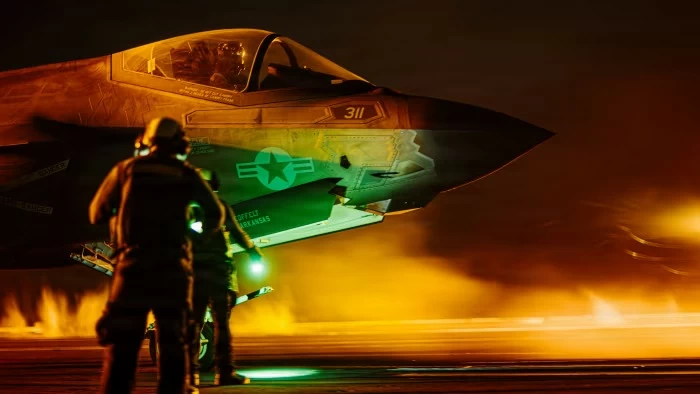
تعمل الولايات المتحدة على تمديد انتشار قواتها العسكرية في أنحاء الشرق الأوسط، في وقت تستعد فيه إدارة الرئيس دونالد ترمب لاحتمال استمرار الحرب مع إيران حتى عام 2027، بحسب ما أوردته صحيفة «وول ستريت جورنال» نقلاً عن مصادر مطلعة على الأمر.
وبالتزامن مع الاستعداد العسكري، ناقش ترمب بصورة خاصة مع عدد من كبار مستشاريه إمكانية إعلان انتهاء الحرب مع إيران، معتبرًا أن استمرار الضغوط الاقتصادية قد يدفع طهران في نهاية المطاف إلى تفكيك برنامجها النووي أو يؤدي إلى انهيار النظام، وفقًا للمصادر التي نقلت عنها الصحيفة.
وقال ترمب في منشور عبر وسائل التواصل الاجتماعي: «أحب وضعنا الآن بشكل أفضل بكثير، مع سيطرة شبه كاملة على مضيق هرمز، وانهيار اقتصادهم بالكامل».
نحو 50 ألف جندي و19 سفينة حربية
وبحسب التقرير، فإن ما قدمه وزير الدفاع الأمريكي بيت هيغسيث في البداية باعتباره عملية عسكرية قصيرة وحاسمة، تحول إلى انتشار عسكري واسع، إذ تحتفظ واشنطن حاليًا بنحو 50 ألف جندي في المنطقة، إلى جانب 19 سفينة حربية وأسراب من المقاتلات ووحدات للدفاع الجوي وقوات مظلية.
ويهدف هذا الانتشار، وفق المصادر، إلى الحفاظ على قدرة ترمب على الاختيار بين عدة مسارات، تشمل مواصلة الضغوط الاقتصادية، وتنفيذ عمليات عسكرية محدودة، أو الانتقال إلى تصعيد أوسع نطاقًا.
ويأتي ذلك بينما أُطلع ترمب الشهر الماضي على خيارات عسكرية محتملة، تضمنت تكثيف الضربات الجوية وإرسال قوات برية للسيطرة على جزر إيرانية بالقرب من مضيق هرمز.
كما شملت الخيارات المحتملة موقع «جبل بيكآكس» بالقرب من نطنز، وهو موقع سلط مسؤولون أمريكيون وإسرائيليون الضوء عليه في إطار مخاوفهم من أنشطة إيران النووية المحتملة.
وتفرض هذه السيناريوهات على الولايات المتحدة الإبقاء على قدرات هجومية كبيرة في المنطقة، حتى في الوقت الذي تختبر فيه إدارة ترمب ما إذا كانت الضغوط الاقتصادية قادرة على تحقيق نتيجة دبلوماسية.
ضغوط متزايدة على القوات الأمريكية
لكن استمرار الانتشار لفترات أطول بدأ يفرض ضغوطًا متزايدة على العسكريين الأمريكيين وعائلاتهم والمعدات العسكرية، مع مساهمة طول المهام في تأخير عمليات الصيانة، وهي مشكلات قد تحتاج إلى سنوات لمعالجتها، بحسب التقرير.
وتتركز الضغوط بصورة خاصة على وحدات الدفاع الجوي التابعة للجيش الأمريكي، والمسؤولة عن اعتراض الصواريخ والطائرات المسيّرة الإيرانية، وارتفعت مدة انتشار هذه الوحدات من تسعة أشهر إلى 12 شهرًا، وفقًا لأحد المصادر المطلعة على الوضع.
كما أن بعض الوحدات التي كانت مخصصة في الأصل للانتشار في أوروبا أو منطقة المحيط الهادئ أمضت بالفعل أكثر من عام في الخدمة بعد إعادة توجيهها إلى الشرق الأوسط.
من جانبه، حذر مدير مشروع الدفاع الصاروخي في مركز الدراسات الإستراتيجية والدولية، توم كاراكّو، من أن ارتفاع وتيرة العمليات قد يؤدي إلى إنهاك الأفراد، وتأجيل أعمال الصيانة، والتأثير في خطط تحديث القوات الأمريكية على المدى الطويل.
ضغط إضافي على البحرية الأمريكية
ولا تقتصر الضغوط على القوات البرية، إذ تواجه البحرية الأمريكية بدورها أعباء متزايدة نتيجة استمرار الانتشار في المنطقة.
ووفق مسؤول في البحرية نقلت عنه «وول ستريت جورنال»، تعمل حاليًا 19 سفينة حربية أمريكية في مياه الشرق الأوسط، بينها حاملتا طائرات و13 مدمرة مزودة بصواريخ موجهة.
وتشارك مدمرات، من بينها «يو إس إس ديلبرت دي. بلاك» و«يو إس إس سبروانس»، والتي كانت قد انتشرت في المراحل الأولى من الحرب مع إيران، في فرض الحصار البحري.
وبعض هذه السفن، التي تضم أطقمها نحو 300 فرد، أمضت عدة أشهر متتالية في البحر، بدلًا من الحصول على فترات الراحة المعتادة بين المهام.
بين إنهاء الحرب والاستعداد لتصعيدها
ويكشف الانتشار العسكري الأمريكي الواسع عن مفارقة أساسية في إستراتيجية واشنطن الحالية: ففي الوقت الذي يبدي فيه ترمب اهتمامًا بإمكانية إنهاء الحرب، تحرص إدارته في الوقت نفسه على الاحتفاظ بالقدرات العسكرية التي تتيح لها تصعيد العمليات بسرعة إذا اقتضت الحاجة.
وتزداد صعوبة المهمة مع استمرار الهجمات الإيرانية على الأصول والقواعد الأمريكية في المنطقة.
ويشير محللون إلى أن الحرس الثوري الإيراني يواصل استهداف المصالح والقوات الأمريكية في إطار مسعى لدفع واشنطن إلى تقليص وجودها العسكري في المنطقة أو الانسحاب منها.
ومع ذلك، أكد ترمب الأربعاء أن الولايات المتحدة لا تزال مستعدة لضرب إيران مجددًا، بعد محاولة إيرانية لنشر ألغام جديدة في مضيق هرمز.
وقال ترمب للصحفيين: «نحن نرى كل ما يفعلونه»، مضيفًا بلهجة حادة: «لا يمكنهم الذهاب إلى الحمام دون أن نراهم».
وفي الوقت الذي تستمر فيه واشنطن في اختبار جدوى الضغوط الاقتصادية والدبلوماسية، يبدو أن البنتاغون يستعد في المقابل لسيناريو أكثر تعقيدًا: حرب قد تطول، وانتشار عسكري ممتد، وقوات تحتاج إلى الحفاظ على جاهزيتها رغم الضغوط المتزايدة على الأفراد والمعدات.
The United States is working to extend its military presence throughout the Middle East, as the administration of President Donald Trump prepares for the possibility of the war with Iran continuing until 2027, according to a report by the Wall Street Journal citing informed sources.
In conjunction with military preparations, Trump specifically discussed with several senior advisors the possibility of declaring an end to the war with Iran, believing that continued economic pressure could ultimately push Tehran to dismantle its nuclear program or lead to the collapse of the regime, according to the sources cited by the newspaper.
Trump stated in a social media post: "I like our position now much better, with near-total control of the Strait of Hormuz, and their economy completely collapsing."
About 50,000 troops and 19 warships
According to the report, what U.S. Defense Secretary Pete Hegseth initially presented as a short and decisive military operation has turned into a wide military deployment, with Washington currently maintaining about 50,000 troops in the region, along with 19 warships, squadrons of fighter jets, air defense units, and airborne forces.
This deployment, according to the sources, aims to maintain Trump's ability to choose between several paths, including continuing economic pressure, conducting limited military operations, or moving to a broader escalation.
This comes as Trump was briefed last month on potential military options, which included intensifying airstrikes and sending ground forces to seize Iranian islands near the Strait of Hormuz.
The potential options also included the site of "Mount Pikaaks" near Natanz, a site that U.S. and Israeli officials have highlighted amid their concerns over Iran's potential nuclear activities.
These scenarios compel the United States to maintain significant offensive capabilities in the region, even as the Trump administration tests whether economic pressures can achieve a diplomatic outcome.
Increasing pressure on U.S. forces
However, the continuation of deployments for longer periods has begun to impose increasing pressures on American military personnel, their families, and military equipment, with the length of missions contributing to delays in maintenance operations—issues that may take years to address, according to the report.
The pressures are particularly focused on the U.S. Army's air defense units, responsible for intercepting Iranian missiles and drones, with the deployment duration for these units increasing from nine months to 12 months, according to one source familiar with the situation.
Additionally, some units originally designated for deployment in Europe or the Pacific region have already spent more than a year in service after being redirected to the Middle East.
For his part, Tom Karako, director of the Missile Defense Project at the Center for Strategic and International Studies, warned that the increased pace of operations could lead to personnel fatigue, delayed maintenance work, and impact long-term plans to modernize U.S. forces.
Additional pressure on the U.S. Navy
The pressures are not limited to ground forces, as the U.S. Navy is also facing increasing burdens due to the ongoing deployment in the region.
According to a Navy official quoted by the Wall Street Journal, 19 U.S. warships are currently operating in Middle Eastern waters, including aircraft carriers and 13 destroyers equipped with guided missiles.
Destroyers, including the USS Delbert D. Black and the USS Spruance, which had been deployed in the early stages of the war with Iran, are participating in enforcing the naval blockade.
Some of these ships, which have crews of about 300 personnel, have spent several consecutive months at sea instead of receiving the usual breaks between missions.
Between ending the war and preparing for escalation
The extensive U.S. military deployment reveals a fundamental paradox in Washington's current strategy: while Trump shows interest in the possibility of ending the war, his administration simultaneously seeks to retain military capabilities that allow for rapid escalation of operations if necessary.
The task becomes more difficult as Iranian attacks on U.S. assets and bases in the region continue.
Analysts point out that the Iranian Revolutionary Guard continues to target U.S. interests and forces as part of an effort to push Washington to reduce its military presence in the region or withdraw from it.
Nevertheless, Trump affirmed on Wednesday that the United States remains prepared to strike Iran again after an Iranian attempt to deploy new mines in the Strait of Hormuz.
Trump told reporters: "We see everything they do," adding sharply: "They can't go to the bathroom without us seeing them."
As Washington continues to test the effectiveness of economic and diplomatic pressures, it seems the Pentagon is preparing for a more complex scenario: a prolonged war, an extended military deployment, and forces that need to maintain their readiness despite the increasing pressures on personnel and equipment.