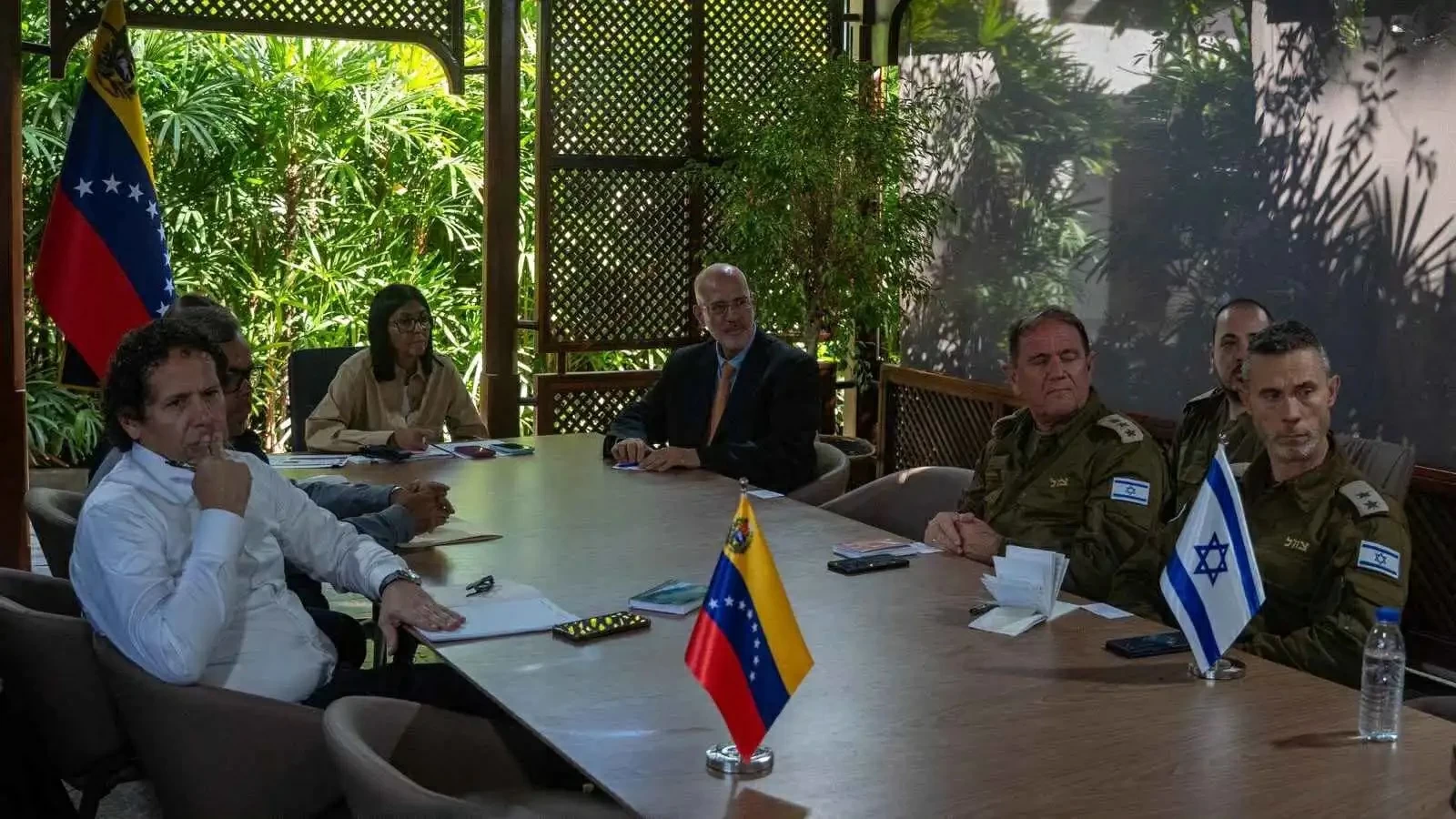
بعد قطيعة استمرت 17 عاماً، أعلنت الحكومة الفنزويلية اليوم (الثلاثاء) الاتفاق مع إسرائيل على تدشين آلية تنسيق لتسهيل تقديم الخدمات القنصلية.
وأوضحت الحكومة الفنزويلية أن محادثات جرت بين مسؤولين رفيعي المستوى من كلا البلدين أفضت إلى الاتفاق على استئناف الخدمات القنصلية، مؤكدة اتفاق الجانبين على استمرار التعاون الفني الثنائي المرتبط بجهود الطوارئ والتعافي من آثار الزلزال المزدوج الذي ضرب فنزويلا في 24 يونيو الماضي.
وأشارت الخارجية الفنزويلية إلى أن هذا المسار جاء في أعقاب زيارة وفد إسرائيلي للمساعدة في عمليات الاستجابة والتعافي من آثار الزلزال، مبينة أن البلدين لا يقيمان علاقات دبلوماسية منذ 2009. وكانت فنزويلا، التي قطعت علاقاتها قبل 17 عاماً بسبب الهجمات الإسرائيلية على قطاع غزة، حليفة تاريخية لإيران، لكن حكومتها أصبحت أكثر تقارباً مع واشنطن منذ أن احتجزت الولايات المتحدة الرئيس نيكولاس مادورو في يناير.
وأعلنت الحكومة الفنزويلية قطع علاقاتها الدبلوماسية مع إسرائيل في مطلع 2009، مرجعة أسباب قرارها حينها إلى أنه انسجاماً مع رؤية فنزويلا لعالم مسالم وللتضامن واحترام القانون الدولي، فضلاً عن الاضطهاد غير الإنساني الذي يتعرض له الشعب الفلسطيني من قبل إسرائيل.
وطردت إسرائيل حينها السفير الإسرائيلي، لكن كندا مثلت المصالح الإسرائيلية في كاراكاس، بينما مثلت إسبانيا المصالح الفنزويلية في تل أبيب.
وتعود العلاقات الدبلوماسية بين تل أبيب وكراكاس إلى 1948، إذ اعترفت فنزويلا بإسرائيل وحافظت على علاقات دبلوماسية واقتصادية وعسكرية، بما في ذلك شراء الأسلحة من إسرائيل طوال السبعينات وحتى التسعينات، لكن في عهد الرئيس اليساري الراحل هوغو تشافيز عام 1999 شهدت العلاقات تدهوراً في ضوء تعاطف كراكاس وتضامنها مع القضايا الفلسطينية، إضافة إلى توجيه انتقادات شديدة للعمليات العسكرية الإسرائيلية.
After a 17-year hiatus, the Venezuelan government announced today (Tuesday) an agreement with Israel to launch a coordination mechanism to facilitate the provision of consular services.
The Venezuelan government clarified that talks took place between senior officials from both countries, leading to the agreement to resume consular services, confirming that both sides agreed to continue bilateral technical cooperation related to emergency efforts and recovery from the effects of the double earthquake that struck Venezuela on June 24.
The Venezuelan Foreign Ministry noted that this path followed a visit by an Israeli delegation to assist in response and recovery operations from the earthquake's effects, indicating that the two countries have not maintained diplomatic relations since 2009. Venezuela, which severed its ties 17 years ago due to Israeli attacks on the Gaza Strip, has historically been an ally of Iran, but its government has become closer to Washington since the United States detained President Nicolás Maduro in January.
The Venezuelan government announced the severance of its diplomatic relations with Israel at the beginning of 2009, attributing its decision at the time to its vision for a peaceful world and solidarity and respect for international law, as well as the inhumane persecution faced by the Palestinian people from Israel.
At that time, Israel expelled the Israeli ambassador, but Canada represented Israeli interests in Caracas, while Spain represented Venezuelan interests in Tel Aviv.
The diplomatic relations between Tel Aviv and Caracas date back to 1948, when Venezuela recognized Israel and maintained diplomatic, economic, and military relations, including arms purchases from Israel throughout the 1970s and into the 1990s. However, during the presidency of the late leftist Hugo Chávez in 1999, relations deteriorated in light of Caracas's sympathy and solidarity with Palestinian issues, in addition to strong criticisms of Israeli military operations.