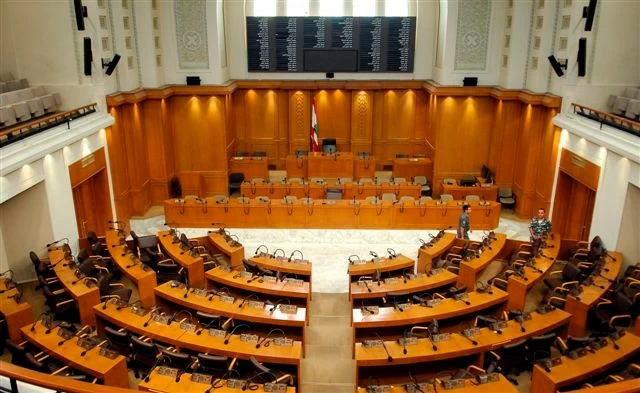
أقر مجلس النواب اللبناني، الثلاثاء، قانوناً يقضي بإلغاء عقوبة الإعدام في البلاد، بعد إدخال تعديلات على النص، في خطوة وصفها وزير العدل عادل نصّار بأنها «تاريخية».
وجاء إقرار القانون بالأكثرية خلال جلسة تشريعية عقدها مجلس النواب برئاسة نبيه بري، وسط اعتراض كتلة «الوفاء للمقاومة» على القانون بصيغته التي أقرها المجلس.
وقال وزير العدل اللبناني إن إلغاء عقوبة الإعدام يمثل «خطوة تاريخية»، مشدداً في الوقت نفسه على أن إلغاء العقوبة لا يعني التساهل مع الجرائم أو تخفيف التعامل مع مرتكبي الجرائم الخطيرة.
وعلق النائب سيمون أبي رميا على القرار بالقول إن المجلس «لم يلغِ عقوبة فحسب، بل ألغى فكرة أن تكون الدولة قاتلة باسم القانون».
من جانبه، أوضح عضو تكتل «الجمهورية القوية» جورج عقيص أن الجدل الذي رافق مناقشة القانون لم ينتقص من أهمية إلغاء عقوبة الإعدام، مشيراً إلى أن الخلاف الأساسي تمحور حول العقوبة البديلة التي ستُفرض على الجرائم التي كانت تستوجب الإعدام.
وأوضح عقيص أن الاتجاه كان نحو استبدال عقوبة الإعدام بـ«المؤبد المشدد»، وهي عقوبة تختلف من حيث نطاقها ومدتها عن عقوبة السجن المؤبد المعمول بها حالياً في القانون اللبناني.
ويأتي إقرار القانون بعد سنوات من الجدل بشأن عقوبة الإعدام في لبنان، التي لا تزال منصوصاً عليها في التشريعات اللبنانية بالنسبة إلى عدد من الجرائم، رغم عدم تنفيذ أحكام إعدام منذ عام 2004، بحسب المعطيات المتداولة بشأن تطبيق العقوبة في البلاد.
وشملت جلسة مجلس النواب جدول أعمال من 14 بنداً، تضمنت عدداً من مشاريع واقتراحات القوانين، من بينها إلى جانب إلغاء عقوبة الإعدام، مقترحات تتعلق بالعفو العام وتخفيض بعض العقوبات بصورة استثنائية، فضلاً عن اقتراح قانون للإعلام.
ويعيد إلغاء عقوبة الإعدام فتح النقاش في لبنان حول طبيعة العقوبات الجنائية، والتوازن بين تشديد العقوبة على الجرائم الخطيرة وبين الاتجاه الحقوقي الرافض لعقوبة الإعدام باعتبارها عقوبة نهائية لا يمكن التراجع عنها بعد تنفيذها.
وتزامنت الجلسة التشريعية مع احتجاجات نظمها عدد من العاملين في القطاع العام والمتقاعدين العسكريين والمدنيين، اعتراضاً على قرار مجلس الوزراء المتعلق بتقسيط المفعول الرجعي للرواتب والمعاشات التي أُقرت أخيراً على دفعات تمتد حتى نهاية أغسطس 2027.
وطالب العسكريون المتقاعدون بتحسين أوضاعهم المعيشية والمالية، في وقت يناقش فيه البرلمان عدداً من الملفات التشريعية والاقتصادية والاجتماعية على مدى جلستين، الثلاثاء والأربعاء.
The Lebanese Parliament approved, on Tuesday, a law that abolishes the death penalty in the country, after amendments were made to the text, in a step described by Justice Minister Adel Nassar as "historic."
The law was passed by a majority during a legislative session chaired by Nabih Berri, amidst objections from the "Loyalty to the Resistance" bloc regarding the law in its approved form.
The Lebanese Justice Minister stated that the abolition of the death penalty represents a "historic step," while emphasizing that abolishing the penalty does not mean leniency towards crimes or a reduction in the handling of serious offenders.
MP Simon Abi Ramia commented on the decision, saying that the council "did not just abolish a penalty, but abolished the idea of the state being a killer in the name of the law."
For his part, member of the "Strong Republic" bloc George Okais clarified that the debate surrounding the law did not diminish the importance of abolishing the death penalty, noting that the main disagreement revolved around the alternative penalty that would be imposed for crimes that previously warranted the death penalty.
Okais explained that the direction was towards replacing the death penalty with "life imprisonment with hard labor," which differs in scope and duration from the life imprisonment currently applied under Lebanese law.
The approval of the law comes after years of debate regarding the death penalty in Lebanon, which is still stipulated in Lebanese legislation for a number of crimes, despite no executions being carried out since 2004, according to circulating data regarding the application of the penalty in the country.
The session of the Parliament included an agenda of 14 items, which included several draft laws and proposals, including, alongside the abolition of the death penalty, proposals related to general amnesty and the exceptional reduction of certain penalties, as well as a proposed law for media.
The abolition of the death penalty reopens the discussion in Lebanon regarding the nature of criminal penalties, and the balance between tightening penalties for serious crimes and the human rights approach rejecting the death penalty as a final punishment that cannot be reversed once executed.
The legislative session coincided with protests organized by a number of public sector workers and retired military and civilian personnel, in objection to the Cabinet's decision regarding the installment of the retroactive effect of salaries and pensions that were recently approved in installments extending until the end of August 2027.
Retired military personnel demanded improvements to their living and financial conditions, while the Parliament discusses a number of legislative, economic, and social files over two sessions, on Tuesday and Wednesday.