فيما تضاءلت آمال التوصل إلى اتفاق يعيد فتح مضيق هرمز سريعاً، تفاقمت «حرب التعويضات» بين إيران والولايات المتحدة، إذ طالبت طهران بتعويضها عن الأضرار الناجمة عن الحرب، ورد الرئيس الأمريكي دونالد ترمب بأنه سيطالب الإيرانيين بدفع تعويضات عن «50 عاماً من الأضرار والخسائر».
مطالب لم تطرح من قبل
وفي حديثه للصحفيين في البيت الأبيض، قال ترمب إن واشنطن ستطالب بتعويضات عن الأمريكيين الذين تعرضوا للقتل أو الإصابة، مضيفاً أن الأمر يتعلق بـ«آلاف الأشخاص». وأشار إلى أن المفاوضين الإيرانيين لم يطرحوا هذا المطلب من قبل.
وكتب ترمب في منشور على منصة «تروث سوشال»: «أيضاً، فيما يتعلق بالمفاوضات، يجب تحميل إيران مسؤولية الأضرار والخسائر في الأرواح التي تكبدتها شعوب لبنان وسوريا واليمن وغزة».
وكان المتحدث باسم الخارجية الإيرانية إسماعيل بقائي، قال إن طهران لن تعيد فتح مضيق هرمز قبل استجابة واشنطن لشروطها، التي تشمل إنهاء الحصار المفروض على الموانئ الإيرانية، رفع العقوبات الاقتصادية، الإفراج عن الأصول المجمدة، والتعويض عن أضرار الحرب.
اتفاق على خريطة لمسار ملاحي
وذكرت إيران أنها تعمل مع سلطنة عمان على إبرام اتفاق نهائي لتحديد مسارات ملاحية جديدة عبر مضيق هرمز، لكنها جددت مطالبة الولايات المتحدة بـ«تلبية شروطها»، منها التعويضات وإنهاء العقوبات والتهديدات العسكرية، قبل فتح الممر المائي الإستراتيجي. وقال بقائي، أمس (الإثنين)، إن المحادثات مع سلطنة عمان «تسير بسلاسة وبشكل بناء»، وتم التوصل إلى اتفاق على خريطة لمسار ملاحي، بينما لم تحسم بعد بعض المسائل الفنية. وأضاف أن المناقشات تناولت أيضاً «الخدمات»، التي تتطلب عادة مقابلاً مادياً، مثل «الملاحة الآمنة، وحماية البيئة، والخدمات البحرية، ومكافحة الجريمة».
واشنطن ترفض فرض الرسوم
وكان مسؤولون أمريكيون أعلنوا مراراً أنهم لن يقبلوا أي اتفاق يتيح لطهران فرض رسوم على عبور المضيق.
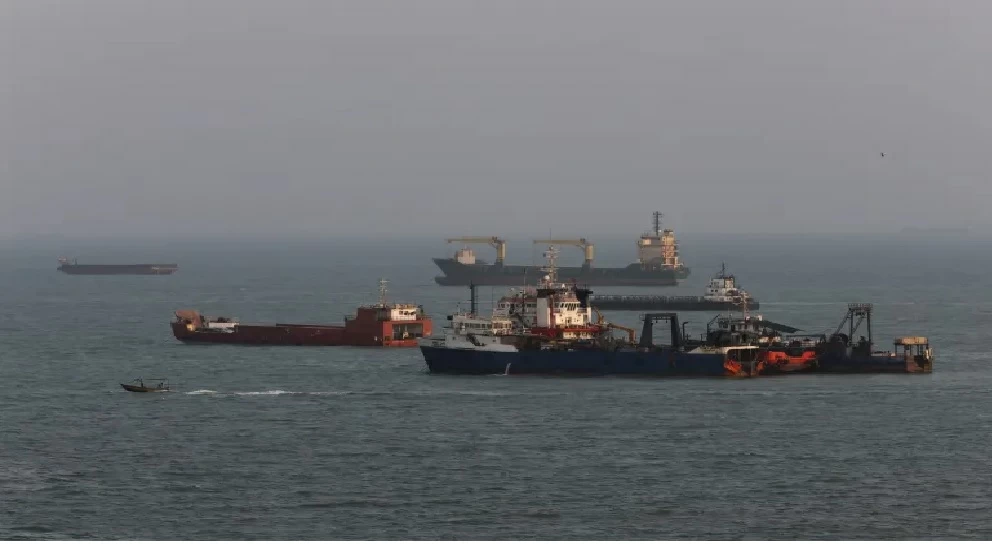
ونقلت وكالة «رويترز» عن بيانات شحن لمنصة «كبلر»، بانخفاض حركة الملاحة عبر مضيق هرمز إلى ست سفن، (الإثنين)، مقارنة بمتوسط 10 أيام، بلغ نحو 11 سفينة. وأظهرت بيانات «كبلر»، (الثلاثاء)، أنه بحلول الساعة 04:20 صباحاً بتوقيت جرينتش، دخلت أربع سفن لشحن السلع الأولية، منها ناقلتان فارغتان للمنتجات النفطية، إلى الممر المائي. وأظهرت البيانات أن سفينتين، هما ناقلة صغيرة محملة بغاز البترول المسال وأخرى تحمل وقوداً متبقياً، خرجتا من المضيق.
وفي الأيام التي سبقت الحرب في 28 فبراير الماضي، كانت تمر عبر المضيق عادة ما بين 130 و140 سفينة.
استمرار الحصار البحري
ولا يزال ترمب متشبثاً بالحصار البحري على إيران، معتبرا أنه «يحقق أهدافه»، وأضاف أن البحرية الأمريكية «هي التي تسيطر حالياً على المضيق»، واصفاً الحصار بأنه «جدار من الفولاذ».
وطالبت طهران الولايات المتحدة، برفع الحصار البحري قبل إعادة فتح مضيق هرمز، في إطار مجموعة من الشروط التي وضعتها.
ويشمل الحصار الأمريكي حالياً جميع الموانئ الإيرانية، سواء الواقعة داخل مضيق هرمز أو خارجه.
وفيما قال ترمب لموقع «أكسيوس»، إن إدارته تتعامل بهدوء مع المحادثات مع إيران، وإنها «تتفاوض معها بشكل جزئي فقط»، حذر نائب الرئيس جي دي فانس، من أن الصراع مع إيران قد لا ينتهي قريباً، قائلاً إن الولايات المتحدة لا تزال «في منتصف اللعبة».
As hopes for a quick agreement to reopen the Strait of Hormuz have diminished, the "compensation war" between Iran and the United States has escalated, with Tehran demanding compensation for the damages caused by the war, and U.S. President Donald Trump responding that he would demand compensation from the Iranians for "50 years of damages and losses."
Demands Not Previously Raised
In remarks to reporters at the White House, Trump stated that Washington would seek compensation for Americans who were killed or injured, adding that this concerns "thousands of people." He noted that Iranian negotiators had not previously raised this demand.
Trump wrote in a post on the "Truth Social" platform: "Also, regarding negotiations, Iran must be held responsible for the damages and losses of life suffered by the peoples of Lebanon, Syria, Yemen, and Gaza."
The Iranian Foreign Ministry spokesman, Ismail Baqaei, stated that Tehran would not reopen the Strait of Hormuz before Washington responds to its conditions, which include ending the blockade imposed on Iranian ports, lifting economic sanctions, releasing frozen assets, and compensating for war damages.
Agreement on a Navigation Route Map
Iran has mentioned that it is working with Oman to finalize an agreement to establish new navigation routes through the Strait of Hormuz, but it has reiterated its demand for the United States to "meet its conditions," including compensation and ending sanctions and military threats, before reopening the strategic waterway. Baqaei stated yesterday (Monday) that talks with Oman "are proceeding smoothly and constructively," and an agreement has been reached on a map for a navigation route, although some technical issues remain unresolved. He added that discussions also covered "services," which typically require a financial counterpart, such as "safe navigation, environmental protection, maritime services, and crime prevention."
Washington Rejects Imposing Fees
U.S. officials have repeatedly announced that they will not accept any agreement that allows Tehran to impose fees on transit through the strait.
Reuters reported shipping data from the "Kpler" platform indicating a decline in maritime traffic through the Strait of Hormuz to six ships on Monday, compared to a 10-day average of about 11 ships. Kpler data showed that by 04:20 AM GMT on Tuesday, four ships carrying commodities, including two empty oil product tankers, had entered the waterway. The data indicated that two ships, one a small tanker loaded with liquefied petroleum gas and the other carrying residual fuel, had exited the strait.
In the days leading up to the war on February 28, there were typically between 130 and 140 ships passing through the strait.
Continued Maritime Blockade
Trump remains committed to the maritime blockade on Iran, considering it "achieving its goals," and added that the U.S. Navy "currently controls the strait," describing the blockade as "a steel wall."
Tehran has demanded that the United States lift the maritime blockade before reopening the Strait of Hormuz, as part of a set of conditions it has laid out.
The U.S. blockade currently includes all Iranian ports, whether located inside or outside the Strait of Hormuz.
While Trump told Axios that his administration is handling talks with Iran calmly and that it is "only partially negotiating with them," Vice President JD Vance warned that the conflict with Iran may not end soon, stating that the United States is still "in the middle of the game."