تزامنًا مع يوم الأسد العالمي، أكدت محمية الأمير محمد بن سلمان الملكية التزامها بإعادة توطين السلالة الفرعية المهددة بالانقراض من الأسد الآسيوي (Panthera leo leo)، بصفته أحد الأنواع الـ23 التي ثبت تاريخيًا وجودها في المحمية، إذ وافق مجلس إدارة المحمية على إعادة توطينها.
وعلى امتداد مساحة المحمية، البالغة 24,500 كيلومتر مربع، تعمل المحمية على استعادة النظم البيئية وبناء هرم غذائي متكامل ومستدام، بما يعزز قدرتها على دعم عودة هذا المفترس القمي إلى موطنه التاريخي في المستقبل.
وقال الرئيس التنفيذي للمحمية أندرو زالوميس: «لقد كان الأسد جزءًا من المشهد الطبيعي القديم لمحمية الأمير محمد بن سلمان الملكية، واستعادة مفترس قمي بهذا الحجم هي رحلة تمتد عبر أجيال، وليست حدثًا يرتبط بموعد محدد، ونحن نعمل اليوم على بناء الأسس البيئية اللازمة التي ستجعل عودته إلى موطنه التاريخي ممكنة في المستقبل».
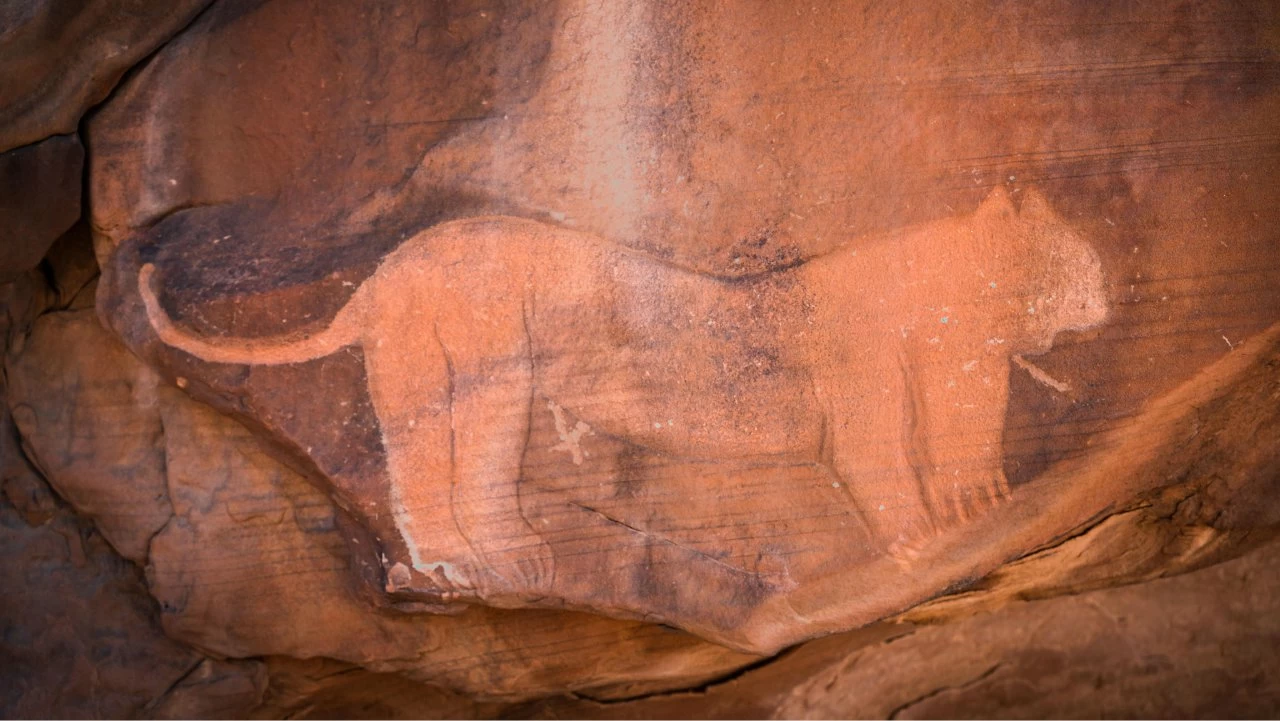
وقد وُثّقت رسوم للأسد في أكثر من 12 موقعًا، حيث يُعد من الرموز المتكررة في الفنون الصخرية الغنية التي تزخر بها المحمية، وخلال فترة «الجزيرة العربية الخضراء»، قبل نحو 12 ألف عام، امتد ممر خصب ومتصل من الموائل الطبيعية من أفريقيا عبر الجزيرة العربية، موفرًا بيئة ملائمة لازدهار قطعان كبيرة من الحيوانات العاشبة والمفترسة التي اعتمدت عليها، بما في ذلك الأسد.
ومع تحوّل المناخ نحو مزيد من الجفاف وتراجع الغطاء النباتي والمياه في المناطق الداخلية، أصبحت الأودية العميقة والمظللة، مثل وادي الديسة الشهير في المحمية، ملاذات مناخية مهمة وفّرت ظروفًا أكثر ملاءمة لاستمرار الحياة البرية، وفي هذه البيئات الخصبة نسبيًا، استمرت الحياة البرية إلى جانب المجتمعات والحضارات البشرية القديمة.
وبحلول أواخر القرن التاسع عشر، أسهم الإفراط في الصيد وانتشار الأسلحة النارية الحديثة في القضاء على آخر تجمعات الأسود في شبه الجزيرة العربية.
ويُصنَّف الأسد الآسيوي ضمن الأنواع المهددة بالانقراض وفقًا للاتحاد الدولي لحفظ الطبيعة (IUCN)، إذ لا يتجاوز عدد أفراده المتبقية في البرية عالميًا نحو 1,100–1,300 أسد، وتتركز الغالبية العظمى منها في منطقة جير الكبرى غرب الهند، التي تؤوي ما يُقدَّر بنحو 891 أسدًا وفق أحدث بيانات التعداد، بينما تتوزع الأعداد المتبقية في تجمعات صغيرة ومتفرقة وشديدة الحساسية في غرب ووسط أفريقيا.
وفي إطار الجهود الرامية إلى استعادة الأنواع البرية التي فقدتها الجزيرة العربية، تعمل مبادرة إعادة الحياة الفطرية للجزيرة العربية، المعتمدة من مجلس إدارة المحمية، على عكس هذا التراجع التاريخي من خلال إستراتيجية متكاملة لإعادة توطين الأنواع التي كانت جزءًا أصيلًا من النظم البيئية المحلية. وتستهدف المبادرة إعادة توطين 23 نوعًا تاريخيًا، أُعيد توطين 14 منها بنجاح حتى الآن، فيما نجحت 6 أنواع في التكاثر داخل المحمية، ويمثل هذا البرنامج جزءًا من الجهود الأوسع للمملكة لتعزيز حماية الطبيعة واستعادة التنوع الحيوي، بما يتماشى مع مستهدفات رؤية السعودية 2030 ومبادرة السعودية الخضراء.
ولا تقتصر أهمية هذه الأنواع على استعادة حضورها التاريخي فحسب، بل يؤدي كل منها أدوارًا بيئية أساسية في إعادة بناء وظائف النظام البيئي، فعلى سبيل المثال، يسهم الأرنب البري العربي والنعامة ذات العنق الأحمر والحمار البري الفارسي (الأونجر) في عمليات بيئية تشمل نشر البذور، وتنظيم أنماط الرعي، وإعادة تدوير المغذيات وتهوية التربة.
وتُعد استعادة هذه الوظائف البيئية خطوة أساسية في إعادة بناء منظومة غذائية متكاملة قادرة على دعم عودة المفترسات القمّية، بما فيها الأسد، وتهيئة الظروف التي تمكّنها من الازدهار بصورة طبيعية ومستدامة في موائلها التاريخية.
وانطلاقًا من مشاورات مجتمعية واسعة ومستمرة تهدف إلى ضمان المشاركة والإشراف المشترك، تؤكد المحمية أن هذا العمل لا يمكن التسرع فيه، فكل نوع تتم إعادة توطينه وكل وظيفة بيئية تتم استعادتها خطوة مدروسة نحو استعادة نظام بيئي متكامل قادر على دعم مفترس قمّي من جديد، ولا تقتصر فوائد استعادة نظام بيئي سليم وفعّال على حماية الحياة الفطرية، بل تمتد لتشمل الحد من تدهور الأراضي والتصحر، وتعزيز قدرة النظم البيئية على التكيف مع آثار تغير المناخ على المستوى المحلي، بما يحقق فوائد تتجاوز حدود المحمية، ويشكّل حضور الأسد في الفنون الصخرية للمحمية سجلًا تاريخيًا لما كانت هذه الأرض قادرة على احتضانه ذات يوم، واليوم تعمل محمية الأمير محمد بن سلمان الملكية على استعادة الظروف البيئية التي يمكن أن تتيح لهذا المشهد الطبيعي أن يستعيد جزءًا من ماضيه، بصورة مدروسة ومستدامة.
Coinciding with World Lion Day, the Prince Mohammed bin Salman Royal Reserve reaffirmed its commitment to the reintroduction of the endangered subspecies of the Asiatic lion (Panthera leo leo), as one of the 23 species that have historically been present in the reserve, with the Board of Directors approving its reintroduction.
Across the reserve's area of 24,500 square kilometers, the reserve is working to restore ecosystems and build a complete and sustainable food web, enhancing its capacity to support the return of this apex predator to its historical habitat in the future.
The CEO of the reserve, Andrew Zaloomis, stated: "The lion has been a part of the ancient natural landscape of the Prince Mohammed bin Salman Royal Reserve, and the restoration of an apex predator of this size is a journey that spans generations, not an event tied to a specific date. Today, we are working to build the necessary ecological foundations that will make its return to its historical habitat possible in the future."
Lion depictions have been documented in over 12 locations, as it is one of the recurring symbols in the rich rock art found in the reserve. During the "Green Arabia" period, about 12,000 years ago, a fertile and connected corridor of natural habitats extended from Africa through the Arabian Peninsula, providing a suitable environment for large herds of herbivorous and predatory animals, including the lion, to thrive.
As the climate shifted towards increased aridity and vegetation and water cover declined in the interior regions, deep and shaded valleys, such as the famous Wadi Al-Disa in the reserve, became important climatic refuges that provided more favorable conditions for the continuation of wildlife. In these relatively fertile environments, wildlife persisted alongside ancient human communities and civilizations.
By the late 19th century, overhunting and the spread of modern firearms contributed to the extinction of the last lion populations in the Arabian Peninsula.
The Asiatic lion is classified as an endangered species according to the International Union for Conservation of Nature (IUCN), with the remaining wild population globally estimated at around 1,100–1,300 lions, the vast majority of which are concentrated in the Gir Forest region of western India, which is home to approximately 891 lions according to the latest census data, while the remaining numbers are distributed in small, fragmented, and highly sensitive populations in West and Central Africa.
As part of efforts to restore the wildlife species lost from Arabia, the Arabian Wildlife Revival Initiative, endorsed by the reserve's Board of Directors, is working to reverse this historical decline through a comprehensive strategy for the reintroduction of species that were an integral part of the local ecosystems. The initiative aims to reintroduce 23 historical species, 14 of which have been successfully reintroduced so far, with 6 species successfully breeding within the reserve. This program is part of the broader efforts of the Kingdom to enhance nature conservation and restore biodiversity, in line with the objectives of Saudi Vision 2030 and the Saudi Green Initiative.
The importance of these species extends beyond restoring their historical presence; each plays essential ecological roles in rebuilding ecosystem functions. For example, the Arabian wild rabbit, the red-necked ostrich, and the Persian wild donkey (onager) contribute to ecological processes including seed dispersal, grazing patterns regulation, nutrient recycling, and soil aeration.
Restoring these ecological functions is a crucial step in rebuilding an integrated food web capable of supporting the return of apex predators, including the lion, and creating conditions that enable them to thrive naturally and sustainably in their historical habitats.
Based on extensive and ongoing community consultations aimed at ensuring participation and joint oversight, the reserve emphasizes that this work cannot be rushed; every species reintroduced and every ecological function restored is a carefully considered step towards restoring a complete ecosystem capable of supporting an apex predator once again. The benefits of restoring a healthy and effective ecosystem extend beyond wildlife protection to include reducing land degradation and desertification, enhancing the resilience of ecosystems to the local impacts of climate change, achieving benefits that transcend the boundaries of the reserve. The presence of the lion in the rock art of the reserve serves as a historical record of what this land was once capable of harboring, and today, the Prince Mohammed bin Salman Royal Reserve is working to restore the environmental conditions that could allow this natural landscape to reclaim a part of its past, in a thoughtful and sustainable manner.