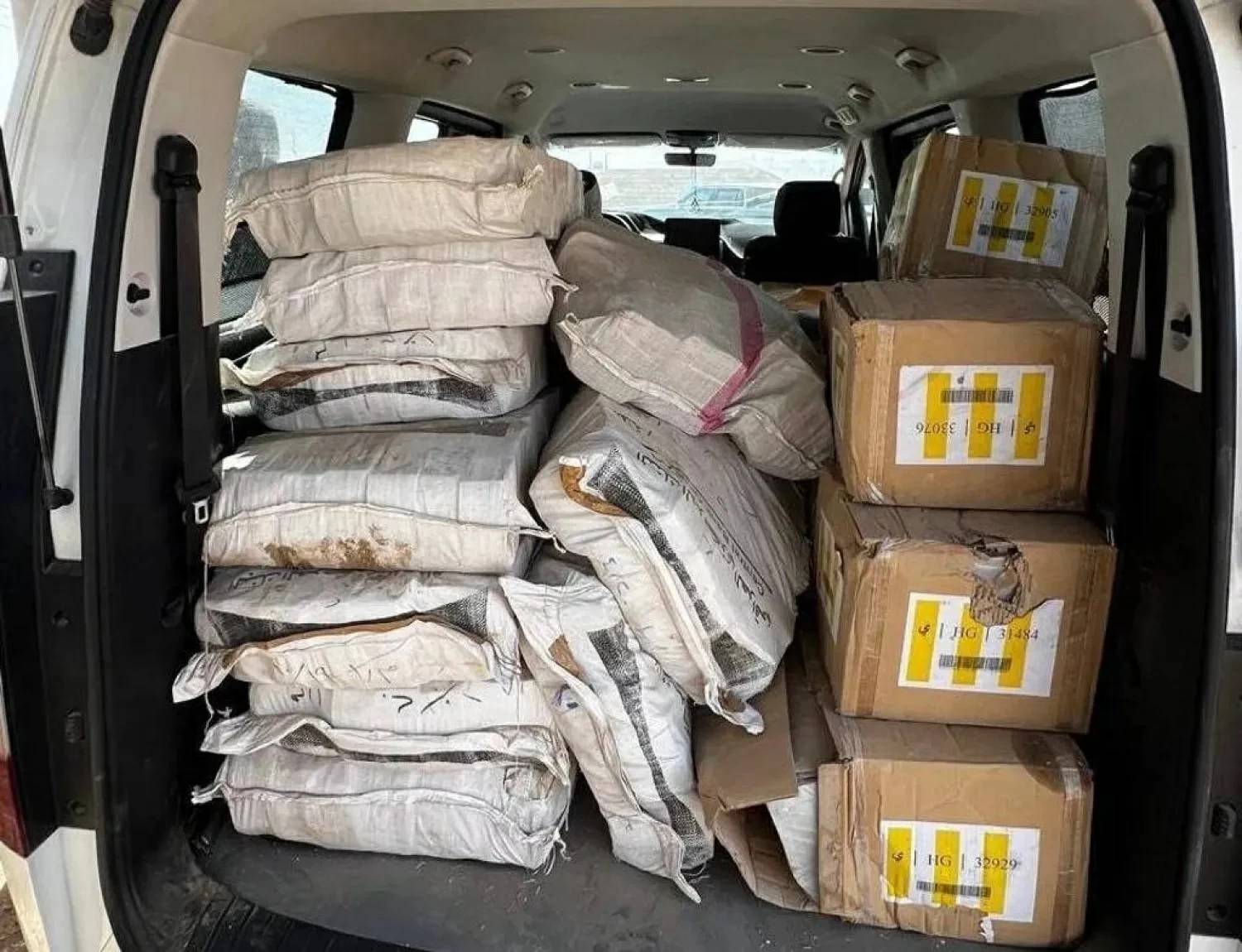
كشف تقرير أمني عراقي أن نحو 309 مزارع تعود لشخصيات كبيرة تم إخفاء مليارات الدينارات العراقية والدولارات الأمريكية وكميات ضخمة من الذهب داخل أراضيها.
وأشار التقرير الذي اطلعت عليه «عكاظ»، إلى أن مداهمة هذه المزارع تحتاج إلى نحو شهرين، وأكد أن إجراءات أمنية مشددة فرضتها الأجهزة الأمنية تمنع الدخول إلى هذه المزارع إلى حين الانتهاء من تفتيشها.
ووفق التقرير فإن نحو 22 مزرعة من هذه المزارع جرى تحويلها إلى مستودعات للأسلحة غير الشرعية التي تعود لبعض الفصائل العراقية المسلحة إضافة إلى أن بعضها يعود إلى تجار السلاح.
واقترح التقرير الأمني على رئيس الوزراء علي الزيدي أن تشمل الحملة 12 قاعدة عسكرية في منطقة جرف الصخر تشير المعلومات إلى أنها تشكل أكبر مستودعات الأموال المنهوبة والأسلحة غير الشرعية.
وتستهدف حملة الزيدي، وفق مصادر سياسية، تحقيق هدفين متوازيين: إنهاء النفوذ الإيراني داخل البنية المسلحة، واستعادة الأموال التي يعتقد أنها استخدمت في تمويل الجماعات المسلحة.
وحتى الآن، لم تسترد بغداد سوى نحو مليار دولار، وهو رقم لا يزال بعيداً جداً عن التقديرات التي تتحدث عن نحو 200 مليار دولار من الأموال المنهوبة.
من جانبه، أعلن القاضي السابق المستشار الحكومي الحالي منير حداد أن حجم الأموال التي تعرضت للنهب بعد عام 2003، يقترب من تريليوني دولار.
وفي المقابل، لا يزال ملف السلاح يراوح مكانه، رغم المهلة التي حددها الزيدي لتفكيك الفصائل المسلحة قبل نهاية شهر سبتمبر القادم.
على خط موازٍ، فإن الخلافات داخل «الإطار التنسيقى» ما زالت مستمرة بشأن حملة الزيدي ورغم الحديث عن تباين داخل التحالف الحاكم بشأن حملة «الفجر»، تؤكد قوى في «الإطار التنسيقى» أن خلافها لا يتعلق بمكافحة الفساد، بل بآليات إدارة الحملة.
وقال عضو ائتلاف الإعمار والتنمية خالد وليد، إن ما يجري يمثل فرصة لاستعادة ثقة المواطنين بالدولة، شرط أن تشمل الحملة جميع ملفات الفساد منذ عام 2003 من دون انتقائية.
وشدد على أن الإطار التنسيقي سبق أن وفر الغطاء السياسي الكامل للزيدي في ملف حصر السلاح، وهو اليوم يقدم الغطاء نفسه في ملف مكافحة الفساد، داعياً إلى عدم الاكتفاء بما تحقق حتى الآن.
An Iraqi security report revealed that around 309 farms belonging to prominent figures have been hiding billions of Iraqi dinars and US dollars, as well as large quantities of gold within their lands.
The report, which was reviewed by "Okaz," indicated that raiding these farms would take about two months, and confirmed that strict security measures imposed by the security forces prevent access to these farms until they are fully inspected.
According to the report, about 22 of these farms have been converted into warehouses for illegal weapons belonging to some armed Iraqi factions, in addition to some being owned by arms dealers.
The security report suggested to Prime Minister Ali Al-Zaydi that the campaign should include 12 military bases in the Jurf Al-Sakhar area, which information indicates are the largest warehouses for looted funds and illegal weapons.
Al-Zaydi's campaign, according to political sources, aims to achieve two parallel objectives: ending Iranian influence within the armed structure and recovering funds believed to have been used to finance armed groups.
So far, Baghdad has only recovered about one billion dollars, a figure that remains very far from estimates that speak of around 200 billion dollars in looted funds.
For his part, former judge and current government advisor Munir Haddad announced that the amount of money that was looted after 2003 is close to two trillion dollars.
Meanwhile, the arms file remains stagnant, despite the deadline set by Al-Zaydi to dismantle the armed factions before the end of next September.
In a parallel line, the disputes within the "Coordination Framework" continue regarding Al-Zaydi's campaign. Despite discussions about differences within the ruling coalition concerning the "Fajr" campaign, some forces in the "Coordination Framework" assert that their disagreement does not relate to combating corruption, but rather to the mechanisms of managing the campaign.
Coalition member for Reconstruction and Development Khalid Walid stated that what is happening represents an opportunity to restore citizens' trust in the state, provided that the campaign includes all corruption files since 2003 without selectivity.
He emphasized that the Coordination Framework had previously provided full political cover for Al-Zaydi in the arms control file, and is now offering the same cover in the anti-corruption file, calling for not being satisfied with what has been achieved so far.