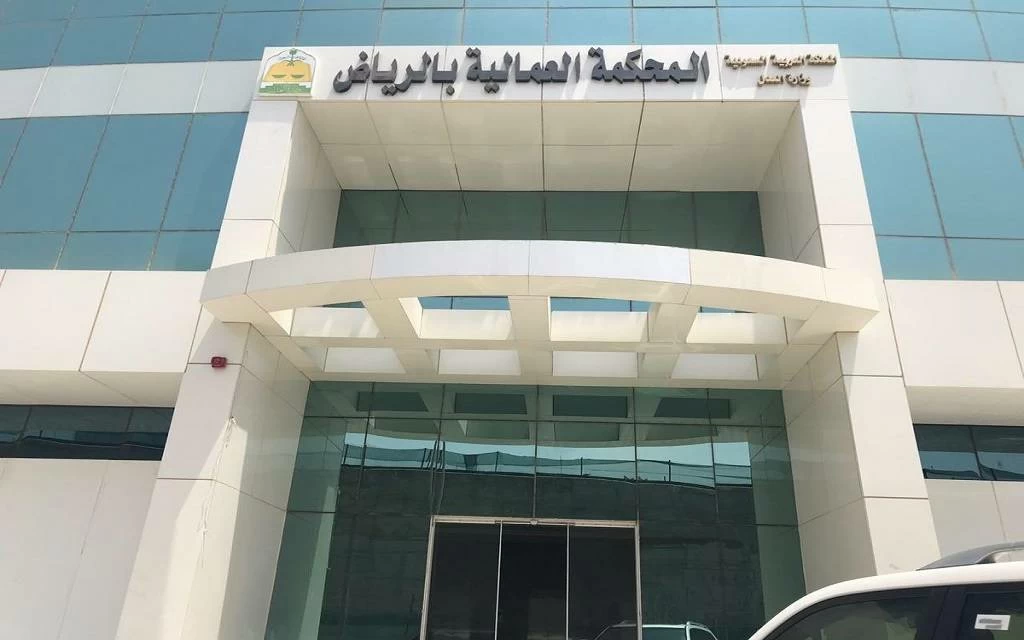
ألزمت المحكمة العمالية حلاقاً، من جنسية عربية، بدفع تعويض قدره 40,866 ريالاً للشركة التي يعمل فيها، وذلك نتيجة تركه العمل وإخلاله بالعقد المبرم بينه وبين الشركة، وانقطاعه عن العمل دون اتخاذ الإجراءات النظامية لإنهاء العقد. وبحسب الحكم، احتسب التعويض عن المدة المتبقية من العقد البالغة 621 يوماً. وطبقاً للتفاصيل، فإن وافداً عربياً يعمل بمهنة حلاق قدم إلى السعودية للعمل بمهنة حلاق في جدة، والتحق بالعمل في 19 سبتمبر 2024، بموجب عقد عمل موثق لدى «وزارة الموارد البشرية» محدد لمدة 3 سنوات، وفي مطلع العام الميلادي الحالي 2026، حصل على عرض وظيفي بالمهنة نفسها في المدينة المنورة، وغادر عمله متوجهاً إلى المدينة دون علم الشركة. وخلال محاولة نقل خدماته إلى صاحب العمل الجديد رفضت الشركة النقل وطالبت بدفع تكاليف الرسوم النظامية التي تم دفعها، ليغادر الوافد إلى بلده في إجازة بعد تعذر عملية النقل. حينها تقدمت الشركة برفع دعوى قضائية للمحكمة العمالية، وبعد عدة جلسات وبحسب ما ورد في الحكم، لم يحضر العامل الجلسات رغم ثبوت تبليغه. وصدر الحكم لصالح الشركة، واكتسب الصفة القطعية واجب النفاذ.
جهل الأنظمة يكلّف العامل حقوقه والشركات خسائر
المحامي ريان عبدالرحمن الجهني، قال: من الضرورة على العامل قبل أي تصرف قانوني استشارة شخص مختص كالمحامي، والحال كذلك للشركات والمؤسسات، فالعامل في هذه الدعوى تصرف دون علم وبجهل كامل للأنظمة المرعية في الدولة كنظام العمل ونظام المرافعات الشرعية، فهو قد قام بإنهاء العقد على الرغم من عدم وجود سبب مشروع للإنهاء. وقد ترتب على ذلك قيام دعوى التعويض عن المدة المتبقية من العقد والحكم فيها لصالح الشركة بعد إتمام مساعي الصلح، وهنا تأتي قوة النظام في حفظ مصالح العامل وأصحاب العمل، فقد كفل النظام للعامل الأسباب النظامية لترك العمل بسبب مشروع وفق ما نصت عليه أحكام المادة 81 من النظام، وكذلك لصاحب العمل الحق في فصل العامل متى تحقق أحد أسباب الفصل المنصوص عليها في المادة 80 من نظام العمل، وهذا كله عكسه الفصل غير المشروع الذي تم تقنينه بموجب المادة 77 من النظام التي قننت وضبطت أحكام التعويض عن إخلال أحد أطراف العقد العمالي (العامل وصاحب العمل) بتعويض الآخر جراء إنهاء العقد دون سبب مشروع. وهنا ننصح بضرورة وجود المحامي لكل من العامل وصاحب العمل للتأكد مما لهما وما عليهما من حقوق وواجبات نظامية قبل التصرف واتخاذ القرارات التي قد تعود بالضرر على صاحبها.
إلزام المنشآت بتوثيق العقود في «قوى»
وكانت وزارة الموارد البشرية والتنمية الاجتماعية قررت في عام 1444هـ، إلزام المنشآت بتوثيق عقود عامليها عبر منصة «قوى» بدايةً من تسجيل العقد، وتحديث بيانات المهن والأجور والمؤهلات إلى إنهاء العلاقة التعاقدية. وذلك سعياً من الوزارة لتنظيم وتحسين العلاقة التعاقدية بين صاحب العمل والعامل.
The labor court has ordered a barber of Arab nationality to pay compensation of 40,866 riyals to the company he works for, due to his abandonment of work and breach of the contract concluded between him and the company, as well as his interruption from work without taking the legal procedures to terminate the contract. According to the ruling, the compensation was calculated for the remaining period of the contract, which amounts to 621 days. According to the details, an Arab expatriate working as a barber came to Saudi Arabia to work as a barber in Jeddah and started working on September 19, 2024, under a documented employment contract with the "Ministry of Human Resources," specified for a duration of 3 years. At the beginning of the current Gregorian year 2026, he received a job offer for the same profession in Medina and left his job heading to Medina without informing the company. During the attempt to transfer his services to the new sponsor, the company refused the transfer and demanded the payment of the legal fees that had been paid, leading the expatriate to leave for his home country on vacation after the transfer process failed. At that time, the company filed a lawsuit with the labor court, and after several sessions, according to what was stated in the ruling, the worker did not attend the sessions despite being duly notified. The ruling was issued in favor of the company and became final and enforceable.
Ignorance of Regulations Costs Workers Their Rights and Companies Losses
Lawyer Rayan Abdulrahman Al-Juhani stated: It is essential for workers, before any legal action, to consult a specialist such as a lawyer, and the same applies to companies and institutions. The worker in this case acted without knowledge and was completely ignorant of the applicable regulations in the country, such as the Labor Law and the Sharia Litigation Law. He terminated the contract despite the absence of a legitimate reason for termination. Consequently, a compensation claim arose for the remaining period of the contract, and the ruling was in favor of the company after attempts at reconciliation were completed. Here, the strength of the system comes into play in preserving the interests of both the worker and the employers, as the system guarantees the worker the legal reasons for leaving work for a legitimate cause as stipulated in Article 81 of the law. Likewise, the employer has the right to dismiss the worker whenever one of the grounds for dismissal specified in Article 80 of the Labor Law is met. All of this contrasts with the unlawful termination, which was regulated under Article 77 of the law that codified and controlled the provisions of compensation for the breach by one of the parties to the labor contract (the worker and the employer) to compensate the other for terminating the contract without a legitimate reason. Here, we advise the necessity of having a lawyer for both the worker and the employer to ensure their respective rights and legal obligations before taking actions and making decisions that may result in harm to themselves.
Obligation of Establishments to Document Contracts in "Qiwa"
The Ministry of Human Resources and Social Development decided in the year 1444 AH to obligate establishments to document the contracts of their workers through the "Qiwa" platform, starting from the registration of the contract, updating data on professions, wages, and qualifications, to the termination of the contractual relationship. This is part of the ministry's efforts to organize and improve the contractual relationship between the employer and the worker.