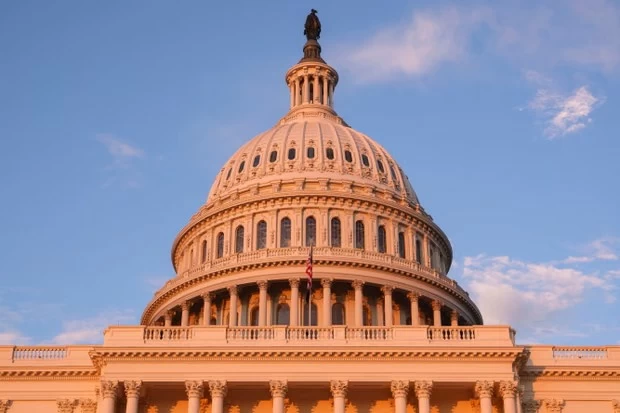
صوّت مجلس الشيوخ الأمريكي، أمس (الثلاثاء)، لصالح المضي قدماً في مشروع قرار يهدف إلى إجبار الرئيس الأمريكي دونالد ترمب على إنهاء الحرب مع إيران ما لم يحصل على تفويض رسمي من الكونغرس للاستمرار في العمليات العسكرية.
وجاء التصويت بنتيجة 50 مقابل 47 صوتاً، في أول مرة ينجح فيها المجلس في تمرير هذه الخطوة الإجرائية بعد سبع محاولات سابقة منذ اندلاع النزاع في فبراير الماضي.
وشهد التصويت انشقاق أربعة أعضاء جمهوريين وانضمامهم إلى غالبية الديمقراطيين لدعم القرار، في مؤشر على تصاعد القلق داخل الحزب الجمهوري بشأن الحرب وتداعياتها السياسية والعسكرية.
ومن أبرز الداعمين الجمهوريين للقرار السيناتور بيل كاسيدي، الذي خسر أخيرا الانتخابات التمهيدية في ولاية لويزيانا بعد أن دعم ترمب منافسه.
وقال كاسيدي في منشور عبر وسائل التواصل الاجتماعي إن الإدارة الأمريكية ووزارة الدفاع «أبقتا الكونغرس في الظلام» بشأن العملية العسكرية المعروفة باسم «عملية الغضب الملحمي»، مضيفاً أن كثيراً من سكان ولايته، بمن فيهم مؤيدو ترمب، يشعرون بقلق متزايد حيال الحرب.
وأكد السيناتور الجمهوري أنه لا يمكن تبرير أي تفويض أو تمديد للعمليات العسكرية قبل أن تقدم الإدارة توضيحات كاملة حول أهداف الحرب وإستراتيجيتها.
كما صوّت لصالح القرار كل من ليزا موركوفسكي وراند بول وسوزان كولينز، بينما كان الديمقراطي الوحيد الرافض للمشروع هو جون فيترمان.
من جهته، اعتبر زعيم الأقلية الديمقراطية في مجلس الشيوخ تشاك شومر أن التصويت يمثل اختراقاً لجدار الصمت الجمهوري تجاه ما وصفه بـ«الحرب غير القانونية» التي يقودها ترمب ضد إيران.
وقال شومر إن الرئيس الأمريكي جرّ البلاد إلى صراع مكلف وفوضوي من دون خطة واضحة أو أهداف محددة أو غطاء قانوني، مشيراً إلى أن الضغوط الديمقراطية بدأت تؤثر على مواقف بعض الجمهوريين.
ورغم أن التصويت يُعد خطوة أولى فقط نحو الإقرار النهائي للقرار، فإن مراقبين يتوقعون أن يستخدم ترمب حق النقض الرئاسي «الفيتو» إذا نجح المشروع في المرور داخل مجلسي الشيوخ والنواب.
في المقابل، يرى الديمقراطيون أن طرح القرار للتصويت يهدف إلى إجبار الجمهوريين على إعلان موقف واضح من الحرب التي تواجه انتقادات متزايدة داخل الولايات المتحدة.
وقال السيناتور تيم كاين، راعي مشروع القرار، إن الكونغرس يجب أن يناقش بشكل صريح مبررات الحرب وإستراتيجيتها وتكاليفها الاقتصادية والعسكرية على الولايات المتحدة ودافعي الضرائب الأمريكيين، مؤكداً أن هذا النقاش كان ينبغي أن يحدث قبل بدء العمليات العسكرية.
The U.S. Senate voted yesterday (Tuesday) in favor of moving forward with a resolution aimed at forcing President Donald Trump to end the war with Iran unless he receives official authorization from Congress to continue military operations.
The vote resulted in 50 to 47, marking the first time the Senate has successfully passed this procedural step after seven previous attempts since the conflict erupted last February.
The vote saw four Republican members break ranks and join the majority of Democrats in supporting the resolution, indicating rising concern within the Republican Party regarding the war and its political and military ramifications.
One of the prominent Republican supporters of the resolution is Senator Bill Cassidy, who recently lost the primary election in Louisiana after supporting Trump's opponent.
Cassidy stated in a social media post that the U.S. administration and the Department of Defense "kept Congress in the dark" regarding the military operation known as "Operation Epic Fury," adding that many residents of his state, including Trump supporters, are increasingly concerned about the war.
The Republican senator emphasized that no authorization or extension of military operations can be justified until the administration provides full clarifications regarding the war's objectives and strategy.
Also voting in favor of the resolution were Lisa Murkowski, Rand Paul, and Susan Collins, while the only Democrat opposing the measure was John Fetterman.
For his part, Senate Minority Leader Chuck Schumer considered the vote a breakthrough in the Republican silence regarding what he described as Trump's "illegal war" against Iran.
Schumer stated that the U.S. president has dragged the country into a costly and chaotic conflict without a clear plan, specific goals, or legal cover, noting that Democratic pressures are beginning to affect the positions of some Republicans.
Although the vote is only a first step toward the final approval of the resolution, observers expect Trump to use his presidential veto if the measure succeeds in passing through both the Senate and the House of Representatives.
In contrast, Democrats believe that bringing the resolution to a vote aims to force Republicans to take a clear stance on the war, which is facing increasing criticism within the United States.
Senator Tim Kaine, the sponsor of the resolution, stated that Congress must explicitly discuss the justifications for the war, its strategy, and its economic and military costs on the United States and American taxpayers, emphasizing that this discussion should have occurred before military operations began.