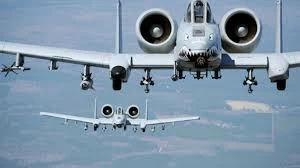
لا يستبعد مراقبون عسكريون أن يكود دخول طائرتي «إيه 10» و«أباتشي» الأمريكيتين ساحة العمليات العسكرية قبالة الساحل الجنوبي لإيران، وفوق مضيق هرمز، مقدمة لاقتراب العملية البرية، إذ رأوا أن هذه الخطوة تمثل تصعيداً جديداً ضمن الحضور العسكري الأمريكي في المنطقة.
وأفاد مختصون أن استخدام الطائرتين يهدف أساساً إلى دعم العمليات البرية والقصف الدقيق للدبابات، وتنفيذ المهمات الخاصة، مستفيدة من ارتفاعاتها المنخفضة وقدرتها على المناورة، ما يقلل من احتمالات اعتراضها من قبل الدفاعات الجوية الإيرانية.
وتتميز طائرة «إيه 10» الهجومية بقدرتها على تقديم دعم مباشر للقوات البرية، إذ قامت خلال المهمة بتحييد الزوارق السريعة والسفن الحربية الإيرانية من مسافات قريبة.
وتضم الطائرة مدفعاً رئيسياً من عيار 30 مليمتراً مثبتاً في المقدمة وبمعدل إطلاق مرتفع، إضافة إلى مجموعة من الصواريخ والقنابل الموجهة وغير الموجهة، مما يجعلها فعالة في استهداف الأهداف البرية والبحرية على حد سواء.
أما مروحية أباتشي الهجومية، فقد استخدمها الجيش الأمريكي لإسقاط المسيّرات الإيرانية من نوع شاهد قبالة السواحل، وضرب قوارب زرع الألغام. وتتمتع الأباتشي بسرعة تصل إلى نحو 280 كيلومتراً في الساعة، وقدرة على العمل في ظروف صعبة، وتمتلك مدفعاً آلياً وصواريخ هيلفاير المضادة للدبابات، مع إمكانية كشف أكثر من هدف في وقت واحد.
وتمثل مشاركة الطائرتين نقطة تحول في العمليات العسكرية الأمريكية، إذ يمكن الاعتماد عليهما لدعم أي عمليات محتملة للقوات البرية والبحرية. ويأتي استخدام الطائرتين ضمن خطة للبنتاغون تهدف إلى تقليل خطر القوارب المسلحة والألغام والصواريخ الإيرانية التي عطلت حركة السفن في مضيق هرمز.
وحسب خبراء عسكريين، فإنه إذا تم التخلص من هذه التهديدات، قد تتمكن واشنطن من إرسال سفنها الحربية لمرافقة السفن التجارية، كما يمكن للطائرتين توفير غطاء جوي لأي عمليات خاصة محتملة على الأرض، بما يشمل إرسال قوات «مارينز» أو فرق خاصة إلى العمق الإيراني للسيطرة على منشآت اليورانيوم عالي التخصيب.
Military observers do not rule out that the entry of the American "A-10" and "Apache" aircraft into the operational theater off the southern coast of Iran and over the Strait of Hormuz is a precursor to an impending ground operation, as they see this step as a new escalation in the American military presence in the region.
Experts have reported that the use of the two aircraft is primarily aimed at supporting ground operations and precision strikes against tanks, as well as carrying out special missions, benefiting from their low altitudes and maneuverability, which reduces the likelihood of interception by Iranian air defenses.
The "A-10" attack aircraft is characterized by its ability to provide direct support to ground forces, having neutralized fast boats and Iranian warships from close distances during missions.
The aircraft is equipped with a 30-millimeter cannon mounted at the front with a high rate of fire, in addition to a range of guided and unguided missiles and bombs, making it effective in targeting both land and sea objectives.
As for the Apache attack helicopter, the U.S. military has used it to shoot down Iranian Shahed drones off the coasts and to strike mine-laying boats. The Apache can reach speeds of about 280 kilometers per hour and is capable of operating in difficult conditions, possessing a machine gun and Hellfire anti-tank missiles, with the ability to detect multiple targets simultaneously.
The participation of the two aircraft represents a turning point in U.S. military operations, as they can be relied upon to support any potential operations by ground and naval forces. The use of the two aircraft is part of a Pentagon plan aimed at reducing the threat posed by armed boats, mines, and Iranian missiles that have disrupted shipping in the Strait of Hormuz.
According to military experts, if these threats are eliminated, Washington may be able to send its warships to escort commercial vessels, and the two aircraft could provide air cover for any potential special operations on the ground, including sending Marines or special teams into the Iranian interior to seize high-enriched uranium facilities.