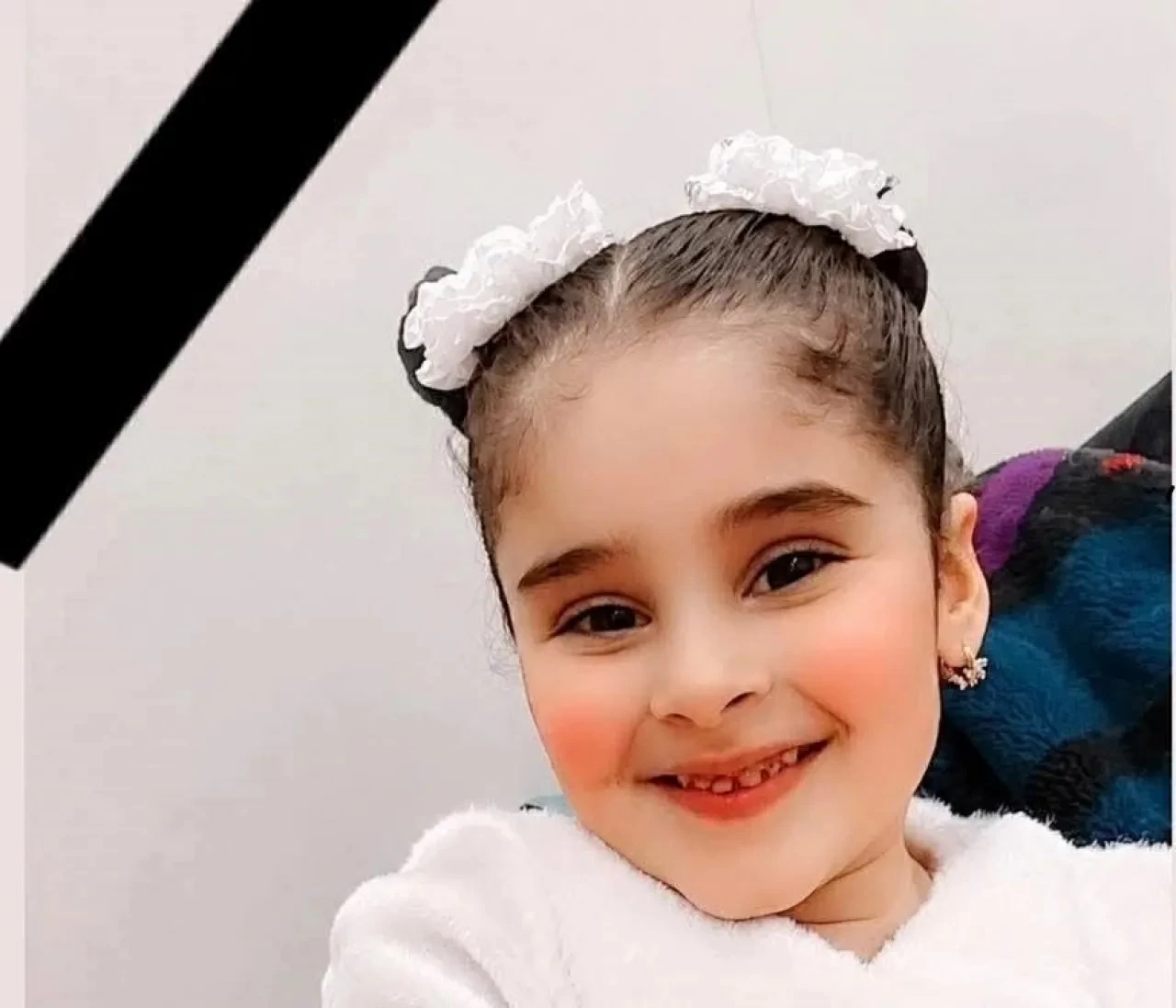
لم يكن العراقيون قد استوعبوا بعد الصدمة المروعة لمقتل الطفلة «كوثر» في بغداد، حتى انفجرت جريمة أكثر رعباً وبشاعة هزت العاصمة بأكملها، بعدما تحولت طفلتان صغيرتان في عمر الزهور إلى ضحيتين لوحشية لا يمكن لوصف بشري أن يستوعبها، في حادثة مأساوية أعادت فتح أخطر ملف مسكوت عنه في العراق: «من يحمي أطفال العراق؟».
ليلة سقوط البراءة
القصة الحابسة للأنفاس بدأت عندما اختفت الطفلة البريئة «غزل سيف عبدالكريم»، ذات الأعوام الأربعة، وصديقتها البالغة من العمر خمس سنوات فقط عن الأنظار، لتبدأ رحلة بحث مريرة انتهت بمشهد صادم وفاجع، إذ عُثر عليهما داخل مياه الصرف الصحي بعد تعرضهما لاعتداء وحشي مجرد من الإنسانية.
لكن النهاية كانت بالغة القسوة، فبينما كُتب للصديقة النجاة بأعجوبة إلهية رغم إصابتها بجروح بالغة الخطورة، لم تتحمل طاقة «غزل» الصغيرة الغدر، ولفظت أنفاسها الأخيرة بعدما ألقى المجرمون الطفلتين داخل مجرى الصرف الصحي المظلم في محاولة دنيئة لإخفاء معالم جريمتهم، ليتلقى الشارع العراقي النبأ بعاصفة غضب عارمة اجتاحت مواقع التواصل الاجتماعي.
الأجهزة الأمنية العراقية استنفرت قواتها على الفور، وأعلنت لاحقاً نجاحها في القبض على 3 متهمين متورطين في الواقعة، وسط مطالبات شعبية كاسحة بتنفيذ حد القصاص العادل وأقصى العقوبات بحقهم في ميادين عامة. ولم يتوقف الغضب عند حدود الجريمة، بل امتد ليوجه اتهامات صريحة ومباشرة لعجز وفشل القوانين الحالية في توفير مظلة حماية حقيقية للأطفال أمام موجة الجرائم المتصاعدة.
«سيناريو مخزٍ».. وتصريحات نارية
وفي خضم هذه الصدمة المجتمعية، خرجت رئيسة لجنة المرأة والطفل في مجلس محافظة البصرة إيمان المالكي، بتصريحات نارية مدوية، أكدت فيها أن ما حدث لغزل ليس «حادثة معزولة» أو عابرة، بل هو نتيجة مباشرة لـ«سيناريو مخزٍ ومكرر في كل مرة تُغتصب أو تُقتل فيها طفلة في العراق».
وقالت المالكي بمرارة إن المشهد بات مألوفاً بصورة مرعبة: طفلة بريئة تُغتال براءتها أو تُقتل بدم بارد، فتمتلئ منصات السوشيال ميديا بعبارات الشجب والغضب والاستنكار، ثم يعود كل شيء إلى الصمت المطبق وكأن شيئاً لم يكن، بينما تبقى القوانين «الركيكة» كما هي دون أي تعديل أو ردع حقيقي يزلزل قلوب المجرمين.
ووصفت المالكي جريمة غزل بأنها «نموذج مرعب لعقلية متوحشة انفصلت عن الفطرة»، مؤكدة أن ما جرى كشف بوضوح حجم الأزمة السلوكية والأخلاقية التي باتت تهدد الطفولة في المجتمع العراقي. وما ضاعف من حالة الاحتقان الشعبي، هو أن هذه الفاجعة جاءت بعد أيام قليلة من مقتل الطفلة «كوثر» في بغداد تحت لافتة ما يُعرف بـ«غسل العار»، مما دفع النخب والمواطنين للتساؤل بمرارة: لماذا تدفع الطفولة دائماً الفاتورة الأقسى للعنف؟
ومع تصاعد حدة الغضب، طالبت المالكي السلطات القضائية والتشريعية بالخروج فوراً من «حالة الجمود والركود» وإقرار قوانين صارمة لا تعرف الرحمة لحماية الأطفال، مع تنفيذ «قصاص عاجل وعلني» يكون عبرة للجميع. فقضية غزل لم تعد مجرد خبر جنائي يمر عليه القارئ مرور الكرام، بل تحولت إلى جرح نازف داخل جسد المجتمع العراقي، وصرخة مكتومة تتجدد مع كل طفلة تُسرق براءتها.. ثم تُنسى بعد أيام.
The Iraqis had not yet absorbed the horrific shock of the murder of the little girl "Kawthar" in Baghdad when an even more terrifying and gruesome crime erupted, shaking the entire capital. Two young girls, in the bloom of their youth, became victims of a brutality that no human description can comprehend, in a tragic incident that reopened the most dangerous taboo file in Iraq: "Who protects the children of Iraq?"
The Night Innocence Fell
The breath-holding story began when the innocent girl "Ghazal Saif Abdul Karim," just four years old, and her friend, only five, disappeared from sight, leading to a bitter search journey that ended with a shocking and tragic scene. They were found in sewage waters after being subjected to a brutal assault devoid of humanity.
However, the ending was extremely cruel. While the friend miraculously survived despite suffering from severe injuries, little "Ghazal" could not withstand the treachery and breathed her last after the criminals threw the two girls into the dark sewage channel in a despicable attempt to hide the traces of their crime. The Iraqi street received the news with a storm of overwhelming anger that swept through social media.
The Iraqi security forces immediately mobilized their troops and later announced their success in arresting three suspects involved in the incident, amid widespread public demands for the implementation of just retribution and the harshest penalties against them in public squares. The anger did not stop at the boundaries of the crime but extended to directly accuse the current laws of being unable to provide a real protective umbrella for children in the face of the rising wave of crimes.
A "Shameful Scenario" and Fiery Statements
In the midst of this societal shock, the head of the Women and Children Committee in the Basra Provincial Council, Iman Al-Maliki, made explosive statements, confirming that what happened to Ghazal is not an "isolated incident" or a fleeting one, but a direct result of a "shameful and repetitive scenario every time a girl is raped or killed in Iraq."
Al-Maliki bitterly stated that the scene has become horrifyingly familiar: an innocent girl is assassinated in her innocence or killed in cold blood, filling social media platforms with expressions of condemnation, anger, and outrage, only for everything to return to complete silence as if nothing had happened, while the "fragile" laws remain unchanged without any real deterrent to shake the hearts of criminals.
She described Ghazal's crime as a "terrifying model of a savage mentality that has detached from instinct," emphasizing that what happened clearly revealed the extent of the behavioral and moral crisis that now threatens childhood in Iraqi society. What compounded the public outrage was that this tragedy came just days after the murder of the girl "Kawthar" in Baghdad under the banner of what is known as "honor killing," prompting elites and citizens to bitterly question: Why does childhood always pay the highest price for violence?
As the intensity of anger escalated, Al-Maliki demanded that the judicial and legislative authorities immediately emerge from their "state of stagnation and inertia" and enact strict laws that show no mercy to protect children, along with implementing "urgent and public retribution" as a lesson for all. The case of Ghazal is no longer just a criminal news item that the reader passes by; it has transformed into a bleeding wound within the body of Iraqi society, and a muffled scream that renews with every girl whose innocence is stolen... only to be forgotten after a few days.