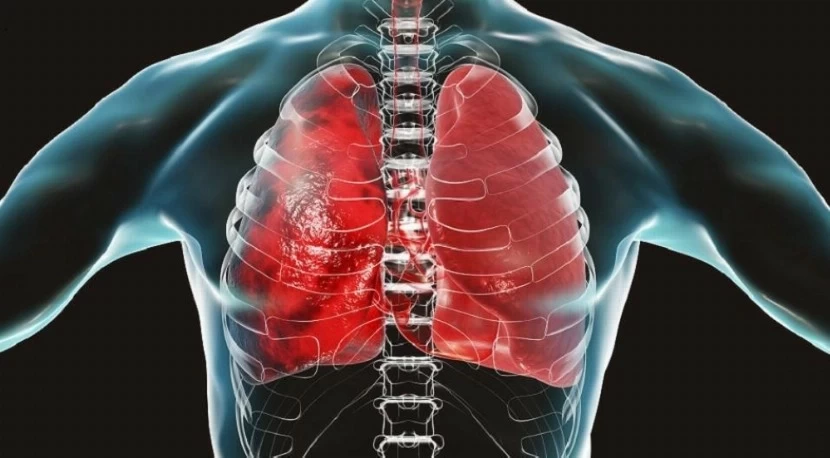
أكدت أبحاث طبية حديثة أن الرئتين تمتلكان قدرة ملحوظة على إصلاح نفسيهما بعد الإقلاع عن التدخين، ما يمنح المدخنين السابقين فرصة حقيقية لاستعادة جزء كبير من صحتهم التنفسية، رغم أن بعض الأضرار قد تظل دائمة.
التعافي بعد التدخين
وبحسب صحيفة «الغارديان»، أوضحت رئيسة مجموعة تطوير وأمراض الرئة في إمبريال كوليدج لندن الدكتورة شارلوت دين أن الاعتقاد القديم بأن الرئتين لا يمكنهما التجدد لم يعد دقيقًا، مشيرة إلى أن الرئتين قادرتان على التعافي بدرجة كبيرة عند التوقف عن التدخين.
وقالت: يتسبب التدخين في أضرار مستمرة لأنسجة الرئة، لكن الجهاز التنفسي يتمتع بطبيعة بيولوجية مرنة تطورت لمواجهة التلوث والفايروسات والبكتيريا، نظرًا إلى أهميته الحيوية لاستمرار الحياة.
إصلاح الأنسجة
وأضافت: تمتلك الرئتين قدرة طبيعية على إصلاح الأنسجة المتضررة، لكن هذه القدرة ليست بلا حدود، إذ إن التعرض المستمر للسموم الناتجة عن التدخين أو التدخين الإلكتروني يفوق أحيانًا قدرة الجسم على الإصلاح.
ورغم التحسن الكبير الممكن بعد الإقلاع، شددت دين على أن التوقف عن التدخين لا يمحو جميع الأضرار السابقة بالكامل، إذ يكون التدخين قد تسبب بالفعل في طفرات جينية أو تلف دائم في الأنسجة، ما يزيد من احتمالات الإصابة بسرطان الرئة أو التدهور الصحي مع التقدم في العمر.
وأكدت أن الاستجابة تختلف من شخص لآخر، فبعض الأفراد يمتلكون قدرة أكبر على التجدد، بينما يكون آخرون أكثر عرضة للإصابة بأضرار مزمنة.
تراجع تدريجي
ونصح الخبراء بالإقلاع عن التدخين في أقرب وقت ممكن؛ لأن قدرة الرئة على الإصلاح تتراجع تدريجيًا مع التقدم في السن، تمامًا كما تقل كفاءة التئام العظام لدى كبار السن، مشددة على أهمية اتباع نمط حياة صحي بعد الإقلاع، خصوصًا من خلال ممارسة الرياضة بانتظام، موضحة أن النشاط البدني يساعد على تحسين كفاءة الرئتين وزيادة القدرة على تبادل الغازات وتوصيل الأكسجين إلى أنحاء الجسم بشكل أفضل.
ويؤكد هذا التوجه الطبي أن الإقلاع عن التدخين، مهما تأخر، يظل خطوة حاسمة لتحسين الصحة العامة وإبطاء تدهور وظائف الرئة، لكنه لا ينبغي أن يُنظر إليه كوسيلة لتبرير التدخين، بل كفرصة أخيرة لتقليل الخسائر الصحية.
Recent medical research has confirmed that the lungs have a remarkable ability to repair themselves after quitting smoking, giving former smokers a real chance to regain a significant part of their respiratory health, although some damage may remain permanent.
Recovery After Smoking
According to the Guardian newspaper, Dr. Charlotte Dean, head of the Lung Development and Disease Group at Imperial College London, explained that the old belief that the lungs cannot regenerate is no longer accurate, noting that the lungs are capable of recovering significantly when one stops smoking.
She stated: Smoking causes ongoing damage to lung tissue, but the respiratory system has a flexible biological nature that has evolved to cope with pollution, viruses, and bacteria, due to its vital importance for sustaining life.
Tissue Repair
She added: The lungs have a natural ability to repair damaged tissue, but this ability is not limitless, as continuous exposure to toxins from smoking or vaping sometimes exceeds the body's capacity for repair.
Despite the significant improvement possible after quitting, Dean emphasized that stopping smoking does not completely erase all previous damage, as smoking may have already caused genetic mutations or permanent tissue damage, increasing the likelihood of lung cancer or health deterioration with aging.
She confirmed that the response varies from person to person, with some individuals having a greater capacity for regeneration, while others are more susceptible to chronic damage.
Gradual Decline
Experts advise quitting smoking as soon as possible, as the lungs' ability to repair declines gradually with age, just as the efficiency of bone healing decreases in older adults. They emphasize the importance of following a healthy lifestyle after quitting, particularly through regular exercise, explaining that physical activity helps improve lung efficiency and increases the capacity for gas exchange and oxygen delivery throughout the body.
This medical perspective confirms that quitting smoking, no matter how late, remains a crucial step toward improving overall health and slowing the decline of lung function, but it should not be viewed as a justification for smoking, rather as a final opportunity to reduce health losses.