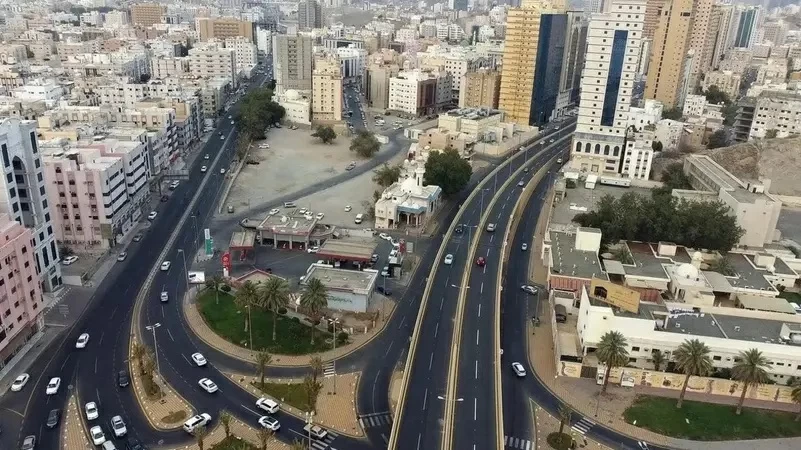
دخلت «لائحة رسوم العقارات الشاغرة» حيز التنفيذ رسمياً في السعودية اعتباراً من اليوم (الجمعة). وهذا القرار ليس ضريبة جديدة، بل هو زلزال تنظيمي سيعيد ترتيب سوق العقارات في المملكة، ويجبر كبار الملاك على إنهاء عصر الاحتكار وفتح أبواب المباني المغلقة.
وبموجب اللائحة الجديدة، لم يعد بإمكان الملاك ترك مبانيهم (سواء كانت سكنية أو تجارية) شاغرة دون سبب مقنع. وإذا ظل المبنى غير مستغل لمدة (6) أشهر خلال السنة، فسيتم إدراج صاحبه ضمن قائمة «المكلفين» بدفع الرسوم.
كم ستدفع؟
القرار وضع معادلة مالية دقيقة، حيث ستُقدر الرسوم بناءً على «أجرة المثل» (القيمة التي كان يمكن أن يؤجر بها العقار)، بحد أقصى يصل إلى 5% من القيمة الإجمالية للمبنى.
مثال: إذا كان لديك مبنى قيمته 10 ملايين ريال، قد تجد نفسك مطالباً بدفع مئات الآلاف سنوياً لمجرد أنك ترفض استغلاله.
ووضعت الوزارة معايير ذكية لكشف «التحايل»، حيث سيتم مراقبة معدلات استهلاك الخدمات (الكهرباء والمياه). ولو كان الاستهلاك أقل من الحد الأدنى المسموح به، سيُعتبر العقار «شاغراً» حتى لو ادعى صاحبه غير ذلك.
أين ستذهب هذه الأموال؟
المفاجأة السارة للمواطنين هي أن جميع مبالغ الرسوم والغرامات المحصلة لن تذهب لخزينة عامة، بل سيتم ضخها بالكامل في «مشروعات الإسكان»، مما يعني أن «المحتكرين» سيمولون بناء منازل جديدة للمواطنين بشكل غير مباشر.
5 حالات تنقذك من «الرسوم»
- الإشغال الفعلي: أن يكون المبنى مستأجراً أو مسكوناً وموثقاً.
- البيع الرسمي: انتقال الملكية لمالك جديد يسقط عنك الرسوم السابقة.
- الموانع القهرية: وجود نزاع قضائي أو عائق نظامي يمنعك من استغلال العقار.
- السكن الرئيسي: إذا كان المبنى هو عنوانك الوطني المسجل وتوقفت عن استخدامه لسبب ملحّ.
- شهادة الإشغال: الحصول على شهادة إشغال حديثة خلال السنة المرجعية.
ويهدف هذا القرار إلى زيادة المعروض من الشقق والمكاتب في السوق، مما سيؤدي حتماً إلى انخفاض الإيجارات وتنشيط الأحياء التي كانت تبدو كـ«أشباح» رغم جمال مبانيها.
The "Vacant Property Fee List" has officially come into effect in Saudi Arabia as of today (Friday). This decision is not a new tax, but rather a regulatory earthquake that will rearrange the real estate market in the Kingdom, forcing major owners to end the era of monopoly and open the doors of closed buildings.
Under the new regulation, owners can no longer leave their buildings (whether residential or commercial) vacant without a convincing reason. If a building remains unused for (6) months during the year, its owner will be included in the list of "obligated" to pay the fees.
How much will you pay?
The decision established an accurate financial equation, as the fees will be calculated based on the "market rent" (the value at which the property could have been rented), with a maximum limit of 5% of the total value of the building.
For example: If you have a building worth 10 million riyals, you may find yourself required to pay hundreds of thousands annually simply because you refuse to utilize it.
The ministry has set smart criteria to detect "evasion," as consumption rates of services (electricity and water) will be monitored. If consumption is below the minimum allowed threshold, the property will be considered "vacant" even if its owner claims otherwise.
Where will this money go?
The pleasant surprise for citizens is that all amounts of fees and fines collected will not go to the public treasury, but will be fully pumped into "housing projects," meaning that "monopolists" will indirectly fund the construction of new homes for citizens.
5 cases that save you from the "fees"
- Actual occupancy: The building must be rented or inhabited and documented.
- Official sale: Transfer of ownership to a new owner cancels the previous fees.
- Compelling obstacles: Existence of a legal dispute or regulatory barrier preventing you from utilizing the property.
- Main residence: If the building is your registered national address and you stopped using it for an urgent reason.
- Occupancy certificate: Obtaining a recent occupancy certificate during the reference year.
This decision aims to increase the supply of apartments and offices in the market, which will inevitably lead to a decrease in rents and revitalize neighborhoods that have seemed like "ghosts" despite the beauty of their buildings.