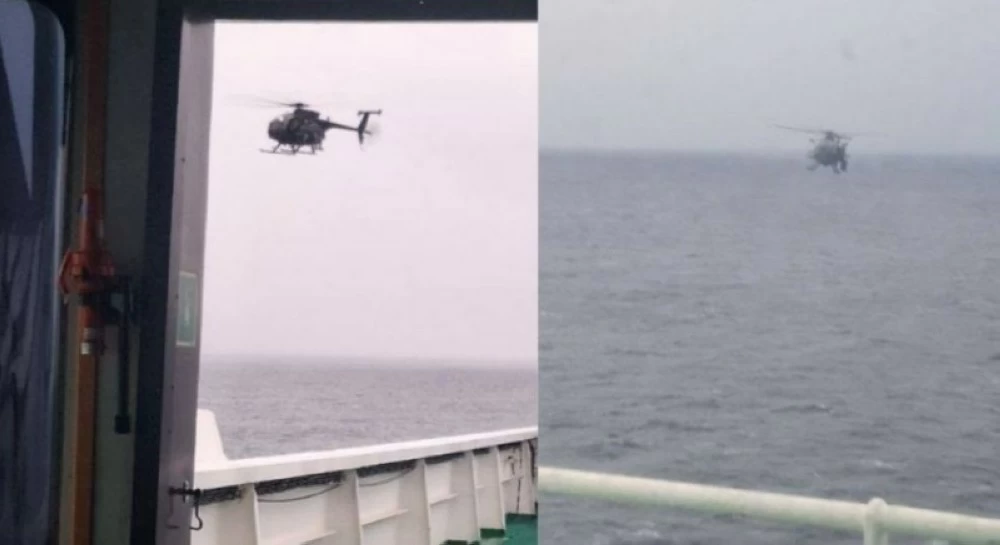
في تطور لافت يرفع منسوب التوتر بين واشنطن وموسكو، نفذت قوات خاصة أمريكية، بالتعاون مع خفر السواحل، عملية إنزال جوي على متن ناقلة النفط «مارينيرا» التي ترفع العلم الروسي، شمال المحيط الأطلسي، عقب مطاردة استمرت أكثر من أسبوعين، انتهت باحتجاز السفينة والسيطرة عليها.
عاصفة ومواجهة مفتوحة
ونقلت وسائل إعلام روسية عن مصادر مطلعة أن خفر السواحل الأمريكي حاول اعتراض الناقلة في ظروف جوية عاصفة، رغم وجود أصول بحرية روسية في المنطقة لتأمينها، من بينها غواصة وسفن مرافقة، في خطوة وصفتها موسكو بأنها تصعيد خطير.
صور الإنزال الجوي
وبثت قنوات روسية صوراً ومقاطع فيديو تُظهر محاولات إنزال جوي من مروحيات أمريكية على سطح الناقلة، معتبرة ما جرى «سابقة بحرية خطيرة» وانتهاكاً لحرية الملاحة في المياه الدولية.
واشنطن تؤكد السيطرة
في المقابل، أكد مسؤولون أمريكيون لوسائل إعلام غربية نجاح العملية، مشيرين إلى أن السفينة باتت تحت السيطرة الأمريكية، في إطار حملة إدارة الرئيس دونالد ترمب لملاحقة ومصادرة ناقلات «أسطول الظل» المرتبطة بالالتفاف على العقوبات المفروضة على فنزويلا وإيران.
ناقلة بلا حمولة وسجل مثير
وأوضح المسؤولون أن الناقلة كانت فارغة أثناء العملية، لكنها متهمة سابقاً بنقل نفط إيراني وفنزويلي خاضع للعقوبات، ما وضعها على قائمة المراقبة الأمريكية منذ أشهر.
بداية المطاردة
وتعود فصول القضية إلى ديسمبر الماضي، حين حاول خفر السواحل الأمريكي اعتراض السفينة في البحر الكاريبي أثناء توجهها المحتمل إلى فنزويلا، إلا أن طاقمها رفض الامتثال وغيّر مسارها باتجاه شمال الأطلسي.
علم روسي وتغيير الهوية
وخلال المطاردة، أقدم الطاقم على رسم العلم الروسي بشكل بدائي على جانب السفينة، وغيّر اسمها إلى «مارينيرا»، مع تسجيلها في السجل البحري الروسي بميناء سوتشي، في محاولة للحصول على حماية موسكو. واعتبرت واشنطن حينها أن السفينة «عديمة الجنسية» بسبب رفع علم غير صالح، ما أتاح قانونياً مصادرتها.
حرب على «أسطول الظل»
تأتي الحادثة ضمن تصعيد أمريكي متواصل ضد «أسطول الظل» الروسي والإيراني، المتهم بنقل النفط الخاضع للعقوبات إلى أسواق آسيا وأوروبا، متجاوزاً القيود الغربية.
سوابق مشابهة
وسبق للولايات المتحدة تنفيذ عمليات مماثلة في البحر الكاريبي، من بينها احتجاز ناقلة «ذا سكيبر» الشهر الماضي، بمشاركة قوات خاصة ومشاة بحرية.
تعقيد قانوني متزايد
وردّاً على هذه الإجراءات، لجأت عدة ناقلات إلى تغيير أعلامها ورفع العلم الروسي، في مسعى لتعقيد المسار القانوني للمصادرة، نظراً لصعوبة احتجاز سفينة ترفع علم دولة ذات سيادة في المياه الدولية دون موافقتها أو وجود أدلة دامغة على انتهاكات جسيمة.
In a notable development that raises tensions between Washington and Moscow, U.S. special forces, in collaboration with the Coast Guard, conducted an airborne operation on the Russian-flagged oil tanker "Marinera" in the North Atlantic, following a pursuit that lasted more than two weeks, which ended with the ship being detained and taken over.
Storm and Open Confrontation
Russian media reported from informed sources that the U.S. Coast Guard attempted to intercept the tanker in stormy weather conditions, despite the presence of Russian naval assets in the area for its protection, including a submarine and escort ships, in a move that Moscow described as a serious escalation.
Airborne Operation Images
Russian channels broadcast images and videos showing attempts of airborne operations from U.S. helicopters onto the deck of the tanker, considering what occurred a "dangerous maritime precedent" and a violation of freedom of navigation in international waters.
Washington Confirms Control
In contrast, U.S. officials confirmed to Western media the success of the operation, indicating that the ship is now under U.S. control, as part of President Donald Trump's administration's campaign to pursue and seize "shadow fleet" tankers linked to circumventing sanctions imposed on Venezuela and Iran.
Empty Tanker with a Notable Record
Officials clarified that the tanker was empty during the operation, but it had previously been accused of transporting Iranian and Venezuelan oil subject to sanctions, which placed it on the U.S. watch list for months.
Beginning of the Pursuit
The case dates back to last December when the U.S. Coast Guard attempted to intercept the ship in the Caribbean Sea while it was potentially heading to Venezuela, but its crew refused to comply and changed its course towards the North Atlantic.
Russian Flag and Identity Change
During the pursuit, the crew painted the Russian flag crudely on the side of the ship and changed its name to "Marinera," registering it in the Russian maritime registry at the port of Sochi, in an attempt to gain Moscow's protection. Washington considered at the time that the ship was "stateless" due to flying an invalid flag, which legally allowed for its seizure.
War on the "Shadow Fleet"
The incident is part of a continuous U.S. escalation against the Russian and Iranian "shadow fleet," accused of transporting sanctioned oil to markets in Asia and Europe, bypassing Western restrictions.
Similar Precedents
The United States has previously conducted similar operations in the Caribbean, including the seizure of the tanker "The Skipper" last month, with the participation of special forces and Marines.
Increasing Legal Complications
In response to these actions, several tankers have resorted to changing their flags and raising the Russian flag, in an effort to complicate the legal path for seizure, given the difficulty of detaining a ship flying the flag of a sovereign state in international waters without its consent or compelling evidence of serious violations.