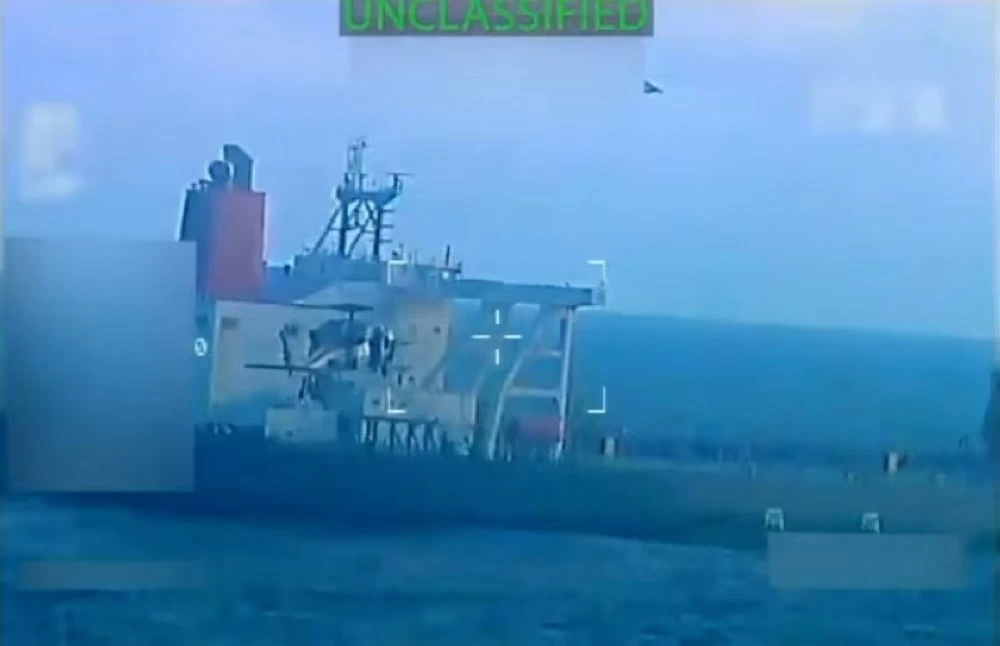
في تصعيد غير مسبوق منذ فرض العقوبات على فنزويلا عام 2019، أعلن الرئيس الأمريكي دونالد ترمب، ليل الخميس، احتجاز خفر السواحل الأمريكي ناقلة نفط عملاقة تحمل شحنة نفط خام فنزويلية كانت في طريقها للتصدير.
أول احتجاز مباشرة لشحنة نفط فنزويلية
وتُعد هذه أول عملية احتجاز مباشرة لشحنة نفط فنزويلية منذ بدء العقوبات، وأول إجراء معلن ضد ناقلة مرتبطة بكاراكاس منذ أمر ترمب بتعزيز التواجد العسكري الأمريكي الكبير في المنطقة.
الناقلة «سكيبر» تنتمي إلى «أسطول الظل»
الناقلة المحتجزة، التي حددتها جهات متخصصة في إدارة المخاطر باسم «سكيبر»، تنتمي إلى ما يُعرف بـ«أسطول الظل» الذي ينقل النفط المفروضة عليه عقوبات من فنزويلا وإيران وروسيا، وغالباً ما تُطفئ هذه السفن أجهزة التعقب أو تُخفي مواقعها الحقيقية.
وبحسب وكالة «رويترز»، قالت مصادر ملاحية إن الخطوة الأمريكية أثارت حالة من الذعر بين مالكي السفن ووكلاء الشحن والمشغلين، حيث بدأ الكثيرون في إعادة النظر في خطط الإبحار من الموانئ الفنزويلية خلال الأيام القادمة.
تأثير احتجاز شحنة النفط الفنزويلية
ويتوقع خبراء أن تتسبب هذه الإجراءات في تأخير قصير الأمد للصادرات النفطية الفنزويلية، وربما تُثني بعض المالكين عن التعامل مع النفط الفنزويلي نهائياً.
أكثر من 80 ناقلة نفط تنتظر في المياه الفنزويلية
وبحسب بيانات وتقارير رسمية، كان هناك يوم الأربعاء أكثر من 80 ناقلة نفط إما محملة أو تنتظر التحميل في المياه الفنزويلية أو قبالة سواحلها، من بينها أكثر من 30 ناقلة مدرجة بالفعل على قوائم العقوبات الأمريكية.
مادورو يصف الاحتجاز بالقرصنة الدولية
من جانبها، وصفت حكومة الرئيس نيكولاس مادورو عملية الاحتجاز بأنها «سرقة صارخة» و«عمل من أعمال القرصنة الدولية».
وتشير تحليلات Lloyd's List Intelligence إلى أن «أسطول الظل» العالمي يضم حالياً 1423 ناقلة، منها 921 خاضعة لعقوبات أمريكية أو بريطانية أو أوروبية، وتتميز هذه السفن بأنها قديمة في الغالب، ملكيتها غامضة، وتسير بدون تغطية تأمينية من الدرجة الأولى، مما يجعلها غير مرحب بها في معظم الموانئ الكبرى.
مهمة أسطول الظل
وتتركز مهمة هذا الأسطول بشكل أساسي على نقل النفط الممنوع من روسيا وإيران وفنزويلا إلى وجهات آسيوية، وخصوصا ماليزيا والصين، حيث تقوم السفن بإطفاء إشاراتها لفترات طويلة أثناء عبور المحيط الأطلسي.
ورغم شدة العقوبات، نجحت فنزويلا في رفع صادراتها النفطية إلى أكثر من 900 ألف برميل يومياً في نوفمبر الماضي، كما تضاعفت وارداتها من النافثا (المحروقات الخفيفة اللازمة لتخفيف نفطها الثقيل جداً) إلى 167 ألف برميل يومياً، معظمها من روسيا.
واشنطن تُطبق العقوبات الميدانية
وفي سياق متصل، أكدت شركة شيفرون الأمريكية – الشريك الرئيسي لشركة PDVSA الحكومية الفنزويلية والمسؤولة عن جميع شحنات النفط الفنزويلي إلى الولايات المتحدة بموجب ترخيص خاص، أن عملياتها مستمرة بشكل طبيعي ولم تتأثر بالإجراء الجديد.
ويبدو أن واشنطن قررت الانتقال من سياسة «العقوبات النظرية» إلى «التطبيق الميداني» على البحر، مما قد يفتح مرحلة جديدة من التوتر في سوق النفط العالمي.
In an unprecedented escalation since the imposition of sanctions on Venezuela in 2019, U.S. President Donald Trump announced late Thursday that the U.S. Coast Guard had seized a giant oil tanker carrying a shipment of Venezuelan crude oil that was en route for export.
First Direct Seizure of Venezuelan Oil Shipment
This marks the first direct seizure of a Venezuelan oil shipment since the sanctions began, and the first announced action against a tanker linked to Caracas since Trump ordered an increase in the U.S. military presence in the region.
The Tanker "Skipper" Belongs to the "Shadow Fleet"
The seized tanker, identified by risk management specialists as the "Skipper," belongs to what is known as the "shadow fleet," which transports oil subject to sanctions from Venezuela, Iran, and Russia, often turning off tracking devices or hiding their true locations.
According to Reuters, maritime sources said that the U.S. action has caused panic among ship owners, shipping agents, and operators, with many beginning to reconsider their plans to sail from Venezuelan ports in the coming days.
Impact of the Seizure of the Venezuelan Oil Shipment
Experts expect these measures to cause a short-term delay in Venezuelan oil exports, and may deter some owners from dealing with Venezuelan oil altogether.
More than 80 Oil Tankers Waiting in Venezuelan Waters
According to official data and reports, there were more than 80 oil tankers either loaded or waiting to load in Venezuelan waters or off its coasts on Wednesday, including more than 30 tankers already listed on U.S. sanctions lists.
Maduro Describes the Seizure as International Piracy
For its part, the government of President Nicolás Maduro described the seizure as a "blatant theft" and "an act of international piracy."
Analyses from Lloyd's List Intelligence indicate that the global "shadow fleet" currently consists of 1,423 tankers, of which 921 are subject to U.S., British, or European sanctions. These vessels are mostly older, have ambiguous ownership, and operate without first-class insurance coverage, making them unwelcome in most major ports.
Mission of the Shadow Fleet
The primary mission of this fleet focuses on transporting banned oil from Russia, Iran, and Venezuela to Asian destinations, particularly Malaysia and China, where the ships turn off their signals for extended periods while crossing the Atlantic Ocean.
Despite the severity of the sanctions, Venezuela managed to raise its oil exports to over 900,000 barrels per day last November, and its imports of naphtha (the light fuels needed to dilute its very heavy oil) doubled to 167,000 barrels per day, most of which came from Russia.
Washington Implements Field Sanctions
In a related context, American company Chevron – the main partner of Venezuela's state-owned PDVSA, responsible for all Venezuelan oil shipments to the United States under a special license – confirmed that its operations are continuing normally and have not been affected by the new measure.
It seems that Washington has decided to shift from a policy of "theoretical sanctions" to "field application" at sea, which could open a new phase of tension in the global oil market.