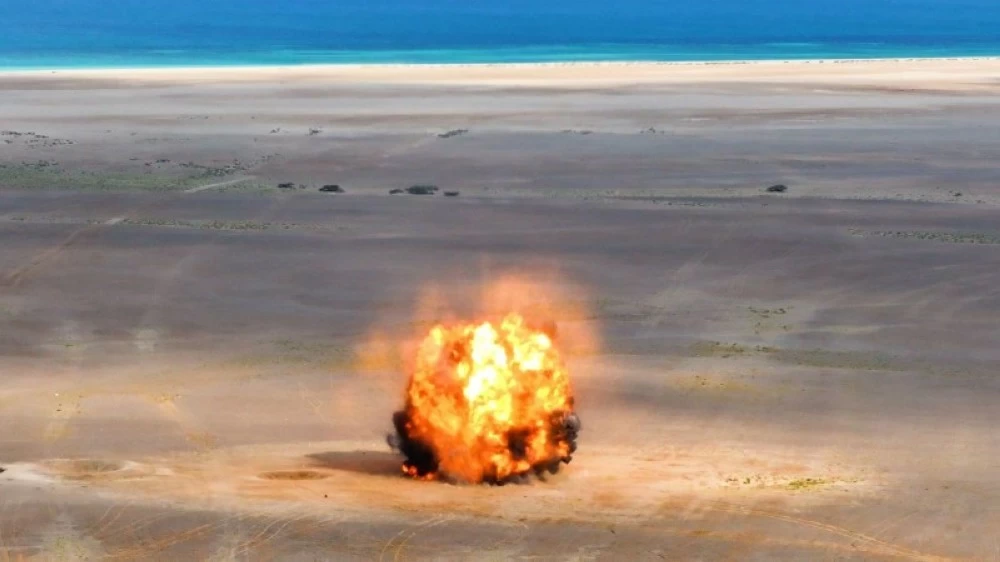
أتلف مشروع مسام السعودي لنزع الألغام في اليمن، اليوم (الأربعاء)، 4100 لغم وذخيرة غير منفجرة ومخلفات حرب في منطقة باب المندب بمحافظة تعز، غرب اليمن.
وأكد المشروع، في بيان، أن العملية نفذت بإشراف فريق المهمات الخاصة الثاني التابع للمشروع، في إطار الجهود المستمرة لتطهير الأراضي اليمنية من الألغام والعبوات الناسفة والذخائر غير المنفجرة التي لا تزال تهدد حياة المدنيين، مؤكدا أن المخلفات التي جرى إتلافها زرعها الحوثي في عدد في السواحل والمزارع والطرق اليمنية غرب البلاد.
الذي جرى تفجيرها
بالأرقام.. الألغام التي جرى إتلافها
وأوضح البيان أن المخلفات التي جرى إتلافها في منطقة بعيدة عن مواقع التجمعات المدنية شملت 32 لغما مضادا للأفراد، و31 لغما مضادا للدبابات، و69 قذيفة متنوعة، و23 عبوة ناسفة، و8 قنابل يدوية، إضافة إلى 1320 صمام تفجير، و2615 طلقة متنوعة الأحجام، وصاروخين.
ولفت البيان إلى أن العملية تضمنت أيضا كميات كبيرة من مخلفات الحرب التي جمعتها فرق المشروع المنتشرة في مناطق الساحل الغربي لليمن.
وأكد قائد فريق المهمات الخاصة الثاني في «مسام» المهندس أديب رجب أن هذه العمليات الدورية تعد محورية للحد من المخاطر المباشرة التي تهدد حياة المدنيين، موضحا أن هذه المتفجرات التي جرى التخلص منها كانت ستظل قابلة للانفجار لسنوات طويلة، وقد تتسبب في حوادث مميتة إما بالعبث بها أو بسبب تأثير العوامل الطبيعية عليها.
حوثية قُبيل تفجيرهاط
إزالة المخاطر التي تهدد المدنيين
وقال رجب إن فريق المهمات الخاصة الثاني ينفذ عمليات الإتلاف وفقا لمعايير دولية صارمة، لضمان إزالة مصادر الخطر بشكل كامل وتأمين المناطق المطهرة، انطلاقا من رسالة المشروع الإنسانية الرامية إلى حماية المدنيين والحد من الآثار المدمرة للألغام ومخلفات الحرب في مختلف أنحاء اليمن، مضيفا: فريق المهمات الخاصة الثاني «مسام» سيواصل أداء مهماته بنفس العزيمة حتى تصبح جميع المناطق المستهدفة آمنة وخالية من تهديد كافة مخلفات الحرب.
يجرى اعدادها للتفجير
يُذكر أن مشروع «مسام» يواصل جهوده الإنسانية في مختلف المحافظات اليمنية التي تشهد تلوثا واسع النطاق بالألغام والعبوات الناسفة؛ بهدف ضمان عودة آمنة للحياة المدنية.
The Saudi Project Masam for Mine Clearance in Yemen today (Wednesday) destroyed 4,100 landmines, unexploded ordnance, and war remnants in the Bab al-Mandab area of Taiz Governorate, western Yemen.
The project confirmed in a statement that the operation was carried out under the supervision of the second special missions team affiliated with the project, as part of ongoing efforts to clear Yemeni lands of mines, explosive devices, and unexploded ordnance that continue to threaten civilian lives. It emphasized that the remnants that were destroyed were planted by the Houthis in various coastal areas, farms, and roads in western Yemen.
الذي جرى تفجيرها
By the Numbers: The Mines Destroyed
The statement clarified that the remnants destroyed in an area far from civilian gathering sites included 32 anti-personnel mines, 31 anti-tank mines, 69 assorted shells, 23 explosive devices, 8 hand grenades, in addition to 1,320 detonators, 2,615 rounds of various calibers, and two rockets.
The statement also pointed out that the operation included large quantities of war remnants collected by the project teams deployed in the western coastal areas of Yemen.
Engineer Adeb Rajab, the leader of the second special missions team at Masam, confirmed that these periodic operations are crucial to reducing the immediate risks threatening civilian lives, explaining that these explosives that were disposed of could have remained explosive for many years and could cause fatal accidents either through tampering or due to the effects of natural factors on them.
حوثية قُبيل تفجيرهاط
Eliminating Risks to Civilians
Rajab stated that the second special missions team conducts destruction operations according to strict international standards to ensure the complete removal of sources of danger and secure the cleared areas, based on the humanitarian message of the project aimed at protecting civilians and mitigating the devastating effects of mines and war remnants throughout Yemen. He added that the second special missions team of Masam will continue to carry out its missions with the same determination until all targeted areas are safe and free from the threat of all war remnants.
يجرى اعدادها للتفجير
It is worth noting that the Masam project continues its humanitarian efforts in various Yemeni governorates that are witnessing widespread contamination by mines and explosive devices, aiming to ensure a safe return to civilian life.