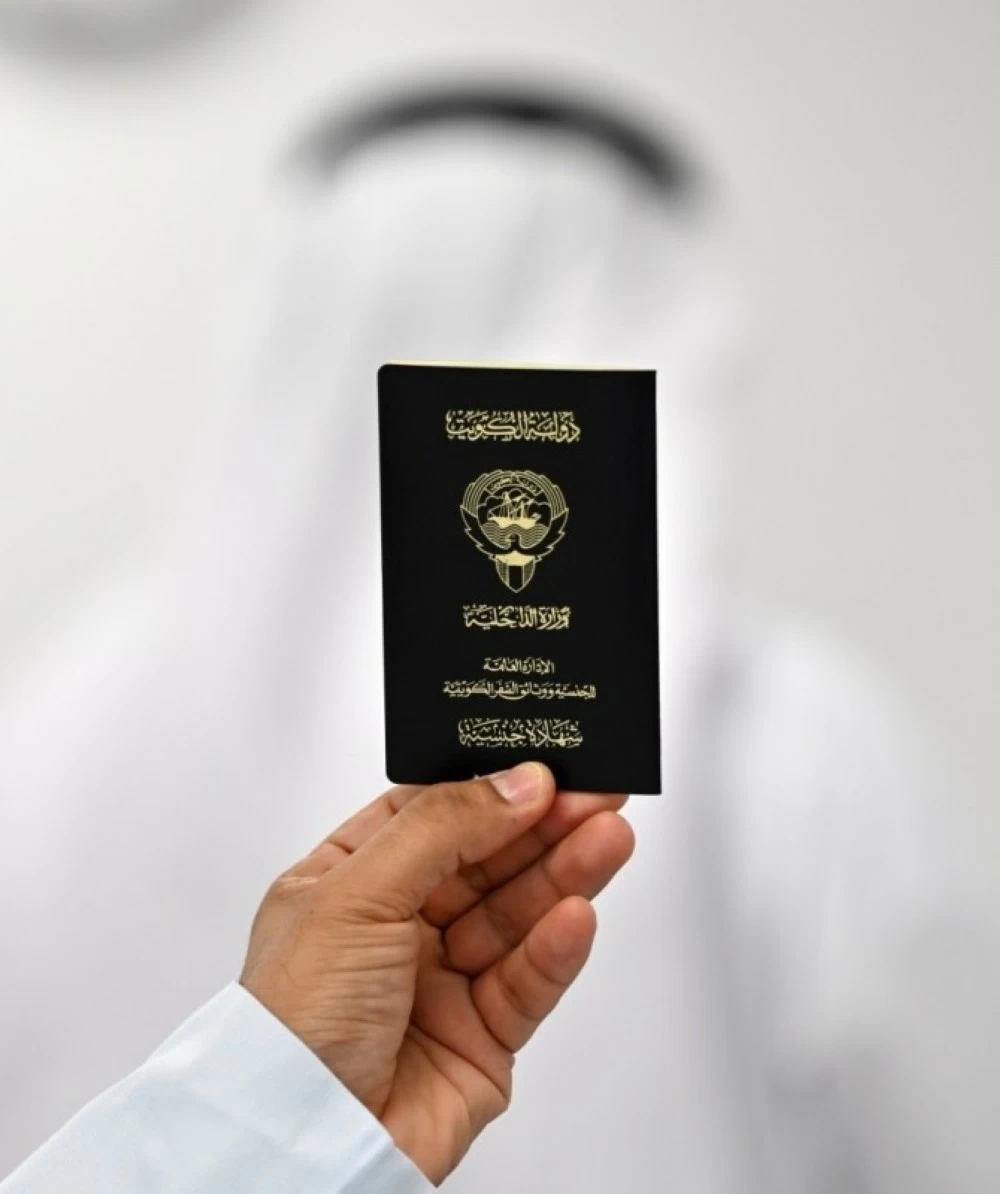
في واحدة من أخطر قضايا العبث بالهوية الوطنية في الكويت، كشفت التحقيقات الرسمية شبكات تزوير امتدت لعشرات السنين، شملت تسجيل أبناء خليجيين كمواطنين كويتيين، وتضخّم ملفات جنسية وهمية ضمّت مئات التبعيات، قبل أن تُسدل اللجنة العليا للجنسية الستار على هذه القضايا بقرارات حاسمة.
القضية التي فجّرت الخيوط الأولى بدأت بمعلومة وردت إلى النائب الأول لرئيس مجلس الوزراء وزير الداخلية الكويتي فهد اليوسف، ليصدر توجيهًا فوريًا بإحالتها إلى إدارة مباحث الجنسية. ومع تدقيق السجلات، تكشّفت عملية تزوير منظمة قامت خلالها مواطنة كويتية بانتحال صفة زوجة شقيقها، لتسجيل 4 أبناء من زوجها الخليجي على ملف الجنسية الكويتية لشقيقها، خلال أعوام امتدت بين 2003 و2011.
ولم تتوقف التحريات عند الوثائق، بل امتدت إلى الواقع، حيث أظهرت مراجعة العناوين وحركة السفر أن الأبناء المسجلين كويتيين كانوا يقيمون فعليًا مع والدهم الخليجي، ويسافرون معه بشكل منتظم. وكشفت كاميرات مطار الكويت الدولي أن المقاعد المتجاورة في الرحلات جمعت الأبناء مع الرجل الخليجي، في مشهد نسف الرواية الرسمية المسجلة في الملفات.
وأمام الأدلة المصورة والتحقيقات الموسعة، اعترف الرجل الخليجي بأنه الوالد الحقيقي للأبناء، كاشفًا مفاجأة أكبر، تمثلت في أن من سُجّلوا كـ «أشقاء كويتيين» هم في الحقيقة إخوته البيولوجيون، لكنهم قُيّدوا على الجنسية الكويتية عبر مسارات تزوير معقّدة. وأكدت فحوص البصمة الوراثية هذه المعطيات بشكل قاطع، مدعومة بمستندات رسمية خليجية.
ولم تكن هذه القضية سوى جزء من صورة أوسع، إذ أعلنت اللجنة العليا للجنسية في اجتماعها الأخير عن النظر في نحو 450 اسمًا بين مزوّرين ومزدوجين وتبعياتهم، ضمن ملفات امتدت لأكثر من 50 سنة. وبيّنت التحقيقات أن بعض الشبكات نجحت في تسجيل 264 شخصًا على ملفات مزورة، فيما وصلت تبعيات أخرى إلى عشرات الأسماء على ملف واحد.
وشملت القرارات الصادرة سحب وفقد الجنسية في حالات الازدواجية والغش والأقوال الكاذبة، في خطوة عكست نهجًا حازمًا لتصحيح السجلات، وإغلاق ملفات ظلت مفتوحة لعقود، وتأكيد أن حماية الهوية الوطنية ليست خيارًا إداريًا، بل مسألة سيادية تتعلق بالحاضر والمستقبل.
In one of the most serious cases of tampering with national identity in Kuwait, official investigations revealed forgery networks that spanned decades, involving the registration of Gulf nationals' children as Kuwaiti citizens, and the inflation of fictitious nationality files that included hundreds of dependencies, before the Supreme Committee for Nationality closed the curtain on these cases with decisive decisions.
The case that sparked the initial threads began with information received by the First Deputy Prime Minister and Minister of Interior of Kuwait, Fahad Al-Yusuf, who issued an immediate directive to refer it to the Nationality Investigations Department. Upon scrutinizing the records, an organized forgery operation was uncovered, during which a Kuwaiti woman impersonated her brother's wife to register four children from her Gulf husband under her brother's Kuwaiti nationality file, over the years from 2003 to 2011.
The investigations did not stop at the documents but extended to reality, as a review of addresses and travel movements showed that the children registered as Kuwaitis were actually residing with their Gulf father and traveling with him regularly. Cameras at Kuwait International Airport revealed that adjacent seats on flights brought the children together with the Gulf man, in a scene that undermined the official narrative recorded in the files.
In light of the video evidence and extensive investigations, the Gulf man admitted that he was the biological father of the children, revealing an even bigger surprise, which was that those registered as "Kuwaiti siblings" were actually his biological siblings, but they were recorded under Kuwaiti nationality through complex forgery pathways. Genetic fingerprint tests confirmed this information conclusively, supported by official Gulf documents.
This case was merely a part of a broader picture, as the Supreme Committee for Nationality announced in its latest meeting that it was reviewing around 450 names among forgers and dual nationals and their dependencies, within files that spanned over 50 years. Investigations showed that some networks succeeded in registering 264 individuals on forged files, while other dependencies reached dozens of names on a single file.
The issued decisions included the revocation and loss of nationality in cases of dual nationality, fraud, and false statements, in a move that reflected a firm approach to correcting the records, closing files that had remained open for decades, and affirming that protecting national identity is not an administrative option, but a sovereign matter concerning the present and future.