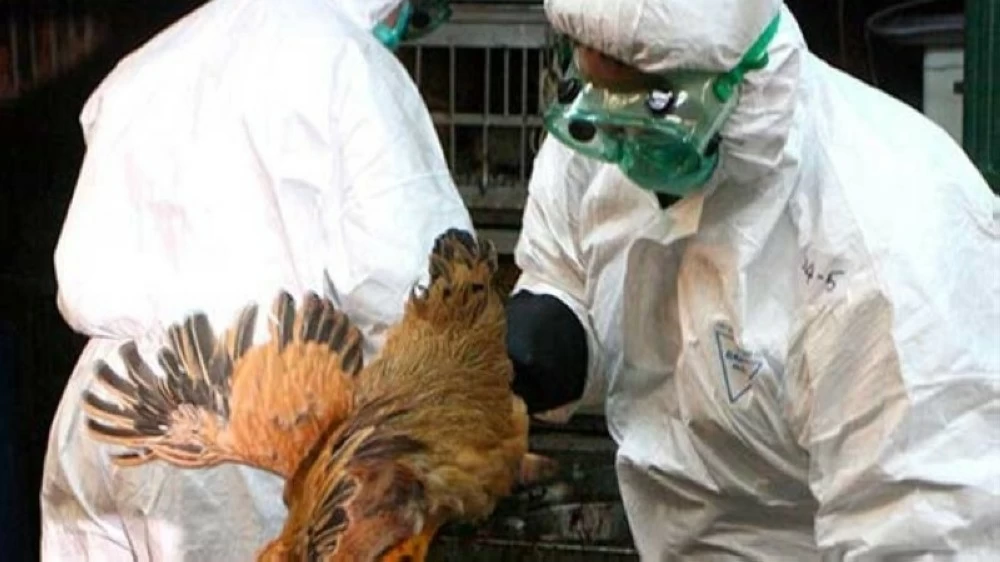
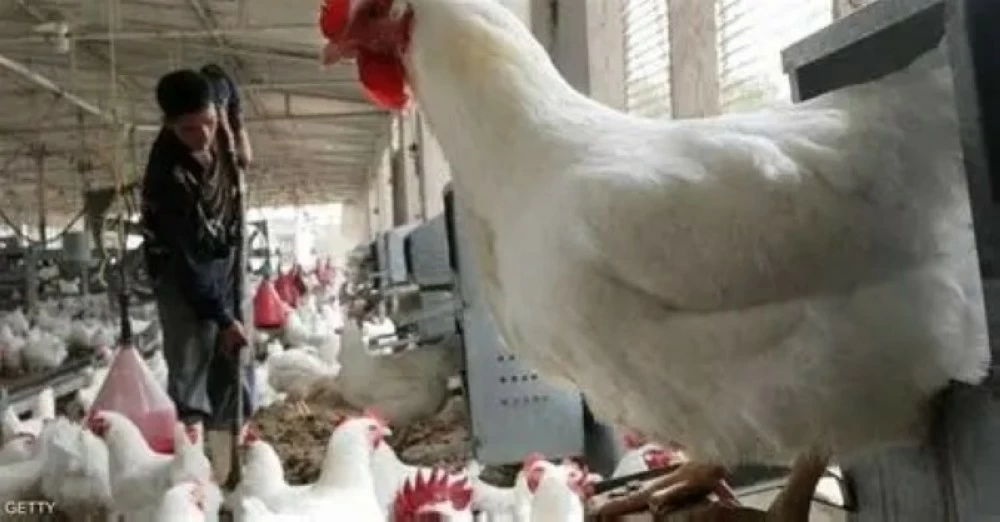
نفى المركز الإعلامي لمجلس الوزراء المصري، في بيان عاجل، ما تردد من شائعات حول ظهور مرض إنفلونزا الطيور في بعض المزارع المصرية، وربط ذلك بارتفاع أسعار الدواجن في الأسواق، مؤكداً عدم صحة هذه المزاعم المتداولة على مواقع التواصل الاجتماعي.
لا إصابات مسجلة
وأوضح البيان أنه بالتواصل مع وزارة الزراعة واستصلاح الأراضي، أكدت الوزارة «عدم رصد أي حالات إصابة بفايروس إنفلونزا الطيور» في أي من المزارع على مستوى الجمهورية حتى الآن.
حملات تقصٍّ ومراقبة
وأشار إلى أن الوزارة تكثف حملات التقصي النشط والمراقبة الدورية بجميع المحافظات، سواء في المزارع التجارية أو أسواق بيع الطيور أو مسارات الطيور المهاجرة، ضمن إجراءات احترازية مستمرة.
وتشمل هذه الحملات إجراء فحوصات دورية وسحب عينات يتم تحليلها في معمل بحوث صحة الحيوان، للتأكد من خلو القطعان من أي أمراض وبائية.
صادرات متزايدة
وأكد البيان أن صادرات مصر من الدواجن ومنتجاتها إلى الأسواق الخارجية تشهد تزايداً ملحوظاً خلال الفترة الأخيرة، بما يعكس استقرار الوضع الصحي لقطاع الداجن.
زيادة الإنتاج
كما أوضحت وزارة الزراعة أن معدلات الإنتاج من الدواجن وبيض المائدة ارتفعت بنسبة 14% مقارنة بالعام الماضي، بالتوازي مع زيادة أعداد المنشآت الداجنة المعزولة المطابقة لمعايير المنظمة العالمية للصحة الحيوانية (WOAH).
أسباب ارتفاع الأسعار
وفي السياق ذاته، أرجعت مصادر بقطاع الدواجن ارتفاع الأسعار الحالي إلى عوامل موسمية وزيادة تكاليف الإنتاج، من أعلاف وطاقة ونقل، وليس إلى أي أزمة صحية، مشيرة إلى أن الأسعار الحالية أقل بنحو 20% مقارنة بالفترة نفسها من العام الماضي في بعض الحالات.
تاريخ المرض في مصر
وكانت مصر قد عانت من انتشار إنفلونزا الطيور شديدة الضراوة (H5N1) منذ عام 2006، قبل أن تشهد السنوات الأخيرة تحسناً ملحوظاً في السيطرة على المرض، بفضل حملات التحصين والتقصي والتعويضات، مع استقرار نسبي في المزارع التجارية الكبرى.
قطاع حيوي
ويُعد قطاع الدواجن من أهم القطاعات الغذائية في مصر، إذ يمثل مصدر بروتين رئيسياً للملايين، فيما تؤدي الشائعات المرتبطة بالأوبئة عادة إلى إثارة الذعر في الأسواق، وانخفاض الطلب مؤقتاً، ثم ارتفاع الأسعار بفعل التكهنات والتخزين.
The Egyptian Cabinet's media center denied, in an urgent statement, the rumors circulating about the appearance of bird flu in some Egyptian farms, linking it to the rise in poultry prices in the markets, confirming the falsehood of these claims being shared on social media.
No Recorded Cases
The statement clarified that in communication with the Ministry of Agriculture and Land Reclamation, the ministry confirmed "no cases of bird flu virus have been detected" in any of the farms across the republic so far.
Investigation and Monitoring Campaigns
It was pointed out that the ministry is intensifying active investigation campaigns and regular monitoring in all governorates, whether in commercial farms, bird markets, or migratory bird pathways, as part of ongoing precautionary measures.
These campaigns include conducting regular tests and collecting samples that are analyzed in the Animal Health Research Laboratory, to ensure that the flocks are free from any epidemic diseases.
Increasing Exports
The statement confirmed that Egypt's exports of poultry and its products to foreign markets have seen a noticeable increase recently, reflecting the stability of the health situation in the poultry sector.
Production Increase
The Ministry of Agriculture also indicated that production rates of poultry and table eggs have risen by 14% compared to last year, alongside an increase in the number of isolated poultry facilities that meet the standards of the World Organisation for Animal Health (WOAH).
Reasons for Price Increase
In this context, sources in the poultry sector attributed the current price increase to seasonal factors and rising production costs, including feed, energy, and transportation, rather than any health crisis, noting that current prices are about 20% lower compared to the same period last year in some cases.
History of the Disease in Egypt
Egypt has suffered from the spread of highly pathogenic avian influenza (H5N1) since 2006, before witnessing a significant improvement in controlling the disease in recent years, thanks to vaccination, investigation campaigns, and compensation, with relative stability in large commercial farms.
A Vital Sector
The poultry sector is considered one of the most important food sectors in Egypt, as it represents a major source of protein for millions, while rumors related to epidemics usually lead to panic in the markets, a temporary decrease in demand, and then a rise in prices due to speculation and hoarding.