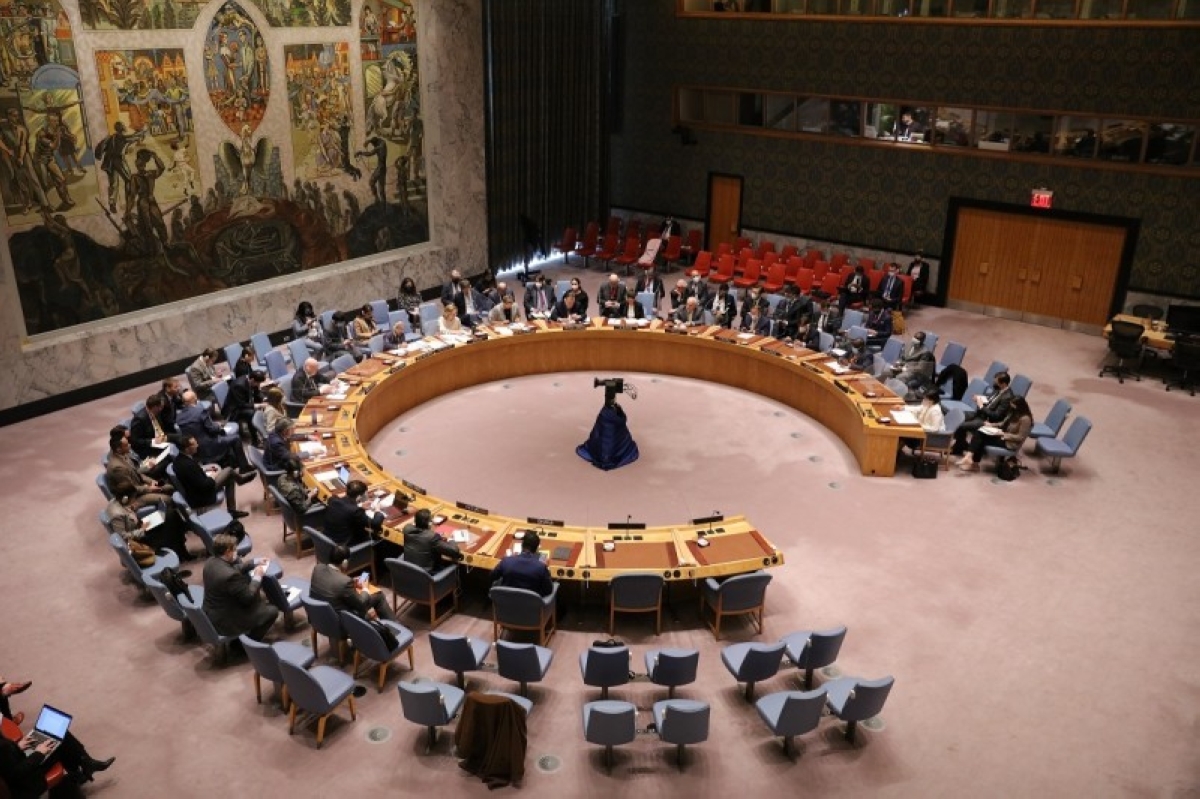
يعقد مجلس الأمن الدولي جلسة طارئة اليوم (الخميس) لمناقشة آخر التطورات الميدانية والإنسانية في السودان، مع التركيز على سقوط مدينة الفاشر (آخر معاقل الجيش السوداني في شمال دارفور) في يد قوات الدعم السريع، في ظل تصاعد القتال الدامي الذي يهدد بتحويل دارفور إلى «جحيم» إنساني كامل.
ويأتي الاجتماع -الذي طُلب من قبل دول مثل الدنمارك وفرنسا والمملكة المتحدة- وسط تقارير مروعة عن فظائع واسعة النطاق، بما في ذلك قتل جماعي، اغتصاب، وتدمير بنية تحتية، ما أدى إلى انهيار المنظومة الإنسانية وتهجير عشرات الآلاف.
ووفقاً للأمم المتحدة، أصبح أكثر من 260 ألف مدني محاصرين في الفاشر، معظمهم أطفال، فيما يُحذر خبراء من أن «توسع النزاع على خطوط عرقية» قد يهدد الاستقرار الإقليمي بأكمله.
الوضع الإنساني في دارفور وكردفان
وستقدم رئيسة مكتب التنسيق الإنساني في الأمم المتحدة جوي ووسورنو، تقريراً مفصلاً عن الوضع الإنساني في دارفور وكردفان، مشيرة إلى أن «الوضع الكارثي» وتفاقم في الأسابيع الأخيرة، خصوصاً بعد الهجوم الذي أطلقته قوات الدعم السريع في أواخر سبتمبر الماضي.
ووفقاً لتقرير مكتب التنسيق الإنساني الأخير، أدى سقوط الفاشر الذي حدث بعد حصار دام شهوراً إلى مقتل مئات المدنيين في معسكر النزوح زمزم، الذي يضم مئات الآلاف، مع تقارير عن استخدام طائرات دون طيار وصواريخ أرض-جو من قبل الدعم السريع، ما يُعد تطوراً خطيراً في التسليح.
ومن المقرر أن تدعو ووسورنو الأعضاء إلى «اتخاذ إجراء فوري» لضمان الالتزام بالقانون الإنساني الدولي، وفتح ممرات إغاثية آمنة، وتمويل خطة الاستجابة الإنسانية لعام 2025 التي تحتاج إلى 4.16 مليار دولار، لكنها ممولة بنسبة 14% فقط.
وبدأ النزاع الحالي في أبريل 2023 بين الجيش السوداني بقيادة الفريق الركن عبدالفتاح البرهان، وقوات الدعم السريع بقيادة محمد حمدان دقلو (حميدتي)، بعد خلافات على دمج القوات ضمن الفترة الانتقالية عقب ثورة ديسمبر 2018 التي أطاحت بالرئيس السابق عمر البشير.
وكانت قوات الدعم السريع، التي نشأت من «مليشيات الجنجويد» المتهمة بجرائم الإبادة الجماعية في دارفور خلال 2003-2005، قد حصلت على دعم دولي جزئي كقوة إقليمية، لكن النزاع الحالي أعاد إحياء الذكريات المؤلمة، مع اتهامات لها بارتكاب جرائم حرب وجرائم ضد الإنسانية، بما في ذلك الاغتصاب المنهجي كسلاح حرب، كما حذرت المحكمة الجنائية الدولية في تقريرها الأخير.
The United Nations Security Council is holding an emergency session today (Thursday) to discuss the latest field and humanitarian developments in Sudan, focusing on the fall of the city of El Fasher (the last stronghold of the Sudanese army in North Darfur) into the hands of the Rapid Support Forces, amid escalating bloody fighting that threatens to turn Darfur into a complete humanitarian "hell."
The meeting - requested by countries such as Denmark, France, and the United Kingdom - comes amid horrific reports of widespread atrocities, including mass killings, rape, and the destruction of infrastructure, leading to the collapse of the humanitarian system and the displacement of tens of thousands.
According to the United Nations, more than 260,000 civilians have become trapped in El Fasher, most of them children, while experts warn that the "expansion of the conflict along ethnic lines" could threaten the entire regional stability.
The Humanitarian Situation in Darfur and Kordofan
The UN's Under-Secretary-General for Humanitarian Affairs, Joy Wanjiru, will present a detailed report on the humanitarian situation in Darfur and Kordofan, noting that the "catastrophic situation" has worsened in recent weeks, especially after the attack launched by the Rapid Support Forces in late September.
According to the latest report from the Office for the Coordination of Humanitarian Affairs, the fall of El Fasher, which occurred after a months-long siege, resulted in the deaths of hundreds of civilians in the Zamzam displacement camp, which houses hundreds of thousands, with reports of the use of drones and surface-to-air missiles by the Rapid Support Forces, marking a serious development in armament.
Wanjiru is expected to call on members to "take immediate action" to ensure compliance with international humanitarian law, open safe humanitarian corridors, and fund the 2025 humanitarian response plan, which requires $4.16 billion but is only 14% funded.
The current conflict began in April 2023 between the Sudanese army led by Lieutenant General Abdel Fattah al-Burhan and the Rapid Support Forces led by Mohamed Hamdan Dagalo (Hemedti), following disagreements over the integration of forces during the transitional period after the December 2018 revolution that ousted former President Omar al-Bashir.
The Rapid Support Forces, which emerged from the "Janjaweed militias" accused of committing genocide in Darfur during 2003-2005, had received partial international support as a regional force, but the current conflict has revived painful memories, with accusations against them of committing war crimes and crimes against humanity, including systematic rape as a weapon of war, as warned by the International Criminal Court in its latest report.