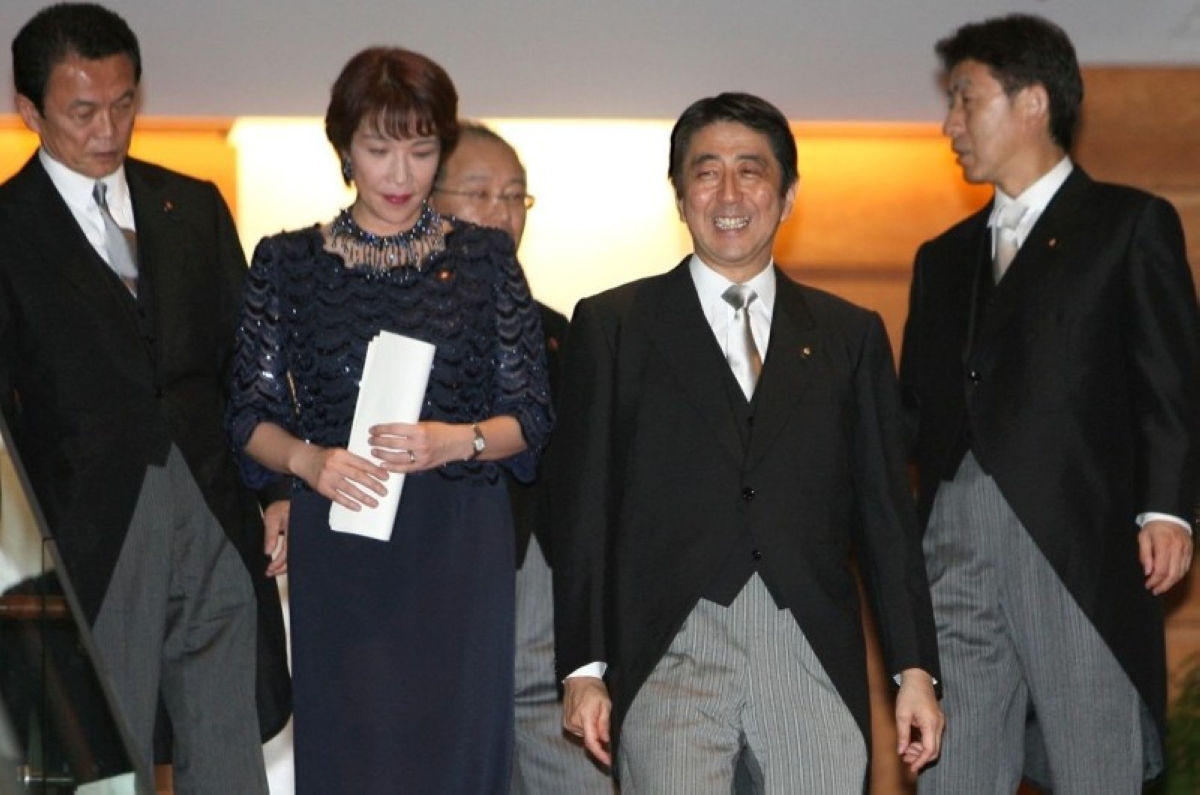
انتخب البرلمان الياباني، اليوم (الثلاثاء)، المحافظة ساناي تاكايتشي، أول رئيسة وزراء للبلاد، بعد فوزها في سباقٍ انتخابيٍّ ذكوريٍّ بالكامل لاختيارها من قِبَل حزبها الليبرالي الديمقراطي الحاكم زعيمةً له في الخامس من أكتوبر.
قدوة تاكايتشي
واضطرت تاكايتشي التي تسير على مسار قدوتها، رئيسة الوزراء البريطانية الراحلة مارغريت تاتشر، بعد أسابيع عاصفة من الجدل السياسي، إلى البحث عن الدعم، بعد انسحاب شريكها الأكثر اعتدالاً في الائتلاف الحاكم من تحالفهما الذي استمر 26 عاماً.
ويتعين على تاكايتشي، البالغة من العمر 64 عاماً، التي خسرت بفارقٍ ضئيلٍ في جولة الإعادة لقيادة الحزب الليبرالي الديمقراطي العام الماضي، أن تستعد أيضاً لاستضافة الرئيس الأمريكي دونالد ترمب الذي من المقرر أن يزور اليابان الأسبوع القادم.
أشارت تاكايتشي، التي كانت وزيرة للأمن الاقتصادي والداخلية سابقة، إلى تاتشر كمصدر إلهام، مستشهدةً بشخصيتها القوية وقناعاتها الراسخة، موضحة أنها التقت بتاتشر المحافظة، الشخصية المثيرة للجدل في السياسة البريطانية والمعروفة باسم «المرأة الحديدية»، في ندوة عُقدت قبيل وفاة تاتشر عام 2013.
رئيسة وزراء اليابان ساناي تاكايتشي بعد فوزها بزعامة الحزب الليبرالي الديمقراطي.
من هي تاكايتشي
ولدت تاكايتشي في 1961 في محافظة نارا، من أسرة متواضعة، فوالدها كان موظفاً بسيطاً ووالدتها ضابطة شرطة، ولم تكن السياسة جزءاً من أحلامها، لكنها امتلكت شخصية قوية قادتها إلى دروب غير تقليدية، وفقاً لما أوردته شبكة «بي بي سي».
وعملت تاكايتشي في شبابها عازفة طبول في فرقة «هيفي ميتال»، واشتهرت بشغفها الشديد بالموسيقى وقدرتها على كسر العصي أثناء العزف بسبب حماسها المفرط. ومارست رياضة الغوص وعشق السيارات الرياضية، ولا تزال سيارتها المفضلة من طراز «تويوتا سوبرا» معروضة اليوم في متحف بمدينة نارا.
كما عملت مقدمة برامج تلفزيونية، ما ساعدها على اكتساب حضور إعلامي قوي، وهي سمة ظلت تميزها في مسيرتها السياسية اللاحقة.
الدراسة في أمريكا
بدأت اهتمامها بالسياسة من خلال دراستها في الولايات المتحدة في ثمانينات القرن الماضي، خصوصاً عندما عملت في مكتب عضوة الكونغرس الأمريكية الديمقراطية باتريشيا شرودر، المعروفة بانتقادها للسياسات اليابانية في تلك الفترة.
The Japanese parliament elected Sanae Takaiichi today (Tuesday) as the country's first female Prime Minister, after her victory in an entirely male-dominated election to be chosen by her ruling Liberal Democratic Party as its leader on October 5.
Takaiichi's Role Model
Takaiichi, who follows in the footsteps of her role model, the late British Prime Minister Margaret Thatcher, was forced to seek support after weeks of political turmoil, following the withdrawal of her more moderate partner in the ruling coalition from their 26-year alliance.
At 64 years old, Takaiichi, who narrowly lost in the runoff for the leadership of the Liberal Democratic Party last year, must also prepare to host U.S. President Donald Trump, who is scheduled to visit Japan next week.
Takaiichi, who previously served as Minister for Economic Security and Internal Affairs, cited Thatcher as a source of inspiration, referencing her strong character and steadfast beliefs, explaining that she met the conservative Thatcher, a controversial figure in British politics known as the "Iron Lady," at a seminar held before Thatcher's death in 2013.
رئيسة وزراء اليابان ساناي تاكايتشي بعد فوزها بزعامة الحزب الليبرالي الديمقراطي.
Who is Takaiichi?
Born in 1961 in Nara Prefecture to a modest family, Takaiichi's father was a simple employee and her mother a police officer. Politics was not part of her dreams, but she possessed a strong personality that led her down unconventional paths, according to the BBC.
In her youth, Takaiichi worked as a drummer in a heavy metal band and became known for her intense passion for music and her ability to break drumsticks while playing due to her excessive enthusiasm. She practiced diving and had a love for sports cars, and her favorite car, a Toyota Supra, is still displayed today in a museum in Nara City.
She also worked as a television presenter, which helped her gain a strong media presence, a trait that has continued to distinguish her in her subsequent political career.
Studying in America
Her interest in politics began during her studies in the United States in the 1980s, particularly when she worked in the office of Democratic Congresswoman Patricia Schroeder, known for her criticism of Japanese policies at that time.