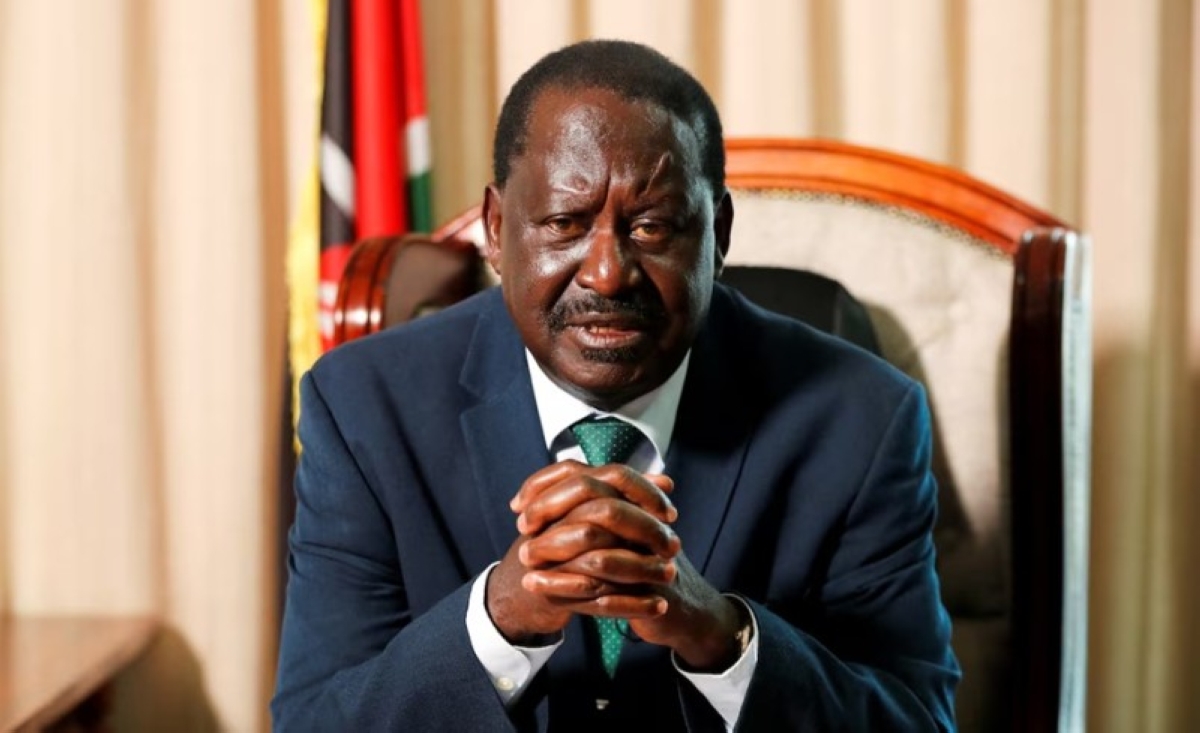
توفي رئيس الوزراء الكيني السابق وزعيم المعارضة رائيل أودينغا، عن عمر 80 عاماً، ونقلت وسائل إعلام عالمية عن عائلته أن توفي اليوم (الأربعاء) في الهند أثناء تلقيه العلاج الطبي، بينما أعلن مستشفى ديفاماثا في مدينة كوتشي بولاية كيرالا أنه أصيب بتوقف قلبي مفاجئ أثناء نزهة صباحية في مركز أيورفيدا لعلاج العيون.
من هو رائيل أودينغا؟
أودينغا، الذي قضى سنوات في السجن، وترشح خمس مرات دون نجاح لرئاسة البلاد، كان لعقود في قلب السياسة الكينية، حيث بنى تحالفات مع خصوم سابقين، وشغل منصب رئيس الوزراء لمدة ولاية واحدة، وألهم ولاءً مدى الحياة من قاعدته الشعبية، خصوصاً بين قبيلة اللوو في غرب البلاد وفي العاصمة نيروبي.
حزن في كينيا على وفاة رئيس الوزراء السابق رائيل أودينغا
ولد أودينغا ابناً لأوجينغا أودينغا، نائب الرئيس الأول في عهد قائد الاستقلال جومو كينياتا، وورث الخصومة بين والديهما، ورغم مصالح عائلته التجارية الواسعة، بدأ أودينغا مسيرته كثوري يسارية، مسمياً ابنه فيدل تيمناً بزعيم الثورة الكوبية فيدل كاسترو.
وسُجن أول مرة في 1982 بعد محاولة انقلاب ضد الرئيس دانيال أراب موي، الذي سجن وتعذب وقتل معارضيه. قضى تسع سنوات في السجن، ست منها في العزل الانفرادي.
واكتسب لقب «أغوامبو» (الغامض باللغة اللوو) بفضل قدرته على التعاون مع المنافسين، وكان أنصاره ينادونه ببساطة «بابا» (الأب بالسواحيلية)، رافضين تركه حتى عند اتهامه باستغلال الانقسامات العرقية لأغراض سياسية أو عقد صفقات مع الخصوم للوصول إلى السلطة.
أنصار رئيس وزراء كينيا السابق بعد نبأ وفاته
أصداء وفاة رائيل أودينغا في كينيا
ومع انتشار خبر الوفاة في الشوارع، توجه مئات الأنصار من أحياء كيبيرا الفقيرة في نيروبي، وهم يبكون ويلوحون بأغصان، في موكب إلى منزل أودينغا، كما زار الرئيس الكيني ويليام روتو منزل العائلة في ضاحية كارين الثرية بنيروبي، في إشارة إلى الاحترام السياسي الذي حظي به.
ساهم إرث أودينغا كناشط ديمقراطي في تحقيق إصلاحين رئيسيين في كينيا: الانتقال إلى نظام متعدد الأحزاب في 1991، ودستور جديد في 2010، كما قاد احتجاجات بعد الانتخابات المثيرة للجدل في 2007، التي أغرقت كينيا في أعنف عنف سياسي منذ الاستقلال، حيث قُتل نحو 1300 شخص ونزح مئات الآلاف.
The former Prime Minister of Kenya and opposition leader Raila Odinga has passed away at the age of 80. Global media outlets reported from his family that he died today (Wednesday) in India while receiving medical treatment, while the Devamatha Hospital in Kochi, Kerala, announced that he suffered a sudden cardiac arrest during a morning walk at an Ayurveda eye treatment center.
Who is Raila Odinga?
Odinga, who spent years in prison and ran unsuccessfully for the presidency five times, was at the heart of Kenyan politics for decades, building alliances with former rivals, serving as Prime Minister for one term, and inspiring lifelong loyalty from his grassroots supporters, especially among the Luo tribe in the west of the country and in the capital Nairobi.
حزن في كينيا على وفاة رئيس الوزراء السابق رائيل أودينغا
Born to Oginga Odinga, the first Vice President under independence leader Jomo Kenyatta, he inherited the rivalry between their families. Despite his family's extensive business interests, Odinga began his career as a leftist revolutionary, naming his son Fidel after the Cuban revolutionary leader Fidel Castro.
He was first imprisoned in 1982 following a coup attempt against President Daniel arap Moi, who imprisoned, tortured, and killed his opponents. He spent nine years in prison, six of which were in solitary confinement.
He earned the nickname "Agwambo" (the mysterious one in Luo) due to his ability to collaborate with competitors, and his supporters simply called him "Baba" (father in Swahili), refusing to abandon him even when accused of exploiting ethnic divisions for political purposes or making deals with rivals to gain power.
أنصار رئيس وزراء كينيا السابق بعد نبأ وفاته
Reactions to Raila Odinga's Death in Kenya
As news of his death spread through the streets, hundreds of supporters from the impoverished Kibera neighborhoods in Nairobi gathered, crying and waving branches, in a procession to Odinga's home. Kenyan President William Ruto also visited the family home in the affluent Karen suburb of Nairobi, signaling the political respect he commanded.
Odinga's legacy as a democratic activist contributed to two major reforms in Kenya: the transition to a multi-party system in 1991 and a new constitution in 2010. He also led protests following the controversial elections in 2007, which plunged Kenya into the most violent political turmoil since independence, resulting in the deaths of around 1,300 people and the displacement of hundreds of thousands.