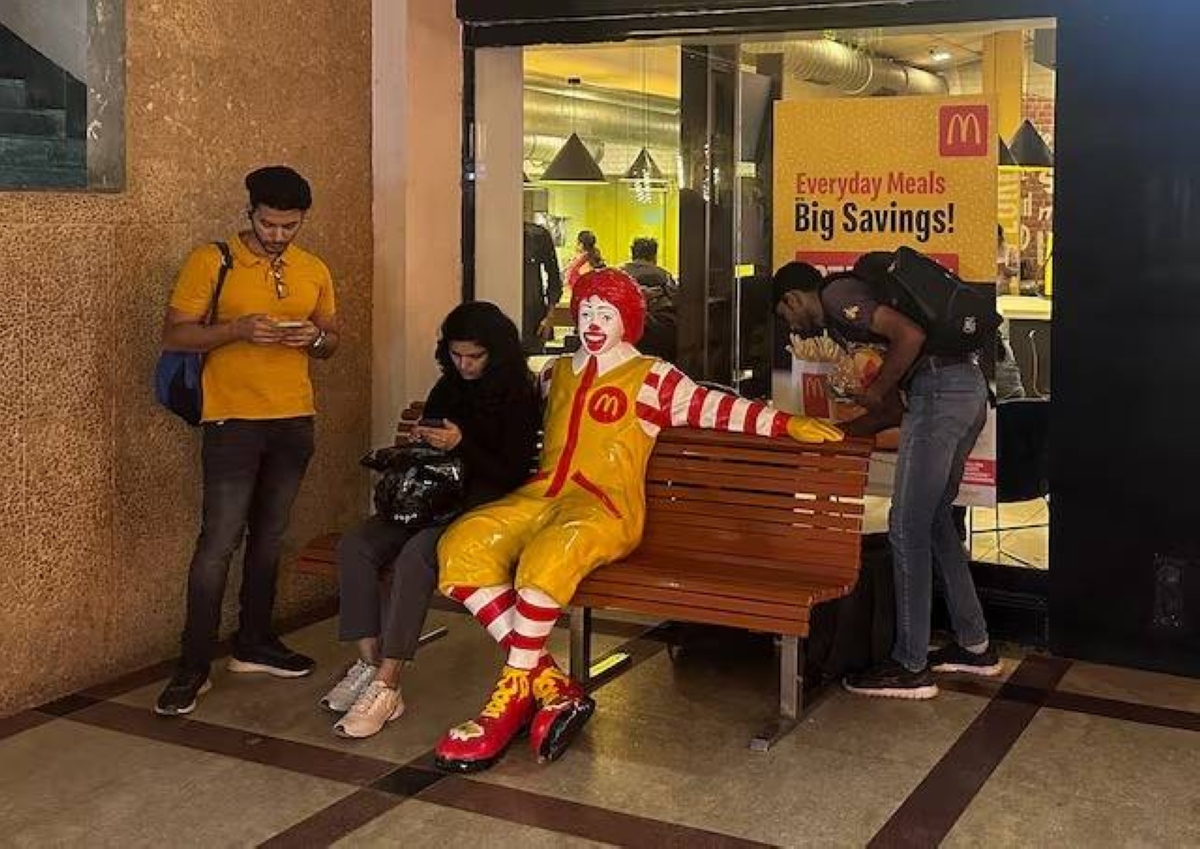
تواجه الشركات الأمريكية متعددة الجنسيات، مثل ماكدونالدز، كوكاكولا، أمازون، وآبل، دعوات للمقاطعة في الهند، حيث يثير رجال الأعمال ومؤيدو رئيس الوزراء ناريندرا مودي، مشاعر مناهضة لأمريكا احتجاجًا على الرسوم الجمركية الأمريكية.
وتُعد الهند، أكبر دول العالم سكانًا، سوقًا رئيسية للعلامات التجارية الأمريكية التي توسعت بسرعة لاستهداف شريحة متنامية من المستهلكين الأثرياء، الذين يرون في هذه العلامات رمزًا للتقدم الاجتماعي، حيث تُعتبر الهند السوق الأكبر لتطبيق واتساب التابع لشركة ميتا، بينما تمتلك دومينوز أكبر عدد من المطاعم مقارنة بأي علامة تجارية أخرى في البلاد.
تأتي هذه الدعوات بعد فرض الرئيس الأمريكي دونالد ترمب رسومًا جمركية بنسبة 50% على السلع الهندية، مما أثار استياء المصدرين وأضر بالعلاقات بين نيودلهي وواشنطن.
وعلى الرغم من عدم وجود مؤشرات فورية على تأثر المبيعات، تزايدت الدعوات عبر وسائل التواصل الاجتماعي وخارجها لتشجيع المنتجات المحلية ونبذ العلامات الأمريكية، ولم تستجب شركات مثل ماكدونالدز، وكوكاكولا، وأمازون، وآبل لطلبات التعليق.
في هذا السياق، دعا مانيش شوداري، مؤسس شركة «واو سكين ساينس»، عبر لينكدإن، إلى دعم المزارعين والشركات الناشئة لجعل «صنع في الهند» هوسًا عالميًا، مستلهمًا نجاح كوريا الجنوبية في منتجات الأغذية والتجميل.
وكتب رام شاستري، الرئيس التنفيذي لشركة «درايف يو»، إن الهند بحاجة إلى منصات محلية مثل تويتر وقوقل.
وفي خطوة رمزية، دعا رئيس الوزراء ناريندرا مودي، (الأحد)، في بنغالور إلى الاعتماد على الذات، مؤكدًا ضرورة إعطاء الأولوية لاحتياجات الهند.
ورغم هذه الاحتجاجات، افتتحت شركة «تسلا» صالة عرضها الثانية في نيودلهي بحضور مسؤولين من وزارة التجارة الهندية والسفارة الأمريكية.
وقادت مجموعة «سواديشي جاغران مانش»، المرتبطة بحزب «مودي»، مظاهرات صغيرة تدعو لمقاطعة العلامات الأمريكية، مع نشر قوائم عبر واتساب لعلامات هندية بديلة، لكن في ولاية أوتار براديش، أعرب راجات غوبتا (37 عامًا) أثناء تناوله القهوة في ماكدونالدز عن عدم اكتراثه بالاحتجاجات، معتبرًا أن الرسوم الجمركية شأن دبلوماسي لا ينبغي أن يؤثر على اختياراته الشخصية.
American multinational companies, such as McDonald's, Coca-Cola, Amazon, and Apple, are facing calls for a boycott in India, where businessmen and supporters of Prime Minister Narendra Modi are stirring anti-American sentiments in protest against U.S. tariffs.
India, the most populous country in the world, is a key market for American brands that have rapidly expanded to target a growing segment of wealthy consumers who see these brands as symbols of social progress. India is considered the largest market for WhatsApp, owned by Meta, while Domino's has the most restaurants compared to any other brand in the country.
These calls come after U.S. President Donald Trump imposed a 50% tariff on Indian goods, which has angered exporters and harmed relations between New Delhi and Washington.
Although there are no immediate signs of an impact on sales, calls have increased on social media and beyond to support local products and reject American brands, and companies like McDonald's, Coca-Cola, Amazon, and Apple have not responded to requests for comment.
In this context, Manish Choudhary, founder of "Wow Skin Science," called on LinkedIn for support for farmers and startups to make "Made in India" a global obsession, inspired by South Korea's success in food and beauty products.
Ram Shastri, CEO of "Drive U," stated that India needs local platforms like Twitter and Google.
In a symbolic move, Prime Minister Narendra Modi called for self-reliance on Sunday in Bangalore, emphasizing the need to prioritize India's needs.
Despite these protests, Tesla opened its second showroom in New Delhi with the presence of officials from the Indian Ministry of Commerce and the U.S. Embassy.
The "Swadeshi Jagran Manch" group, linked to Modi's party, led small protests calling for a boycott of American brands, sharing lists of alternative Indian brands via WhatsApp. However, in Uttar Pradesh, Rajat Gupta (37) expressed indifference to the protests while having coffee at McDonald's, considering tariffs a diplomatic issue that should not affect his personal choices.