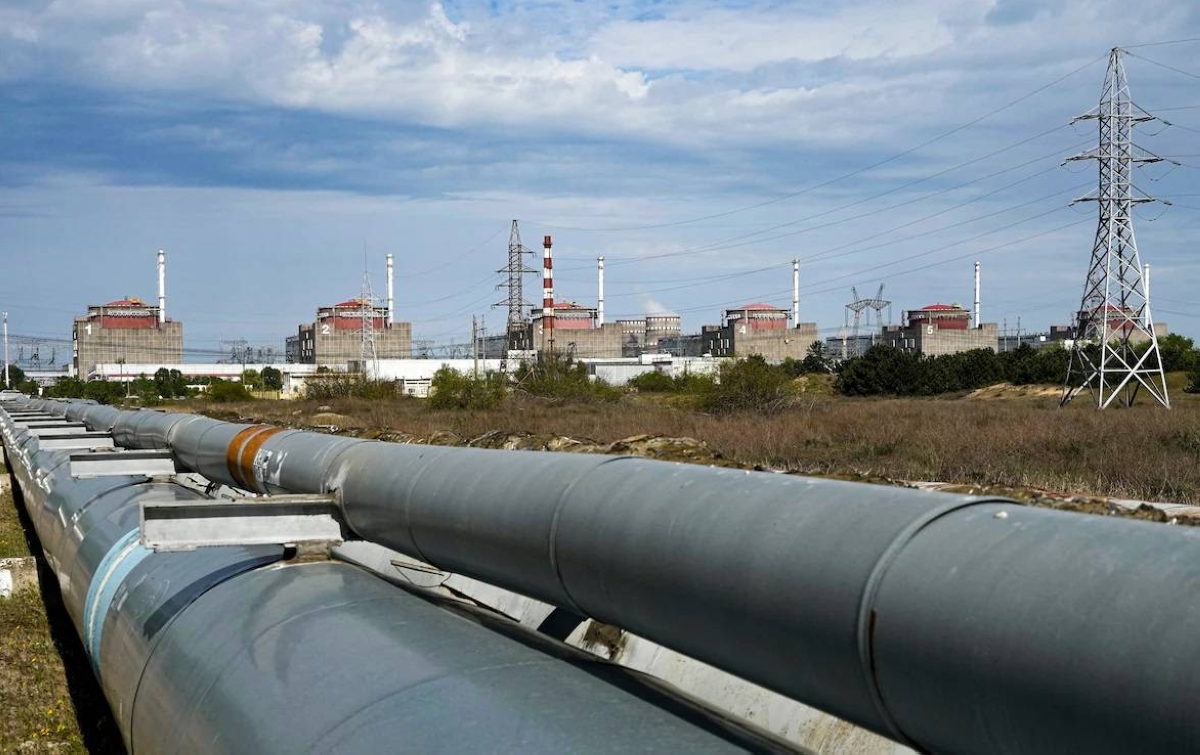
أثار القصف الروسي المستمر لشبكة الكهرباء الأوكرانية مخاوف متزايدة بشأن سلامة المنشآت النووية في كييف، بعد أن أدى هجوم بطائرات بدون طيار إلى انقطاع التيار الكهربائي لأكثر من ثلاث ساعات في موقع كارثة تشيرنوبيل النووية عام 1986، في الوقت الذي لا تزال فيه أكبر محطة نووية في أوروبا، زابوريجيا، مفصولة عن الشبكة الكهربائية لأكثر من أسبوع.
زابوريجيا بلا كهرباء
أكد مسؤولون أوكرانيون أن كلا الموقعين، اللذين لا يعملان حالياً، يحتاجان إلى إمداد كهربائي مستمر لتشغيل أنظمة التبريد الحيوية لعيون الوقود المستنفد، لتجنب حدوث حادثة نووية محتملة.
انتقاد الوكالة الدولية
وفقاً لتقارير من منظمة الطاقة الذرية الدولية (IAEA)، يمكن أن يؤدي انقطاع الكهرباء إلى تعطيل أنظمة مراقبة الإشعاع المثبتة لتعزيز الأمن في تشيرنوبيل، والتي تديرها الوكالة التابعة للأمم المتحدة.
ووصف الرئيس الأوكراني فولوديمير زيلينسكي، الهجمات بأنها «تهديد إشعاعي متعمد»، محذراً من أن «كل يوم من حرب روسيا، وكل ضربة على منشآتنا الطاقية، بما في ذلك تلك المرتبطة بالسلامة النووية، هو تهديد عالمي».
وانتقد زيلينسكي الوكالة الدولية ومديرها رافائيل غروسي لـ«الردود الضعيفة»، مطالبا بـ«إجراءات قوية» لمواجهة الخطر.
تأثير مباشر على تشيرنوبيل
وفي خطابه الليلي يوم الأربعاء، أفاد زيلينسكي، بأن روسيا أطلقت نحو 20 طائرة بدون طيار من طراز «شاهد» الإيراني الصنع -حسب قوله- على البنية التحتية الطاقية في مدينة سلافوتيتش، التي توفر الكهرباء لموقع تشيرنوبيل.
وأدى الهجوم، الذي غمرت فيه الطائرات الدفاعات، إلى انقطاع الكهرباء لأكثر من ثلاث ساعات، مما أثر على «التابوت الجديد» الذي يمنع تسرب الغبار الإشعاعي من المفاعل الرابع المدمر، ومستودع الوقود المستنفد الذي يحتوي على نحو 3250 طناً (80% من إجمالي الوقود المستنفد في المحطة).
وأكد زيلينسكي: «الروس لم يكن بإمكانهم أن يجهلوا أن ضربة على سلافوتيتش ستؤدي إلى مثل هذه العواقب على تشيرنوبيل»، مشيراً إلى أن الهجوم كان «موجيا لتعقيد الدفاع»، رغم إسقاط بعض الطائرات.
رد وكالة الطاقة الذرية
ولم يحدث ارتفاع في مستويات الإشعاع، وفقاً للوكالة الدولية، لكن الخبراء يحذرون من أن مثل هذه الهجمات تزيد من مخاطر تسرب إشعاعي.
وفي فبراير الماضي، أصابت طائرة بدون طيار روسية الغلاف الخارجي للموقع، مما أدى إلى حريق قصير دون ارتفاع إشعاعي، لكنها أثارت مخاوف مماثلة.
انقطاع طويل واتهامات متبادلة
أما محطة زابوريجيا، التي تحتوي على ستة مفاعلات وكانت تنتج خُمس الكهرباء الأوكرانية قبل الحرب، فهي مفصولة عن الشبكة منذ أكثر من أسبوع، وهو أطول انقطاع منذ الغزو الروسي في 2022.
وألقى زيلينسكي اللوم على المدفعية الروسية لقطع الخط الكهربائي الأخير، بينما نفى المتحدث باسم الكرملين ديمتري بيسكوف ذلك، متهماً «القصف الأوكراني».
وتعتمد المحطة حالياً على مولدات ديزل طوارئ لتبريد المفاعلات المغلقة والوقود المستنفد، لكن الوكالة الدولية أكدت أن الوضع «غير مستقر»، ودعت إلى إعادة الاتصال الفوري بالشبكة لتجنب ذوبان الوقود النووي.
ووفقا لمعهد دراسة الحرب في واشنطن، أدى احتلال روسيا للمحطة إلى «تدهور كبير» في أمنها، وتهدف موسكو إلى دمجها في شبكتها الكهربائية، مما «يزيد من المخاطر الأمنية ويقلل من قدرة أوكرانيا على إنتاج الكهرباء مستقبلاً.
مخاطر عالمية
مع مرور أكثر من ثلاث سنوات على الغزو الروسي الكامل، لا يبدو النزاع أقرب إلى النهاية رغم جهود السلام الأمريكية الرئيسية، وأكد زيلينسكي أن روسيا «تستغل الوضع الضعيف للوكالة الدولية»، مطالبا بضغط دولي أقوى.
وأشارت الوكالة الدولية إلى أن المحطة ليست في خطر فوري، لكنها حذرت من أن فشل المولدات قد يؤدي إلى ذوبان الوقود في غضون أسابيع، مما يهدد أوروبا بأكملها بكارثة إشعاعية. وفي منشورات على «إكس»، أعرب مستخدمون عن غضبهم، واصفين الوضع بـ«اللعب النووي بالورقة»، مع تكرار الاتهامات لروسيا بـ«الإرهاب النووي».
وتمتلك أوكرانيا خمس محطات نووية أخرى، وكلها عرضة للهجمات، مما يجعل الوضع «تهديداً عالمياً» كما وصفه زيلينسكي. وتستمر الوكالة الدولية في التفاوض مع الجانبين لاستعادة الطاقة، لكن النشاط العسكري يعيق الإصلاحات.
The ongoing Russian shelling of the Ukrainian electricity grid has raised increasing concerns about the safety of nuclear facilities in Kyiv, after a drone attack caused a power outage for more than three hours at the site of the 1986 Chernobyl nuclear disaster, while the largest nuclear power plant in Europe, Zaporizhzhia, has been disconnected from the power grid for over a week.
Zaporizhzhia Without Electricity
Ukrainian officials confirmed that both sites, which are currently non-operational, require a continuous power supply to operate the vital cooling systems for spent fuel pools, to avoid a potential nuclear incident.
Criticism of the International Agency
According to reports from the International Atomic Energy Agency (IAEA), power outages could disrupt radiation monitoring systems installed to enhance security at Chernobyl, which is managed by the UN agency.
Ukrainian President Volodymyr Zelensky described the attacks as a "deliberate radiological threat," warning that "every day of Russia's war, and every strike on our energy facilities, including those related to nuclear safety, is a global threat."
Zelensky criticized the agency and its director Rafael Grossi for their "weak responses," calling for "strong actions" to address the danger.
Direct Impact on Chernobyl
In his nightly address on Wednesday, Zelensky reported that Russia launched about 20 Iranian-made Shahed drones at the energy infrastructure in the city of Slavutych, which provides electricity to the Chernobyl site.
The attack, which overwhelmed the defenses, resulted in a power outage for more than three hours, affecting the "new sarcophagus" that prevents the release of radioactive dust from the destroyed fourth reactor, and the spent fuel storage that contains about 3,250 tons (80% of the total spent fuel at the plant).
Zelensky confirmed: "The Russians could not have been unaware that a strike on Slavutych would lead to such consequences for Chernobyl," noting that the attack was "designed to complicate defense," despite some drones being shot down.
Response from the Atomic Agency
No increase in radiation levels occurred, according to the international agency, but experts warn that such attacks increase the risks of radioactive leaks.
In February, a Russian drone struck the outer shell of the site, causing a brief fire without a radiation increase, but it raised similar concerns.
Long Outage and Mutual Accusations
The Zaporizhzhia plant, which has six reactors and was producing one-fifth of Ukraine's electricity before the war, has been disconnected from the grid for over a week, the longest outage since the Russian invasion in 2022.
Zelensky blamed Russian artillery for cutting the last power line, while Kremlin spokesman Dmitry Peskov denied this, accusing "Ukrainian shelling."
The plant is currently relying on emergency diesel generators to cool the shut-down reactors and spent fuel, but the international agency confirmed that the situation is "unstable," calling for immediate reconnection to the grid to avoid nuclear fuel melting.
According to the Institute for the Study of War in Washington, Russia's occupation of the plant has led to a "significant deterioration" in its security, with Moscow aiming to integrate it into its electrical grid, which "increases security risks and reduces Ukraine's ability to produce electricity in the future."
Global Risks
With more than three years passing since the full-scale Russian invasion, the conflict does not seem closer to an end despite major U.S. peace efforts, and Zelensky confirmed that Russia is "exploiting the agency's weak position," calling for stronger international pressure.
The agency indicated that the plant is not in immediate danger, but warned that generator failure could lead to fuel melting within weeks, threatening all of Europe with a radiological disaster. On posts on "X," users expressed their anger, describing the situation as "playing nuclear poker," reiterating accusations against Russia of "nuclear terrorism."
Ukraine has five other nuclear power plants, all vulnerable to attacks, making the situation a "global threat," as described by Zelensky. The international agency continues to negotiate with both sides to restore power, but military activity hinders repairs.