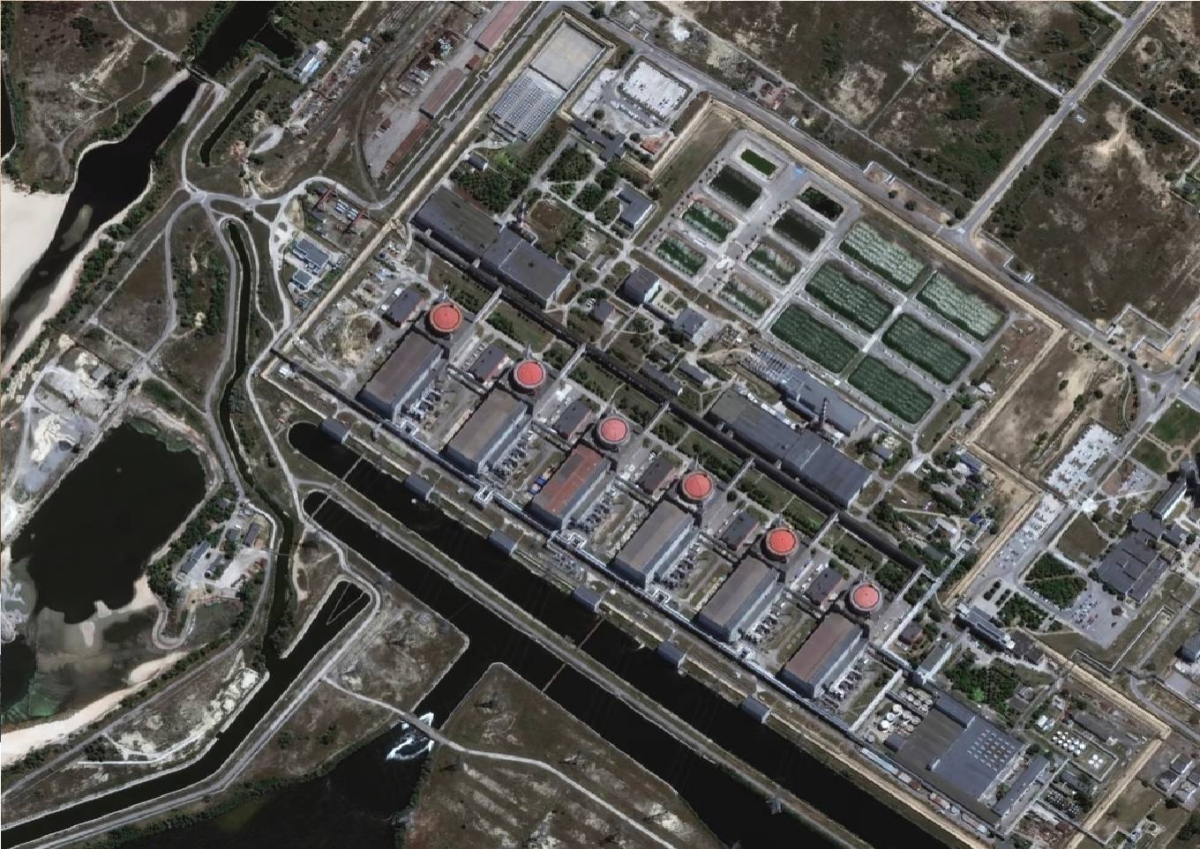
تشهد محطة زابوريجيا النووية، أكبر محطة طاقة نووية في أوروبا الواقعة تحت السيطرة الروسية في أوكرانيا، انقطاعاً غير مسبوق للطاقة الخارجية منذ أكثر من 3 أيام، بدأ في الساعة 16:56 من يوم الثلاثاء 23 سبتمبر 2025.
6 مفاعلات نووية على المحك
ويأتي هذا الانقطاع، الذي يُعد الأطول من نوعه، بعد تعطل آخر خط كهرباء رئيسي (750 كيلوفولت) على الجانب الروسي، ما أثار مخاوف دولية بشأن سلامة المحطة التي تضم 6 مفاعلات نووية وتقع على خط المواجهة في الحرب الأوكرانية.
وتُدار أنظمة التبريد والسلامة حالياً بواسطة 7 من أصل 18 مولداً كهربائياً طارئاً تعمل بالديزل، مع توفر وقود يكفي لتشغيلها لمدة 20 يوماً دون إعادة تعبئة، وفقاً لما أفادت به الوكالة الدولية للطاقة الذرية.
تحذير وكالة الطاقة الذرية
فيما حذر مدير عام الوكالة رافاييل غروسي من أن فقدان الطاقة الخارجية يزيد من مخاطر وقوع حادثة نووية، مشيراً إلى أن الوضع «مثير للقلق العميق».
وكان غروسي التقى الرئيس الروسي فلاديمير بوتين الخميس الماضي دون تحقيق تقدم ملموس في حل الأزمة.
اتهامات غربية لروسيا
وتتهم أوكرانيا والخبراء الغربيون الكرملين بتصنيع الأزمة لتعزيز سيطرته على المحطة، حيث يُشتبه في أن روسيا تسعى لإعادة تشغيل مفاعل واحد على الأقل رغم الظروف الحربية، وهو قرار يُعتبر محفوفاً بالمخاطر.
زابوريجيا ورقة مساومة
وبحسب صحيفة «الغارديان»، وصف مسؤول أوكراني المحطة بأنها «ورقة مساومة» في يد روسيا، بينما حذر خبير من منظمة السلام الأخضر من أن الاحتلال الروسي للمحطة قد دخل «مرحلة حرجة قد تكون كارثية».
يأتي ذلك فيما أشارت اختبارات الإجهاد الأوروبية، التي أُجريت بعد كارثة فوكوشيما اليابانية عام 2011، إلى أن المحطة النووية يمكنها العمل من دون طاقة خارجية لمدة 72 ساعة فقط، وهي فترة تم تجاوزها الآن في زابوريجيا، ما يضع المحطة في منطقة مجهولة.
وفي حال فشل المولدات الطارئة قد ترتفع حرارة الوقود النووي في المفاعلات تدريجياً على مدى أسابيع، ما يهدد بحدوث انصهار كارثي، على عكس فوكوشيما التي شهدت انصهاراً سريعاً بسبب تشغيل المفاعلات وقت وقوع زلزال بقوة 9 درجات، تلاه تسونامي أعطب المولدات.
وتُعد هذه المرة العاشرة التي تفقد فيها المحطة الطاقة الخارجية منذ مارس 2022، حيث كانت الأعطال السابقة ناتجة عن ضربات روسية للبنية التحتية في الأراضي الأوكرانية.
اتهامات متبادلة
وتتهم روسيا القوات الأوكرانية بتعطيل جهود الإصلاح عبر القصف المستمر، بينما تنفي أوكرانيا استهداف المحطة أو محيطها، معتبرة ذلك «مخاطرة غير مقبولة».
The Zaporizhzhia Nuclear Power Plant, the largest nuclear power station in Europe under Russian control in Ukraine, has experienced an unprecedented external power outage for more than 3 days, starting at 16:56 on Tuesday, September 23, 2025.
6 Nuclear Reactors at Risk
This outage, which is the longest of its kind, follows the failure of the last major power line (750 kilovolts) on the Russian side, raising international concerns about the safety of the plant, which houses 6 nuclear reactors and is located on the front line of the Ukrainian war.
The cooling and safety systems are currently being operated by 7 out of 18 emergency diesel generators, with fuel available to run them for 20 days without refueling, according to the International Atomic Energy Agency.
Warning from the Atomic Energy Agency
The Director General of the agency, Rafael Grossi, warned that the loss of external power increases the risk of a nuclear incident, noting that the situation is "deeply concerning."
Grossi met with Russian President Vladimir Putin last Thursday without making any tangible progress in resolving the crisis.
Western Accusations Against Russia
Ukraine and Western experts accuse the Kremlin of manufacturing the crisis to strengthen its control over the plant, as Russia is suspected of seeking to restart at least one reactor despite the wartime conditions, a decision considered fraught with risks.
Zaporizhzhia as a Bargaining Chip
According to The Guardian, a Ukrainian official described the plant as a "bargaining chip" in the hands of Russia, while an expert from Greenpeace warned that the Russian occupation of the plant has entered a "critical phase that could be catastrophic."
This comes as European stress tests conducted after the 2011 Fukushima disaster indicated that the nuclear plant could operate without external power for only 72 hours, a period that has now been exceeded in Zaporizhzhia, placing the plant in uncharted territory.
If the emergency generators fail, the temperature of the nuclear fuel in the reactors could gradually rise over weeks, threatening a catastrophic meltdown, unlike Fukushima, which experienced a rapid meltdown due to the reactors operating during a 9.0 magnitude earthquake, followed by a tsunami that disabled the generators.
This marks the tenth time the plant has lost external power since March 2022, with previous outages resulting from Russian strikes on infrastructure in Ukrainian territory.
Mutual Accusations
Russia accuses Ukrainian forces of disrupting repair efforts through continuous shelling, while Ukraine denies targeting the plant or its surroundings, considering it an "unacceptable risk."